Okay, fellow travelers of the magnetic tape, dim the lights, maybe adjust the tracking just so on your mind’s VCR, because we’re diving into a truly unique slice of 80s fantasy-tech weirdness: 1984’s The Dungeonmaster (or Ragewar, depending on which faded box you pulled off the shelf). This wasn't lurking in the 'New Releases' section for long; it was pure mid-week rental fodder, the kind of oddball gem you grabbed when Terminator was checked out, and boy, did it deliver a strange kind of magic. Forget coherent narrative structure; this film is a glorious, seven-headed beast stitched together with pure B-movie ambition and a whole lot of practical effects wizardry.

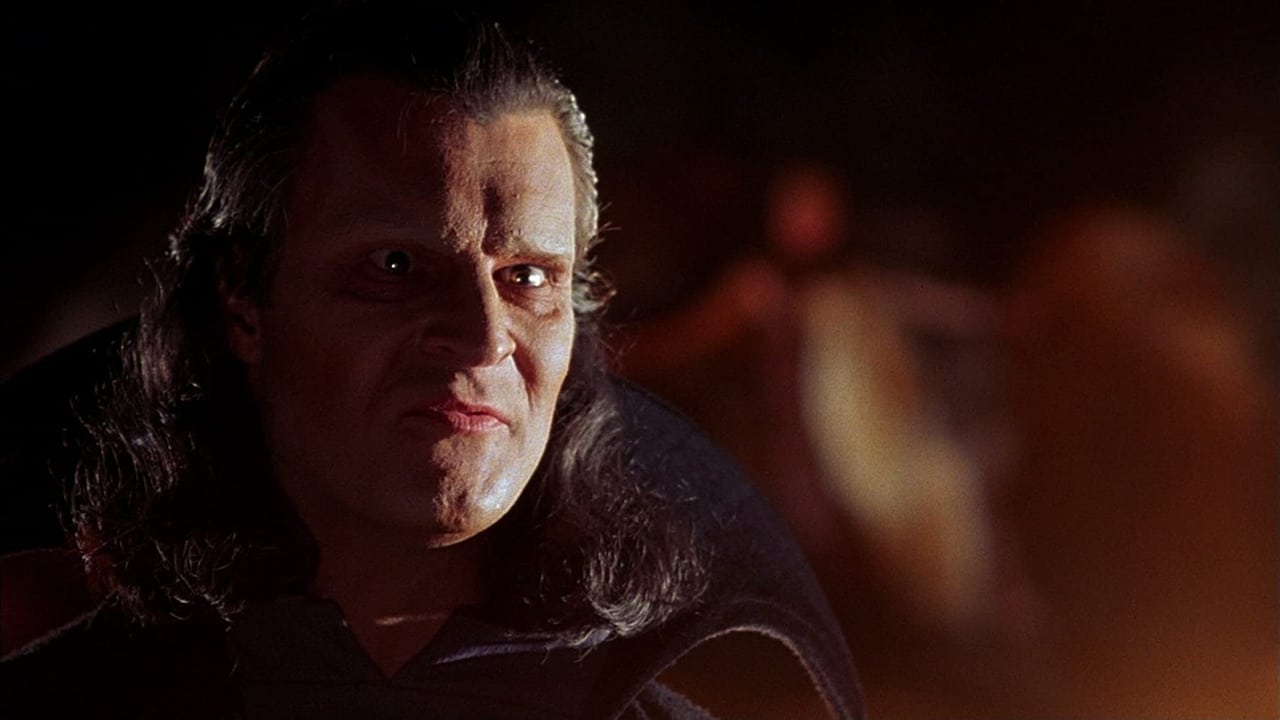
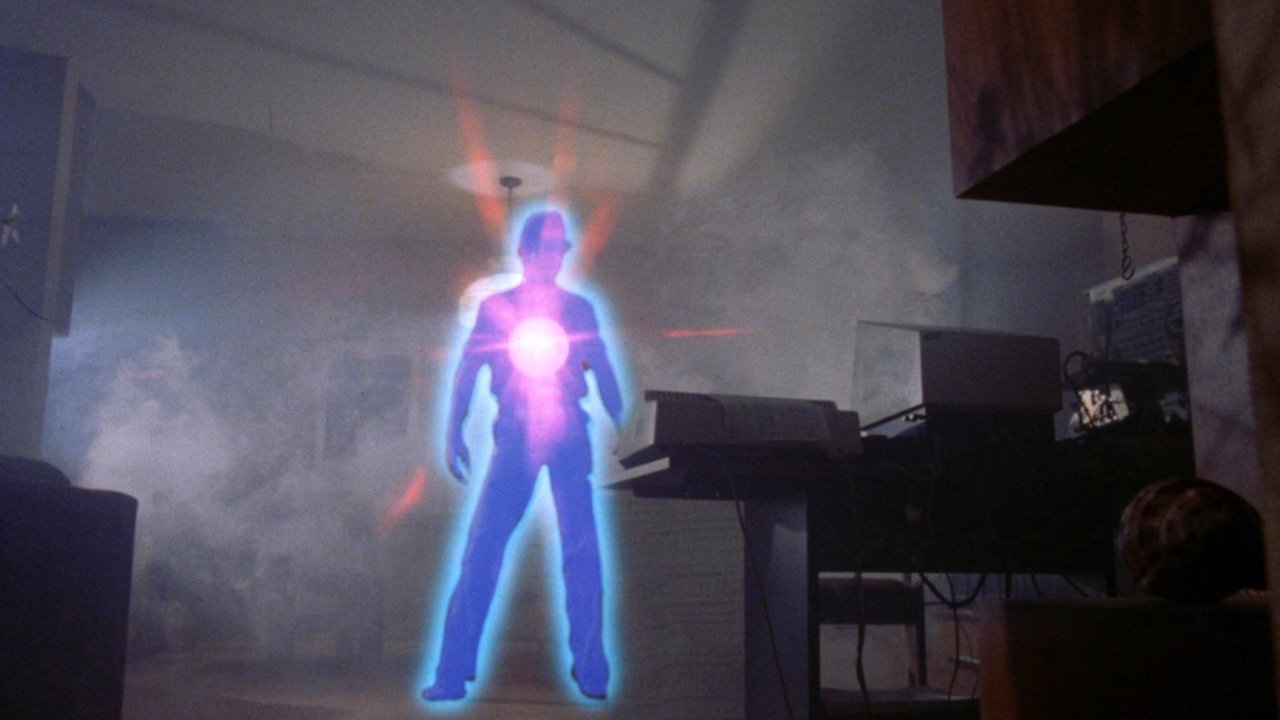
The premise itself is pure Reagan-era fusion cuisine: Paul Bradford (Jeffrey Byron), a tech whiz rocking some seriously futuristic (for '84) computer gear, finds his reality hijacked by Mestema (Richard Moll), a scenery-chewing demonic sorcerer who looks suspiciously like he raided Satan's wardrobe department. Mestema, unimpressed by Paul’s digital prowess via his trusty AI companion X-CaliBR8, decides to test the mortal's mettle by throwing him and his girlfriend Gwen (Leslie Wing) into seven distinct, deadly challenges. It’s basically the devil playing video games with a human joystick, and the prize is survival.
### A Seven-Course Meal of Mayhem
What makes The Dungeonmaster such a fascinating artifact is its anthology structure. Producer Charles Band, a name synonymous with direct-to-video gold via his Empire Pictures (and later Full Moon Features), farmed out each of the seven challenges to a different director. This includes effects maestro John Carl Buechler (who'd later give us Jason's decomposed look in Friday the 13th Part VII: The New Blood), stop-motion guru David Allen, and Band himself, among others. The result? A film that feels less like a cohesive story and more like flipping through channels on a particularly bizarre Saturday afternoon.
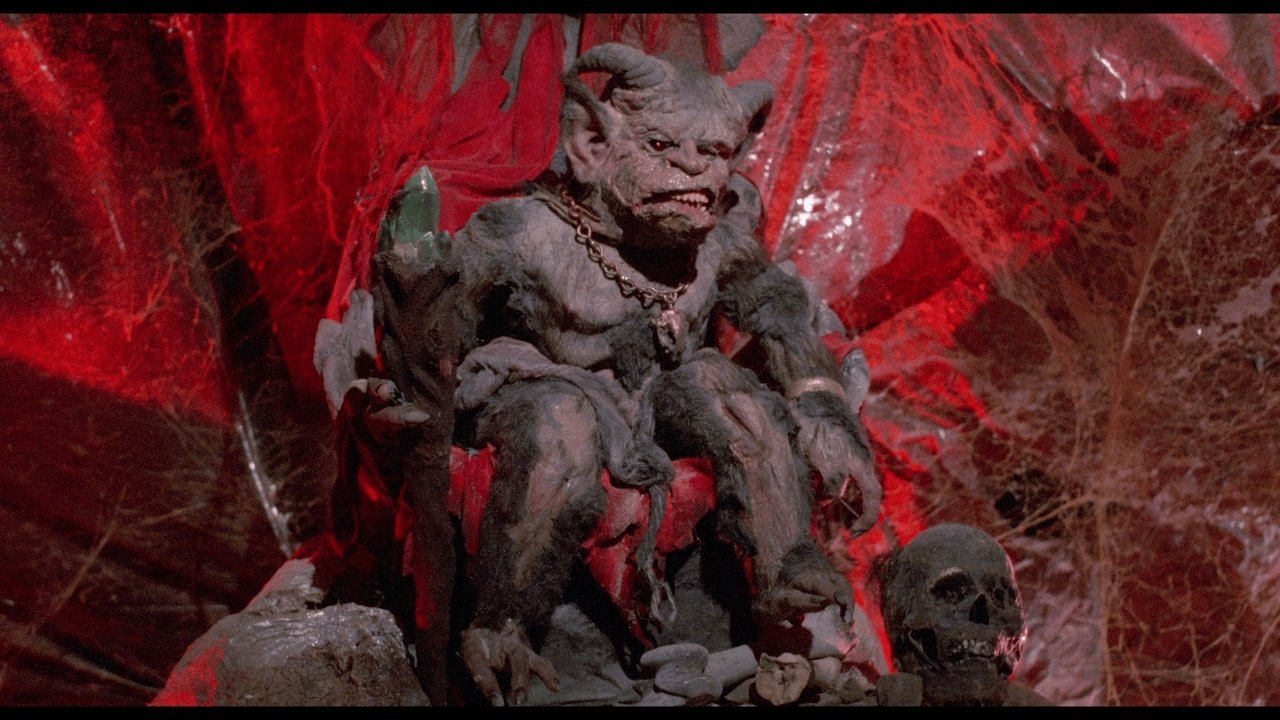
One minute you're in a post-apocalyptic wasteland battling mutants, the next you're facing off against a surprisingly effective stop-motion stone giant (thanks, David Allen!), and then suddenly – BAM! – you're in a heavy metal fever dream featuring the band W.A.S.P. blasting "Tormentor." Remember that sequence? It felt completely out of left field, yet somehow perfectly 80s. This jarring shift in styles between segments, from gritty action to almost cartoonish fantasy, is either the film's biggest flaw or its most endearing quality, depending on your mood (and maybe how much Jolt Cola you consumed). I lean towards endearing; it's a testament to the 'throw everything at the wall' energy of low-budget filmmaking back then.
### Mestema, Master of Malevolence (and Ham)
Let's be honest, the main reason this movie still flickers in our collective memory banks is Richard Moll. Fresh off charming audiences as the lovable bailiff Bull Shannon on Night Court, Moll dives headfirst into the role of Mestema with glorious, unrestrained relish. He’s having an absolute blast, delivering every line with theatrical menace, his imposing frame and booming voice making him a genuinely intimidating, if enjoyably over-the-top, antagonist. It's reported that Moll truly loved playing the villain here, and it shows in every sneer and gesture. Jeffrey Byron does his best as the earnest, slightly bland hero, embodying that classic 80s tech-nerd-turned-action-guy trope, while Leslie Wing handles the damsel-in-distress duties capably. But really, it’s Moll’s show whenever he’s onscreen.
### Practical Effects Power Hour
This is where The Dungeonmaster truly shines for fans of the VHS era. Forget slick, weightless CGI; this movie is a playground for practical effects artists. John Carl Buechler's segment delivers some wonderfully grotesque creature makeup. David Allen's stop-motion sequence, though brief, has that tangible, handcrafted quality that digital effects often lack. There are miniatures, pyrotechnics that feel genuinely dangerous, and creature suits that, while maybe a little stiff, have a physical presence.
Remember the scene with the frozen statues coming to life? Or the sheer grimy texture of the post-apocalyptic world? That was achieved with physical sets, clever lighting, and artists getting their hands dirty. One particularly memorable bit involved a mummified creature reanimating – pure Buechler magic. Even the early computer graphics used for X-CaliBR8, hilariously dated now with their blocky text and simple wireframes, possess a certain retro charm. They weren't trying to fool anyone into thinking it was real; they were embracing the aesthetic of the burgeoning digital age, warts and all. This film was made for probably less than the catering budget on a modern blockbuster, forcing genuine creativity through limitation.
### Cult Classic Status: Earned?
The Dungeonmaster was never destined for critical acclaim or box office glory. It hit the video stores, found its audience among fantasy fans and those looking for something different, and settled comfortably into cult status. Its disjointed nature prevents it from being a truly great film, but its ambition, its memorable villain, the sheer variety packed into its runtime, and its commitment to practical effects make it an essential watch for anyone exploring the weirder corners of 80s genre cinema. It perfectly captures that moment when fantasy tropes, D&D influences, and anxieties about technology all collided.

Rating: 6.5 / 10
Justification: While undeniably choppy and uneven due to its multi-director structure, The Dungeonmaster scores points for its sheer B-movie ambition, Richard Moll's iconic villain performance, and its showcase of diverse 80s practical effects work (especially the stop-motion and creature designs). It's dated, cheesy, and structurally messy, but its earnest energy and grab-bag of genre thrills provide significant nostalgic entertainment value. The rating reflects its cult appeal and fun factor over technical perfection or narrative coherence.
Final Thought: The Dungeonmaster is like finding a mixtape made by seven different people with wildly varying tastes – chaotic, sometimes brilliant, sometimes baffling, but undeniably a product of its time and a testament to the anything-goes spirit of 80s fantasy on VHS. Fire it up when you crave unfiltered, practical weirdness.