Okay, settle in and let’s rewind the tape back to 1998. Remember that feeling? The sleek thrillers hitting the shelves at Blockbuster, often gleaming with star power and promising twists behind impossibly luxurious lives? There’s a certain sheen to the thrillers of the late 90s, a kind of cool, calculated gloss, and few captured it quite like A Perfect Murder. It wasn’t just the promise of suspense; it was the allure of peering into a world of immense wealth where betrayal felt like just another high-stakes transaction.

High Stakes in High Society
At its heart, A Perfect Murder plunges us into the icy marriage of Wall Street titan Steven Taylor and his younger wife, Emily Bradford Taylor. Michael Douglas, leaning comfortably into the kind of dangerously charismatic power player role he practically owned in the 80s and 90s (Wall Street (1987), Basic Instinct (1992)), plays Steven with a chilling blend of boardroom ruthlessness and wounded pride. When he discovers Emily (Gwyneth Paltrow, radiating both patrician elegance and a simmering discontent) is having an affair with the brooding artist David Shaw (Viggo Mortensen, magnetic even before his Lord of the Rings stardom), Steven doesn't just get mad. He gets meticulously, terrifyingly even. The premise hinges on Steven’s audacious plan: not just to eliminate his rival, but to use him to eliminate his wife, aiming for that elusive "perfect murder."
Remaking a Classic, Late 90s Style
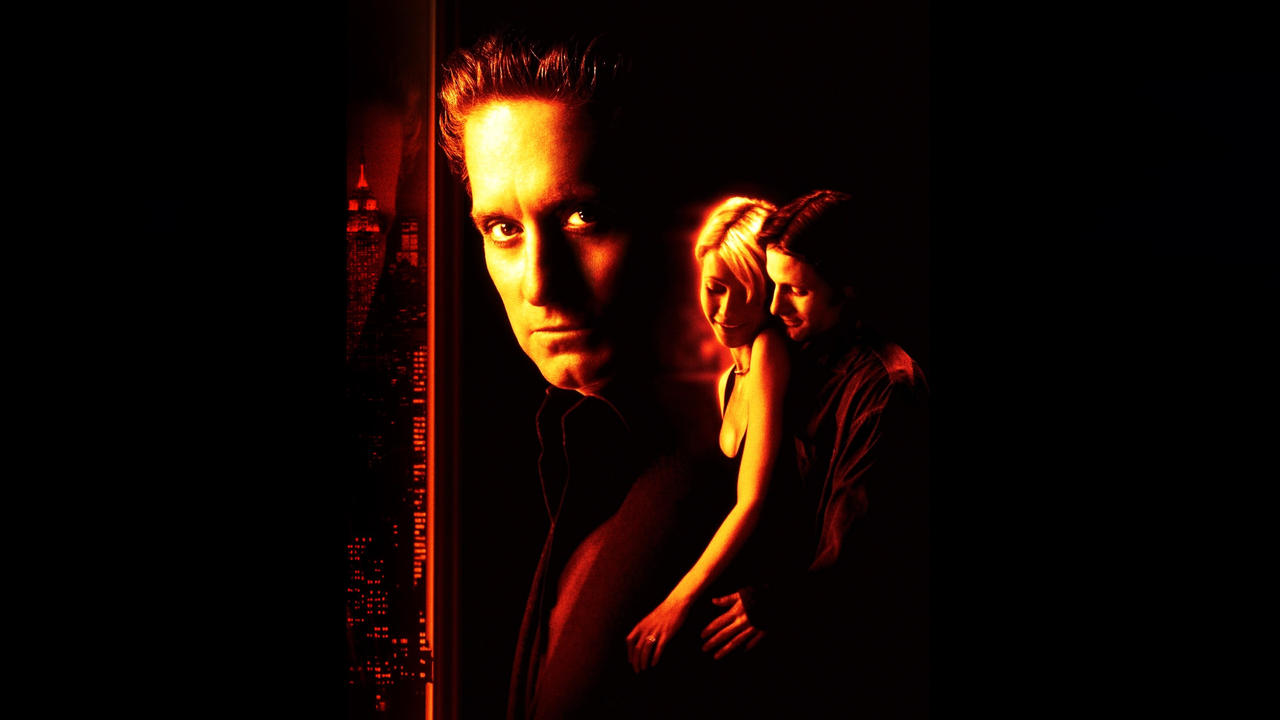
Of course, the bones of this story might feel familiar to classic film buffs. It’s a reimagining of Frederick Knott’s stage play, which also served as the basis for Alfred Hitchcock’s 1954 claustrophobic masterpiece, Dial M for Murder. But director Andrew Davis, fresh off the massive success of The Fugitive (1993), wasn't interested in a simple retread. Working from Patrick Smith Kelly’s screenplay, he updates the setting to a gleaming, late-Clinton era Manhattan, swapping Hitchcock’s stagey confines for opulent penthouses and gritty artist lofts.
One of the smartest changes is twisting the role of the lover. Unlike the original, Mortensen's David isn't just an affair; he becomes the unwilling (or is he?) instrument in Steven's plot, adding layers of complexity and shifting allegiances. It’s a change that significantly ups the ante and gives the narrative fresh propulsion. Does it surpass Hitchcock? That’s a tall order, and perhaps the wrong question. A Perfect Murder feels distinctly of its time – slicker, faster, maybe less focused on pure suspense and more on the psychological gamesmanship between its three compelling leads.
The Gleam and the Gloom
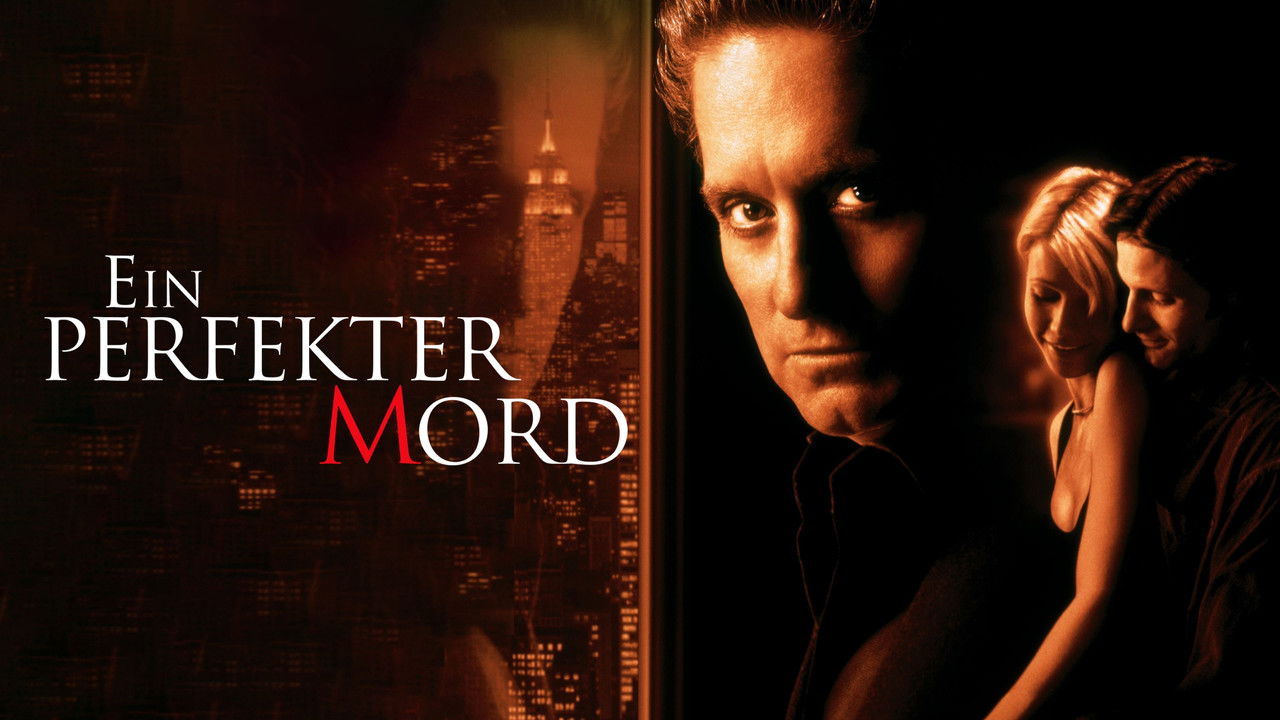
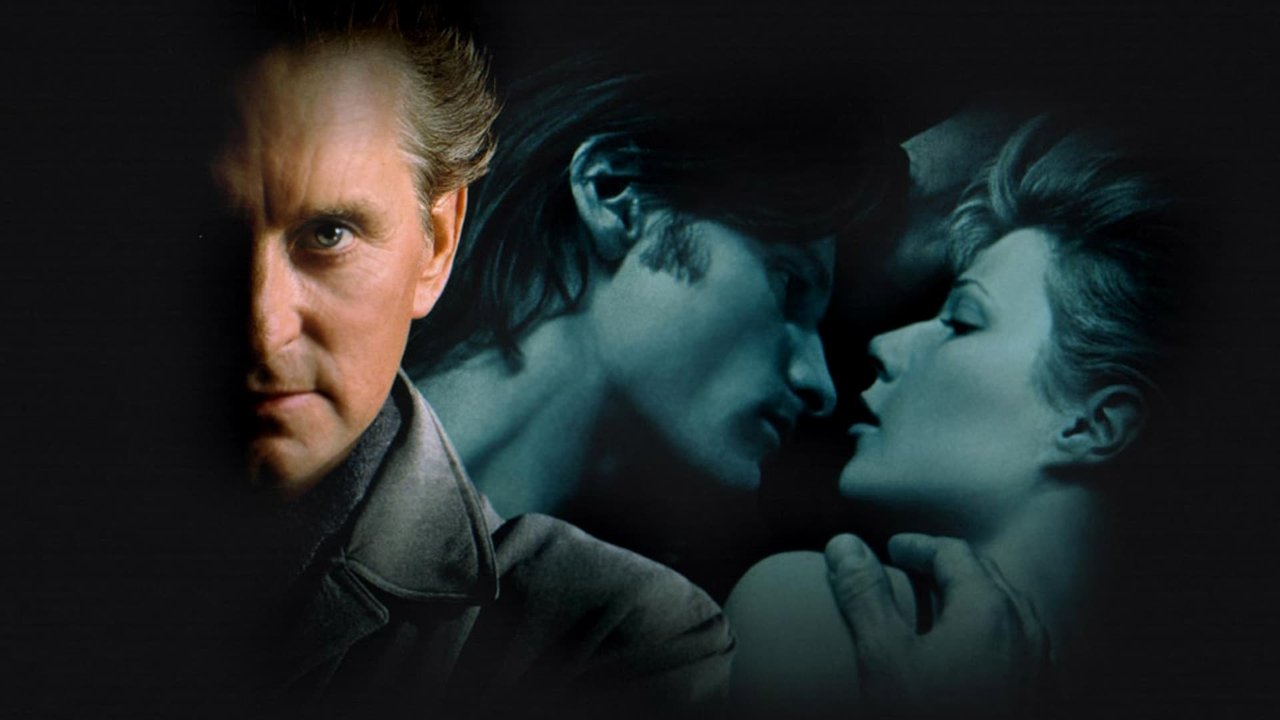
What truly sells the film, beyond the plotting, is the atmosphere Davis crafts. The Taylors' apartment – reportedly a massive, incredibly detailed set constructed specifically for the film – is practically a fourth character. All gleaming surfaces, imposing modern art, and vast windows overlooking the city, it feels both luxurious and sterile, a gilded cage reflecting the emotional chill between Steven and Emily. The cinematography often emphasizes this coldness, contrasting the brightly lit world of high finance with the shadowy corners where secrets fester.
The performances are key to making this icy world feel inhabited. Douglas is perfectly cast, his surface charm barely masking a terrifying capacity for calculation. You believe he could orchestrate such a scheme, his eyes doing the cold accounting even as his mouth offers pleasantries. Paltrow, then ascending rapidly after films like Emma (1996), effectively portrays Emily’s journey from victim to survivor, her intelligence and resolve gradually hardening. And Mortensen, as David, masterfully navigates the character's ambiguity. Is he a passionate artist caught in a deadly game, or something far more manipulative himself? His scenes opposite Douglas crackle with unspoken threats and veiled negotiations. It's fascinating to watch him here, years before he became a household name as Aragorn, already possessing that quiet intensity.
A Calculated Success Story
It's perhaps no surprise that the film resonated with audiences back in '98. With a budget hovering around $60 million, it pulled in a respectable $128 million worldwide, proving the enduring appeal of star-driven thrillers about the dark side of the upper crust. The tagline – "Husband. Wife. Lover. Perfect." – was brilliantly simple and evocative. Apparently, different endings were considered, including one where Emily takes more direct, final action against Steven, but the theatrical cut, where Emily deals with David and Steven faces legal consequences, provides a certain morally satisfying, if less visceral, conclusion.
Thinking back, renting this felt like getting exactly what the cover promised: a sophisticated, slightly dangerous escape. It lacks the nail-biting, masterful tension of its Hitchcockian ancestor, perhaps, and some plot mechanics might feel a little convenient under scrutiny. Yet, there's an undeniable pleasure in watching these actors navigate the treacherous landscape Davis lays out. It captured that specific late-90s vibe – a world on the cusp of technological change (notice the relative lack of intrusive tech compared to modern thrillers), still captivated by old-fashioned motives like greed, jealousy, and revenge, just dressed up in designer clothes.
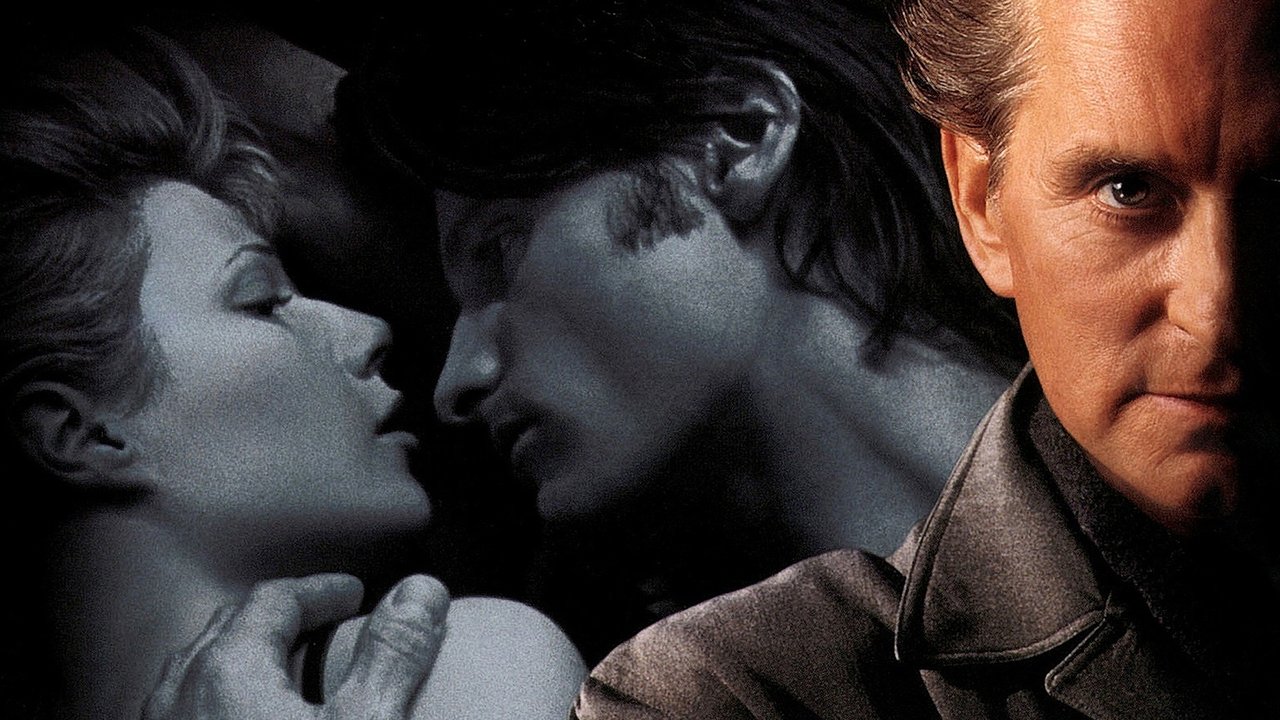
Rating: 7/10
This score reflects a slickly produced, well-acted thriller that delivers satisfying intrigue and atmosphere. Douglas is chillingly effective, and the dynamic between the three leads keeps you engaged. While it doesn't quite reach the heights of suspense or psychological depth it sometimes aims for, and can't entirely escape the shadow of Dial M for Murder, it stands as a strong example of the glossy, adult-oriented thrillers that were a staple of the late VHS era. It does exactly what it sets out to do, and does it with considerable style.
It leaves you pondering the chilling ease with which civility can mask brutality, especially when vast sums of money are involved. What lingers most isn't just the plot twists, but the cold click of Michael Douglas's voice sealing a deadly deal – a perfect echo of a decade fascinated by the darkness lurking beneath the shine.