It's almost impossible to think of Flashdance without hearing it first. That insistent synthesizer beat, Irene Cara's soaring vocals declaring "What a Feeling" – the sound was the film, wasn't it? Released in 1983, it wasn't just a movie; it felt like an event, a cultural moment beamed directly into our living rooms via those chunky VHS tapes. Dismissed by many critics at the time, its unexpected, phenomenal success speaks volumes about how it connected with audiences, tapping into something aspirational and visually arresting that resonated far beyond its simple narrative. Rewatching it now, nestled comfortably away from the glare of its initial hype, offers a fascinating glimpse into the era and the curious alchemy that turns a film into a phenomenon.
Steel Town Dreams, Music Video Shine
At its heart, Flashdance is a fairy tale set against the unlikely backdrop of industrial Pittsburgh. We follow Alexandra "Alex" Owens (Jennifer Beals), a fiercely independent young woman working as a welder by day and an exotic dancer by night, harboring dreams of joining a prestigious ballet conservatory. Her world is one of grime and sparks, juxtaposed with the sweat-drenched, strobe-lit energy of Mawby's Bar. Director Adrian Lyne, who would later bring his distinct visual flair to films like Fatal Attraction (1987) and 9½ Weeks (1986), essentially directs Flashdance like a series of extended music videos. Plot often takes a backseat to mood, montage, and movement. The narrative, penned by Thomas Hedley Jr. and Joe Eszterhas (an odd pairing on paper!), is undeniably thin – girl wants dream, meets older, wealthy man (Michael Nouri as Nick Hurley, her boss), faces obstacles, gets improbable chance. And yet... it works, largely because it commits so fully to its aesthetic.
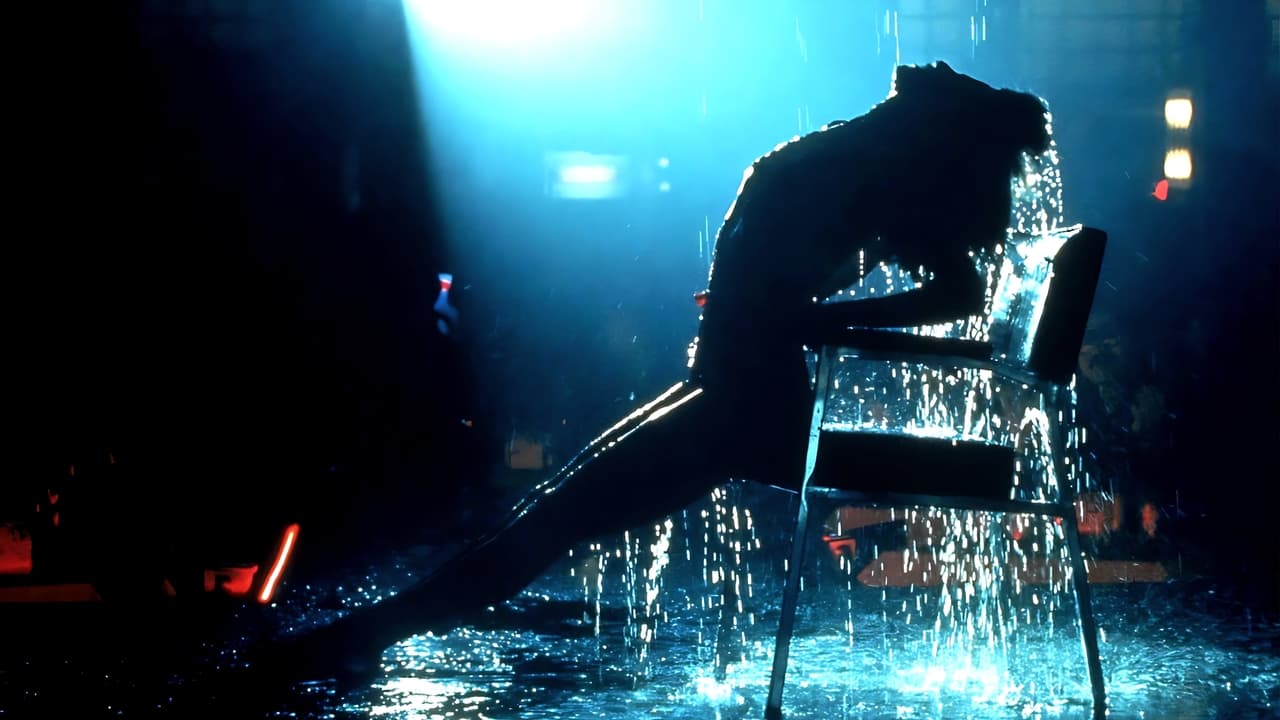
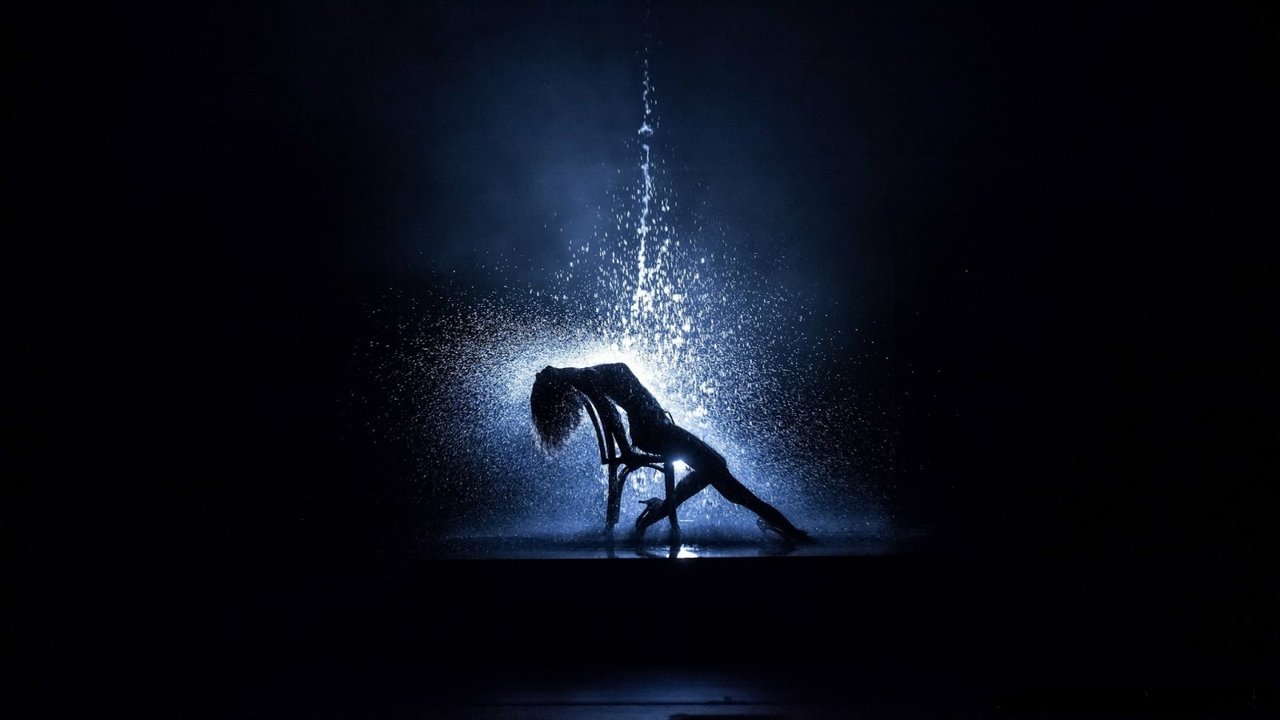
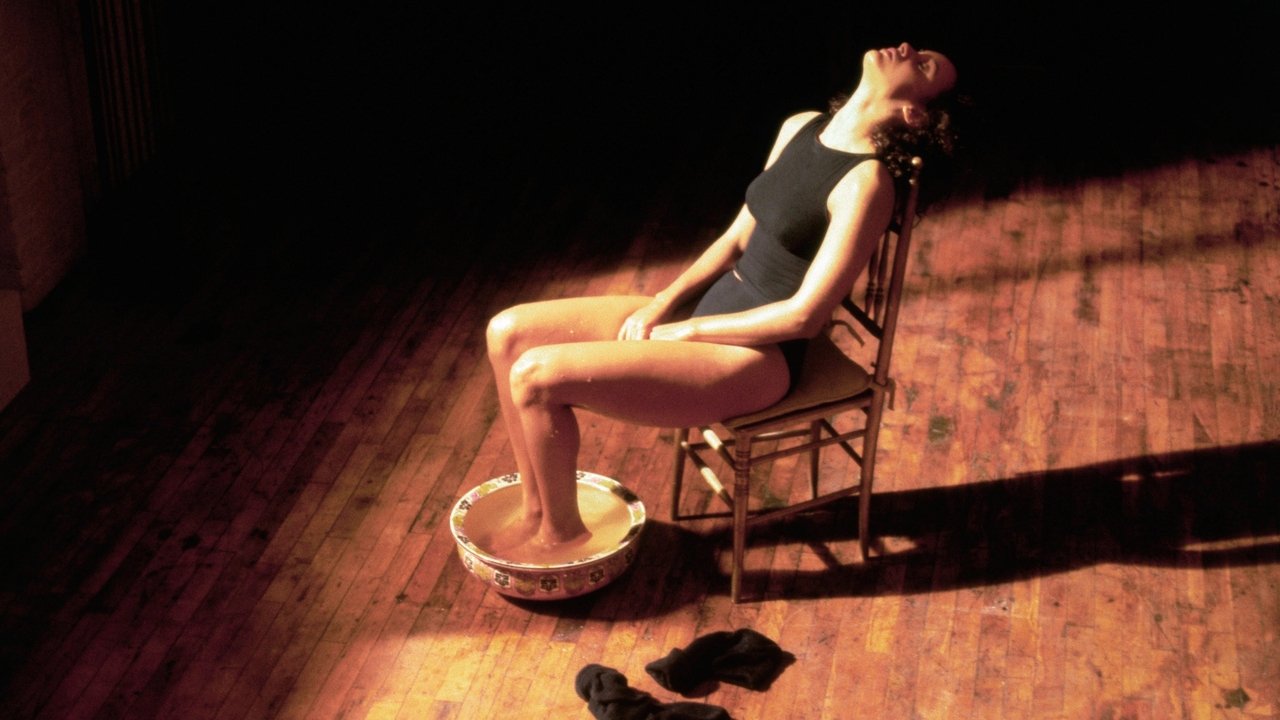
Lyne, aided by Donald Peterman's cinematography, crafts visuals that are pure 80s gloss, even amidst the grit. Steam, silhouettes, neon, rain-slicked streets – it's a highly stylized look that prioritizes sensation over realism. Remember those welding scenes? Almost balletic in their presentation. And the dance sequences, particularly Alex's solo routines at Mawby's, are electrifying, less about traditional choreography and more about raw, explosive energy. This visual language, perfectly synchronized with Giorgio Moroder's iconic, synth-heavy score, created an experience that felt incredibly fresh and modern back then. It bypassed intellectual engagement and went straight for the gut, a sensory overload that proved wildly effective.
The Beals Factor (and the Doubling Debate)
Central to the film's enduring appeal is the captivating presence of Jennifer Beals. Just 19 and a Yale student when cast, she radiates a compelling mix of vulnerability and steely determination. Her expressive eyes convey Alex's longing and frustration, grounding the film even when the plot drifts into fantasy. She looks the part, embodies the struggle and the dream.
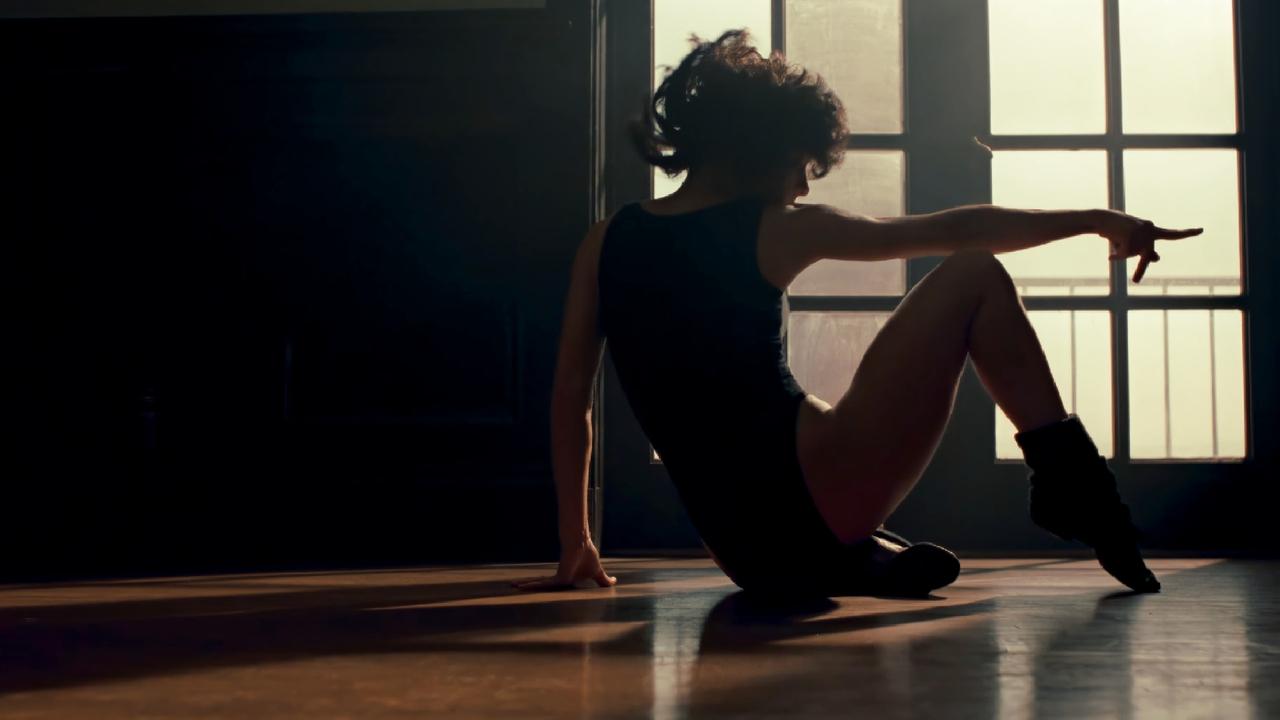
Of course, it's impossible to discuss Flashdance without acknowledging the use of dance doubles, primarily the uncredited (at the time) French dancer Marine Jahan for the more complex routines, along with gymnast Sharon Shapiro and even breakdancer Richard Colón ("Crazy Legs") for specific moves. This became something of a controversy after the film's release. While knowing this undeniably shifts perspective, it doesn't entirely negate Beals' contribution. Her physical performance in the non-dancing scenes and her sheer screen charisma remain potent. The final audition scene, a whirlwind of ballet, gymnastics, and breakdancing, is pure cinematic wish fulfillment, and regardless of who is doing what precise move, the feeling it generates – that explosion of pent-up passion – is what lodged itself in the audience's memory. Supporting players like the wonderful Lilia Skala as Hanna Long, Alex's aging dancer mentor, add necessary warmth and emotional grounding.
Retro Fun Facts: More Than Meets the Eye
- The film's journey was unconventional. Joe Eszterhas reportedly received a hefty sum for his initial draft, which was then heavily rewritten by Hedley Jr., leading to shared credit.
- Despite critical panning (Roger Ebert famously called it "a series of music videos strung together by the thinnest possible plot threads"), Flashdance became a box office juggernaut. Made for around $7 million, it grossed over $200 million worldwide – that's like spending $21.5 million today to make over $618 million! It defied expectations spectacularly.
- The iconic off-the-shoulder sweatshirt look? Reportedly an accident! Jennifer Beals apparently shrunk a favorite sweatshirt in the wash and cut the collar out to make it fit, creating an instant fashion trend.
- The soundtrack was colossal, spawning massive hits like Cara's Oscar-winning "Flashdance... What a Feeling" and Michael Sembello's "Maniac" (originally written for the 1980 horror film Maniac before being repurposed!). It won a Grammy for Best Album of Original Score Written for a Motion Picture or Television Special.
Legacy of Sweat and Synthesizers
Watching Flashdance today is like opening a time capsule. The fashion, the music, the earnest belief in chasing your dreams against the odds – it's all intensely of its era. The plot mechanics feel even more convenient now, and the relationship between Alex and the significantly older Nick might raise more eyebrows. But the film's core appeal – its visual energy, its killer soundtrack, and the sheer force of Alex's ambition (personified so well by Beals, regardless of the dancing specifics) – remains surprisingly intact. It’s a film powered by emotion rather than logic, a cinematic rush that bypassed the brain and aimed straight for the heart (and the feet).
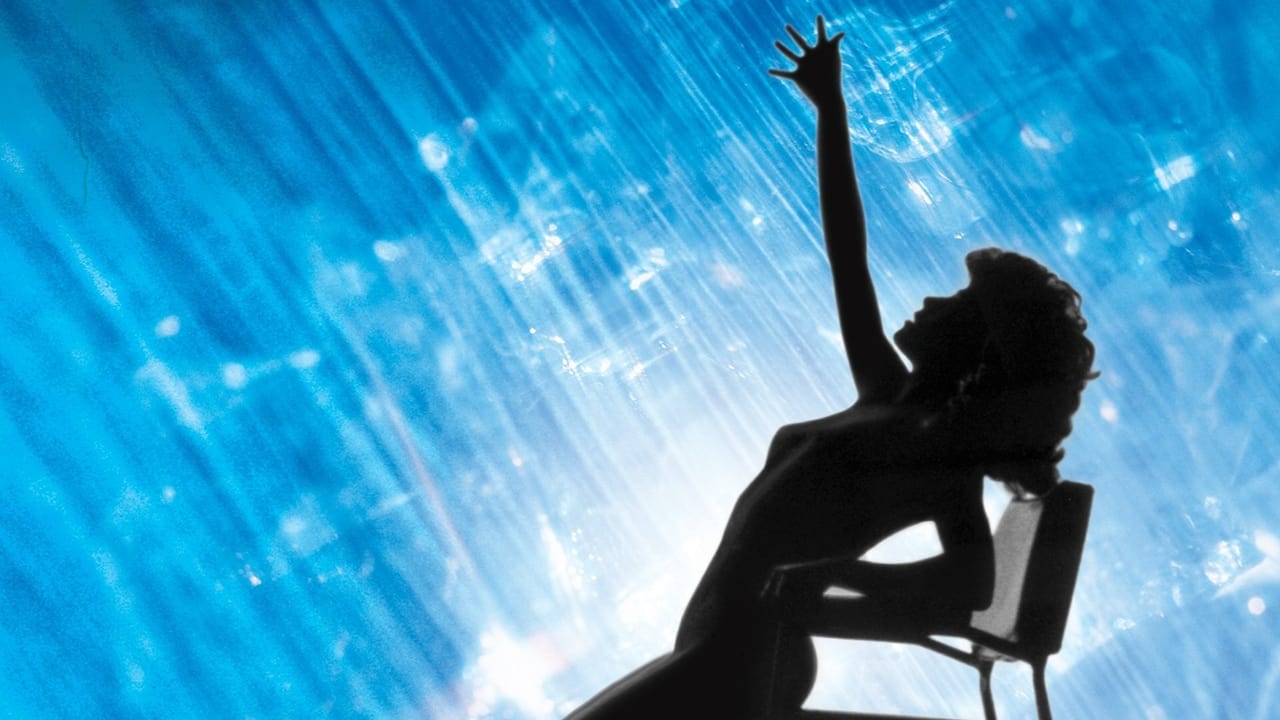
It reminds me of finding that worn-out VHS copy at the back of the rental store shelf, the cover promising pure energy and escape. Did it offer profound insights into the human condition? Not really. But did it make you feel like maybe, just maybe, you could leap towards your own aspirations, soundtracked by Giorgio Moroder? Absolutely.
Rating: 7/10
This rating reflects the film's undeniable cultural impact, its iconic soundtrack and visuals, and Jennifer Beals's star-making presence. It’s docked points for the thin plot and the somewhat obscured reality of the dance sequences, but its power as an 80s cultural touchstone and pure cinematic energy boost is undeniable. Flashdance isn't high art, but it's high-octane nostalgia, a film that proves sometimes, what you feel matters more than what you think. It leaves you not with deep questions, perhaps, but with a beat in your step and maybe, just maybe, the urge to cut the neck out of an old sweatshirt.