It starts with a lie, presented as starkly as the endless white landscape that follows: "This is a true story." That simple, declarative text opening Joel and Ethan Coen's 1996 masterpiece, Fargo, immediately sets a peculiar tone. It's a playful bit of misdirection, of course – the brothers later admitted the plot was entirely fictional, though perhaps inspired by the spirit of certain regional crimes. But that opening, viewed on a flickering CRT back in the day after popping the tape in the VCR, it primed you for something... different. And different is precisely what Fargo delivered, etching itself into the cinematic consciousness in a way few films manage.
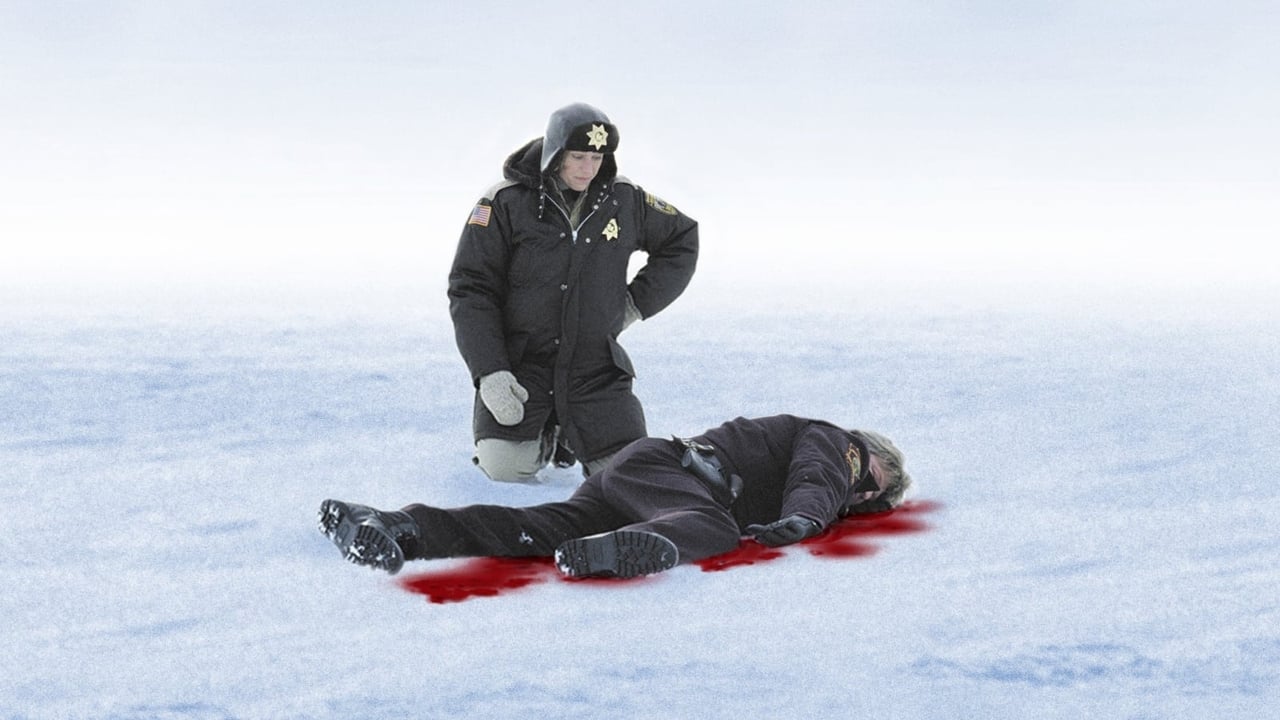
A Landscape of Quiet Desperation
The snow isn't just scenery in Fargo; it feels like a character, vast and indifferent, swallowing sound and secrets. Against this backdrop of blinding white and muted Midwestern tones, we meet Jerry Lundegaard, played with agonizing perfection by William H. Macy. Jerry, a car salesman drowning in debt and simmering resentment, cooks up a scheme so poorly conceived it feels almost tragically inevitable: hire two criminals to kidnap his own wife, Jean (Kristin Rudrüd), so he can extort the ransom from his wealthy, domineering father-in-law, Wade (Harve Presnell). Macy embodies Jerry's desperation so completely – the forced smiles, the stammering negotiations, the sheer sweaty panic barely concealed beneath a veneer of Minnesotan politeness. It's a masterclass in portraying weakness spiraling into chaos. Apparently, Macy was so keen on the role, fearing it might go to a bigger star, he reportedly flew to New York and jokingly told the Coens, "I'm afraid you're going to screw up your movie by casting someone else," essentially refusing to leave until they gave him the part. His persistence paid off, creating one of the era's most indelible portraits of pathetic criminality.
The Unlikely Professionals
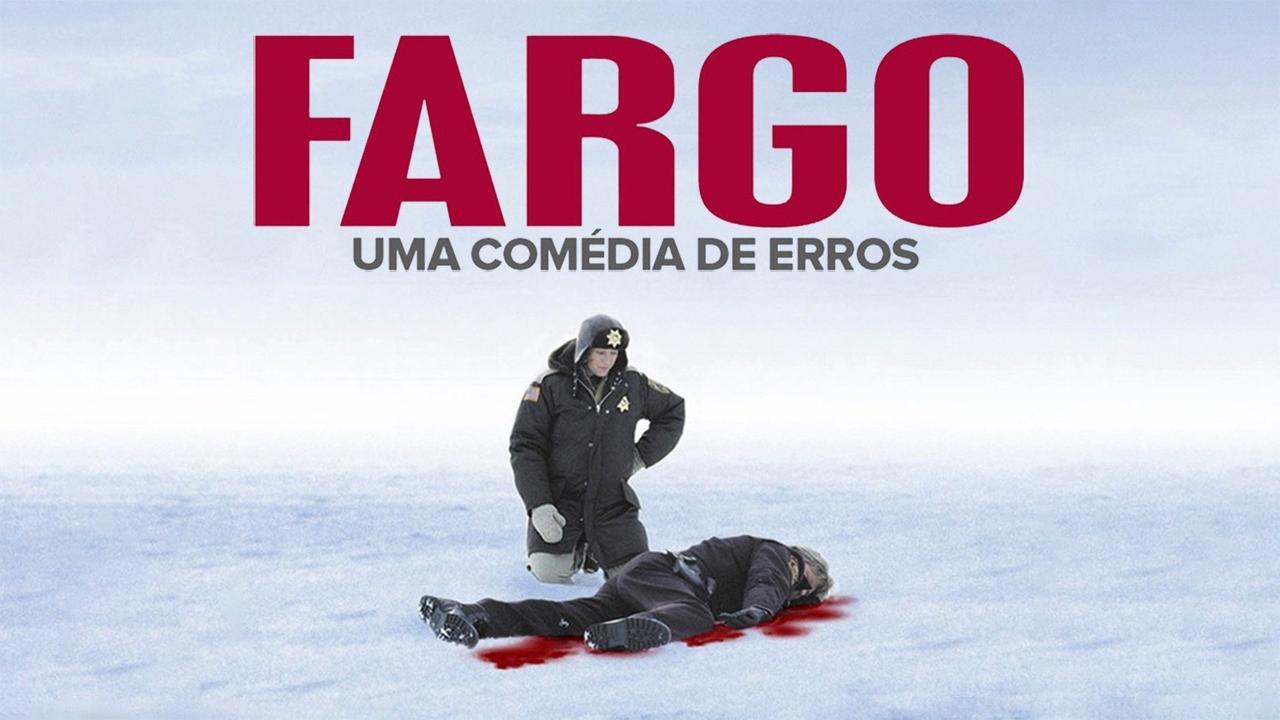
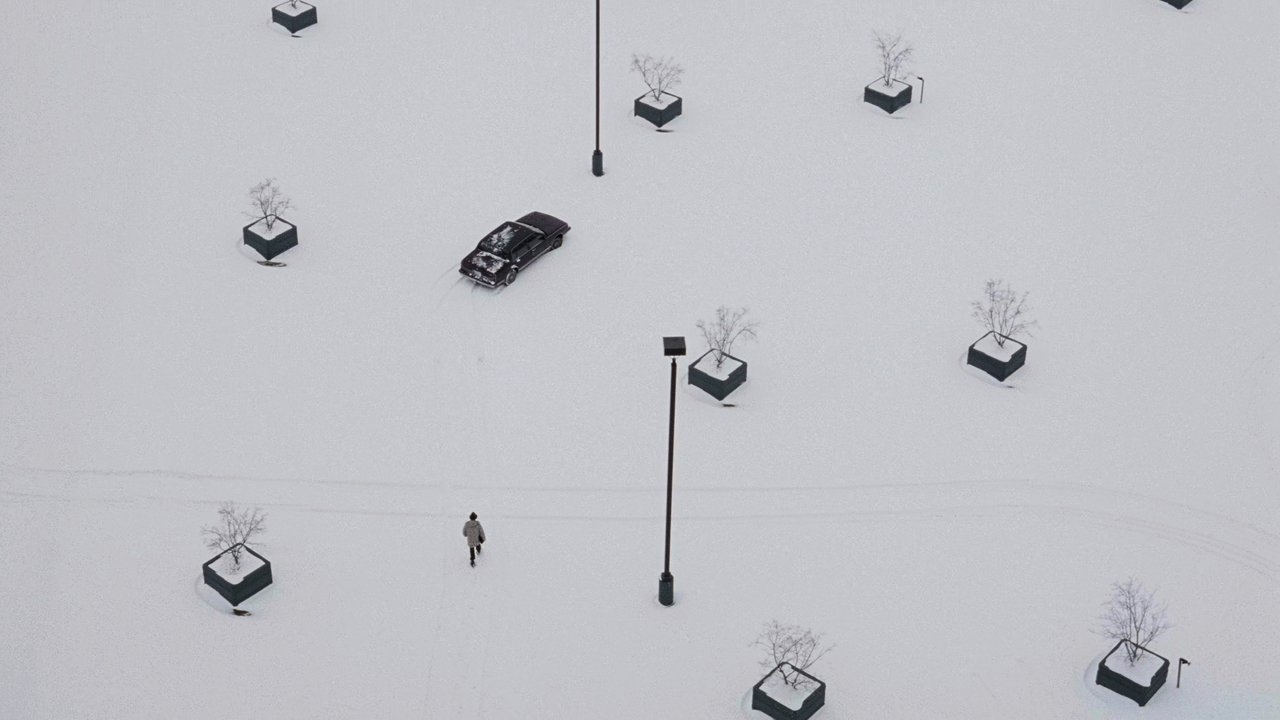
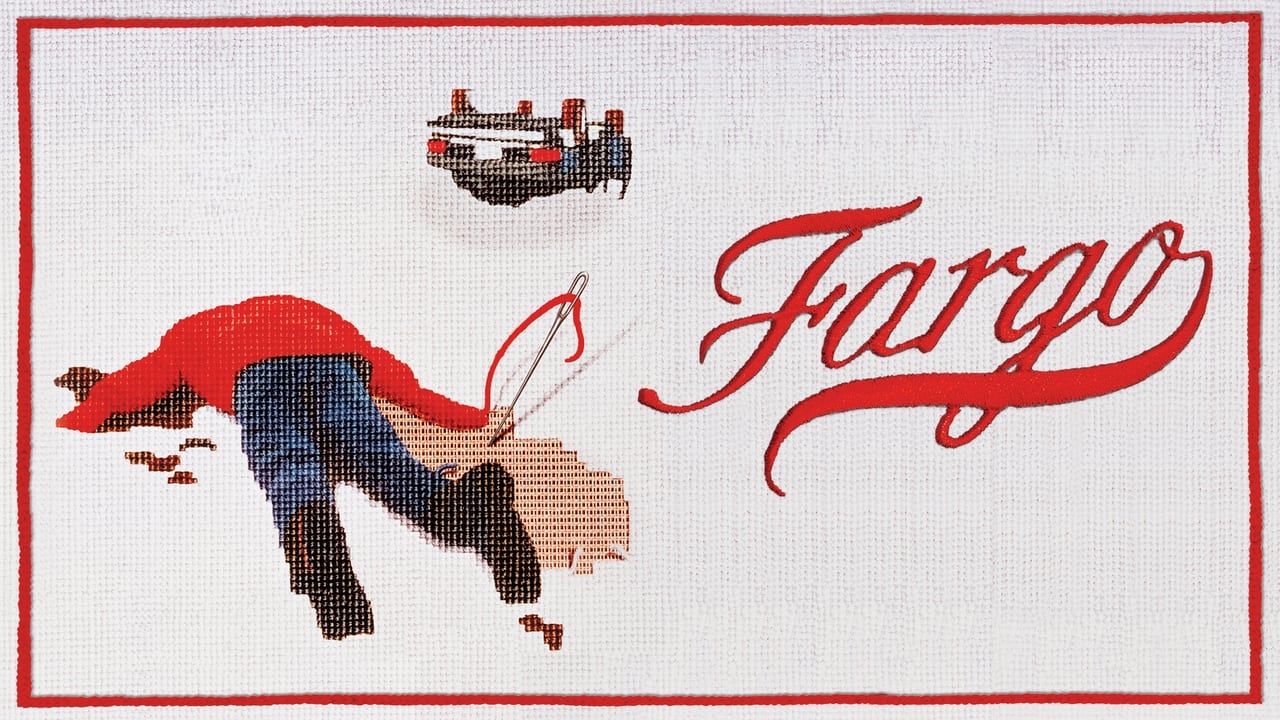
Jerry's chosen instruments of chaos are Carl Showalter (Steve Buscemi) and Gaear Grimsrud (Peter Stormare). Buscemi, a frequent Coen collaborator even then, crackles with nervous energy and misplaced arrogance as Carl, the talkative, slightly more organized (if utterly inept) half of the duo. Stormare’s Gaear is his chilling opposite: taciturn, primal, and unsettlingly calm, even amidst brutal violence. Their dynamic – Carl’s constant chatter grating against Gaear’s monosyllabic menace – provides much of the film's darkly comic friction. Their shared tan Cutlass Ciera, by the way, wasn't just any car; the Coens specifically chose that make and model, a ubiquitous sight in the Midwest at the time, to further enhance the film's grounded, almost mundane feel amidst the escalating horror. Their journey through the frozen landscape is a masterclass in escalating blunders, where petty arguments and shocking violence bleed together seamlessly.
Enter Marge Gunderson
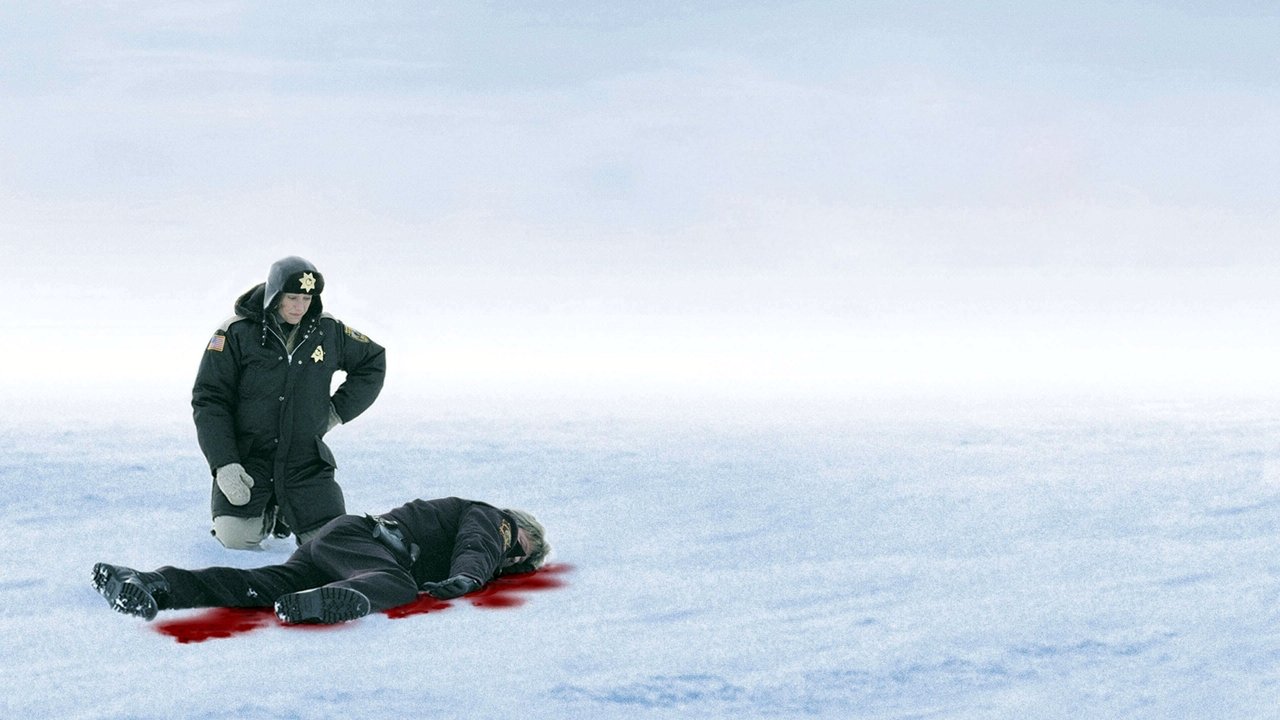
And then, amidst the spiraling disaster, arrives Brainerd Police Chief Marge Gunderson. Played by Frances McDormand in a performance that rightfully earned her an Academy Award (one of two Oscars the film won, the other being for Best Original Screenplay), Marge is the film's moral center and perhaps its most radical element. Heavily pregnant, unfailingly polite ("You betcha!"), yet possessing a sharp, methodical mind, she cuts through the obfuscation and violence with a calm competence that feels both deeply reassuring and quietly heroic. McDormand, who is married to director Joel Coen, imbues Marge with such warmth and authenticity; she’s not a slick movie detective, but a real person navigating extraordinary ugliness with common sense and decency. Her simple observations often carry profound weight, particularly her bewildered assessment late in the film about the senselessness of the violence: "And for what? For a little bit of money." It's a question that hangs heavy in the frigid air. The unique regional dialect, often affectionately parodied, was meticulously coached, adding another layer of authenticity to the performances and the film's distinct sense of place.
The Coen Touch
Fargo is quintessential Coen Brothers. Their control over tone is remarkable, shifting from absurdist humor to stomach-churning violence, sometimes within the same scene, without ever feeling jarring. The dialogue is sharp, distinctive, and often hilarious in its understatement. Visually, working with legendary cinematographer Roger Deakins (a collaboration that continues to this day), they capture the stark, desolate beauty of the winter landscape, using the oppressive white to emphasize the isolation and the sudden bursts of red when violence erupts. Filming reportedly faced challenges finding enough snow during an unusually mild Minnesota winter, forcing production to shift locations further north to capture the necessary bleakness. This meticulous attention to detail, from the period-perfect production design to Carter Burwell's evocative, melancholic score, creates a world that feels utterly specific and lived-in. The film was a significant indie hit, made for a modest $7 million (around $13.5 million today) and grossing over $60 million worldwide (roughly $115 million today), cementing the Coens' status as major American filmmakers after earlier successes like Raising Arizona (1987) and Miller's Crossing (1990).
Enduring Chill
What stays with you after Fargo fades to black? It’s the chill, certainly – both literal and figurative. It's the unsettling feeling of mundane life colliding violently with desperate acts. It’s the image of Marge Gunderson, a beacon of warmth and competence in a landscape of cold and chaos. It's the lingering question about the dark, foolish impulses that can drive ordinary people to extraordinary cruelty. The film’s blend of crime thriller, character study, and pitch-black comedy felt bracingly original in 1996, influencing countless films and even spawning a critically acclaimed television series years later that captures its unique spirit. Watching it again on VHS, that slightly fuzzy image somehow seemed to enhance the film’s grainy realism, its sense of being a strange, snow-dusted artifact dug up from a chillingly familiar place.
Rating: 9.5/10
This rating reflects the film's near-perfect execution. The Coens' masterful control of tone, the unforgettable performances (especially McDormand and Macy), the sharp writing, and Deakins' stark cinematography combine to create a truly unique and enduring piece of American cinema. It flawlessly blends dark comedy with chilling violence and profound observations about human nature, making it a standout not just of the 90s, but of all time. The slight deduction acknowledges that its deliberate pacing and bleakness might not connect with absolutely everyone, but its artistry is undeniable.
Fargo remains a haunting journey into the frozen heart of desperation, a reminder that sometimes the most chilling stories are told with a polite smile and a cup of coffee, just before everything goes terribly, terribly wrong. Yah.