## The Weight of Knowing
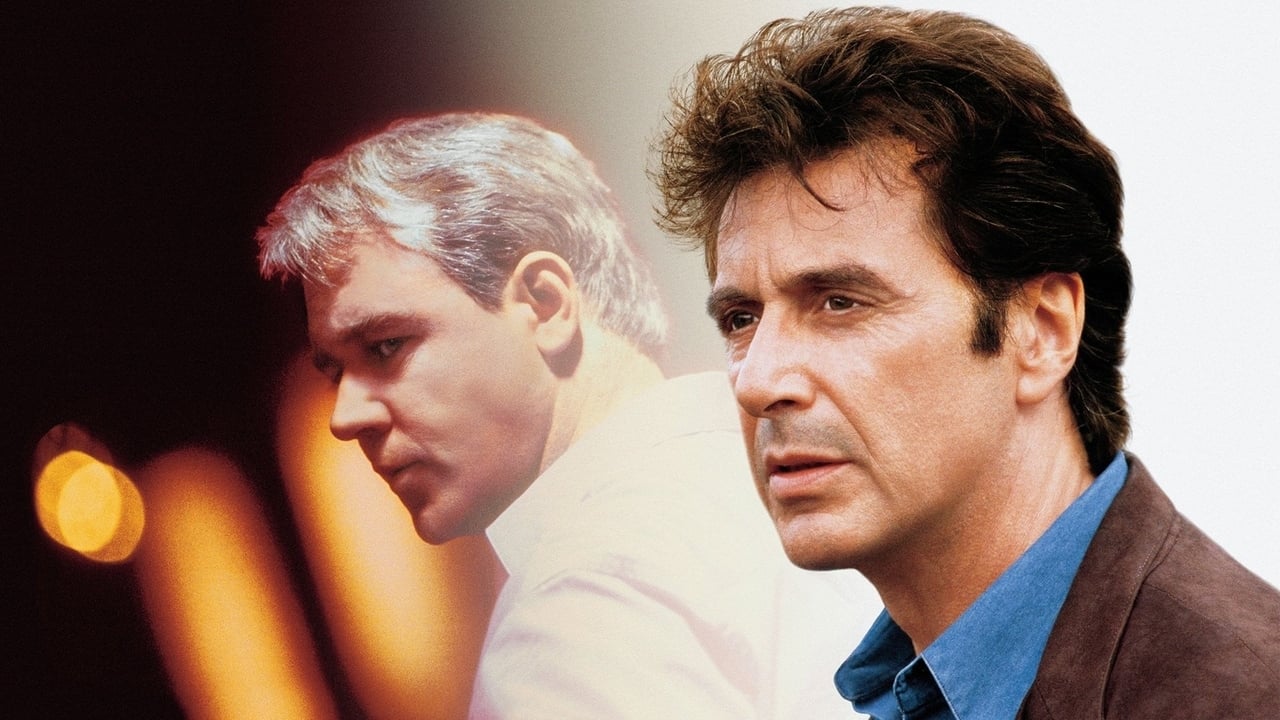
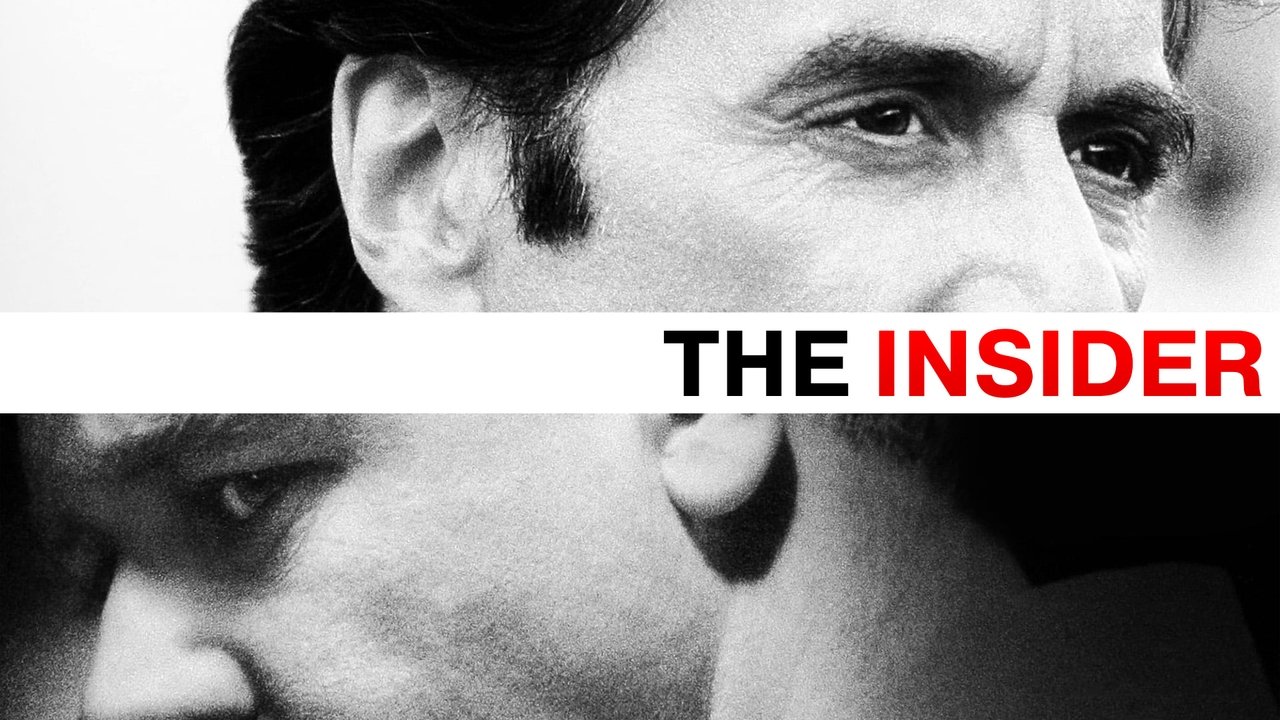
There's a particular kind of quiet dread that settles over Michael Mann's The Insider, a feeling that lingers long after the credits roll. It isn't the explosive tension of his crime thrillers like Heat (1995), but something more insidious, the slow, suffocating pressure of truth colliding with immense corporate power. Watching it again, decades after its 1999 release, that feeling hasn't dissipated; if anything, the film's exploration of media ethics, corporate malfeasance, and personal sacrifice feels sharper, more resonant than ever. It’s the kind of film that, even on a fuzzy rental VHS back in the day, commanded your full attention, demanding you grapple with the impossible choices its characters face.
Under Pressure
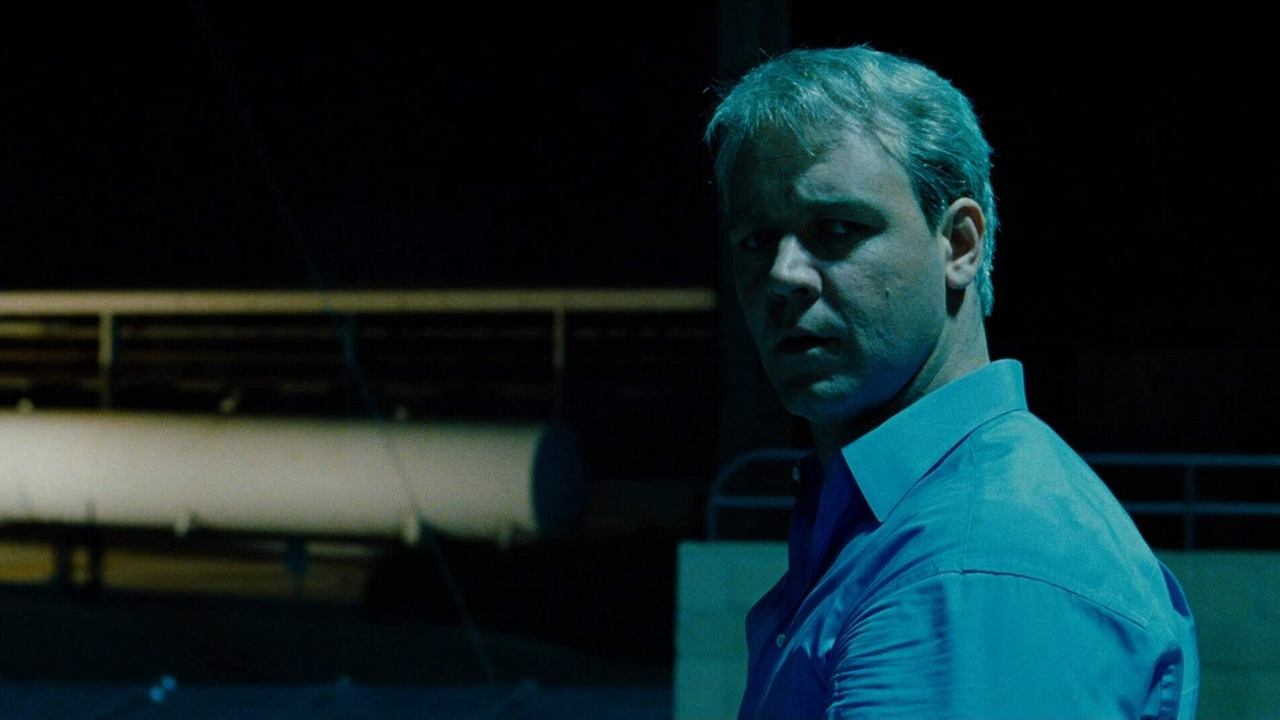
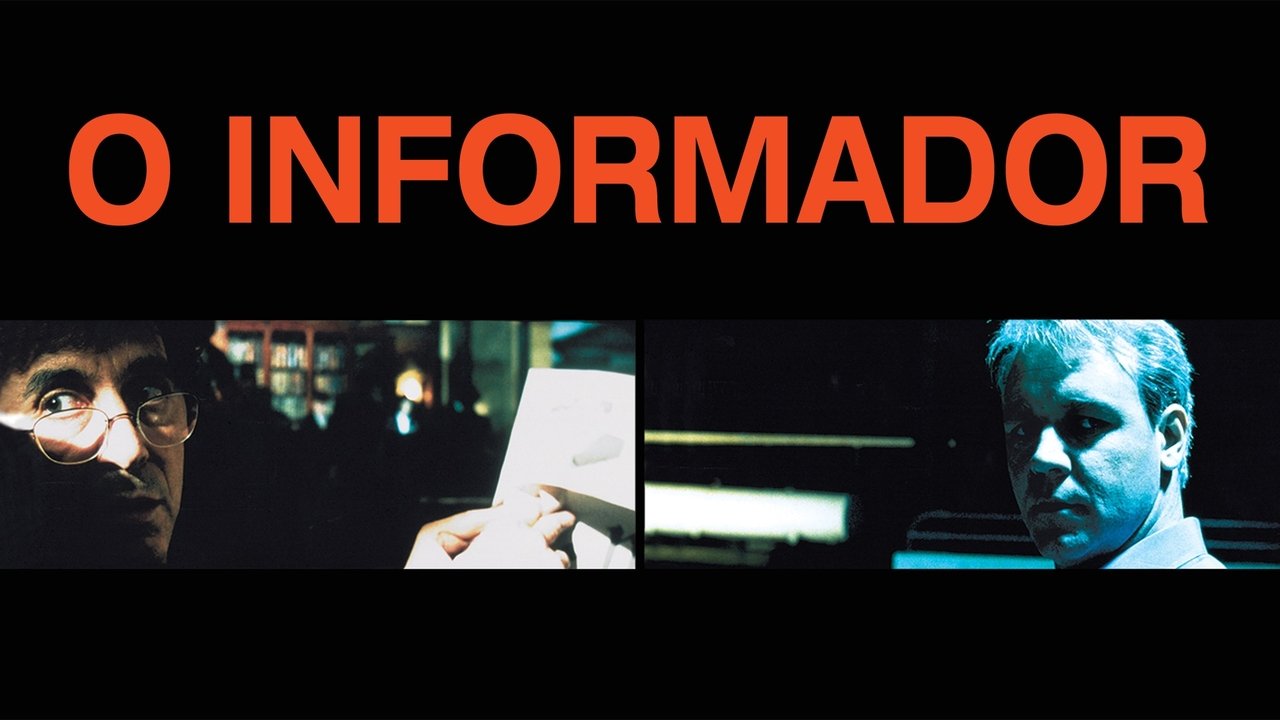
Based on the true story of Jeffrey Wigand, a former tobacco industry executive who decided to blow the whistle on Big Tobacco's deliberate manipulation of nicotine, The Insider plunges us into a world of non-disclosure agreements, veiled threats, and the crushing weight of consequence. Russell Crowe, in a performance that arguably launched him into the stratosphere, embodies Wigand not as a clear-cut hero, but as a complicated, flawed man pushed to his absolute limit. Crowe gained around 35 pounds for the role, altering his hairline and posture to capture Wigand's middle-aged anxiety and coiled tension. It's a masterful portrayal of internal struggle – the fear, the paranoia, the bursts of righteous anger, and the profound isolation of knowing a terrible truth. You see the pressure physically manifesting in his slumped shoulders and haunted eyes.
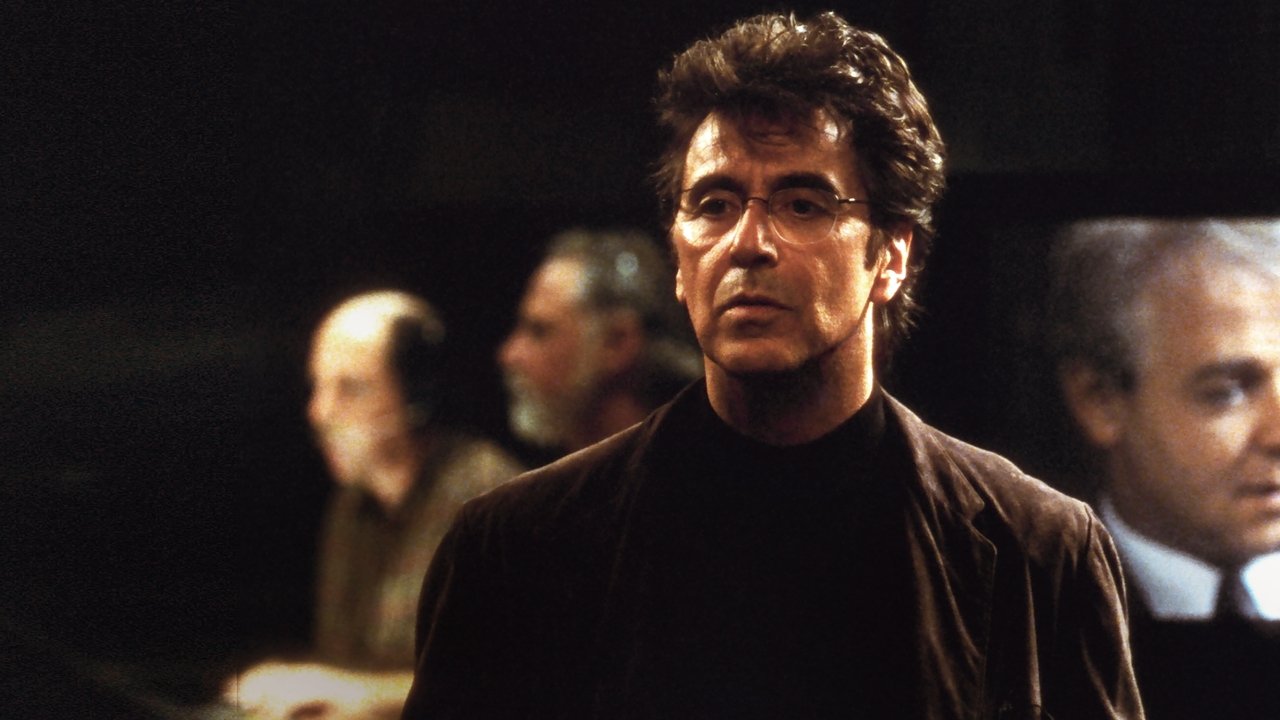
Opposite Crowe is Al Pacino as Lowell Bergman, the tenacious producer for CBS's 60 Minutes. Pacino, shedding some of the louder mannerisms he’d adopted in the 90s, delivers a performance crackling with driven energy and journalistic integrity. He’s the catalyst, the one who convinces Wigand to speak, but also the one who finds himself battling his own network when corporate interests threaten to bury the story. The dynamic between Crowe's implosive anxiety and Pacino's relentless pursuit forms the film's compelling core. Their phone conversations, often shot with Mann’s signature intensity and shallow focus, become gripping confrontations, laden with unspoken fears and fragile trust.
Mann's Methodical Tension
Michael Mann, working from a script co-written with Eric Roth (who penned Forrest Gump), directs with meticulous control. His distinct visual style – the cool blue palettes, the precise framing, the way he captures the sterile environments of corporate offices and legal depositions – perfectly enhances the film's atmosphere of paranoia and encroaching danger. There’s a palpable sense of being watched, of conversations overheard. Mann doesn't rush; the film's deliberate pace (clocking in at over two and a half hours) allows the tension to build incrementally, immersing the viewer in the complex legal and ethical battles. This wasn't your typical late-90s popcorn flick; it felt dense, adult, demanding.
Supporting players shine, particularly Christopher Plummer as the legendary 60 Minutes correspondent Mike Wallace. Plummer captures Wallace's gravitas, his interviewing prowess, but also the difficult position he finds himself in when CBS caves to corporate pressure. It’s a nuanced performance that adds another layer to the film’s exploration of media responsibility. The real Wigand and Bergman served as consultants, lending an authenticity that permeates the film, grounding the drama even amidst Mann’s stylized direction. You feel the truth of the situation, the immense personal and professional stakes involved.
Retro Fun Facts: More Than Just Smoke and Mirrors
The journey of The Insider to the screen was fraught with its own pressures. Disney's Touchstone Pictures faced potential lawsuits and considerable heat for backing a film that took direct aim at the powerful tobacco industry. It's fascinating to consider that context now – a major studio releasing such a potent piece of corporate critique. Despite critical acclaim and seven Academy Award nominations (including Best Picture, Director, Actor for Crowe, and Adapted Screenplay), the film wasn't a massive box office success, grossing around $60 million worldwide against a reported budget closer to $90 million. Perhaps its demanding nature and challenging subject matter kept some audiences away, which is a shame, as it remains one of the most intelligent and gripping thrillers of the decade. The source material, Marie Brenner's Vanity Fair article "The Man Who Knew Too Much," provides the factual backbone, but Mann and Roth elevated it into a powerful cinematic examination of conscience.
The Lingering Question
The Insider isn't just a historical recounting; it's a film that forces uncomfortable questions. What is the price of truth? How far should one go to expose wrongdoing, especially when it jeopardizes personal safety and family stability? Doesn't the tension between journalistic integrity and corporate influence feel startlingly familiar today? These aren't easy questions, and the film offers no simple answers. It portrays the messy, often devastating reality of whistleblowing, the collateral damage, and the immense courage required to speak out.
Even remembering the slight hum of the VCR and the scan lines on the CRT, the power of Crowe's performance and the chilling effectiveness of Mann's direction remain undiminished. It’s a film that respects its audience's intelligence, trusting them to navigate the moral complexities alongside Bergman and Wigand.
Rating: 9/10
This near-masterpiece earns its score through powerhouse performances, particularly from Russell Crowe in a transformative role, Michael Mann's masterful creation of atmosphere and tension, and its unflinching exploration of profoundly relevant themes. Its deliberate pacing and complexity are part of its strength, demanding engagement and rewarding it with a deeply resonant cinematic experience.
The Insider stays with you, a stark reminder of the weight of knowledge and the often-painful cost of telling the truth in a world where power rarely yields willingly.