Okay, let's dim the lights, imagine the satisfying clunk of the VCR engaging, and settle in. Tonight’s feature from the shelves of "VHS Heaven" is 1996's City Hall, a film that arrived with considerable pedigree and aimed squarely at the kind of serious, adult-oriented drama that felt more common on video store shelves back then. It’s a film that wrestles with big themes – ambition, loyalty, corruption, the very soul of a metropolis – and leaves you pondering the grey spaces where power resides long after the tape has rewound.
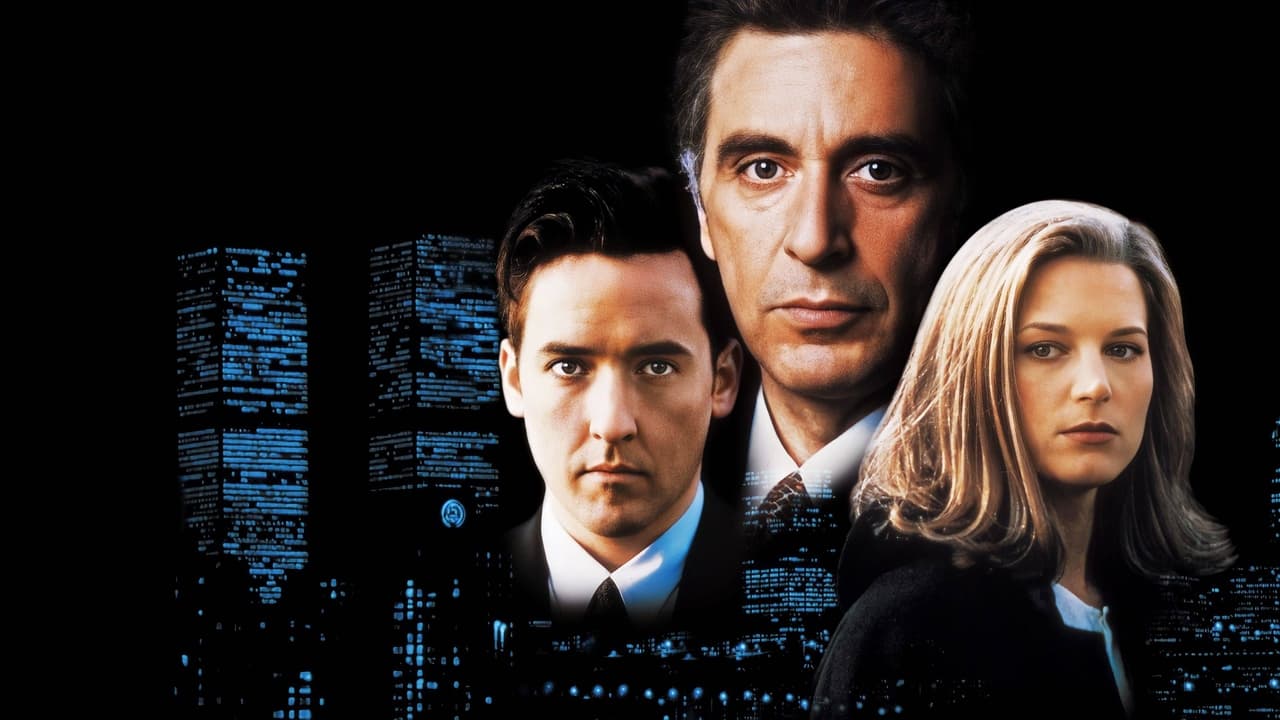
What lingers most, perhaps, isn't a specific plot point, but the pervasive atmosphere director Harold Becker conjures. Known for taut thrillers like Sea of Love (1989), Becker paints a New York City that's both grand and grimy, a place of towering ambition and shadowy backrooms. The film opens with a stray bullet, a tragic street shootout involving a cop, a mobster’s connected nephew, and an innocent child. This single, violent act becomes the loose thread that Deputy Mayor Kevin Calhoun, played with earnest intensity by John Cusack, starts pulling, threatening to unravel the carefully woven fabric of Mayor John Pappas's administration.
The Weight of the Crown
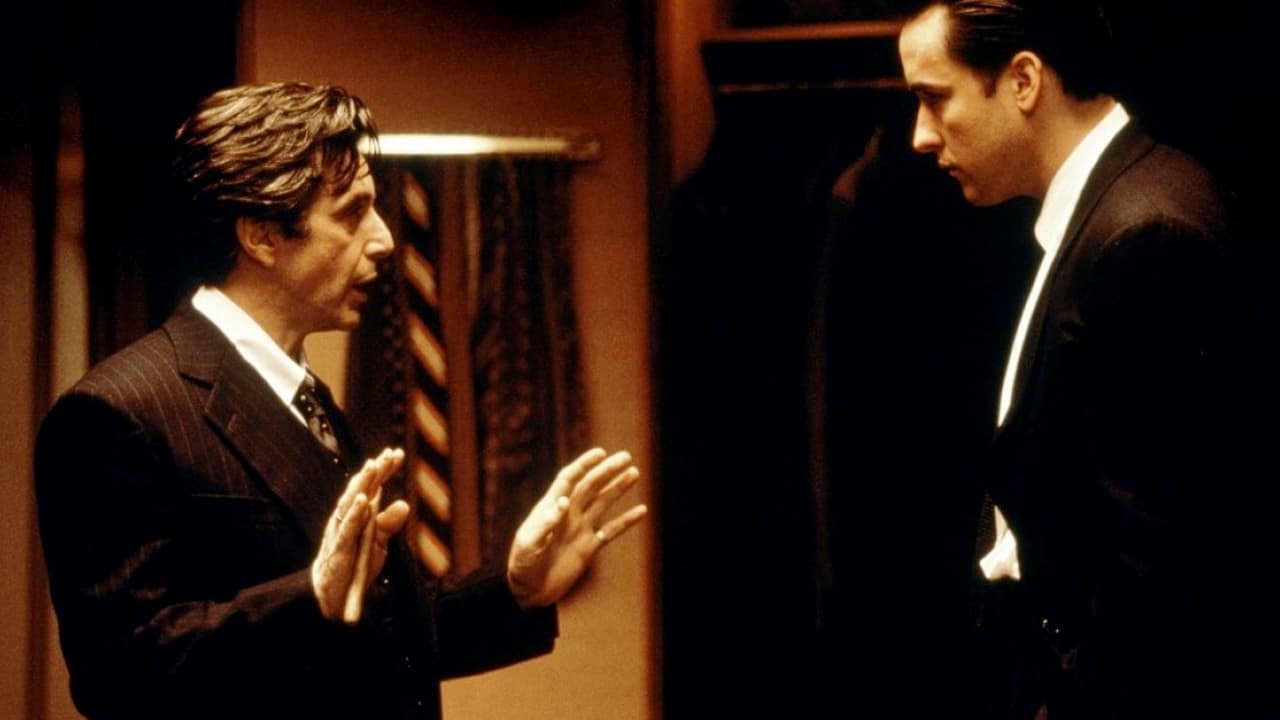
At the heart of City Hall lies the complex relationship between Cusack's Calhoun and Al Pacino's Mayor Pappas. Pacino, reteaming with writer Bo Goldman who penned his Oscar-winning role in Scent of a Woman (1992), embodies Pappas with a captivating blend of charisma, political savvy, and simmering righteousness. He's the kind of larger-than-life figure who seems to carry the weight of the entire city on his shoulders, delivering pronouncements with Shakespearean gravity. Is he a fundamentally good man forced into compromises, or is his idealism merely a sophisticated veneer? Pacino makes you believe in the magnetism that drew Calhoun into his orbit, the idealistic belief in Pappas as a force for good.
Cusack, meanwhile, provides the film's moral compass. He's sharp, driven, and initially fiercely loyal. Watching his dawning realization that the corridors of power might be paved with more than good intentions is where the film finds its dramatic footing. Cusack excels at conveying that slow burn of disillusionment, the conflict etched on his face as loyalty wars with integrity. It’s a grounded performance that anchors Pacino’s more theatrical flourishes. Remember, Cusack was already a familiar face from 80s classics like Say Anything... (1989), but here he steps confidently into a more mature, complex role, holding his own against a cinematic titan.
Beneath the Surface
The investigation itself, spearheaded by Calhoun with cautious assistance from lawyer Marybeth Cogan (Bridget Fonda), delves into the murky connections between politics, policing, the justice system, and organized crime. Fonda, always a welcome presence in 90s film, does her best with a somewhat underwritten role, serving more as a sounding board and potential romantic interest for Calhoun than a fully fleshed-out character. The real meat lies in the political machinations and the supporting players, like the ever-reliable Danny Aiello as a borough president steeped in old-school patronage, and the dignified Martin Landau as a judge wrestling with past decisions.

One fascinating aspect is the script's lineage. The initial story came from Ken Lipper, himself a former deputy mayor under NYC's Ed Koch, lending a palpable sense of authenticity to the procedural details and the political maneuvering. But the credited screenplay boasts heavyweights like Paul Schrader (Taxi Driver, Raging Bull), Nicholas Pileggi (Goodfellas), and the aforementioned Bo Goldman (One Flew Over the Cuckoo's Nest). You can almost feel the different perspectives wrestling within the narrative – Schrader's penchant for moral ambiguity, Pileggi's eye for institutional rot, Goldman's focus on character drama. This high-caliber writing team aimed for something substantial, a modern urban tragedy.
Retro Fun Facts: Building the City
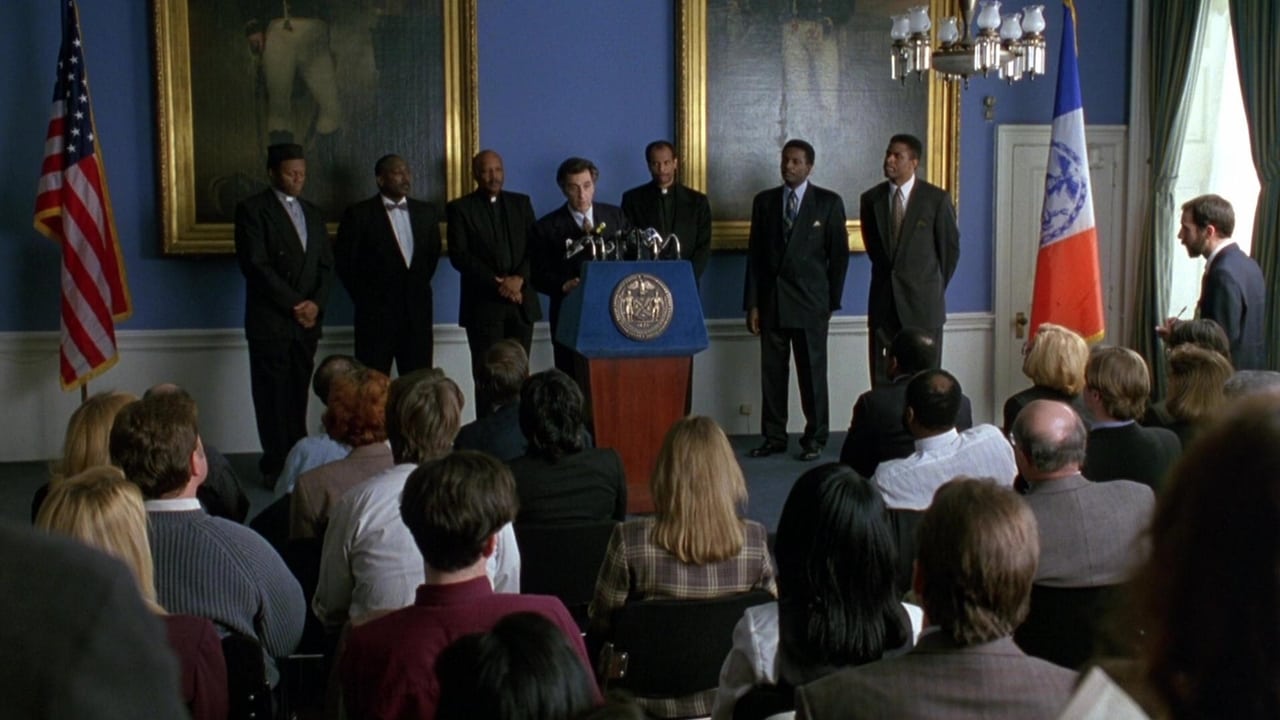
- That authentic feel wasn't just smoke and mirrors. The production secured permission to film inside the actual New York City Hall council chambers, a rare feat adding significant visual credibility. You’re seeing the real halls of power.
- Despite the pedigree and stars, City Hall wasn't a box office smash. On a budget reportedly around $55 million, it pulled in just over $20 million domestically. Perhaps its serious tone and deliberate pacing didn't quite connect with mainstream audiences in '96, making it a prime candidate for rediscovery on VHS for those seeking substance.
- Pacino's eulogy scene for the young boy killed in the crossfire remains a standout, and a point of debate. Is it a tour-de-force display of mayoral grief and oratory skill, or pure Pacino grandstanding? Watching it again now, it feels like a bit of both – undeniably powerful, yet teetering on the edge of excess, perfectly encapsulating the character himself.
Ambition and Flaws
Does City Hall reach the heights of the classic 70s political thrillers it clearly evokes, films like All the President's Men (1976) or the NYC-centric work of Sidney Lumet? Not quite. The plot, while intricate, sometimes feels convoluted, and the resolution might leave some viewers wanting a tidier conclusion. Becker’s direction is assured but perhaps lacks the raw urgency of the genre's best.
Yet, there's so much to appreciate here. The commitment to atmosphere, the stellar performances (especially the central duo), and the willingness to grapple with complex moral questions make it a rewarding watch. It feels like a film made for adults, trusting its audience to engage with nuanced characters and political realities. Pulling this tape off the shelf reminds me of a time when star-driven dramas tackling thorny issues felt like a vital part of the cinematic landscape. It might not be a perfect film, but its ambitions are clear, and its depiction of the seductive, corrosive nature of power still resonates. What does it truly take to govern, and what gets sacrificed along the way? The film doesn't offer easy answers.
Rating: 7/10
This score reflects the film's undeniable strengths – particularly Pacino and Cusack's compelling dynamic, the moody atmosphere, and its intelligent exploration of political morality. It’s docked points for a slightly convoluted plot and an ending that might not fully satisfy, but its ambition and craftsmanship shine through.
Final Thought: City Hall remains a potent reminder that even in the halls of power, the most significant battles are often fought within the human heart. It's a solid, thoughtful thriller well worth revisiting for a taste of mid-90s dramatic filmmaking.