Alright, fellow travelers of the magnetic tape, let's rewind to a time when rebellion often came with a killer soundtrack and dancing wasn't just fun, it was practically a political statement. Settle into your favorite well-worn armchair, maybe imagine the satisfying clunk of a VHS tape sliding into the VCR, because we're heading back to 1984 and the town of Bomont for a look at Footloose.
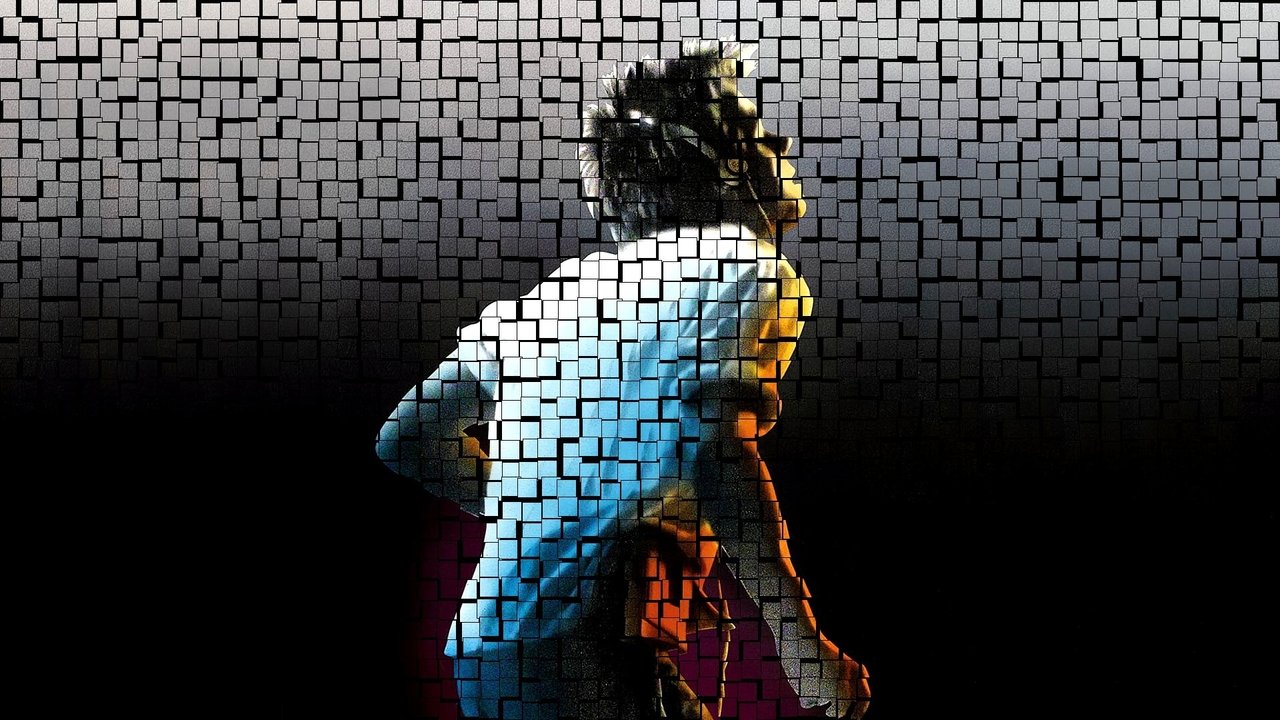
The opening credits alone, those disembodied pairs of feet rocking out to Kenny Loggins' titular anthem, were enough to get pulses racing back in the day. It was an immediate injection of pure, unadulterated energy, a promise of the youthful defiance to come. And Footloose delivered on that promise, bringing us the story of Ren McCormack, a city kid transplanted from Chicago to a small, conservative town where dancing and rock music have been outlawed following a tragic accident. It’s a premise that sounds almost quaint now, perhaps even a little absurd, but director Herbert Ross (Steel Magnolias, The Goodbye Girl) and writer Dean Pitchford tapped into something universal: the teenage yearning for self-expression and the eternal clash between generations.
### Kicking Off Your Sunday Shoes
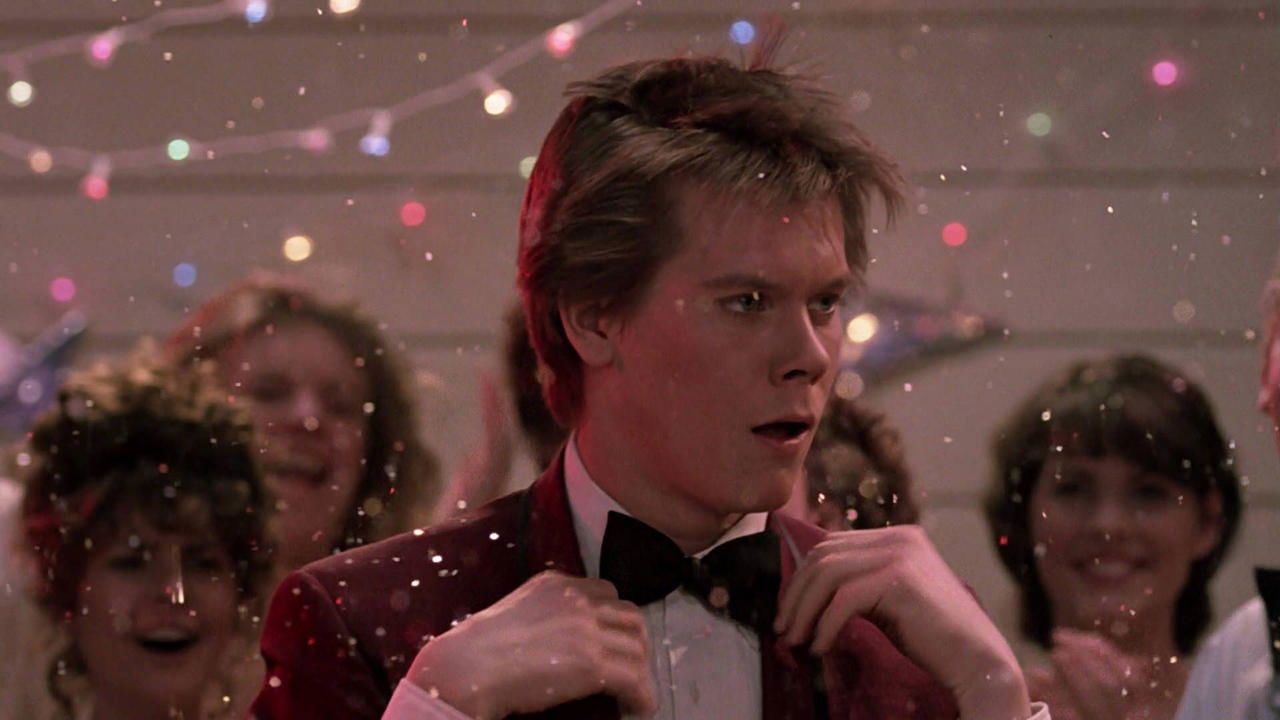
Stepping into Ren's worn-down boots was a young Kevin Bacon, radiating a restless charisma that instantly made him the sympathetic outsider. It's hard to overstate how much this role ignited his career. Interestingly, the part almost went to Tom Cruise or Rob Lowe, but Bacon brought a specific blend of vulnerability and defiant cool that felt just right. He wasn't just the rebel; he was the kid trying to understand a world determined to misunderstand him. His foil and love interest, Ariel Moore, played by Lori Singer, is the preacher's daughter, embodying the town's inner conflict – torn between duty and desire, danger and conformity.

And then there’s John Lithgow as Reverend Shaw Moore. Fresh off his Oscar-nominated turn in Terms of Endearment (1983), Lithgow elevates Footloose beyond a simple teen flick. He refuses to play Moore as a one-dimensional villain. Instead, he gives us a man grappling with grief, fear, and a rigid sense of morality, making the eventual confrontation and resolution far more resonant. It’s a performance layered with pain and conviction, providing a crucial anchor to the film’s more exuberant moments.
### Let's Hear It for the Soundtrack
You simply cannot talk about Footloose without dedicating serious time to its soundtrack. It wasn’t just music in the film; it was the film's heartbeat, its driving force. Dean Pitchford, who penned the screenplay (inspired, loosely, by actual events in Elmore City, Oklahoma!), also co-wrote the lyrics for nearly every song. The result was a chart-dominating phenomenon. The album hit Number 1 on the Billboard 200 chart and spawned multiple Top 10 hits: Kenny Loggins' infectious title track, Deniece Williams' joyful "Let's Hear It for the Boy," Bonnie Tyler's epic power ballad "Holding Out for a Hero" (perfectly scoring Willard's hilarious learning-to-dance montage), and the romantic duet "Almost Paradise." This collection of songs wasn't just popular; it defined the sound of 1984 for many and remains instantly recognizable today.
### Warehouse Wonders and Retro Fun Facts
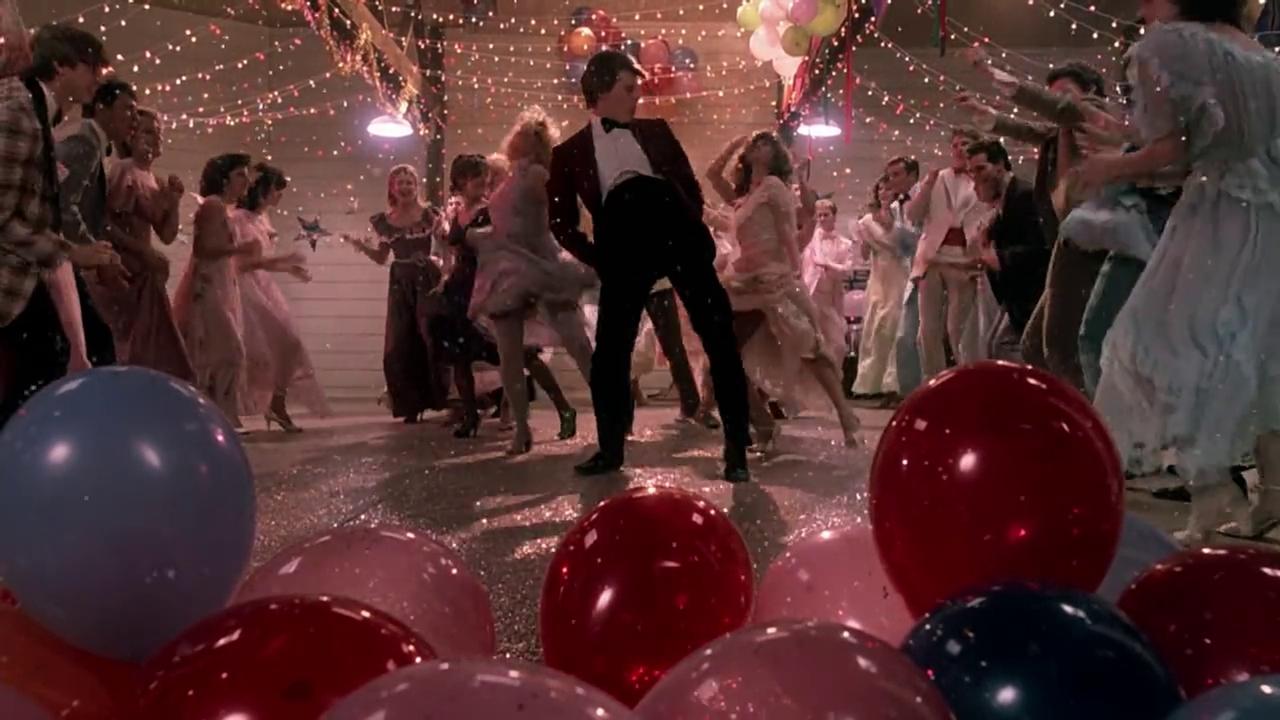
Who could forget Ren's iconic "angry dance" sequence in the abandoned warehouse? It's a whirlwind of flips, kicks, and pure physical expression – teenage angst unleashed. It perfectly captures that feeling of needing to move when words just aren't enough. Now, here’s a fun piece of trivia: while Kevin Bacon certainly threw himself into the role (and learned plenty of moves), pulling off that complex sequence required a team effort. According to interviews and production notes, the scene utilized not only Bacon but also a dance double, two gymnastics doubles, and a stunt double to achieve the breathtaking final result. It’s a testament to the movie magic – seamlessly blending performances to create an unforgettable moment.
The film itself was a solid hit, filmed largely in Utah County, Utah, and turning its estimated $8 million budget into a domestic gross of around $80 million – a significant success story for Paramount Pictures. While initial critical reviews were somewhat mixed (currently holding a 54% on Rotten Tomatoes, though audience scores are much higher), its connection with audiences was undeniable, cementing its place as a beloved 80s staple.
### Still Cutting Loose After All These Years?
Watching Footloose today is a warm bath of nostalgia. Yes, some of the fashion choices scream mid-80s, and the central premise might feel a bit dramatic by modern standards. But the core themes – fighting for what you believe in, the importance of finding your voice (or your dance moves), and the possibility of bridging divides – still resonate. It captures that potent mix of teenage rebellion and earnest emotion that defined so many films of the era. It’s earnest, sometimes a little cheesy, but always heartfelt. It reminds us of a time when a killer guitar riff and the right dance moves felt like they could genuinely change the world, or at least your small town. The film's enduring appeal is evident not just in our fuzzy VHS memories but also in its adaptation into a successful Broadway musical and a 2011 remake.
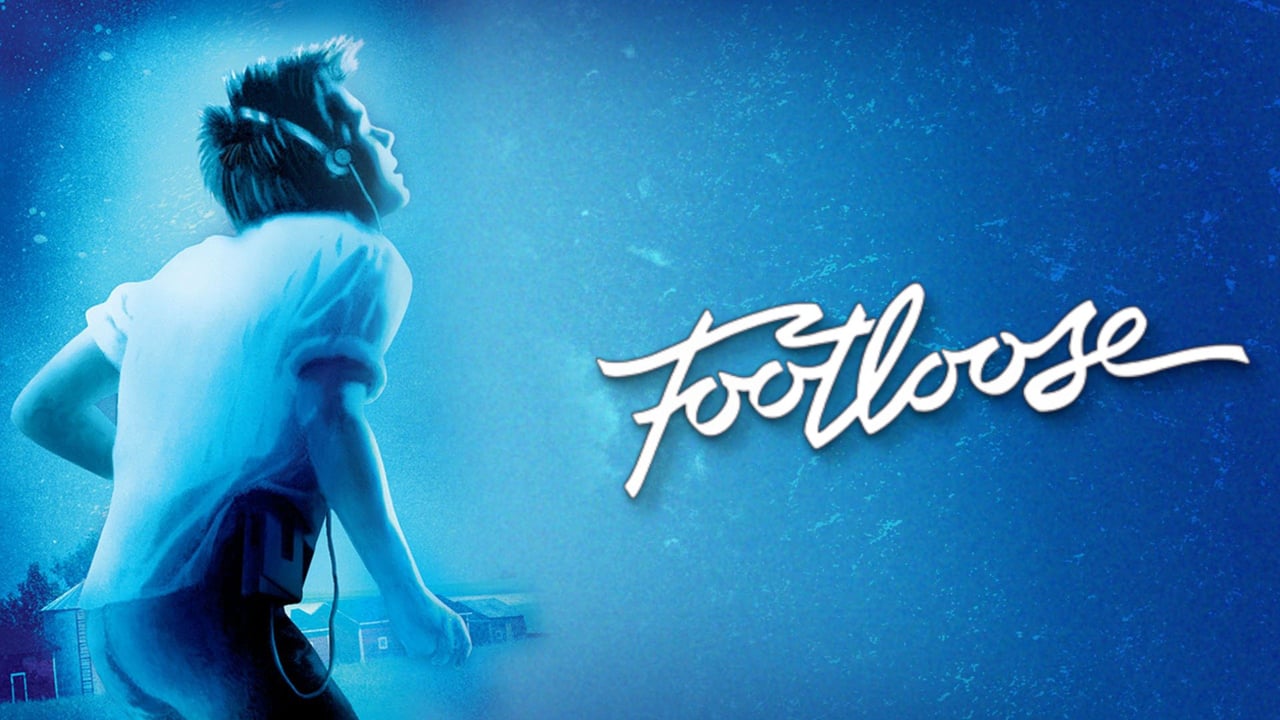
VHS Heaven Rating: 8/10
Footloose earns a solid 8 out of 10. It’s not perfect cinema, but it’s perfectly fun. The phenomenal soundtrack is practically a character itself, Kevin Bacon delivers a star-making performance full of energy, and John Lithgow adds surprising depth. The film successfully blends teenage drama, exhilarating dance sequences, and genuine heart. It overcomes its slightly dated premise with sheer infectious enthusiasm and a core message that still feels relevant.
So, if you find that old tape gathering dust, or spot it streaming somewhere, give it a spin. You might just find yourself tapping your feet, remembering the sheer joy of letting loose. Everybody cut!