It’s a strange thing, the memory tied to a specific VHS tape. Not always the blockbusters, sometimes it’s the oddity you picked up on a whim from the 'Foreign Films' section, maybe drawn by a familiar name on the cover – Jacques Demy. You slide it into the VCR, expecting perhaps the pastel melancholy of The Umbrellas of Cherbourg (1964), and instead… you get A Room in Town (Une chambre en ville, 1982). It wasn't the comforting Technicolor dream many associated with Demy; it was something altogether more bracing, even brutal. A film that stays with you, not for its charm, but for its raw, operatic confrontation with life's uglier corners.
### Nantes Noir
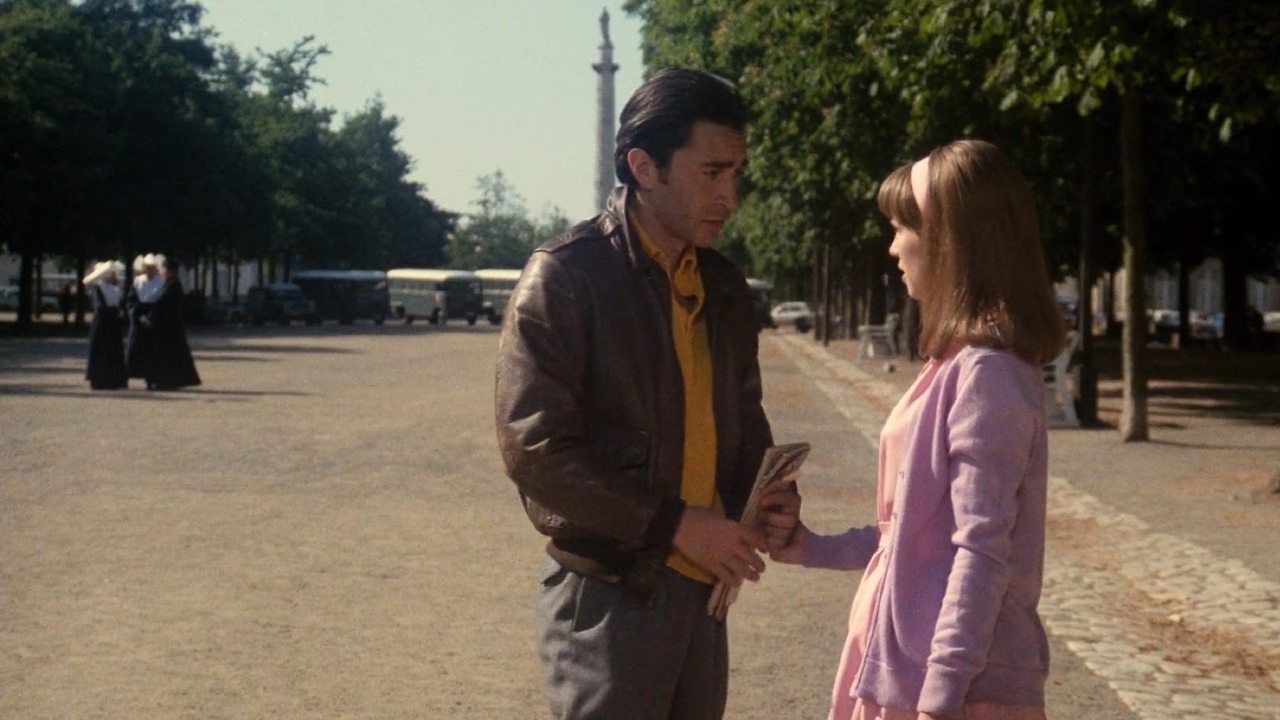
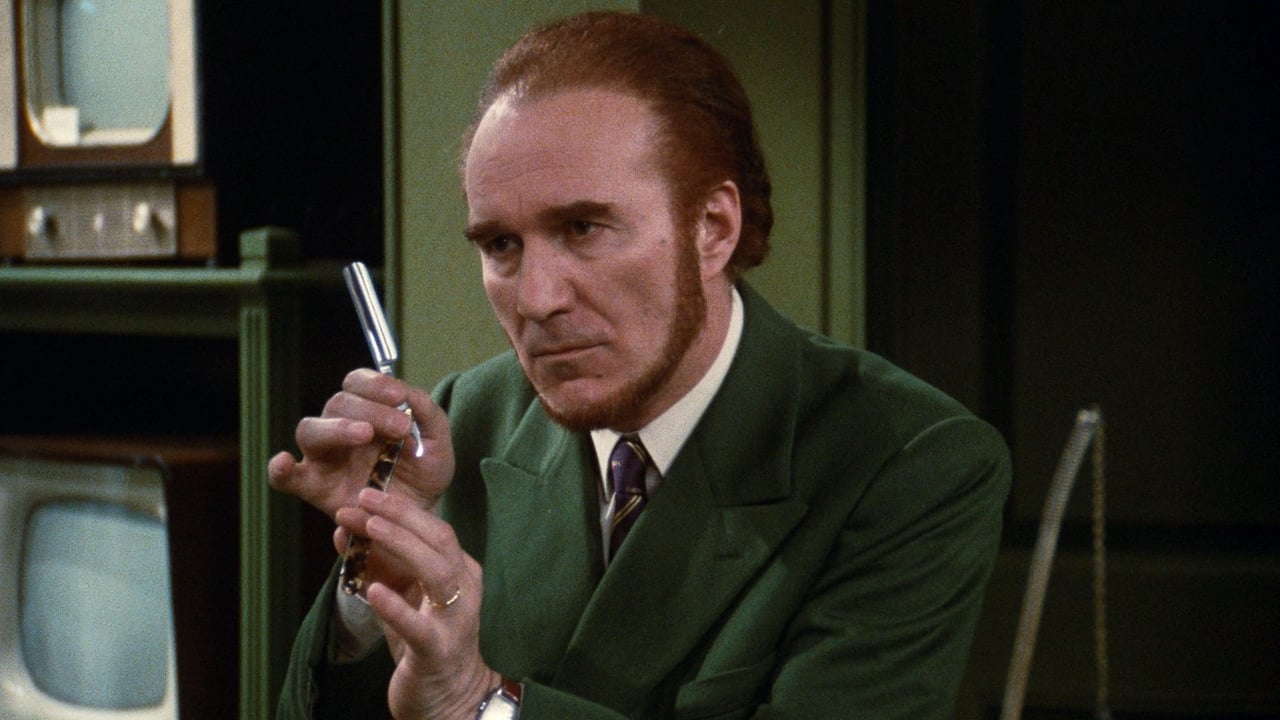
Set against the backdrop of a very real and tense workers' strike in Nantes, 1955 (Demy's hometown, adding a layer of personal connection), the film immediately establishes a mood far removed from his cherished earlier musicals. This isn't a world of chance encounters leading to whimsical romance; it's a world of economic hardship, social division, and simmering violence. We meet François (Richard Berry), a striking shipyard worker lodging with the pragmatic Madame Langlois (Danielle Darrieux, returning to Demy's world after The Young Girls of Rochefort). He’s involved with the sweet but perhaps naive Violette (Fabienne Guyon), yet his path fatefully crosses with Édith Leroyer (Dominique Sanda), the beautiful, despairing wife of a brutish television salesman. Their instant, desperate connection ignites the film's tragic core.
### An Opera of the Everyday, Sung in Earnest
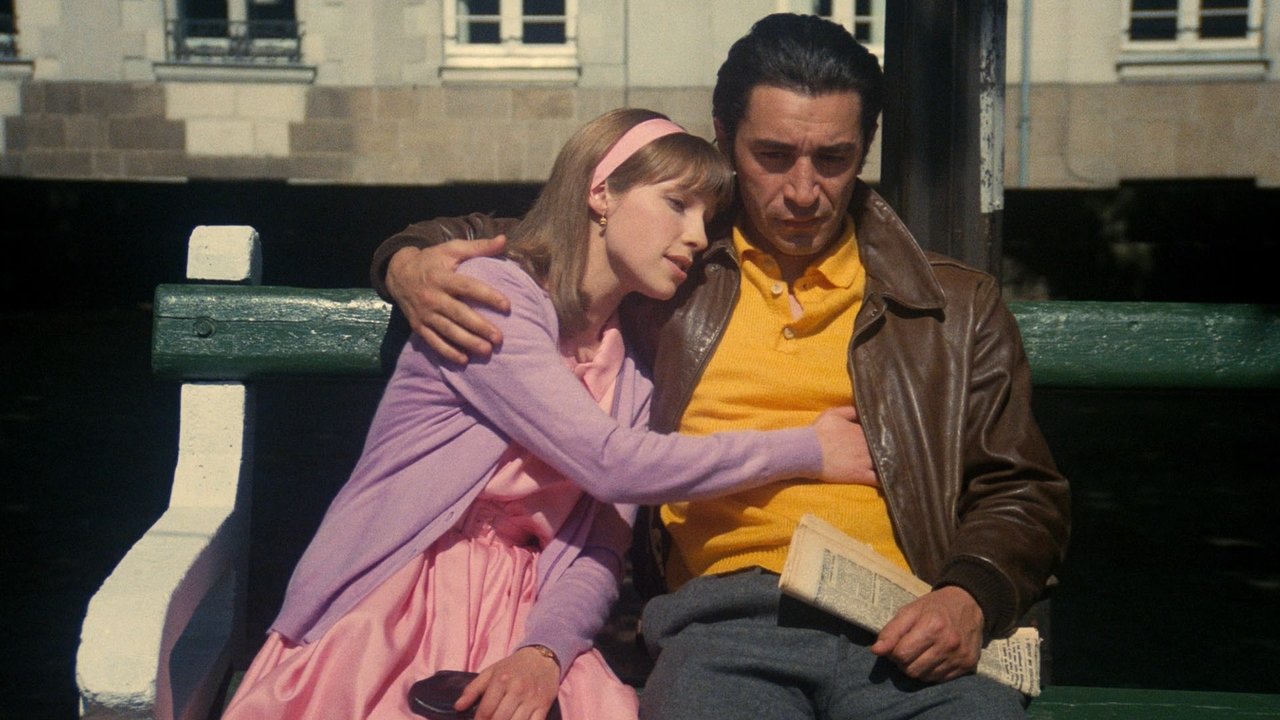
What truly sets A Room in Town apart, even within Demy's sung-through oeuvre, is its unwavering commitment to the musical form amidst stark realism. Unlike the bittersweet romanticism of Umbrellas, here the characters sing dialogue – composed brilliantly not by Michel Legrand this time, but by Michel Colombier – that deals with class struggle, domestic abuse, infidelity, desperation, and ultimately, death. There's a cognitive dissonance at play initially. Hearing arguments about strike tactics or admissions of profound unhappiness delivered in operatic recitative can feel jarring.
But Demy wasn't aiming for comfort. It seems he wanted to explore if the heightened reality of the musical could contain and perhaps even intensify the most painful human experiences. Does it work? For me, after the initial adjustment, it absolutely does. The singing doesn't soften the blows; it imbues the raw emotions with a stylized, almost unbearable intensity. It elevates the personal tragedy to something epic, reflecting the broader social upheaval surrounding the characters. This wasn't a project born overnight; Demy had nurtured the idea since the 50s, long before Umbrellas even hit screens, originally envisioning it as a more traditional opera. Securing funding proved difficult for decades, a testament perhaps to its challenging, less commercial nature.
### Performances Forged in Fire
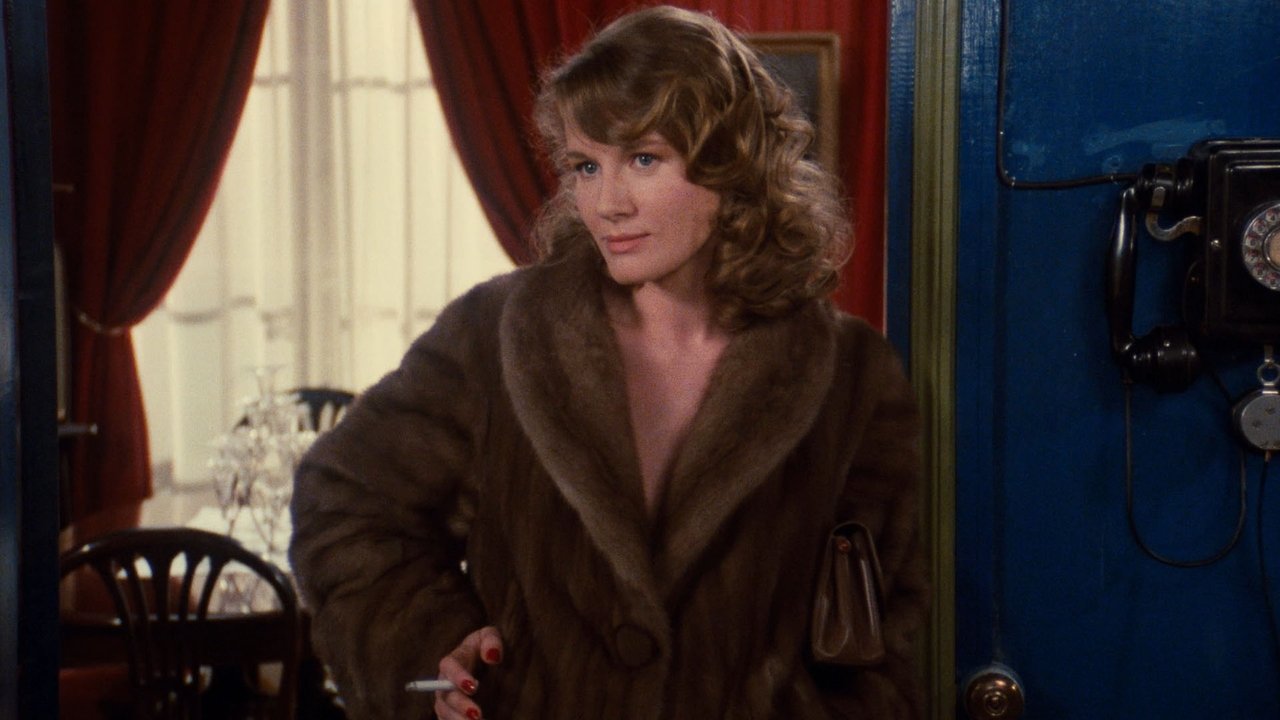
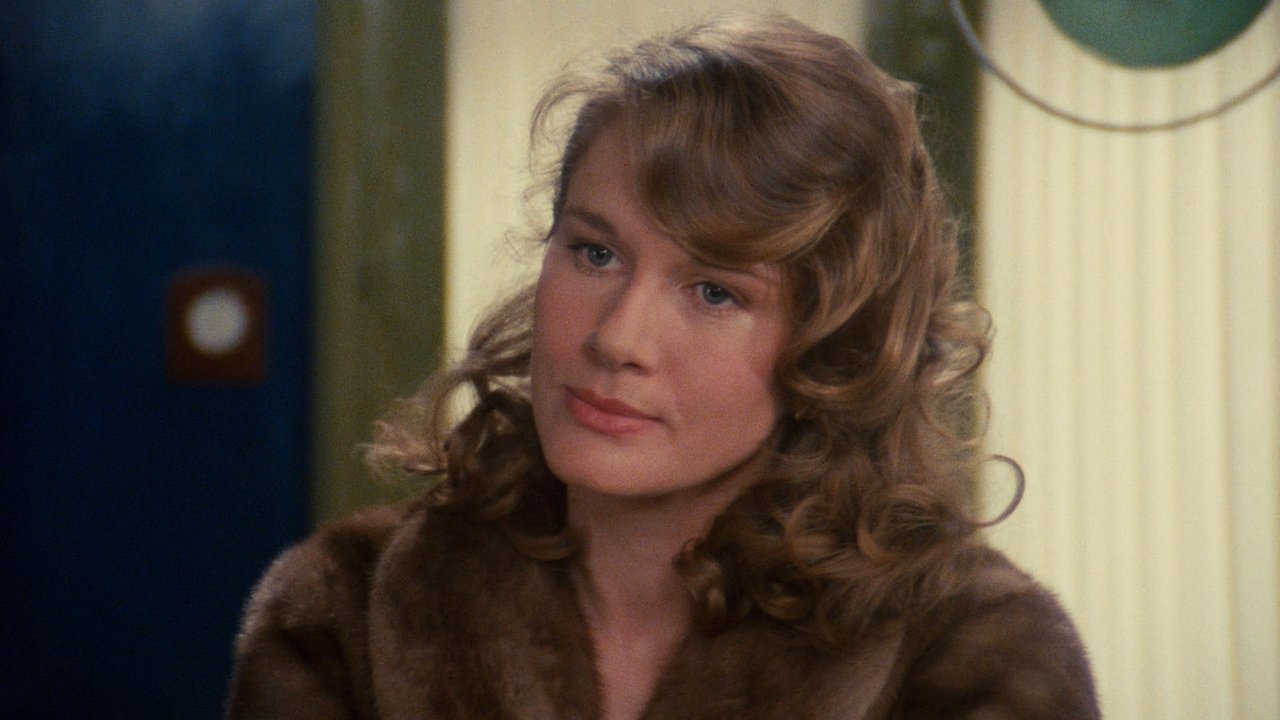
The cast carries the immense weight of this concept with astonishing conviction. Richard Berry, as François, embodies the working-class frustration and passionate desperation that drives the narrative. His chemistry with Dominique Sanda is electric. Sanda, always an actress of compelling intensity (think The Conformist, 1970), is heart-wrenching as Édith. Trapped in a suffocating marriage and societal expectations, her sung anguish feels utterly genuine, a soul laid bare. Seeing her desperate bid for freedom through this sudden, intense affair is captivating and devastating.
And then there's Danielle Darrieux. As Madame Langlois, she is the film's anchor to a certain kind of pragmatic reality, yet even her lines are sung. Darrieux, a legend of French cinema even then, brings such effortless grace and weary wisdom to the role. Her character represents a different kind of survival, one grounded in observing the harsh realities of life, a stark contrast to the lovers consumed by their fatal passion. Her performance is a masterclass in conveying complex emotions through the challenging medium of sung dialogue.
### A Forgotten Corner of the Video Store
Finding A Room in Town on VHS felt like uncovering a secret history. It wasn't the Demy everyone knew, the purveyor of bittersweet romance. This was Demy confronting the darkness head-on, using his signature style in a way that felt both familiar and radically different. It lacked the commercial appeal of his earlier hits – initial reports even suggested Catherine Deneuve and Gérard Depardieu were once considered, a pairing that might have resulted in a very different film indeed. Its budget was significant for a French film at the time, but it didn't achieve the widespread success Demy might have hoped for, perhaps proving too bleak for audiences expecting another Cherbourg.
Yet, its artistic merits are undeniable. The production design vividly captures the period and the oppressive atmosphere. Colombier's score, while perhaps less instantly hummable than Legrand's, is a powerful, dramatic force that perfectly complements the narrative's trajectory. It deservedly won the César Award for Best Music, a recognition of its unique power. The film forces us to ask: can the artifice of the musical truly grapple with life's brutal truths? Demy's answer seems to be a resounding, if painful, yes.
Rating: 8/10
Justification: A Room in Town is a challenging, audacious, and ultimately deeply moving piece of filmmaking. While its relentless bleakness and the sung-through dialogue for such grim material might not be for everyone, its artistic ambition, the power of its central performances (especially Sanda and Darrieux), and Demy's masterful, if darker, direction make it a unique and unforgettable experience. It loses a couple of points perhaps for the sheer weight of its tragedy, which can feel overwhelming, and the initial hurdle some viewers might face with the musical style applied to this specific story. However, its bravery and artistry demand recognition.
It’s a film that doesn't offer easy answers or resolutions, much like the turbulent lives it portrays. It lingers, a haunting melody about love and desperation found not in a brightly lit patisserie, but in the shadowed corners of a room in a town gripped by unrest. A powerful reminder from the back shelves of the video store that Jacques Demy contained multitudes.