Okay, let's dim the lights, maybe crack open a Fresca if you still have one, and slide this tape into the VCR. Some films hit you like a freight train wrapped in brightly coloured, slightly frayed silk, and Pedro Almodóvar's 1984 domestic nightmare, What Have I Done to Deserve This? (original title: ¿Qué he hecho yo para merecer esto?), is exactly that kind of jarring, unforgettable experience. It doesn't gently invite you in; it throws open the door to a cramped Madrid apartment buzzing with chaos and desperation, and dares you to look away. Forget sanitized sitcom struggles; this is life thrown into a blender with amphetamines, simmering resentment, and a strangely persistent lizard.
A Portrait of Desperation, Painted in Garish Hues
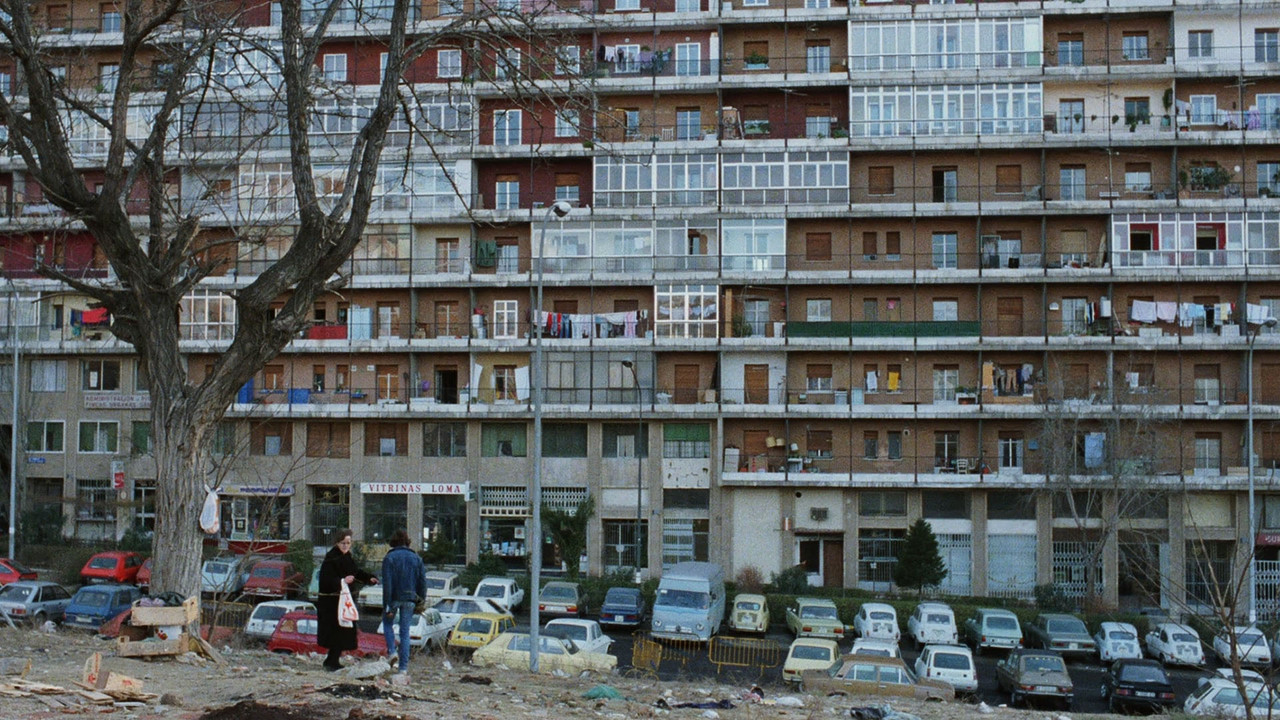
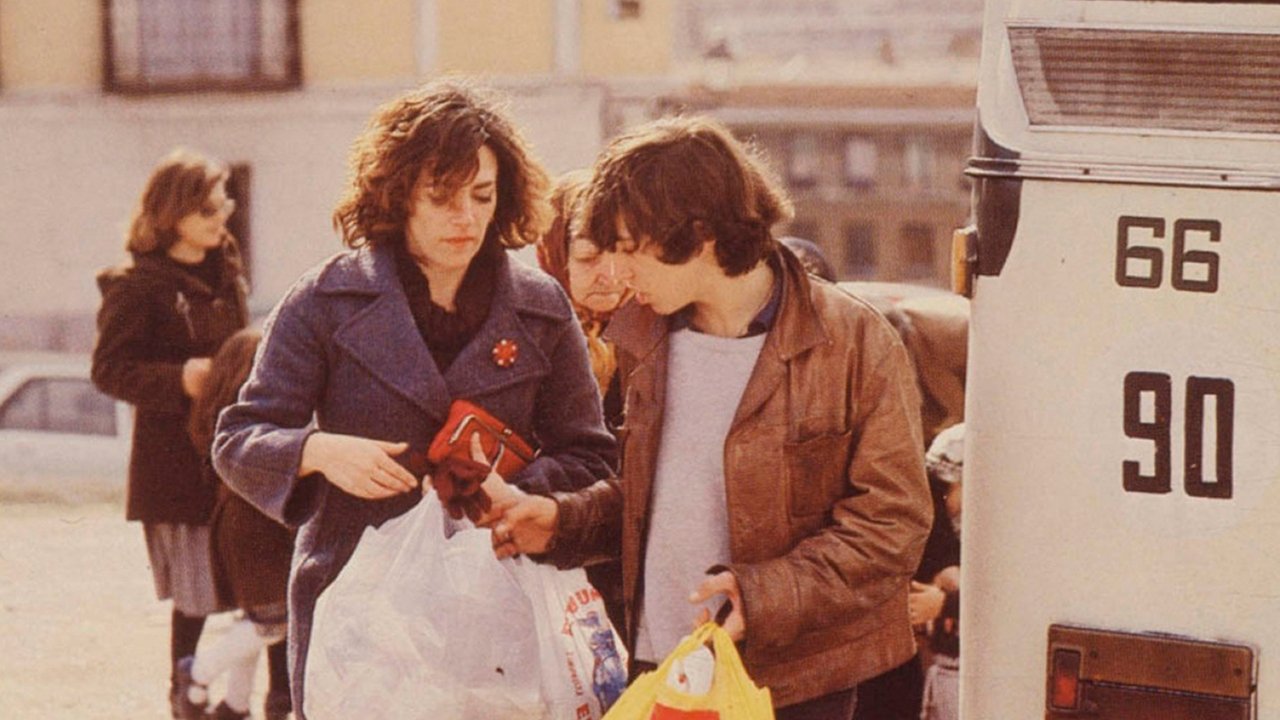
At the frantic center of it all is Gloria, played with astonishing, weary resilience by the incomparable Carmen Maura. This isn't just a character; it's a force of nature barely contained by her housewife apron. Addicted to No-Doz to simply survive her relentless cleaning jobs, Gloria navigates a home life that makes dysfunction look like a vacation. Her husband Antonio (Ángel de Andrés López) is a gruff taxi driver obsessed with a German singer he once chauffeured (a plot point handled with Almodóvar’s signature absurdity). Her two sons are dealing drugs and sleeping with older men, respectively. And her sharp-tongued mother-in-law hoards pastries and clings fiercely to her rural past amidst the urban sprawl. Their apartment, located in the very real, working-class Barrio de la Concepción neighbourhood which Almodóvar deliberately chose for its stark, unglamorous authenticity, feels less like a home and more like a pressure cooker about to explode. This setting itself is crucial – it’s a tangible representation of the stifling reality many faced in the rapidly changing, post-Franco Spain of the early 80s.
Carmen Maura: The Eye of the Storm
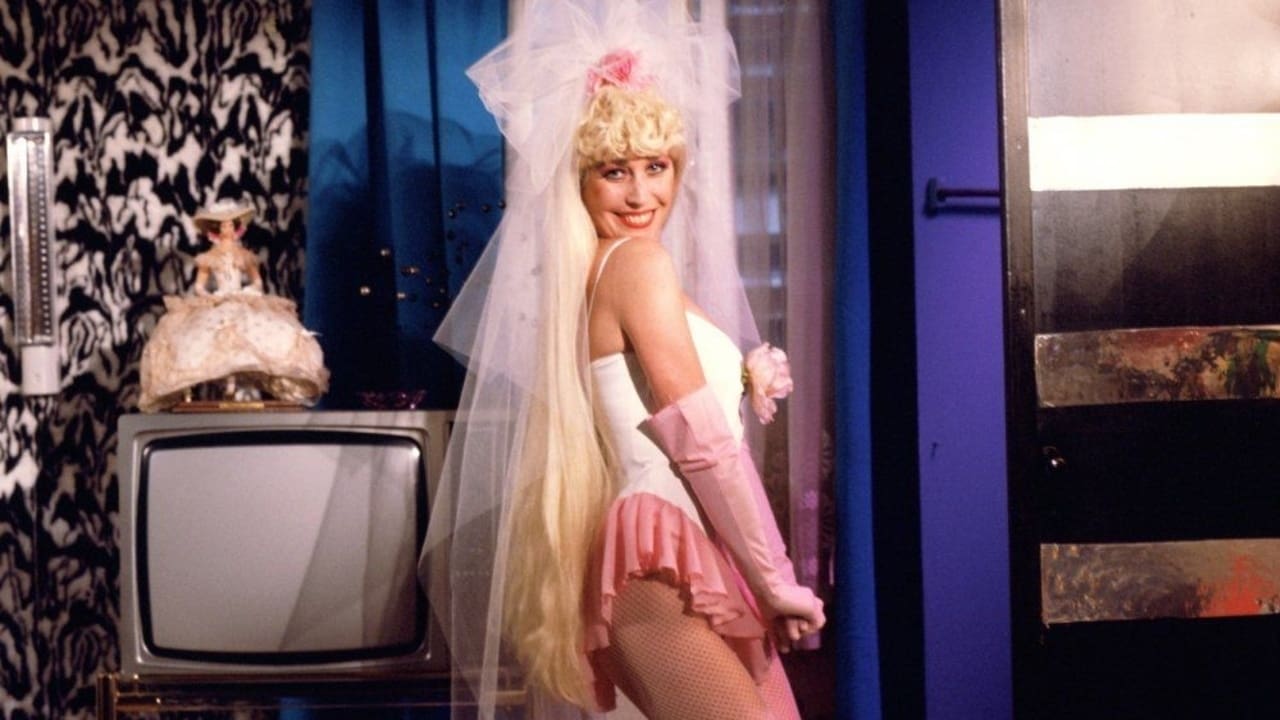
Honestly, the film belongs to Carmen Maura. This was one of her early, iconic collaborations with Almodóvar, and you can see why she became his muse. She doesn't just act; she embodies Gloria's exhaustion, her fleeting moments of connection (often with her equally adrift neighbour, Cristal, played wonderfully by Verónica Forqué), and her simmering rage. There's a profound truthfulness in her portrayal, even when the situations veer into the utterly bizarre. Maura finds the humanity beneath the grime and the desperation. You feel her aching bones, her racing mind fueled by caffeine pills, her desperate need for something to give. It’s a performance devoid of vanity, raw and deeply affecting, anchoring the film’s wild tonal shifts. It’s through her eyes that we witness the everyday surrealism of survival.
Almodóvar Unfiltered: Raw, Rude, and Riveting
This is early Almodóvar, brimming with the anarchic energy of La Movida Madrileña, the counter-cultural movement exploding in Madrid at the time. The low budget (reportedly made for around 50 million pesetas, a modest sum even then) likely contributed to its gritty, unpolished feel, a stark contrast to his later, more visually lush productions. You see the seeds of his obsessions here: strong, complex female characters pushed to extremes, melodrama twisted into black comedy, frank depictions of sexuality and drug use, and a fascination with the collision of tradition and modernity. Influences from Italian neorealism mingle unexpectedly with touches of John Waters-esque transgression. Remember that telekinetic daughter and the pet lizard, Dinero? It’s moments like these – strange, unsettling, yet somehow fitting within Gloria’s fractured reality – that mark the film as pure Almodóvar. Apparently, Almodóvar himself provided the voice for the TV interviewer questioning the writer Antonio is obsessed with – a little touch of meta-commentary woven in.
More Than Just Shock Value
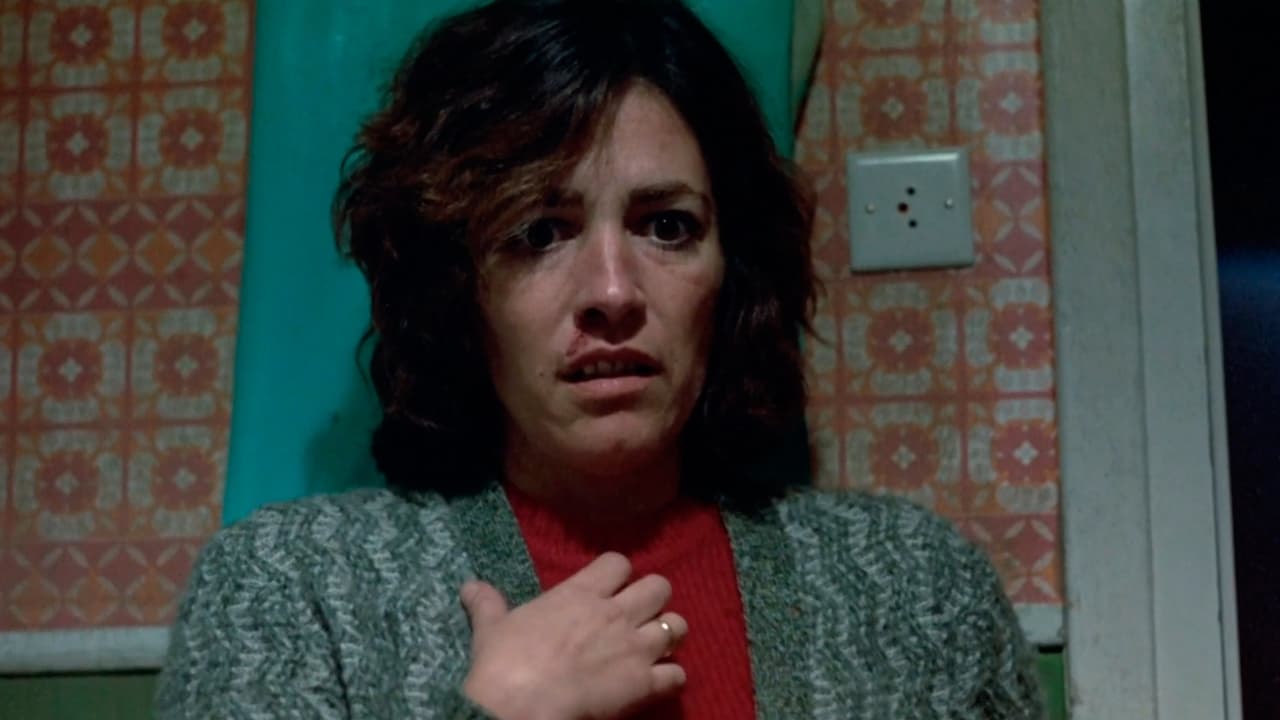
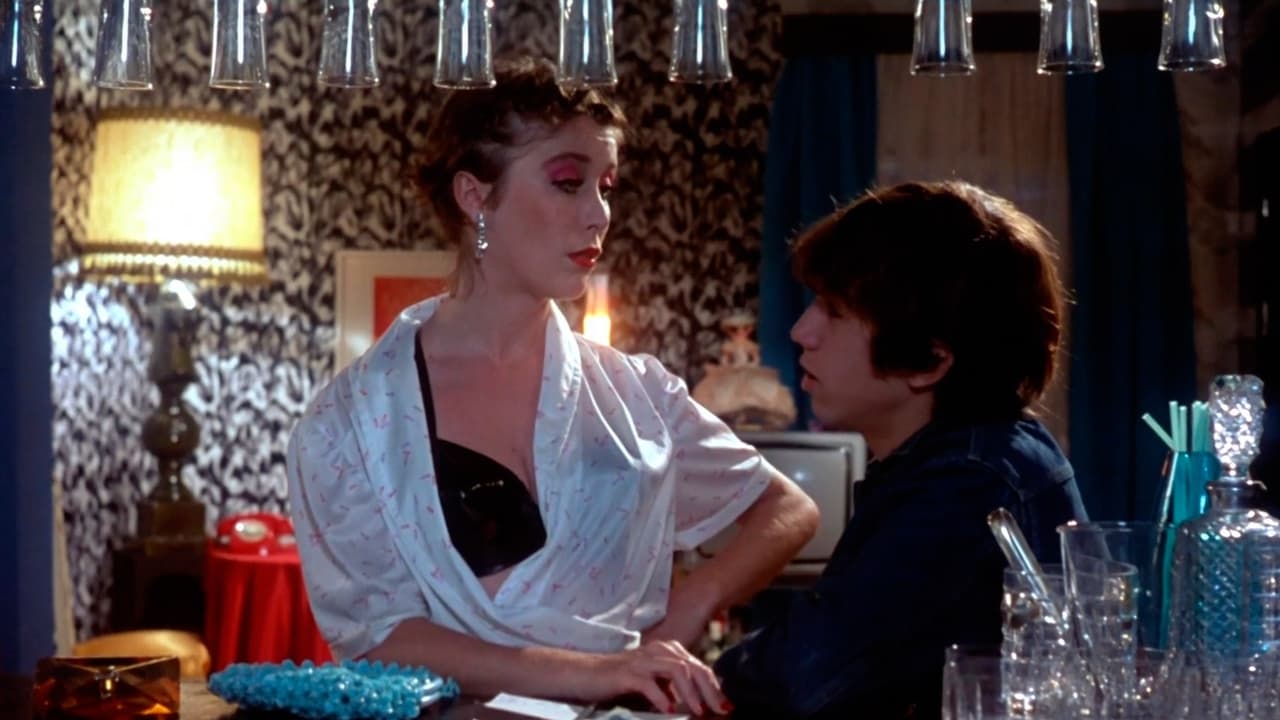
It’s easy to focus on the outrageous plot points – the casual crime, the prostitution, the sheer, unrelenting chaos. But beneath the surface, What Have I Done to Deserve This? offers a potent, if deeply unconventional, social commentary. It’s a raw look at female frustration, the crushing weight of poverty, and the desperate measures people take to find connection or escape in an indifferent urban landscape. There are no easy moral lessons here. Almodóvar presents this world without judgment, forcing us to confront uncomfortable truths about the fringes of society and the resilience (or perhaps, the breaking point) of the human spirit. Does Gloria’s eventual, drastic action offer liberation or just another kind of trap? The film leaves that unsettling question hanging in the air. It’s a far cry from the slick Hollywood exports that dominated VHS shelves back then, and discovering it felt like finding a hidden, slightly dangerous frequency on the dial.
The Verdict on a VHS Cult Favourite
What Have I Done to Deserve This? isn't a comfortable watch. It's abrasive, chaotic, sometimes bleakly funny, and often deeply sad. It’s a film that grabs you by the collar and shakes you. But propelled by Carmen Maura's towering performance and Pedro Almodóvar's burgeoning, unique cinematic voice, it remains a vital, unforgettable piece of 80s Spanish cinema. It captures a specific time and place with unflinching honesty and audacious style, laying the groundwork for the director's later masterpieces like Women on the Verge of a Nervous Breakdown (1988) and All About My Mother (1999). For those willing to embrace its challenging nature, it’s a powerful, strangely moving experience. It feels utterly authentic to its moment, a raw slice of life served unapologetically.
Rating: 8.5/10
Justification: The rating reflects the film's undeniable power, Carmen Maura's phenomenal performance, its importance in Almodóvar's filmography, and its raw, audacious energy. It's not perfect – its relentless bleakness and chaotic narrative might alienate some – but its unflinching honesty and artistic vision make it a standout piece of 80s world cinema, especially potent when rediscovered on a fuzzy VHS tape.
Final Thought: Decades later, Gloria's cry, implicit in the title, still echoes – a raw, uncomfortable question about the burdens we carry and the often-absurd reality of just trying to get through the day.