Alright, fellow tapeheads, let's rewind to a time when cynicism was cool, punk rock was blasting, and Los Angeles felt like a sun-bleached wasteland populated by weirdos, hustlers, and maybe... aliens? Dim the lights, adjust the tracking, because tonight on VHS Heaven, we're diving headfirst into the glorious, grimy, and utterly unique world of Alex Cox's 1984 debut masterpiece, Repo Man.
This wasn't a movie you stumbled upon easily at first. It famously tanked on its initial release, pulling in barely over $100k against its modest $1.5 million budget. But oh, how the flickering glow of the VCR saved this one. Repo Man became the quintessential cult classic, passed around on dubbed tapes, discovered in the dusty corners of video stores, and beamed into our eyeballs during late-night movie slots. It felt like uncovering a secret handshake – a film that perfectly captured a certain kind of disaffected cool simmering under the surface of the Reagan era.
### Punk Rock Apocalypse, L.A. Style
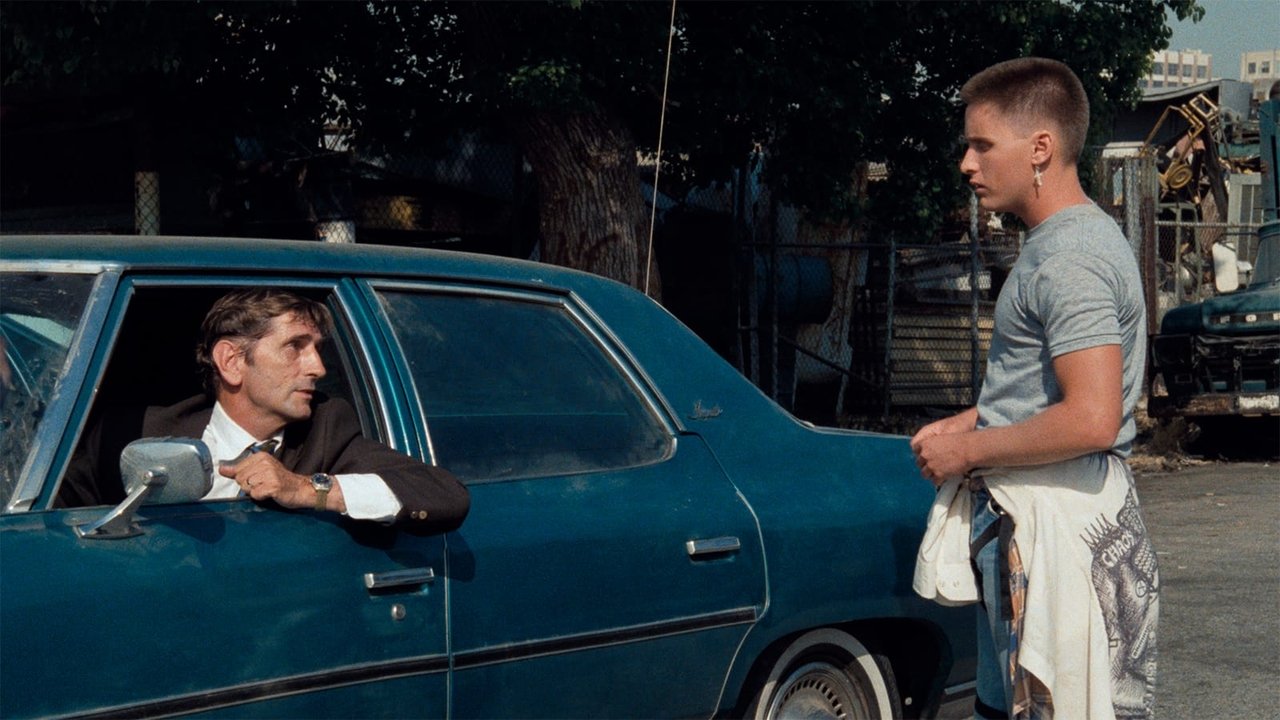
We're thrown into the disillusioned life of Otto Maddox, played by a young, pre-Brat Pack Emilio Estevez with maximum punk sneer. Fired from his dead-end supermarket job (for good reason, let's be honest), Otto is adrift in a landscape of generic products (a brilliant, budget-saving visual gag commenting on consumerism) and simmering frustration. Enter Bud, portrayed by the legendary Harry Dean Stanton in arguably one of his most iconic roles. Bud’s a seasoned repo man, a hardened cynic slinging weary wisdom and living by the bizarre, almost spiritual "repo code." Remember his lines? "An ordinary person spends his life avoiding tense situations. A repo man spends his life getting into tense situations." Pure gold. Stanton, initially hesitant about the script, apparently took the role partly because he needed the work, inadvertently stepping into cinematic immortality. Thank goodness he did.

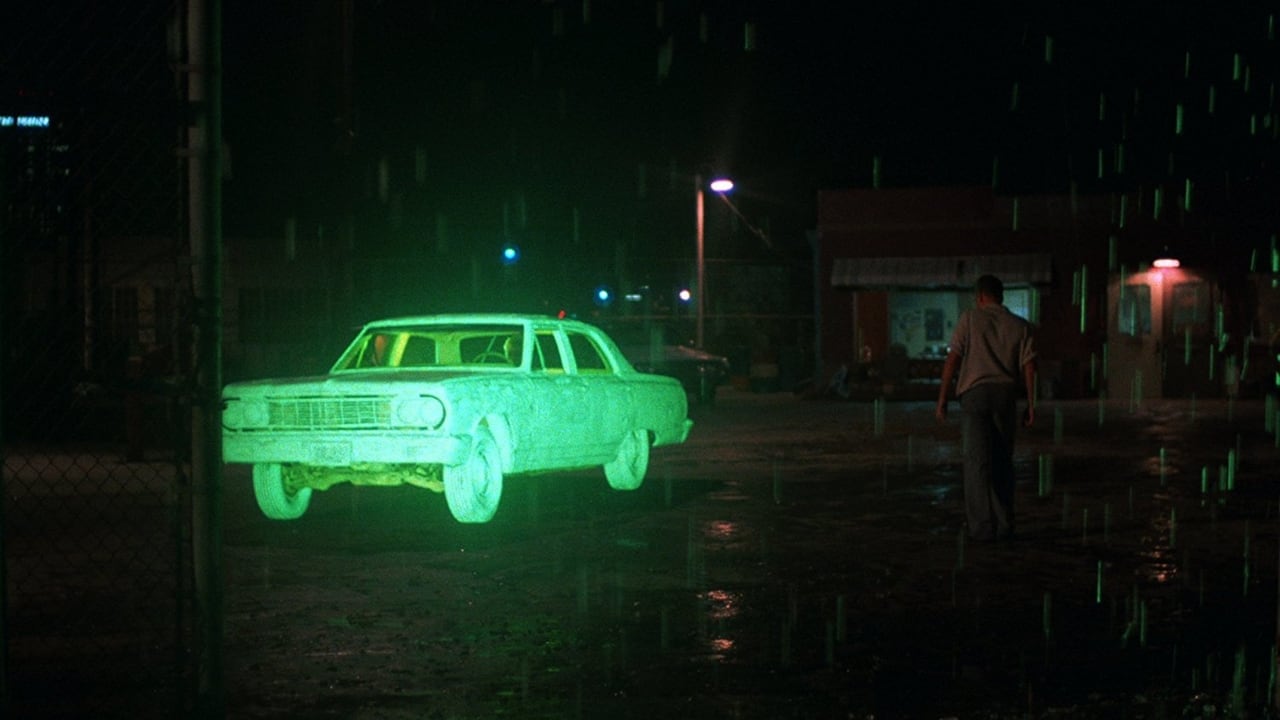
The plot, if you can call its glorious, rambling trajectory a 'plot', kicks off when Otto reluctantly joins Bud's Helping Hand Acceptance Corporation. What follows is less a straightforward narrative and more a surreal odyssey through the underbelly of L.A. Otto learns the ropes – the scams, the dangers, the sheer absurdity of reclaiming property from desperate people. But things take a hard left turn into sci-fi territory with the introduction of a '64 Chevy Malibu sought by everyone. Driven by a lobotomized nuclear physicist, the car has something mysterious and intensely radioactive glowing in its trunk, vaporizing anyone foolish enough to look inside. Suddenly, Otto and the Helping Hand crew are entangled with shadowy government agents, UFO cultists, and rival repo gangs (including the unforgettable Rodriguez brothers).
### Stanton Steals the Show (and the Cars)
While Estevez perfectly embodies the angry young punk finding a strange purpose, it's Harry Dean Stanton who anchors the film's peculiar charm. His performance as Bud is a masterclass in understated cool and weary resignation. He delivers Alex Cox's sharp, often hilarious dialogue with a dry wit that makes every line memorable. He is the grizzled heart of the film, the veteran showing the ropes to the disillusioned youth. And let's not forget the incredible supporting cast, particularly Tracey Walter as Miller, the scrapyard philosopher whose spaced-out ramblings about lattice structures, time travel, and cosmic coincidences ("The more you drive, the less intelligent you are") provide some of the film's most quotable and bizarre moments.


Alex Cox, fresh out of UCLA film school and fueled by punk rock energy, directs with a raw, inventive style. He wasn't afraid to mix genres with reckless abandon – social satire, sci-fi B-movie, punk rock musical, existential comedy... it's all in there. One fascinating bit of trivia is that the film’s financing was partially secured thanks to executive producer Michael Nesmith – yes, that Michael Nesmith from The Monkees! It’s one of those weird Hollywood connections that makes perfect sense in the context of Repo Man. Cox, alongside legendary cinematographer Robby Müller (who gave us the stunning visuals in Paris, Texas, also starring Stanton), captures a specific vision of Los Angeles – not the glitzy Hollywood fantasy, but the sprawling, sun-baked, slightly decaying reality of its fringes. The empty lots, the concrete riverbeds, the liquor stores – they become characters in themselves.
### More Than Just a Glowing Trunk
What made Repo Man resonate so strongly, especially on home video? It was the attitude. It was the killer soundtrack – an absolute stormer featuring Iggy Pop (whose theme song is unforgettable), Black Flag, Suicidal Tendencies, Fear, and The Circle Jerks (who even make a cameo performing in a club). This wasn't just background music; it was the film's pulse, driving the narrative and Otto's transformation. Remember cranking that soundtrack cassette in your car?
The film cleverly skewers everything: consumer culture, government paranoia (those generic G-men!), New Age mysticism, and the emptiness of suburban life. Yet, it never feels preachy. It's too busy being weird, funny, and strangely compelling. The dialogue crackles with quotable lines, the situations escalate into delightful absurdity, and through it all, there's this undercurrent of genuine commentary about alienation in modern America. It tapped into something raw and real, a feeling that beneath the surface of normality, things were much, much stranger.
The ending, with its glowing car ascending into the night sky, is pure B-movie bliss mixed with existential wonder. It doesn't offer easy answers; it just is. And that ambiguity is part of its enduring magic.
Rating: 9/10
This score reflects Repo Man's status as a defining cult classic. It’s not technically perfect – its low budget shows, the plot meanders beautifully – but its sheer originality, biting satire, killer soundtrack, iconic performances (Stanton!), and enduring punk rock spirit make it an absolute gem. It perfectly captured a specific moment in time and subculture, delivering a viewing experience that felt dangerous, funny, and utterly unique when pulled from that worn VHS sleeve.
Final Take: A time capsule of 80s counter-culture cool that remains as sharp, strange, and relevant today as it was blasting out of a beat-up tape deck back then. Find it, watch it, and remember: "Plate o' shrimp."