Okay, pull up a chair, maybe crack open a Tab if you’ve still got one stashed away somewhere. Let’s talk about a film that often gets overshadowed, sitting somewhere between the heartfelt charm of Breaking Away and the slicker productions that would soon define the late 80s. I'm talking about John Badham's 1985 cycling drama, American Flyers. It’s a film that, watching it again now, carries a distinct weight – a blend of athletic ambition and confronting life's fragility that hits differently decades later.
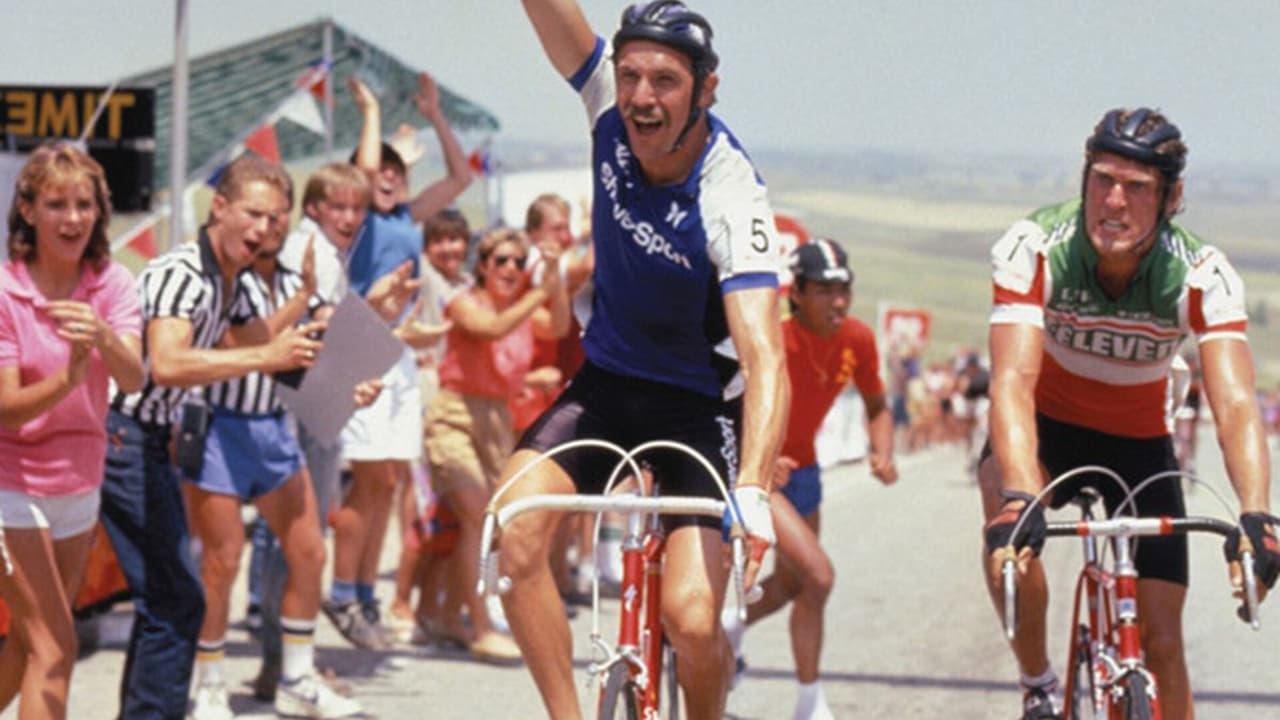
I remember seeing the distinctive VHS box art for this one frequently at the local video store – the bold colors, the determined look on the cyclists' faces. It promised action, spectacle, maybe even a little bit of that triumphant underdog spirit. What it delivered was something... more complex, and perhaps a little bittersweet.
The Weight of Legacy and Lycra
The ghost hovering over American Flyers is undeniably Steve Tesich, the screenwriter. This was his follow-up cycling script after winning an Oscar for the much-loved Breaking Away (1979), and you can feel his distinct preoccupations here: the complex dynamics of family, the way sport reveals character under pressure, and a deep, almost philosophical engagement with physical limits. But where Breaking Away felt like a coming-of-age story bathed in Indiana sunlight, American Flyers carries a darker, more urgent undercurrent.
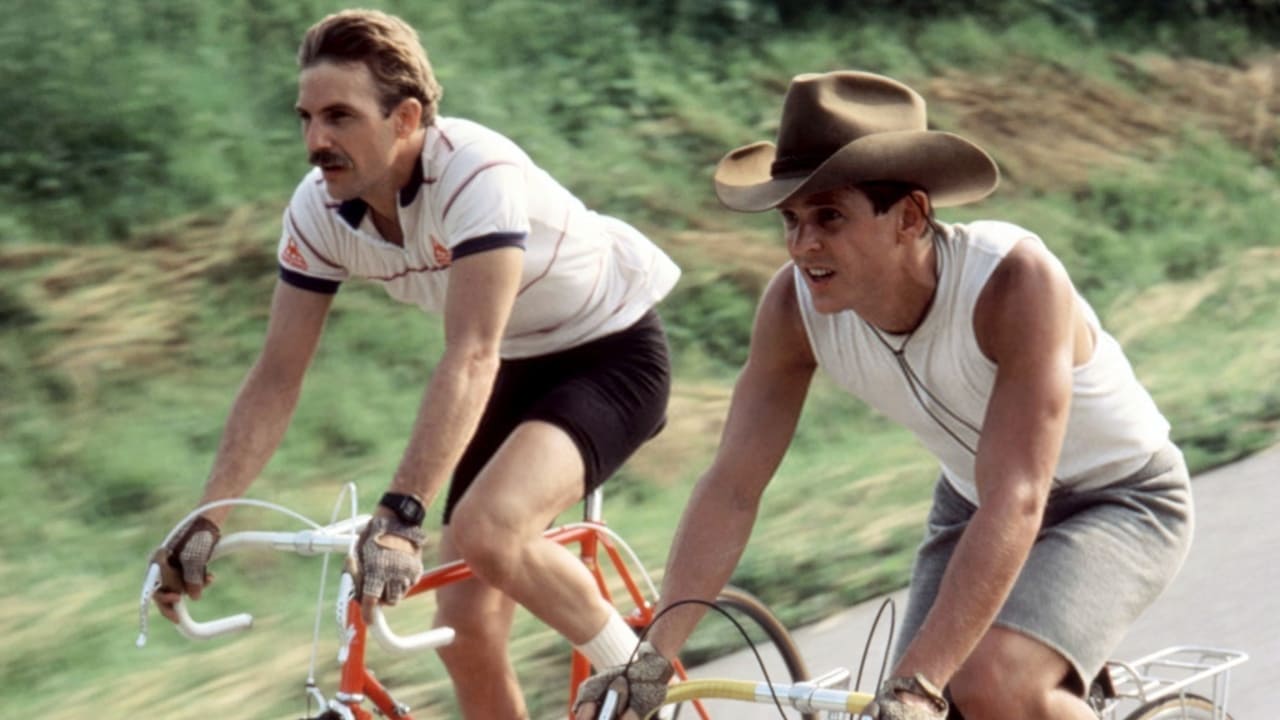
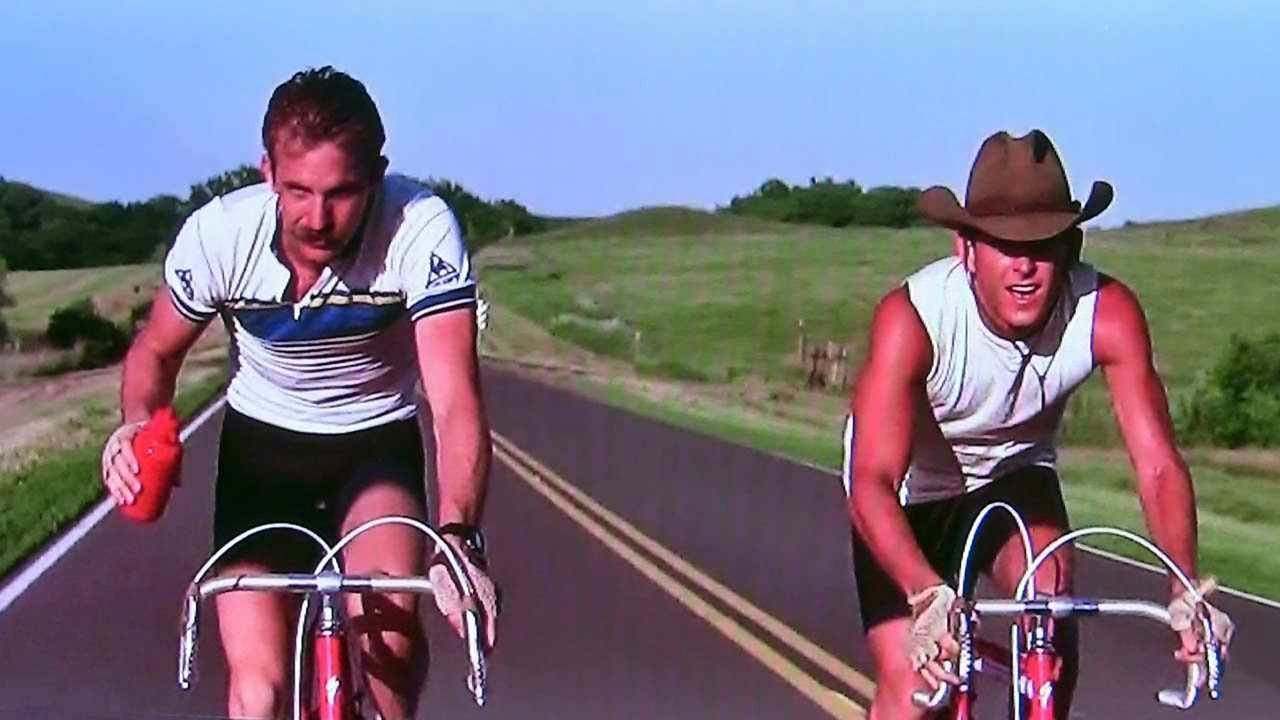
The premise centers on two estranged brothers, Marcus (Kevin Costner) and David (David Marshall Grant). Marcus is a sports physician, seemingly confident and successful, while David is younger, uncertain, and plagued by health fears stemming from their father's death from a cerebral aneurysm. Marcus persuades David to train for "The Hell of the West," a grueling multi-day cycling race through the Colorado Rockies – a real event known then as the Coors Classic, lending the film an immediate shot of authenticity. But Marcus has a hidden motive: he suspects David may have inherited the same fatal condition and wants to monitor him under extreme physical stress. It's a premise laced with potential melodrama, a staple of 80s drama, yet Tesich grounds it in the brothers' fractured relationship.
Costner on the Climb
Watching Kevin Costner here is fascinating. This was pre-Untouchables, pre-Field of Dreams, pre- superstardom. You see flashes of the easy charm and quiet intensity that would later define his career, but Marcus is a pricklier character than many he'd become known for. He’s driven, sometimes arrogant, masking his deep concern for David with a detached, almost clinical approach. It’s not always likable, but it feels authentic to a man grappling with responsibility and unspoken fear. David Marshall Grant, perhaps less known today, carries the film's emotional core. His vulnerability and simmering resentment towards Marcus provide the necessary counterpoint. Their interactions crackle with the unresolved history and halting affection of real siblings.
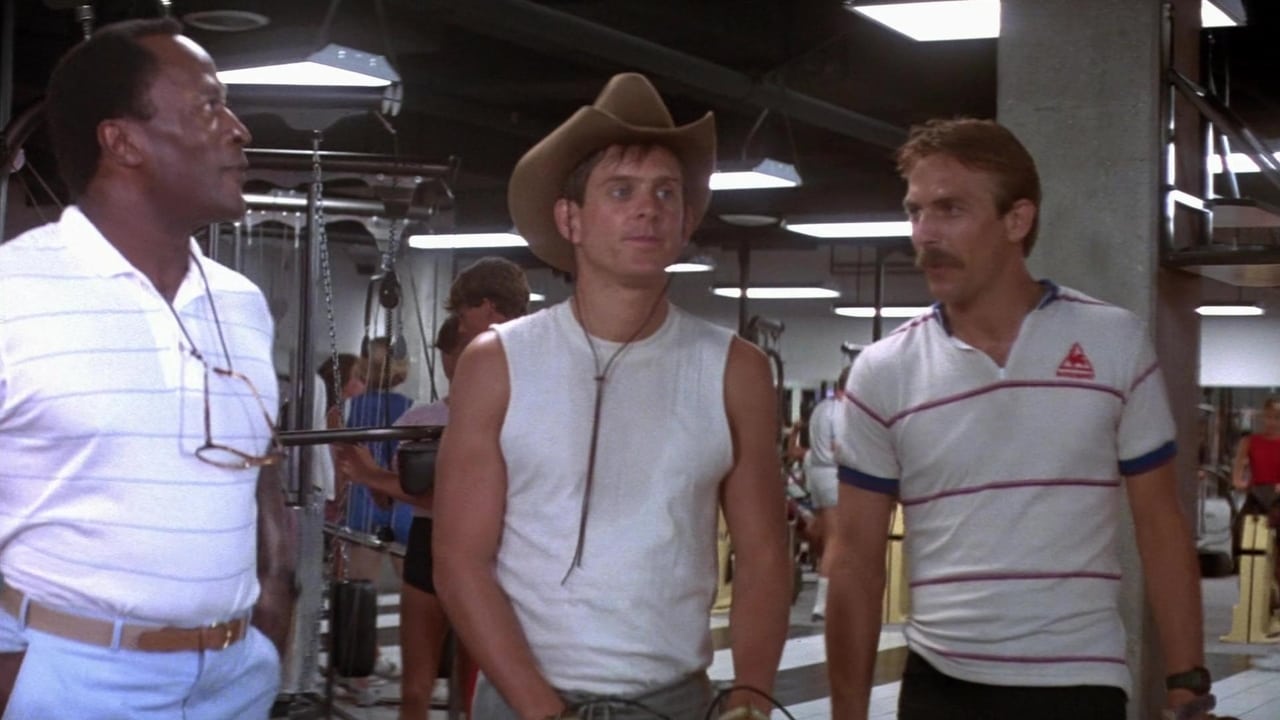
And then there’s Rae Dawn Chong as Sarah, David's supportive (and eventually Marcus's) girlfriend. While the role could easily have been thankless, Chong brings warmth and a grounded presence. She’s not just a passive observer; she actively participates in the narrative, challenging Marcus and offering crucial emotional support. It's a reminder of her steady presence in many memorable films of the era, like Commando (1985) and The Color Purple (1985).
Capturing the Grueling Beauty
Where American Flyers truly shines, and likely why it garnered a cult following among cycling enthusiasts, is in its depiction of the race itself. John Badham, who gave us the gritty realism of Saturday Night Fever (1977) and the techno-thrills of WarGames (1983), proves adept at capturing the sheer physical exertion, the stunning mountain vistas, and the tactical maneuvering of professional cycling. You feel the burning muscles on the climbs, the exhilarating speed of the descents, the claustrophobia of riding within the peloton.
A key part of this authenticity stems from the production's integration with the actual Coors Classic race and the prominent feature of the real-life 7-Eleven Cycling Team, one of the pioneering American professional teams. Even the legendary Belgian cyclist Eddy Merckx makes a cameo appearance! The actors reportedly underwent rigorous training and performed a significant amount of their own riding, adding a layer of palpable effort to the screen. Badham uses dynamic camera work, mounting cameras on bikes and chase vehicles, to plunge the viewer right into the heart of the action. These sequences are genuinely thrilling and stand as some of the best cinematic depictions of the sport.
Navigating the Emotional Terrain
The film’s main vulnerability, however, lies in its central medical plotline. The "disease of the week" element, while providing stakes, occasionally tips into the kind of heightened drama that feels very specific to mid-80s filmmaking. Does David have the aneurysm? Will the race kill him? It sometimes overshadows the more nuanced exploration of brotherhood and reconciliation. It’s a narrative engine that, while effective in creating tension, lacks the subtlety found elsewhere in Tesich's writing.
Despite this, the film’s core emotional journey resonates. It asks potent questions: How far would you push someone you love, ostensibly for their own good? How do we confront the fear of mortality, both our own and that of those closest to us? The backdrop of the demanding race becomes a metaphor for these internal struggles – the uphill battles, the unexpected crashes, the endurance required to simply keep going.
Interestingly, despite the talent involved and the spectacular race sequences, American Flyers wasn't a box office success upon release, making only about $1.4 million on an estimated $9 million budget (that's roughly $4 million against $25 million today). Yet, like so many films from this era, it found a second life on VHS, passed around among sports fans and Costner completists, its reputation growing quietly over the years.
The Finish Line
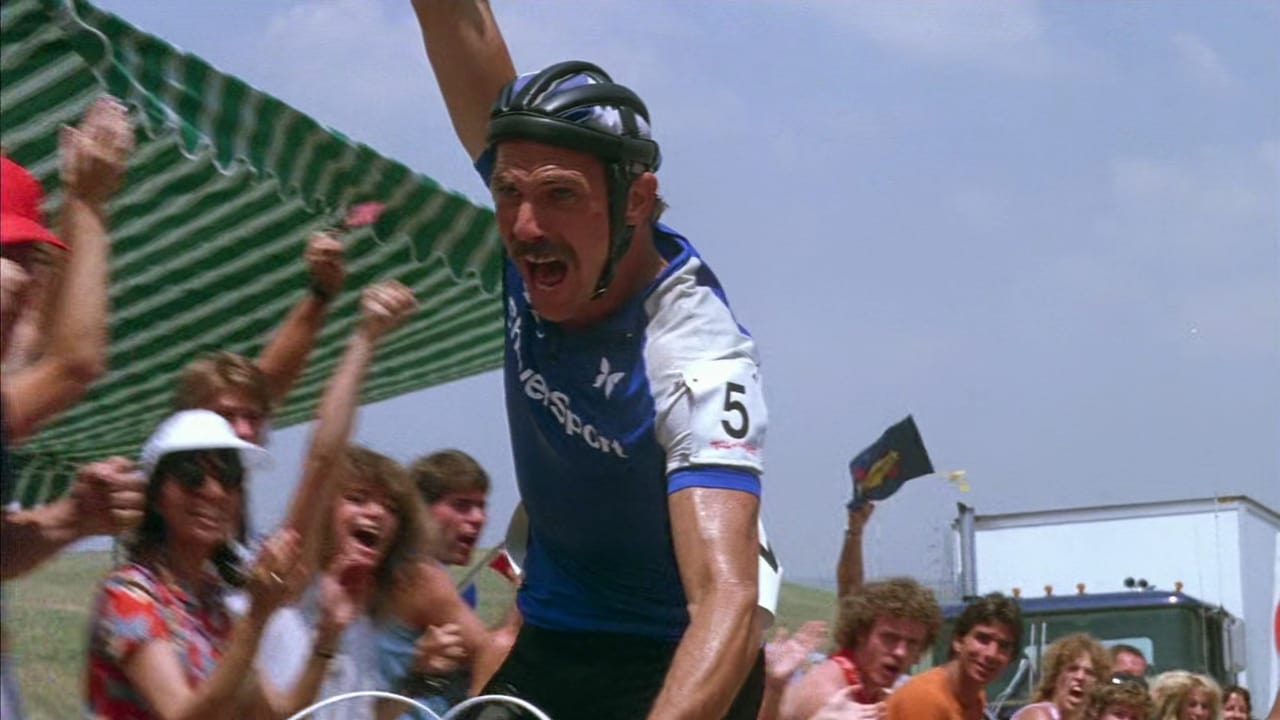
American Flyers is a film of contrasts: thrilling sports action set against a somber exploration of family and mortality. It’s elevated by Steve Tesich's thoughtful script (even with its melodramatic leanings), committed performances from Costner and Grant, and John Badham's visceral direction of the cycling sequences. It may not have the universal appeal of Breaking Away, but it offers a more mature, complex, and visually arresting ride. It captures that specific 80s blend of spectacle and heart, even when navigating some bumpy narrative terrain.
Rating: 7/10 - This score reflects the film's genuine strengths: the outstanding race cinematography, the core brotherly relationship brought to life by Costner and Grant, and Tesich’s unique voice exploring weighty themes through sport. The thrilling authenticity of the cycling elevates it significantly. It loses points for the somewhat dated and heavy-handed medical melodrama, which occasionally detracts from the subtler character work. However, its earnestness and ambition make it a worthy revisit.
What lingers after the credits roll isn't just the breathtaking Colorado scenery, but the quiet understanding that passes between two brothers pushed to their absolute limits – a testament to resilience, both on the bike and off. It’s a film that truly earns its sweat.