Alright, fellow tape-heads, let’s rewind to a time when the Shaw Brothers logo hitting your fuzzy CRT screen meant you were in for something special. Tonight, we’re popping in a well-loved, perhaps slightly worn cassette of 1980’s Return to the 36th Chamber (also known sometimes, confusingly, as Master Killer II). Now, if you rented this expecting a direct sequel to the iconic The 36th Chamber of Shaolin (1978), you might have done a double-take. Settle back, maybe crack open a Tab cola, because this one takes a delightful, unexpected detour.
### Not the Monk You're Looking For
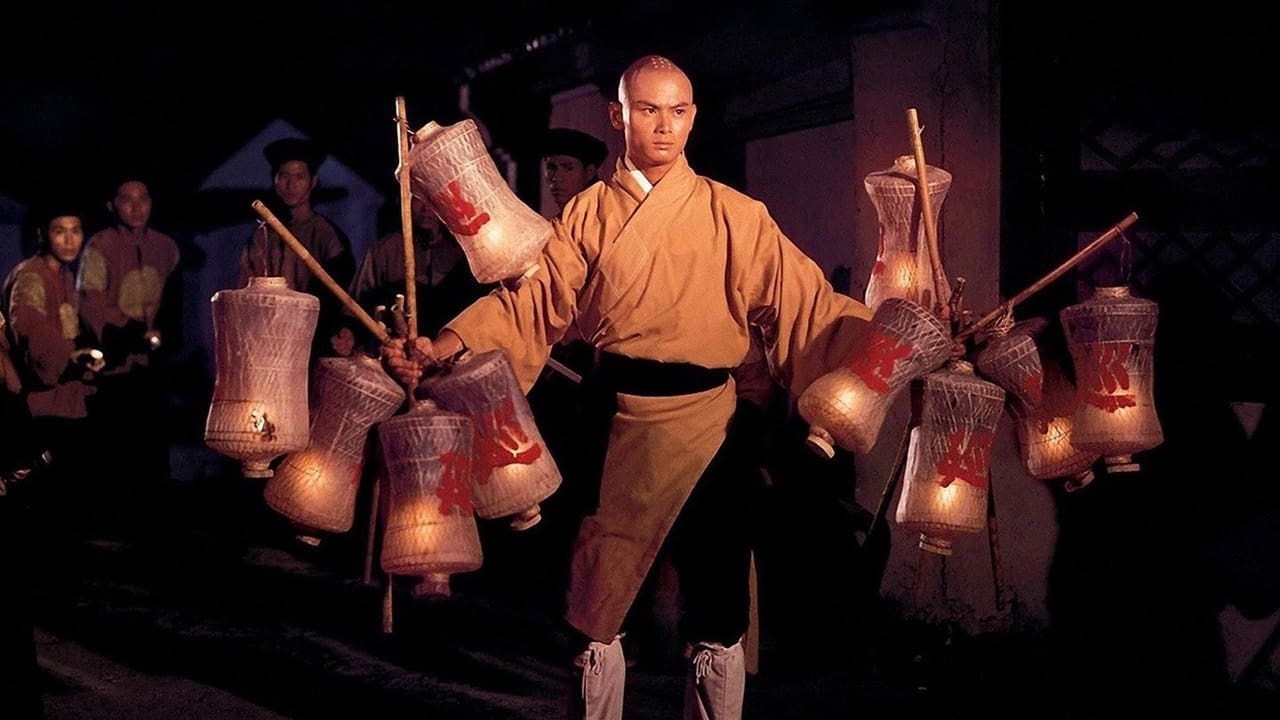
Instead of the revered San Te, we get Gordon Liu (Liu Chia-Hui) playing Chu Jen-chieh, a down-on-his-luck con man and aspiring actor whose martial arts skills are… well, non-existent. He gets hired by desperate dye factory workers, exploited by ruthless Manchu bosses and their thuggish foreman, to impersonate the legendary Abbot San Te. The idea? Scare the oppressors straight with the reputation of Shaolin power. What follows is pure comedic gold, watching Liu fumble, posture, and ultimately get found out and brutally beaten. It’s a surprisingly funny and vulnerable performance from Liu, showcasing a range many only familiar with his stoic heroes might not expect. It was a bold move by director Lau Kar-leung, fresh off the serious original, to pivot so sharply into comedic territory for this spiritual successor.
### The Lau Kar-leung Difference

And let’s talk about Lau Kar-leung. This man wasn’t just a director; he was a martial arts master carrying on a lineage (his father studied under a disciple of the legendary Wong Fei-hung), and it showed in every frame. Forget the floaty wire-fu that would dominate later Hong Kong action. Lau’s choreography, especially in this Shaw Brothers era, felt grounded, intricate, and incredibly real. He demanded authentic skills from his performers, and you can see that dedication shine through. Working frequently with his incredibly talented godbrother, Gordon Liu, and stunt performers like the agile Hsiao Ho (who plays the main Manchu stooge here), Lau crafted action sequences that were less about impossible physics and more about technique, timing, and sheer physical endurance. Remember how crisp those blocks and strikes looked, even through VHS tracking fuzz? That was the Lau Kar-leung touch.
### Training Day, Shaw Brothers Style
The heart of Return to the 36th Chamber, and the part that likely burned itself into your memory banks, is the middle section. After his humiliating defeat, Chu Jen-chieh cons his way into the real Shaolin Temple, hoping to learn genuine kung fu. But the Abbot sees through him, assigning him seemingly endless, back-breaking menial tasks instead of formal training. This is where Lau’s genius truly explodes onto the screen. Chu spends months constructing bamboo scaffolding all around the temple, hauling heavy buckets, lashing poles together… and slowly, unknowingly, developing incredible strength, balance, agility, and wrist power.
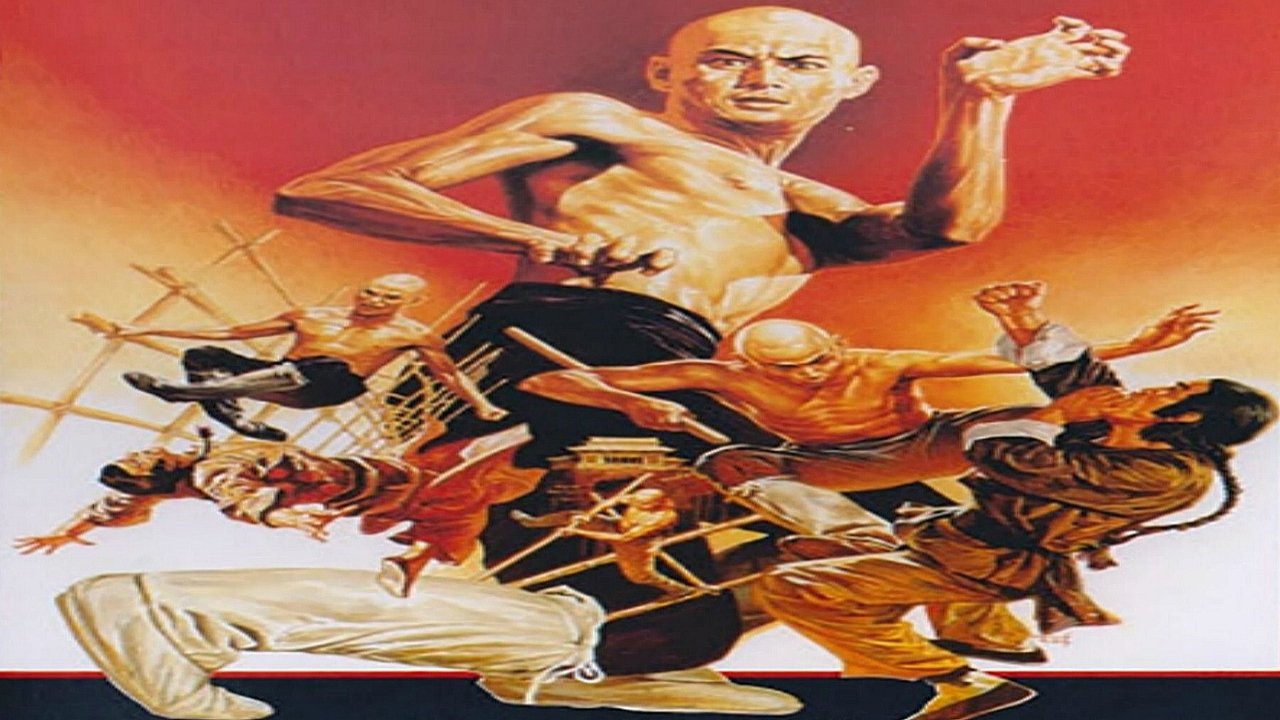

The sequences of him working on the scaffolding are legendary for a reason. Forget green screens and digital doubles – this was Gordon Liu, dozens of feet in the air, on rickety bamboo structures, performing complex physical actions. The sheer practicality of it is breathtaking even today. You feel the height, the danger, the exhaustion. Lau Kar-leung famously believed that training should look achievable, even if extraordinarily difficult, and built these sequences around the idea that dedication to mundane tasks could forge a martial artist. Seeing Chu gradually realize he has learned kung fu through this labour is incredibly satisfying. Reportedly, Lau wanted to show a different path to mastery, one born from perseverance rather than innate talent or formal instruction, a theme that resonates beautifully.
### Payback is Dyed Red
Of course, all this incredible training needs a payoff. Chu, now genuinely skilled (and having humbly learned his lesson), returns to the dye factory. The final act delivers the cathartic beatdown we’ve been waiting for. Seeing Chu utilize his "scaffolding kung fu" – using wrist locks learned from tying knots, powerful stances from carrying buckets, incredible agility from navigating the bamboo heights – against the foreman and his goons is pure Shaw Brothers bliss. Kara Hui (credited as Kara Wai Ying Hung), another Lau Kar-leung regular and incredible talent in her own right, also gets involved representing the suffering workers, adding to the eventual triumph. The vibrant colours of the dye vats make for a visually striking backdrop to the final confrontation, a typical flourish from the Shaw Brothers Movietown productions where much of this was likely filmed. The screenplay, co-written by the prolific Ni Kuang and Lau Kar-leung himself, hits all the satisfying notes of a classic underdog revenge tale, elevated by the unique training method.
### Still Worth the Rental Fee?
While perhaps not possessing the solemn importance of the original 36th Chamber, Return holds a special place for its sheer ingenuity and blend of humour and hardship. Some critics at the time might have been thrown by the comedic first act, but audiences, especially those discovering it on home video, embraced its unique charm and unforgettable training sequences. It showcased Gordon Liu's versatility and cemented Lau Kar-leung's reputation as a master craftsman who could innovate within the familiar kung fu framework. The mix of genuine laughs and truly awe-inspiring physical performance makes it a standout.
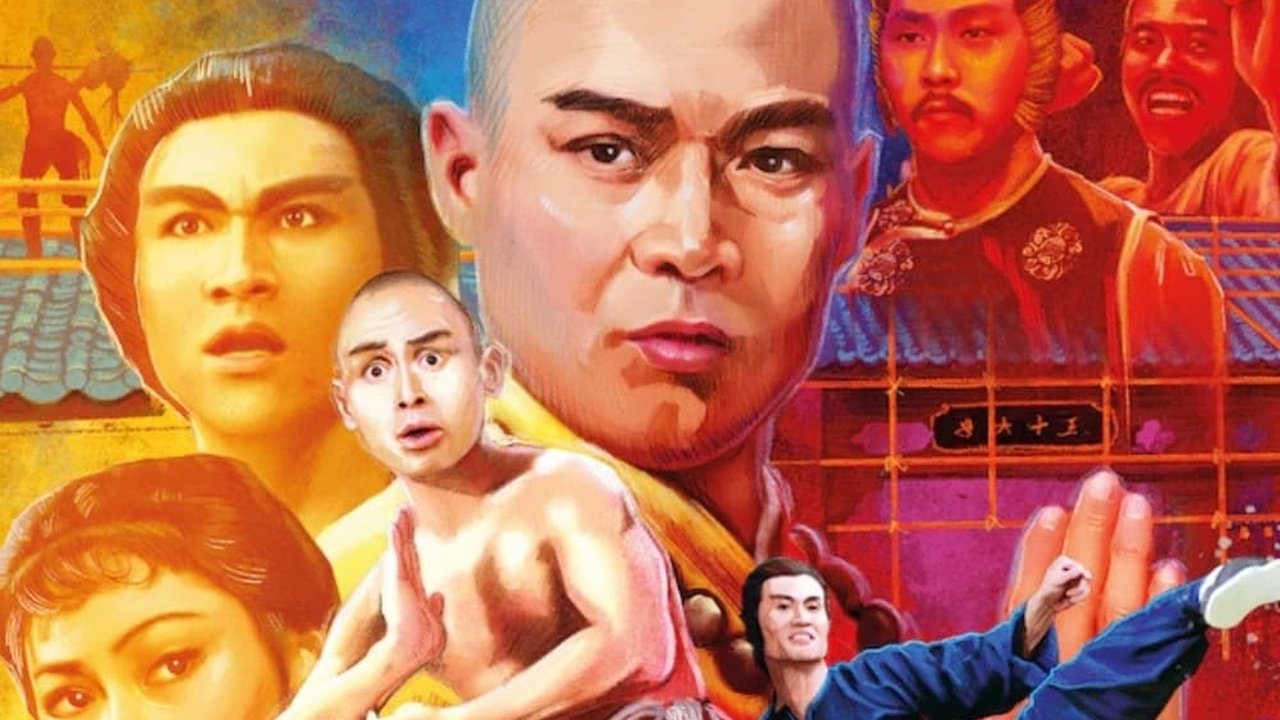
Rating: 8.5/10
Justification: While the initial comedic tone might slightly unbalance it compared to the near-perfect original, the film recovers magnificently. Gordon Liu's dual performance is superb, Lau Kar-leung's direction and choreography are top-tier, and the scaffolding training sequence remains an all-time great moment in martial arts cinema history. The practical stunts feel raw and impactful, a testament to the skill and guts of the performers. It’s inventive, entertaining, and deeply satisfying.
Final Take: Forget wires and CGI – this is kung fu built with sweat, bamboo, and sheer willpower. A must-watch artifact from the golden age of Shaw Brothers action that proves sometimes the best training montage involves manual labour. Pure VHS Heaven.