Alright, settle in and rewind your minds. Let's talk about a movie that probably raised a few eyebrows back at the video store checkout counter. Picture this: you scan the action aisle, crammed with familiar heroes and explosive cover art, and then you see it. Jackie Chan. Andy Lau. Sammo Hung. Tony Leung Ka-fai. All on one tape! The title? Island of Fire (1990). You grab it, expecting maybe a high-octane martial arts extravaganza. What you got instead was... something else entirely. Something darker, grittier, and frankly, bizarre.
### Not Your Typical Prison Break
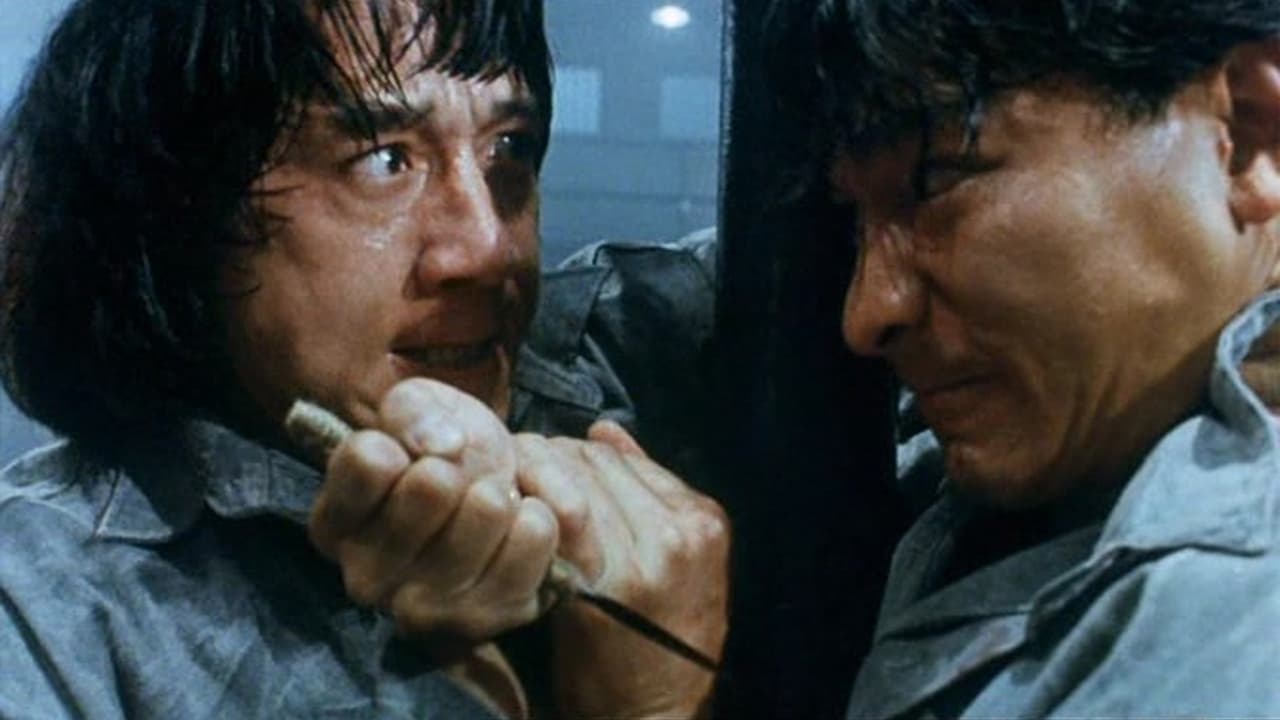
Island of Fire throws us headfirst into the brutal confines of a Taiwanese prison, a place where life is cheap and escape seems impossible. Police Inspector Wong (Tony Leung Ka-fai, bringing his characteristic intensity even then) goes deep undercover to unravel the mystery behind his father-in-law's assassination, believing the killer is incarcerated within these walls. Inside, he encounters a rogue's gallery of inmates, including the effortlessly cool Steel Ball (Andy Lau, already a Cantopop king and movie star), the resourceful Fatty Liu (Sammo Hung, radiating world-weary toughness), and, most jarringly, Lung (Jackie Chan), a billiard-playing convict consumed by a quest for vengeance after his girlfriend's accidental death.
Seeing Jackie Chan, the master of acrobatic comedy and death-defying stunts, playing such a straight, grim dramatic role was a genuine shock back in the day. Gone were the goofy smiles and inventive prop fights; here, he was brooding, intense, and involved in shootouts rather than intricate choreography. It felt... off. And there's a compelling, if grim, behind-the-scenes reason often whispered among hardcore fans. Rumor has long persisted that both Chan and Lau were essentially strong-armed into appearing in the film due to pressure from powerful Hong Kong Triads, possibly as repayment for perceived debts or favors. This alleged coercion might explain Chan's uncharacteristically serious performance and relatively segmented screen time – it wasn't necessarily a role he chose. It adds a layer of uncomfortable reality to the film's already harsh atmosphere.
### Raw, Gritty, and Very 90s Hong Kong
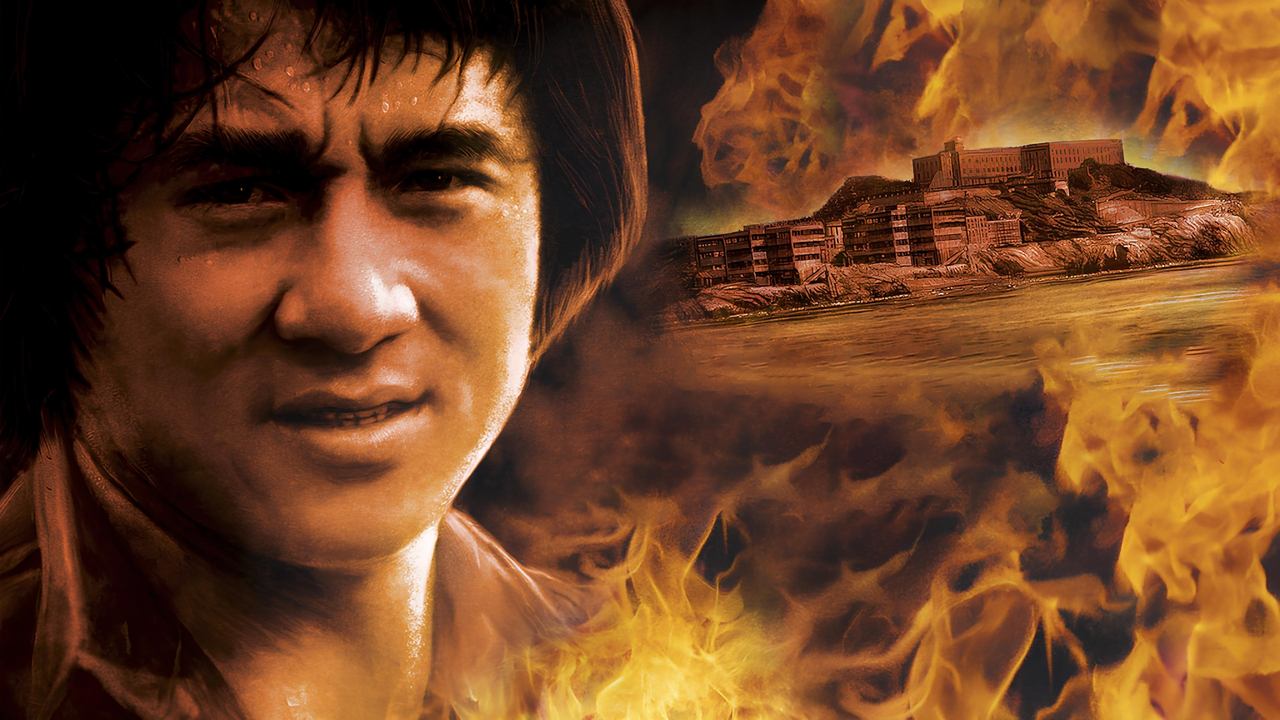
Forget the polished wire-fu that would dominate later Hong Kong action. Directed by Kevin Chu, Island of Fire opts for a much rougher, more grounded style. The action here is about desperate brawls in the prison yard, tense standoffs, and explosive, chaotic gunfights. When bullets hit, they hit – squibs burst with messy enthusiasm, and bodies fall hard. Remember how real those practical bullet hits looked back then, before digital blood spray became the norm? This film is packed with that visceral impact.
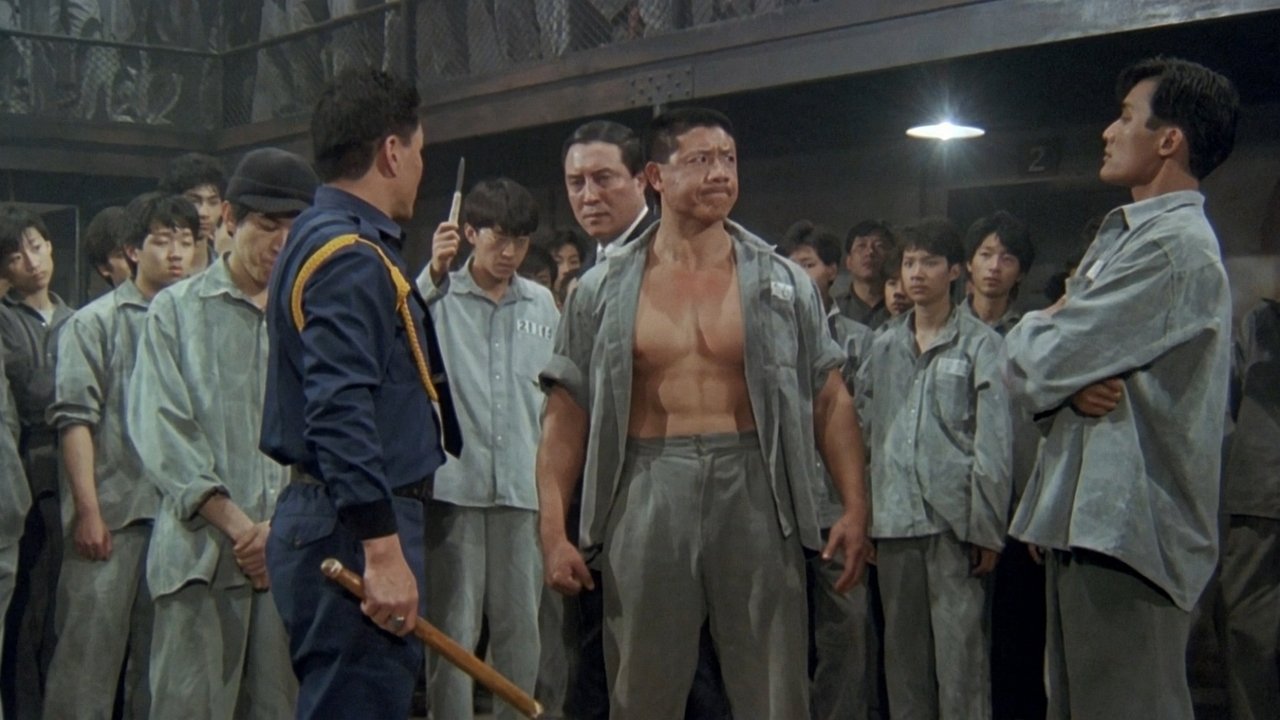
The prison setting itself is suitably grim, all dank concrete and simmering violence. While the plot sometimes feels disjointed, jumping between character arcs, it effectively conveys the hopelessness and danger of the environment. Sammo Hung, who likely had a hand in coordinating some of the action despite not being the main director, brings his usual physical presence, even when not performing elaborate kung fu. The film culminates in a wildly over-the-top third act where our main characters are recruited for a suicide mission outside the prison walls, leading to an explosive airport hangar showdown that feels almost like a different movie bolted on. It’s pure, unadulterated, early 90s excess – cars exploding, machine guns blazing, heroes making dramatic last stands. It might lack the finesse of a John Woo picture, but it doesn't skimp on the firepower.

### A Star-Studded Anomaly
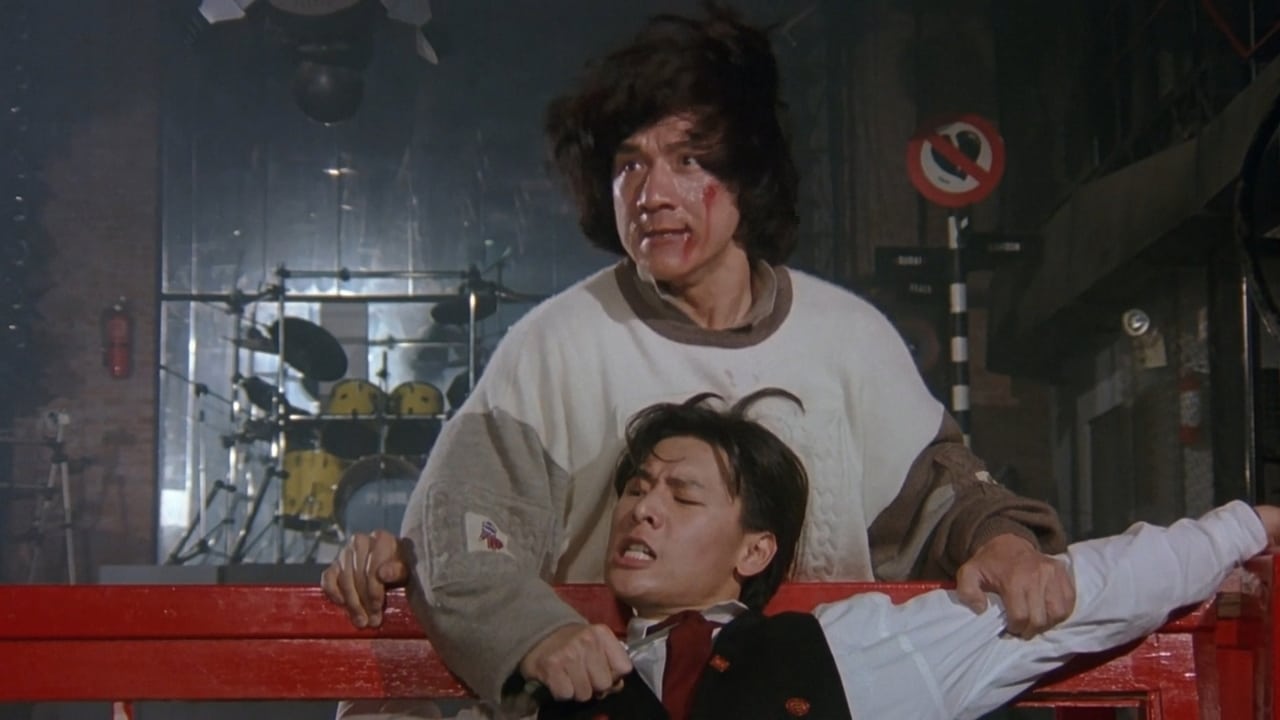
The sheer assembly of talent here is staggering for what is essentially a grim B-movie prison flick. Tony Leung Ka-fai anchors the film with a committed performance, Andy Lau provides the requisite movie-star charisma, and Sammo Hung adds veteran gravitas. But it’s Jackie Chan’s presence that makes Island of Fire such a fascinating curio. Watching it feels like glimpsing an alternate reality where Chan pursued darker, more dramatic roles. It's a testament to the sometimes chaotic nature of Hong Kong filmmaking during that era, where star power could be marshalled for projects that didn't necessarily play to their established strengths, sometimes under less-than-ideal circumstances.
The film wasn't a huge critical success upon release, often criticized for its uneven tone and somewhat nonsensical plot, especially the abrupt shift in the final act. Different versions also circulated, including a Taiwanese cut that apparently featured even more screen time for local star Jimmy Wang Yu (who plays the prison warden). Yet, despite its flaws, Island of Fire has earned a solid cult following precisely because it’s such an oddity. Finding this tape felt like discovering a secret, slightly forbidden chapter in the careers of these legendary stars.
***
VHS Heaven Rating: 6/10
Justification: Island of Fire is undeniably messy. The plot lurches, the tone is uneven, and seeing Jackie Chan this grim feels wrong on some level. However, the sheer, unbelievable star power crammed into this gritty prison setting is undeniable. The practical action, though rough, delivers that raw, visceral punch characteristic of the era’s HK output. The alleged behind-the-scenes drama adds a layer of morbid fascination. It gets points for its unique place in Hong Kong cinema history and for the sheer audacity of its casting, even if the final product is far from perfect.
Final Thought: A fascinatingly flawed slice of early 90s Hong Kong grit, Island of Fire is the kind of movie you'd rent purely for the names on the box, watch with bewildered fascination, and then spend years debating with fellow fans – a true VHS era anomaly.