Alright class, settle down! Grab your rewind knob and pop this one in the VCR. Tonight on VHS Heaven, we're heading back to school – the kind of school that makes Blackboard Jungle look like a kindergarten picnic. I'm talking about 1987's The Principal, a film that slammed James Belushi's comedic persona against the lockers and introduced us to Rick Latimer, a man whose solution to disciplinary problems often involved a baseball bat and righteous fury.
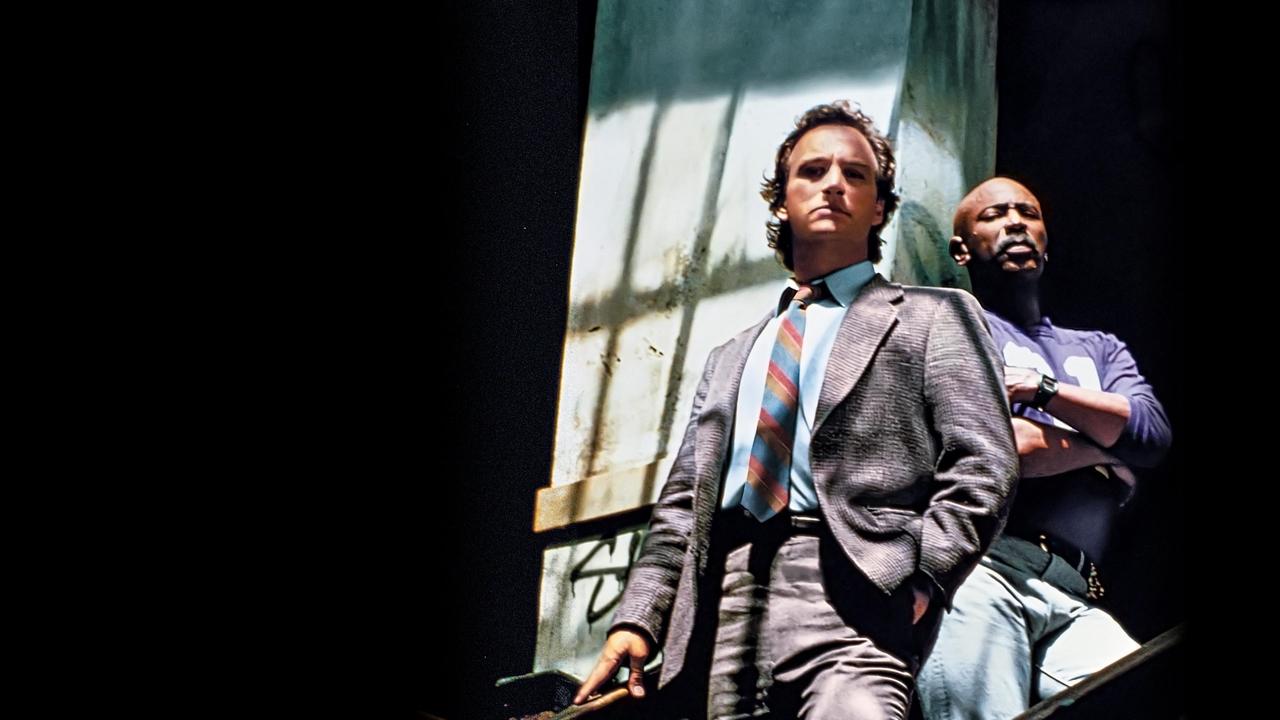
Forget finding this nestled in the comedy section next to Belushi's earlier hits like About Last Night.... When The Principal landed on video store shelves, its stark cover art promised something harder, grittier. And boy, did it deliver, offering a potent cocktail of urban vigilante fantasy mixed with high school drama, all filtered through that distinctively raw 80s action lens. It felt like a statement piece for Belushi, a deliberate swerve into leading man territory with fists first.
Welcome to Brandel High
The premise is beautifully simple, almost primal: Rick Latimer, a volatile but essentially decent teacher, finally goes too far (attacking his ex-wife's lawyer's car with a baseball bat – classic 80s intro!) and gets "promoted" to Principal of Brandel High. This isn't just any school; it's the absolute bottom of the barrel, a warzone ruled by gangs, drug dealers, and utter despair. Think Lean on Me meets Death Wish. The school is practically a character itself, portrayed with a grim authenticity. This wasn't some Hollywood backlot; much of the filming took place at the very real Oakland High School in California, lending the hallways and classrooms an undeniable sense of place and decay that you could almost smell through the fuzzy CRT picture.
Belushi Breaks Bad (Kind Of)
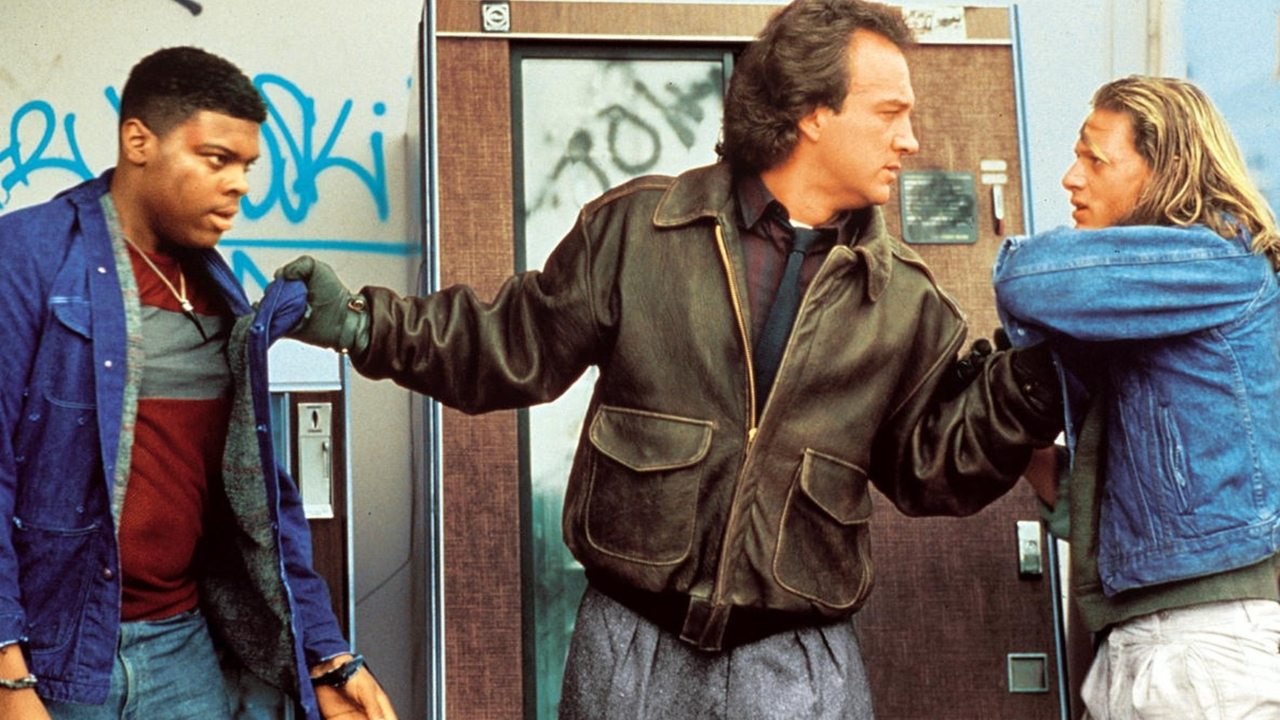
Seeing James Belushi, then primarily known for his energetic, often slovenly comedic roles, step into the shoes of the tough-as-nails Latimer was initially jarring, but ultimately compelling. He brings a simmering rage and a wounded pride to the role. Latimer isn’t a superhero; he’s flawed, impulsive, and clearly in over his head, but he possesses a core of righteous anger that fuels his one-man crusade to reclaim the school. Belushi commits fully, selling both the physical confrontations and the moments of weary determination. It wasn't just a paycheck; he reportedly threw himself into the role, eager to show a different side after his Saturday Night Live and comedy film background.
Of course, he’s not entirely alone. Enter Louis Gossett Jr. as Jake Phillips, the school's weary but capable head of security. Gossett Jr., already an Oscar winner for An Officer and a Gentleman (1982), brings instant gravitas and serves as the perfect counterpoint to Belushi's hotheadedness. Their dynamic – the cautious veteran and the bull-in-a-china-shop newcomer – forms the heart of the film. Their interactions feel genuine, building a believable, if initially reluctant, alliance against overwhelming odds. Rae Dawn Chong also features as Hilary Orozco, a dedicated teacher trying to make a difference, providing a necessary dose of idealism amidst the chaos, though her character perhaps feels a touch underdeveloped by today's standards.

Hallway Havoc and Real-Deal Stunts
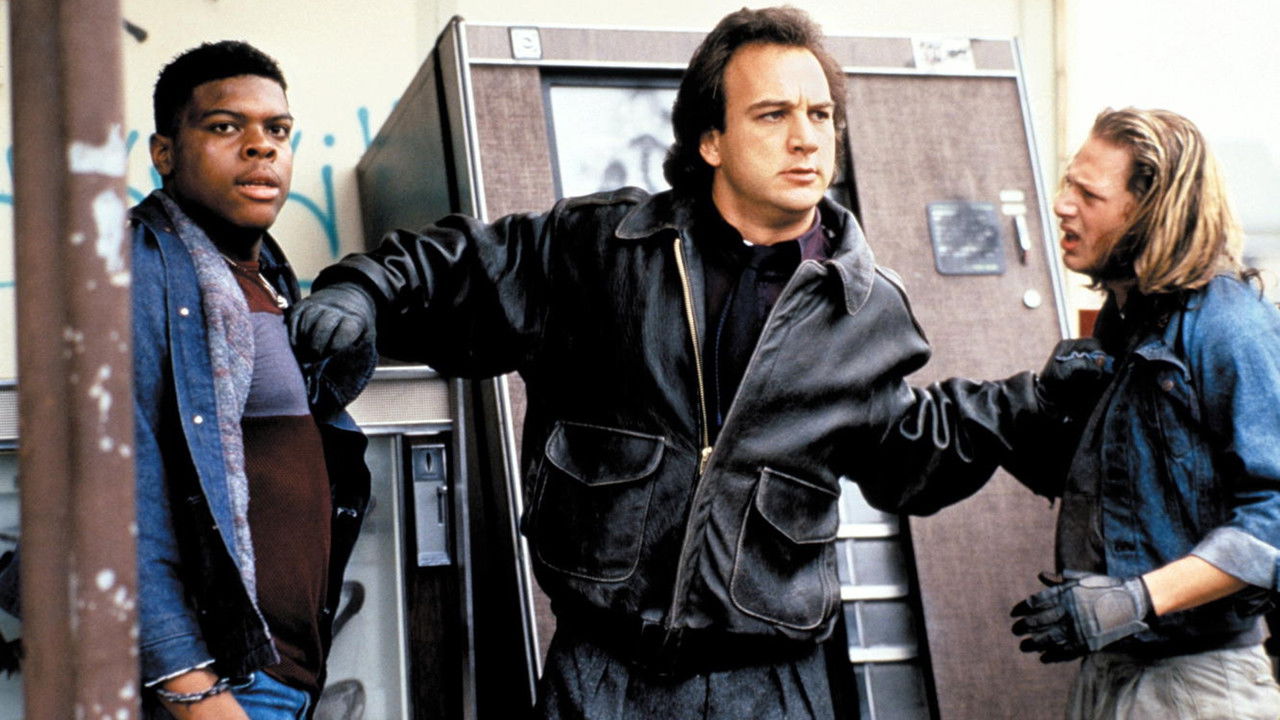
Let's talk action, because The Principal delivers the goods in that gloriously practical 80s way. Forget slick CGI – this is the era of real impacts, tangible danger, and stunt performers earning every penny. Remember that insane motorcycle chase through the school hallways? That wasn't faked on a green screen. That was real bikes, real corridors, and some seriously skilled riding, capturing a chaotic energy that digital effects often struggle to replicate. It felt dangerous because, well, it was dangerous. The fight scenes are similarly brutal and grounded – no wire-fu here, just desperate brawls that feel less choreographed and more like actual struggles for survival. You felt the thud of fist on bone, the shattering glass. It’s the kind of visceral filmmaking that director Christopher Cain, who would helm the similarly rough-and-tumble Young Guns just a year later, clearly had a knack for.
Adding to the gritty atmosphere is a suitably urgent score, emphasizing the tension and danger lurking around every corner. It wasn't a chart-topper, but it perfectly complemented the film's tone.
A Product of Its Time, But Still Packs a Punch
Sure, looking back through our 21st-century lens, some elements feel distinctly Reagan-era. The social commentary on urban decay and failing schools, while relevant, is handled with the subtlety of Latimer's baseball bat. The solutions presented are simplistic, boiling down complex issues to good guys vs. bad guys. But that bluntness is also part of its charm, part of what made it resonate with audiences hungry for clear-cut cinematic justice back then.
Critically, The Principal received a mixed reception upon release. Some found it formulaic or overly violent, while others praised the performances and the raw energy. It wasn't a blockbuster smash, earning a respectable but not staggering $19.7 million at the US box office against its estimated $10 million budget. However, like so many films of its ilk, it found a robust second life on VHS, becoming a weekend rental staple for anyone craving some hard-hitting, non-nonsense action with a side of righteous indignation. I definitely remember seeing that tape frequently on the 'New Releases' wall and later in the 'Action' aisle at my local rental joint.
The Final Bell
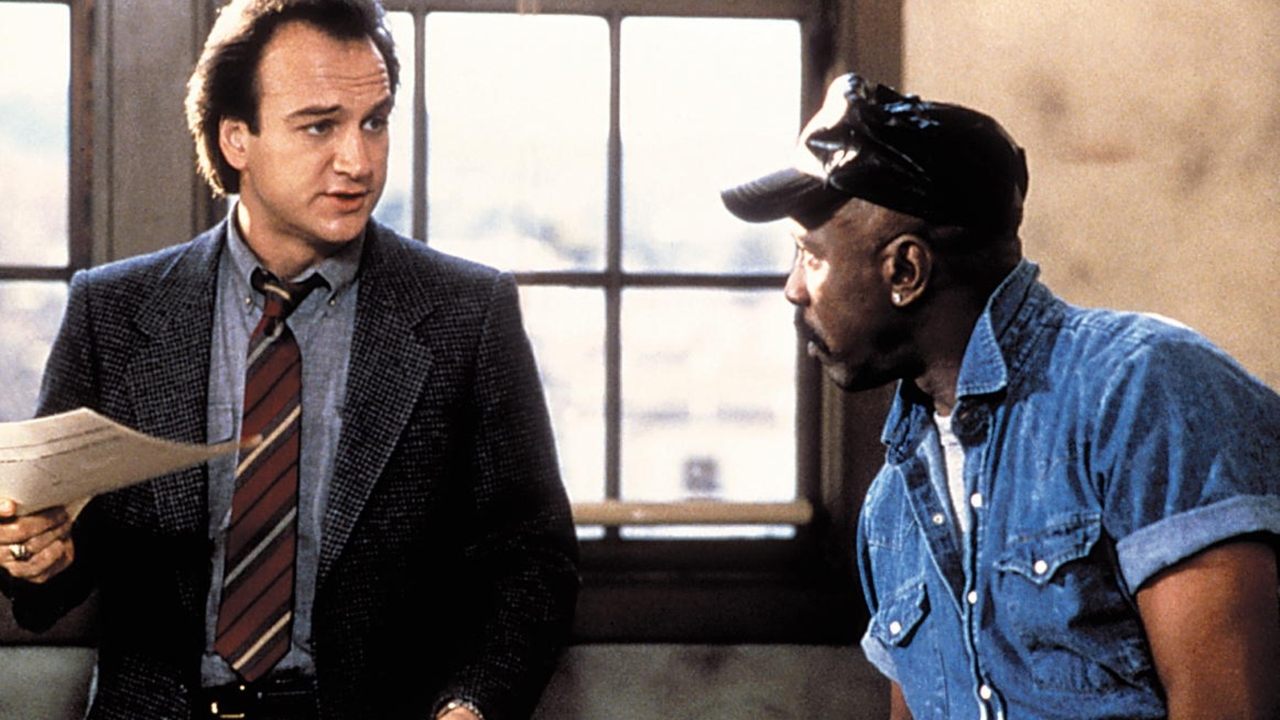
The Principal isn't high art, but it's potent, well-crafted 80s action filmmaking. It's a showcase for a different side of James Belushi, features a commanding performance from Louis Gossett Jr., and delivers the kind of practical, impactful action sequences that defined the era. It’s gritty, intense, and maybe a little simplistic, but it’s undeniably entertaining.
Rating: 7/10 - The score reflects a solid, entertaining action-drama hybrid that delivers on its premise with strong lead performances and memorable, practical action. It's held back slightly by a somewhat predictable plot and dated social commentary, but its raw energy and Belushi's committed turn make it a standout example of its specific 80s niche.
Final Thought: The Principal is a reminder of a time when cinematic problem-solving often involved direct, physical intervention, and the crunch of a stuntman hitting the floor felt undeniably real – a visceral thrill straight from the magnetic tape era. Still holds up for a dose of old-school grit.