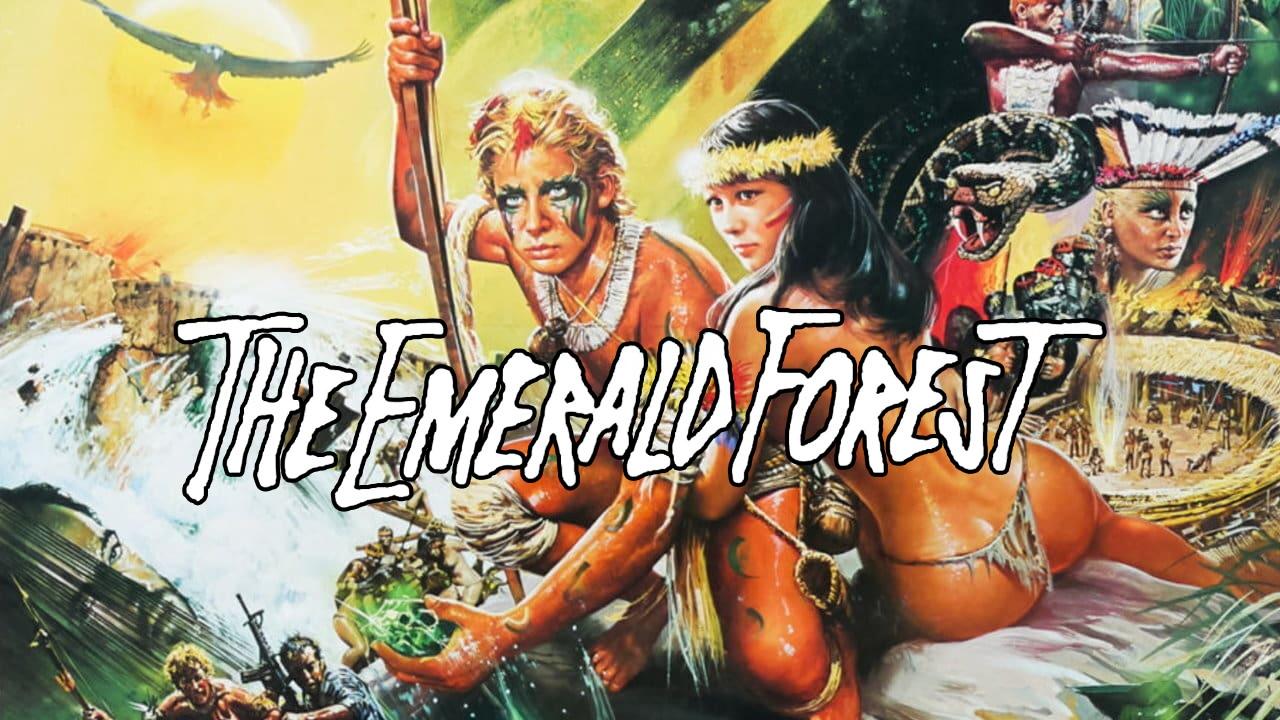
Okay, grab your favourite armchair, maybe pour yourself something comforting, because we're diving deep into the humid, vibrant, and often perilous world of John Boorman's 1985 epic, The Emerald Forest. This isn't your typical jungle adventure flick; it’s something stranger, more ambitious, and ultimately, more haunting. Forget swashbuckling heroes – the central image here is one of profound loss and almost mythical obsession: a father’s decade-long search for his son, swallowed whole by the Amazon rainforest.
### The Unthinkable Loss
The premise, based on a harrowing true story, hits hard from the outset. Powers Boothe, an actor who always radiated intense focus, plays Bill Markham, an American engineer overseeing the construction of a massive hydroelectric dam on the edge of the Brazilian rainforest. During a family picnic near the construction site, his young son, Tommy, wanders off and vanishes, spirited away by an indigenous tribe known as the "Invisible People." The initial search is frantic, futile. But Markham refuses to give up. For ten long years, he plunges repeatedly into the dense, unforgiving jungle, learning its ways, following whispers and rumors, driven by a hope that flickers against overwhelming odds. Boothe embodies this obsession perfectly; you see the toll etched onto his face, the single-minded determination that borders on madness, yet feels utterly understandable. His quest becomes the film's relentless heartbeat.
### Worlds in Collision
What makes The Emerald Forest resonate beyond a simple rescue narrative is its powerful, often unsettling portrayal of cultural collision. The encroaching "termite" world of Markham's dam – representing industrial progress – stands in stark contrast to the ancient, spiritually rich existence of the tribes. Boorman, who previously explored man versus nature in Deliverance (1972) and mythical landscapes in Excalibur (1981), doesn't shy away from the complexities. The "Invisible People," who raise Tommy as one of their own (renaming him Tomme), are depicted with a certain nobility and connection to the natural world. Their lives, filled with ritual and deep ecological understanding, are contrasted with the destructive force of the dam and the brutality of the rival "Fierce People" tribe, who trade captives for firearms.
It’s fascinating to see Charley Boorman, the director's own son, portray the teenage Tomme. He brings a physicality and earnestness to the role, embodying the conflict of a boy caught between two worlds. Knowing that Charley reportedly spent time living with indigenous people in preparation adds a layer of authenticity to his immersion. There's a poignant scene where Tomme, after finally being reunited with his father, struggles to reconcile his tribal identity with the faint memories of his past life. Which world is truly home? The film doesn't offer easy answers.
### Filming the Impossible Forest
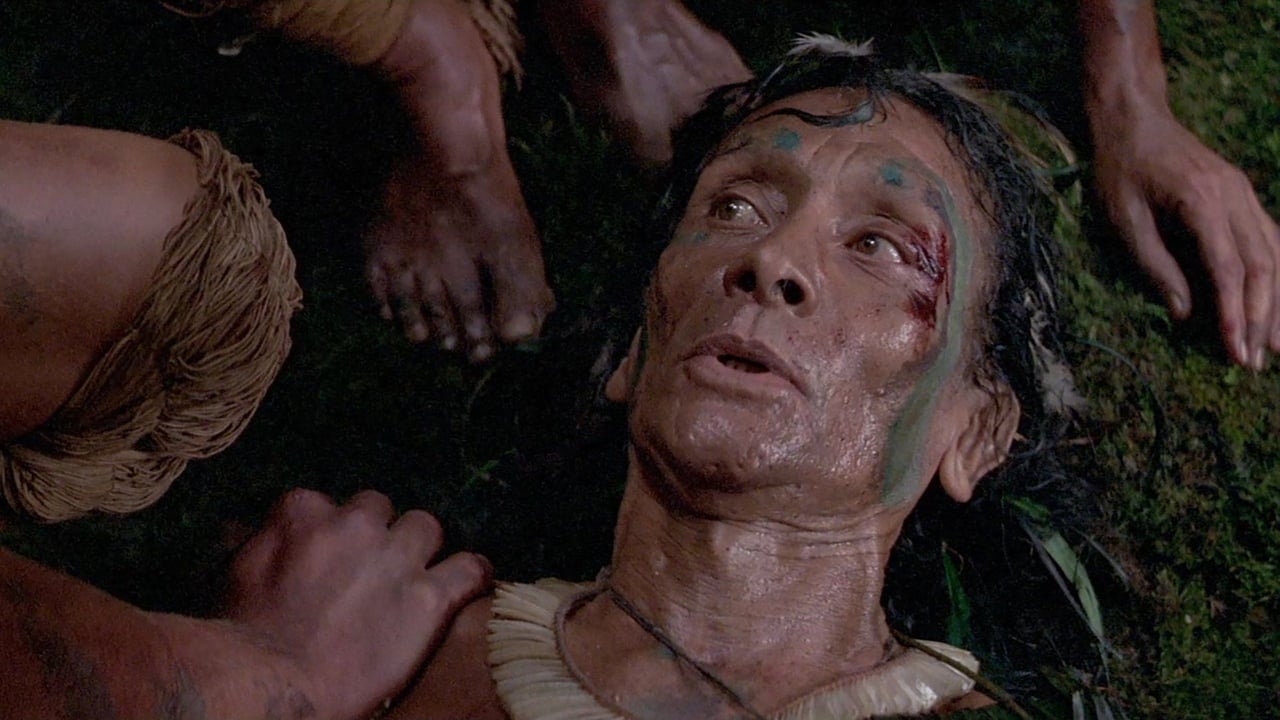
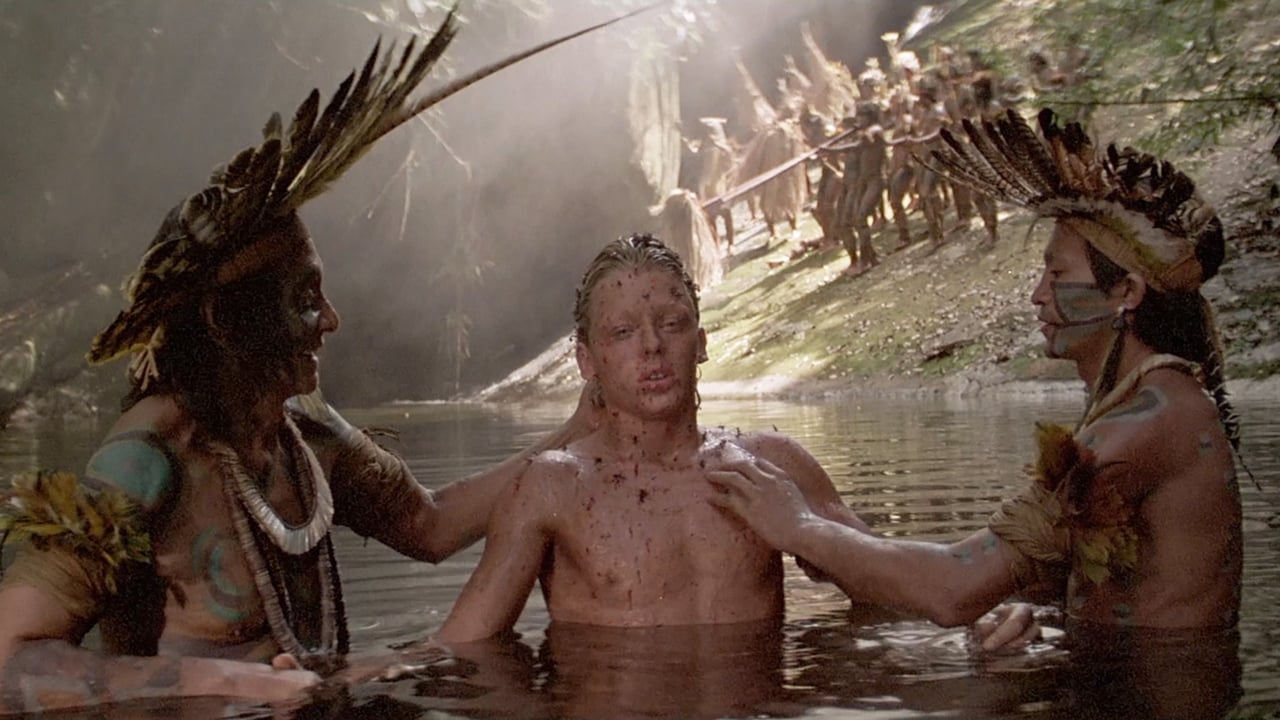
Visually, The Emerald Forest is breathtaking. Cinematographer Philippe Rousselot captures the overwhelming scale and sensory richness of the Amazon – the dappled light filtering through the canopy, the teeming life, the ever-present danger. You feel the humidity, the density of the air. This wasn't shot on a backlot; the production famously braved the challenges of filming deep within the Brazilian rainforest near the Trombetas River and Carrao River. This commitment to location shooting gives the film an immersive quality that CGI simply couldn't replicate today. You can almost imagine the crew battling the elements, much like Markham battles the jungle itself. Apparently, the logistics were a nightmare, involving complex transport and constant negotiation with the environment – a struggle mirrored in the film's plot. The tribal makeup and adornments, particularly for the Invisible People, are striking and feel meticulously researched, adding to the film's unique aesthetic.
### Echoes in the Canopy: Trivia and Tidbits
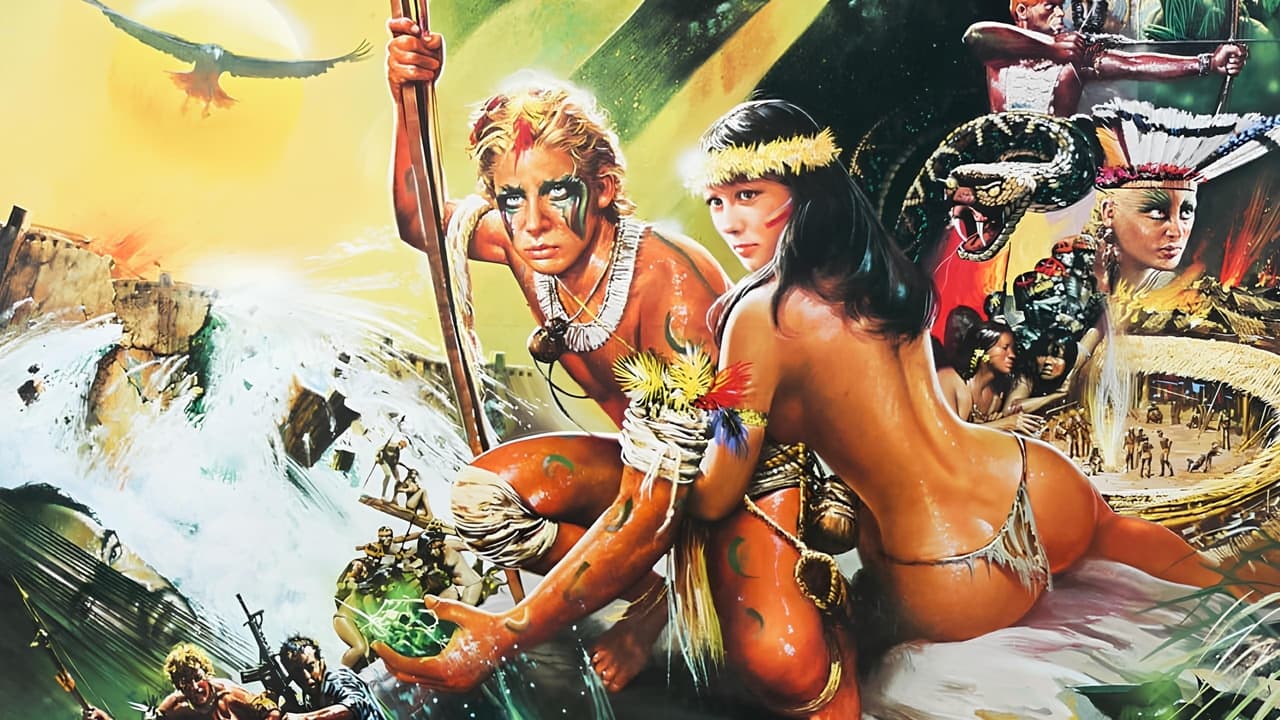
Beyond the main story, The Emerald Forest has some interesting footnotes. The film is indeed based on the real-life experiences of Peruvian engineer Leonard Greenwood, whose son vanished in the jungle and was found years later living with a remote tribe. While the film takes dramatic liberties, the core emotional truth of that relentless parental search remains. The film’s potent environmental message about deforestation and the destruction of indigenous cultures was quite ahead of its time for a mainstream 1985 release, arriving before these themes became more common cinematic fodder. Its relatively modest budget (around $15 million) yielded a respectable box office (around $24.5 million), finding an audience drawn to its unique blend of adventure, drama, and anthropological exploration. It certainly stood out on the video store shelf – that evocative cover art promised something different, and for the most part, it delivered. I remember my own well-worn VHS copy; it felt like discovering a hidden, slightly dangerous world every time I pressed play.
### Legacy and Lingering Questions
Does the film hold up? Mostly, yes. Boothe's central performance remains incredibly powerful, anchoring the film's more mystical and potentially controversial elements. Meg Foster, as Tommy’s mother Jean, brings her trademark intensity to a smaller but significant role, embodying the enduring pain of loss back in the "civilized" world. The film’s pacing might feel deliberate to modern audiences accustomed to quicker cuts, but it allows for immersion in the atmosphere and the weight of Markham's decade-long search. Some might critique the portrayal of the indigenous tribes through a Western lens, a common point of discussion for films of this era, but Boorman's intent feels more respectful and questioning than exploitative. He seems genuinely fascinated by the spiritual connection the Invisible People have with the forest, a connection his "civilized" characters have lost.
What lingers most is the film's ambiguity. It celebrates the father's determination but also questions the impact of his intrusion. It highlights the beauty and wisdom of the tribal culture while also acknowledging its vulnerability. It leaves you pondering the cost of "progress" and the meaning of belonging. Doesn't that clash between worlds feel even more relevant today, as the real Amazon faces ever-increasing threats?

---
Rating: 8/10
The Emerald Forest earns this score for its sheer ambition, Powers Boothe's unforgettable central performance, its stunning on-location cinematography that captures the visceral reality of the Amazon, and its ahead-of-its-time environmental conscience. While perhaps a touch slow for some and open to debate regarding its cultural depictions, its willingness to grapple with complex themes and avoid easy answers makes it a standout piece of 80s cinema. It’s a film that transports you, challenges you, and stays with you long after the credits roll – a true journey into the heart of the jungle, and the human spirit. It remains a powerful reminder of a type of challenging, location-driven filmmaking we see too rarely today.