Greystoke: The Legend of Tarzan, Lord of the Apes
There's a certain weight to the oversized Warner Bros. clamshell case for Greystoke: The Legend of Tarzan, Lord of the Apes (1984). Picking it up again after all these years, it doesn't feel like just another jungle adventure flick jostling for space on the rental shelf between Stallone and Schwarzenegger. No, Greystoke always felt… different. More substantial, somehow. More somber. It aimed for something grander than vine-swinging thrills, attempting a truly poignant, almost tragic exploration of Edgar Rice Burroughs' iconic character. Does it fully achieve those lofty ambitions? Pull up a chair, let’s rewind the tape.
Beyond the Jungle Yell
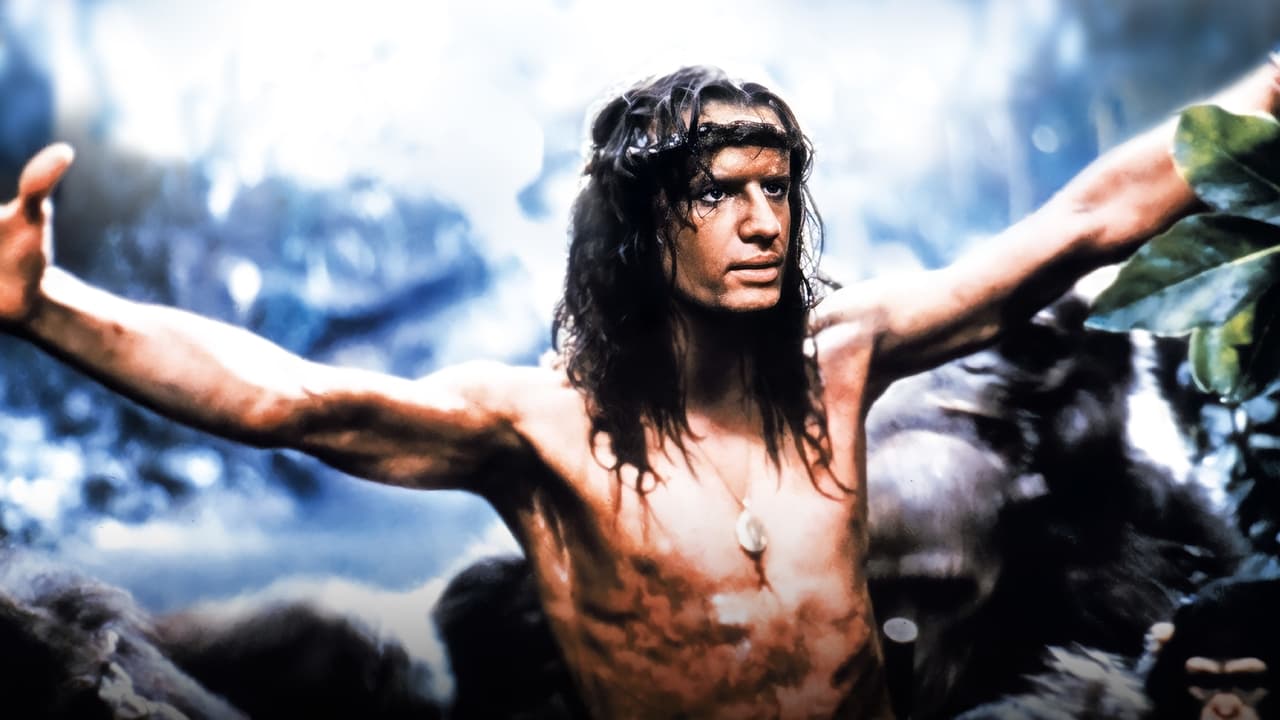
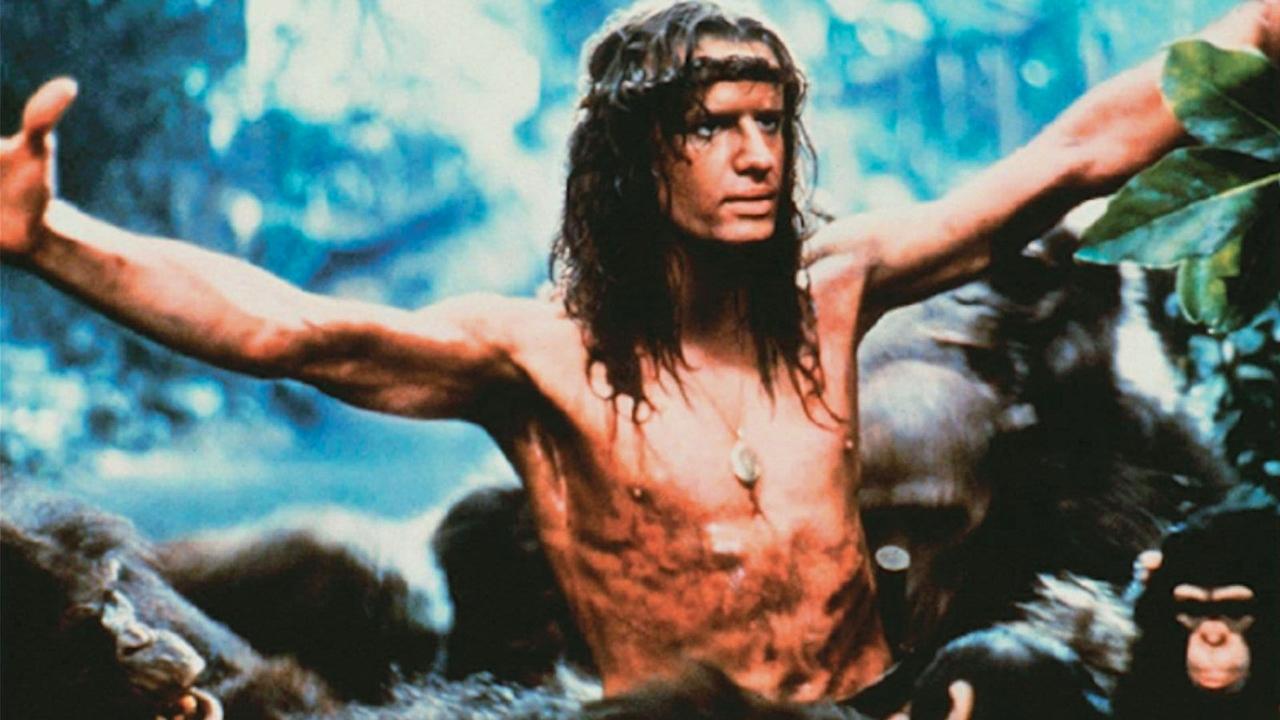
What immediately sets Greystoke apart, especially in its first act, is the staggering commitment to realism in portraying Tarzan’s upbringing. Forget the cheerful chimps of earlier adaptations. Director Hugh Hudson, fresh off his Oscar win for Chariots of Fire (1981), plunges us into a meticulously crafted primate world. The credit here belongs substantially to the legendary Rick Baker and his team, whose ape costumes and makeup weren't just convincing for 1984; they remain breathtakingly lifelike today. Baker deservedly won an Academy Award for his work, and watching these sequences, you understand why. There's a genuine sense of family, hierarchy, and primal communication among the apes who raise the orphaned John Clayton. It’s less an adventure setup and more a National Geographic documentary infused with narrative drama.
Into this world steps Christopher Lambert in his first major English-language role. It's a performance built almost entirely on physicality and instinct in these early scenes. His movements are feral, his gaze intense and searching. He embodies the 'ape-man' with a raw energy that feels utterly convincing. We watch him learn, adapt, and ultimately dominate his environment, not through cartoonish heroics, but through learned animal behaviour and innate intelligence. This grounding makes his eventual 'discovery' feel less like a plot point and more like an abduction.
A Stranger in Strange Lands
The transition from the vibrant, dangerous freedom of the African jungle to the stifling formality of Edwardian England forms the film's thematic core. This is where Greystoke truly wrestles with the nature vs. nurture debate. Rescued by the kindly Belgian explorer Phillippe D'Arnot (Ian Holm, delivering his usual nuanced excellence), John Clayton is returned to his ancestral home and the bewildered embrace of his grandfather, the 6th Earl of Greystoke.
And what a performance we get from Sir Ralph Richardson as the Earl. In his final film role (he sadly passed away shortly after filming), Richardson is simply magnificent. His portrayal of the aging, eccentric, yet deeply loving grandfather provides the film with its emotional anchor. The scenes between him and Lambert, as the Earl gently tries to coax the man out of the wildling, are filled with humour, pathos, and a profound sense of connection that transcends words. There's a beautiful sequence involving a slide down the main staircase – a moment of pure, childlike joy breaking through the stiff upper lip of the aristocracy – that speaks volumes about their bond. It’s a performance for the ages, truly.

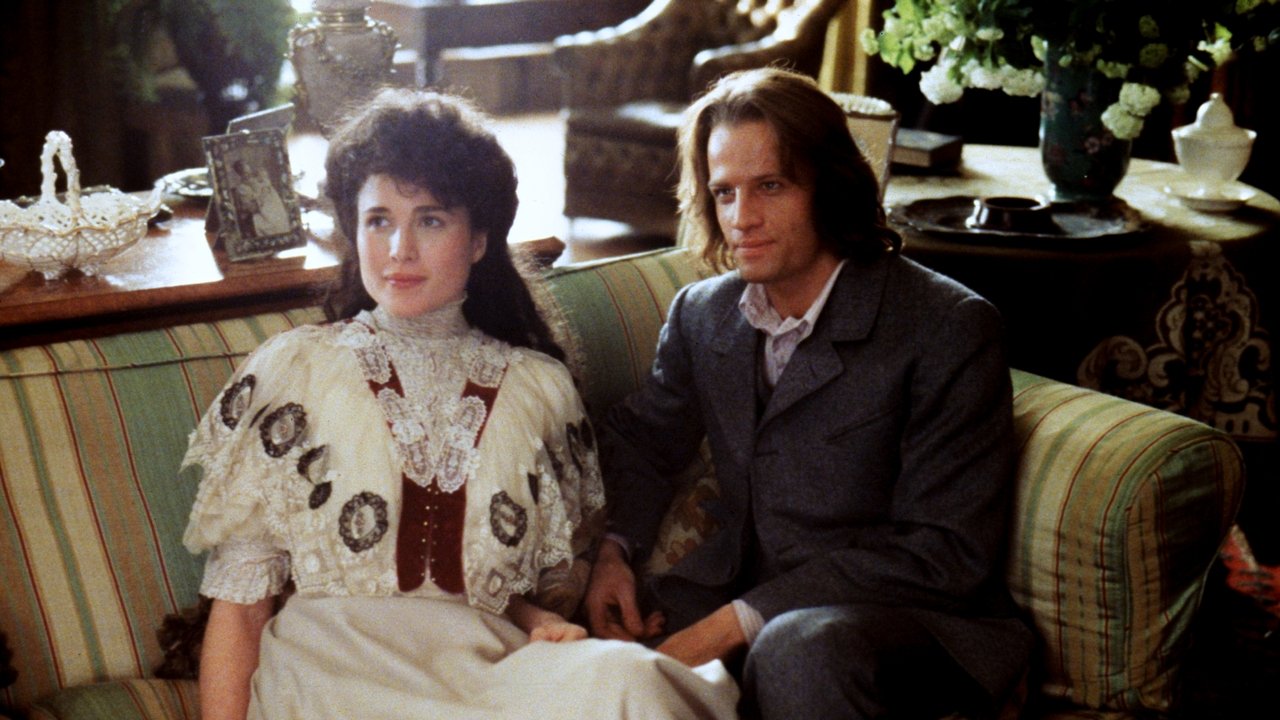
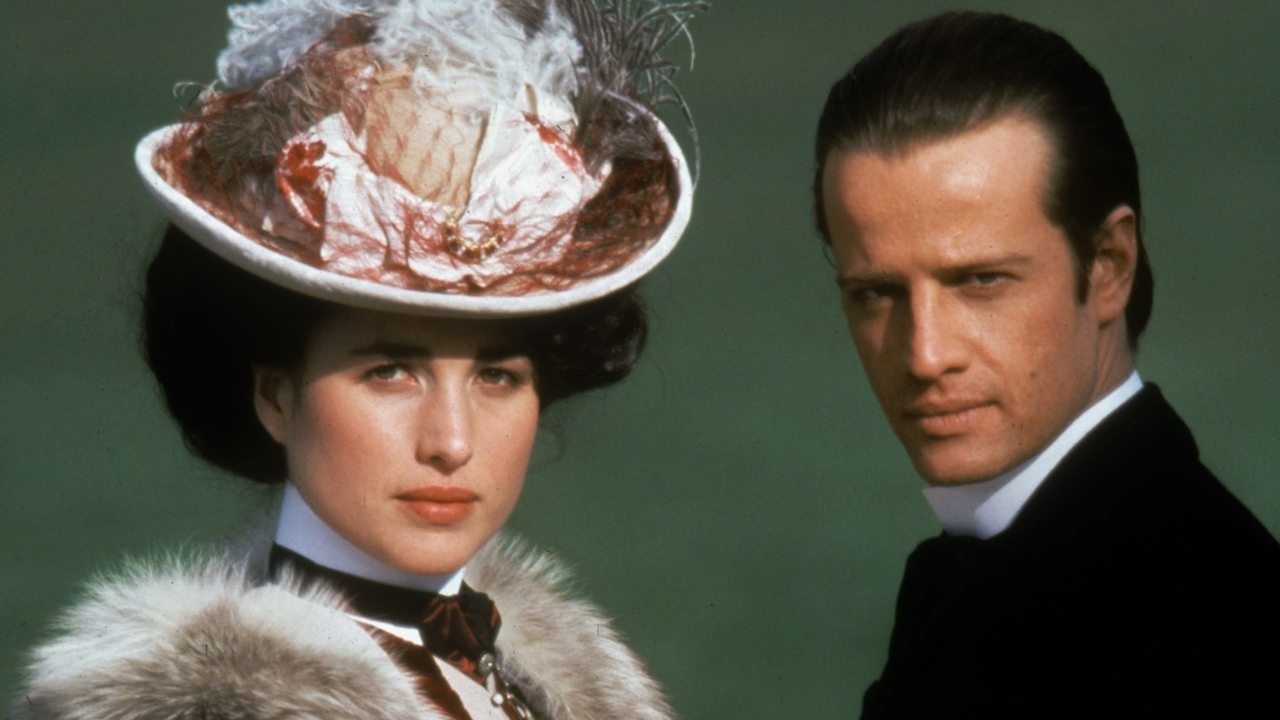
This section also introduces Jane Porter, played by a luminous Andie MacDowell. Her chemistry with Lambert is palpable, a fascination between two people from impossibly different worlds. However, it's impossible to discuss her role without mentioning the elephant in the room – or rather, the voice not in the room. Famously, MacDowell's entire performance was dubbed by Glenn Close because the producers felt her Southern accent was incongruous for the English Jane. While Close does impeccable work, the disconnect, once you know about it, can be slightly jarring on rewatch, a peculiar artifact of studio decision-making.
The Unseen Hand of Towne
The depth of the script, particularly its focus on alienation and the critique of societal constraints, owes much to its origins. It was adapted from a screenplay by the legendary Robert Towne (Chinatown, 1974), who had worked on the project for years. Though credited under the peculiar pseudonym P.H. Vazak (reportedly the name of his dog) due to disputes with Hudson over the final cut, the thoughtful structure and thematic richness bear his hallmarks. Towne envisioned an even darker, more epic telling, but even in this form, the film retains a powerful sense of melancholy. Tarzan is never truly at home in either world; he is the ultimate outsider, belonging everywhere and nowhere. This resonates far more deeply than a simple adventure tale. I recall reading that the film cost around $26 million – a hefty sum back then – and while it performed respectably ($45.9 million gross), its thoughtful, almost downbeat nature perhaps kept it from being the blockbuster some expected.
Echoes in the Mist
Rewatching Greystoke today, its deliberate pacing and focus on character over spectacle might feel out of step with modern blockbusters. The second half, set entirely within the confines of the Greystoke estate and London society, can feel slower after the visceral energy of the jungle sequences. Yet, this contrast is precisely the point. Hugh Hudson and cinematographer John Alcott (Barry Lyndon, The Shining) craft stunning visuals throughout, capturing both the untamed beauty of Africa and the opulent confinement of England. The film doesn't offer easy answers about where John truly belongs, leaving the viewer with a lingering sense of sadness and profound questions about what it means to be 'civilized'. What does assimilation truly cost the individual spirit?
It’s a film that stays with you, not for its action sequences, but for its moments of quiet observation: Lambert’s confused eyes mirroring the caged apes in London Zoo, Richardson’s heartbreaking vulnerability, the pervasive sense of loss. It tried to elevate the pulp hero into the realm of serious drama, and largely succeeded, even with its imperfections.
Rating: 7/10
Greystoke: The Legend of Tarzan, Lord of the Apes earns a solid 7. The phenomenal practical effects by Rick Baker, Ralph Richardson's unforgettable final performance, and the film's sheer ambition and thematic depth are undeniable strengths. Christopher Lambert brings a compelling physicality, and the first act is masterful. However, the notorious dubbing of Andie MacDowell remains distracting, and the pacing in the second half might test some viewers expecting more conventional thrills. It doesn't quite reach the epic heights it aims for, feeling occasionally caught between arthouse drama and jungle adventure.
Still, pulling this tape from the shelf always felt like committing to something more thoughtful than your average 80s fare. It’s a beautiful, melancholic, and ultimately unique take on a familiar legend, leaving you pondering the wild heart that beats beneath the veneer of civilization long after the screen fades to static.