There's a certain weight to some VHS tapes, isn't there? Not just the physical heft in your hand as you slot it into the VCR, but the expectation of the story held within. "Seven Years in Tibet" (1997) was one of those tapes. Its cover promised grand vistas and an epic journey, something far removed from the usual neon-drenched action or creature features lining the rental shelves. It felt like an event, a commitment. Watching it again now, that sense of undertaking a significant journey alongside its protagonist remains potent, though perhaps shaded with different questions than those I had back then.
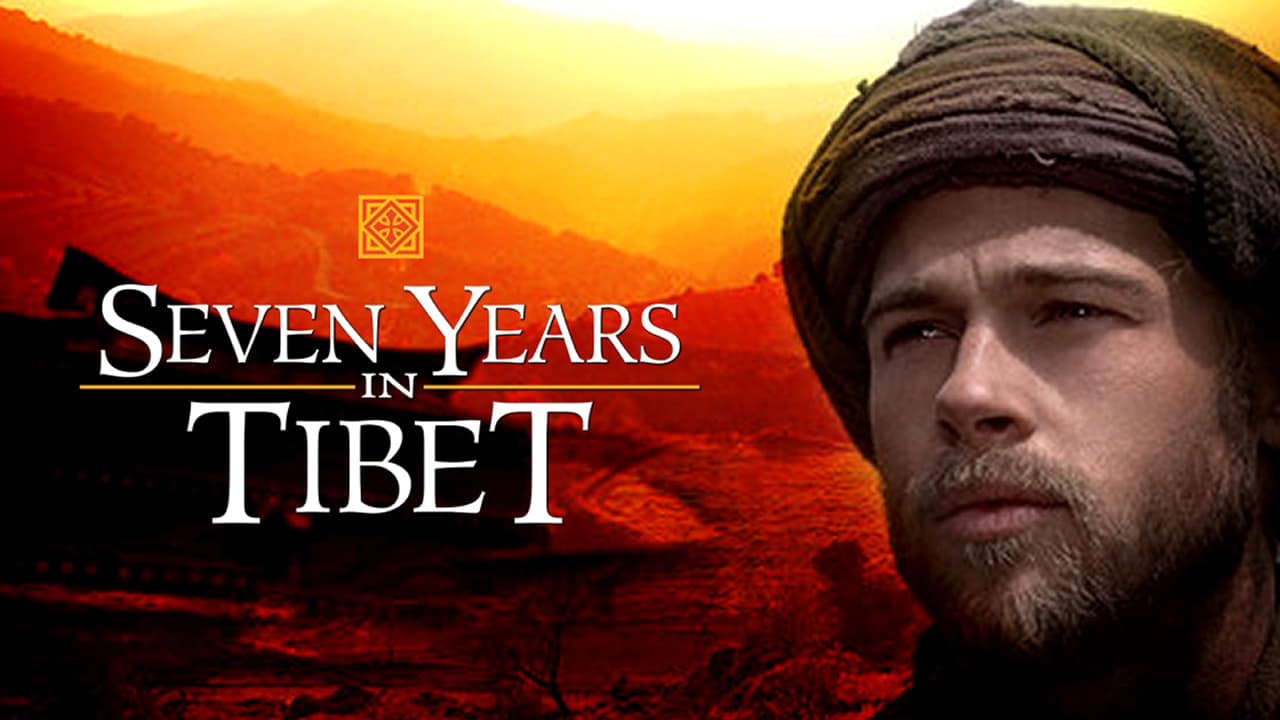
The film plunges us first into the icy ambition of Austrian mountaineer Heinrich Harrer, played by Brad Pitt at the peak of his mid-90s stardom. It’s 1939, and Harrer is leaving behind his pregnant wife for the allure of conquering Nanga Parbat in the Himalayas. What strikes you immediately is Harrer’s almost pathological self-absorption, a raw arrogance that Pitt, despite occasional wobbles with the accent, effectively conveys. This isn't a hero embarking on a noble quest; it's a man driven by ego, escaping responsibility under the guise of national pride and personal glory. It’s a starting point that makes his eventual transformation all the more compelling.
An Unexpected Path
Of course, history intervenes. World War II erupts, and Harrer, along with his expedition leader Peter Aufschnaiter (David Thewlis), finds himself interned in a British POW camp in India. Their escape and subsequent arduous trek across the Himalayas isn't just a physical ordeal; it's the beginning of Harrer's forced shedding of his former self. Director Jean-Jacques Annaud, who previously immersed us in the wild with The Bear (1988), masterfully captures the scale and hostility of the landscape. You feel the biting cold, the exhaustion, the sheer immensity dwarfing human concerns.
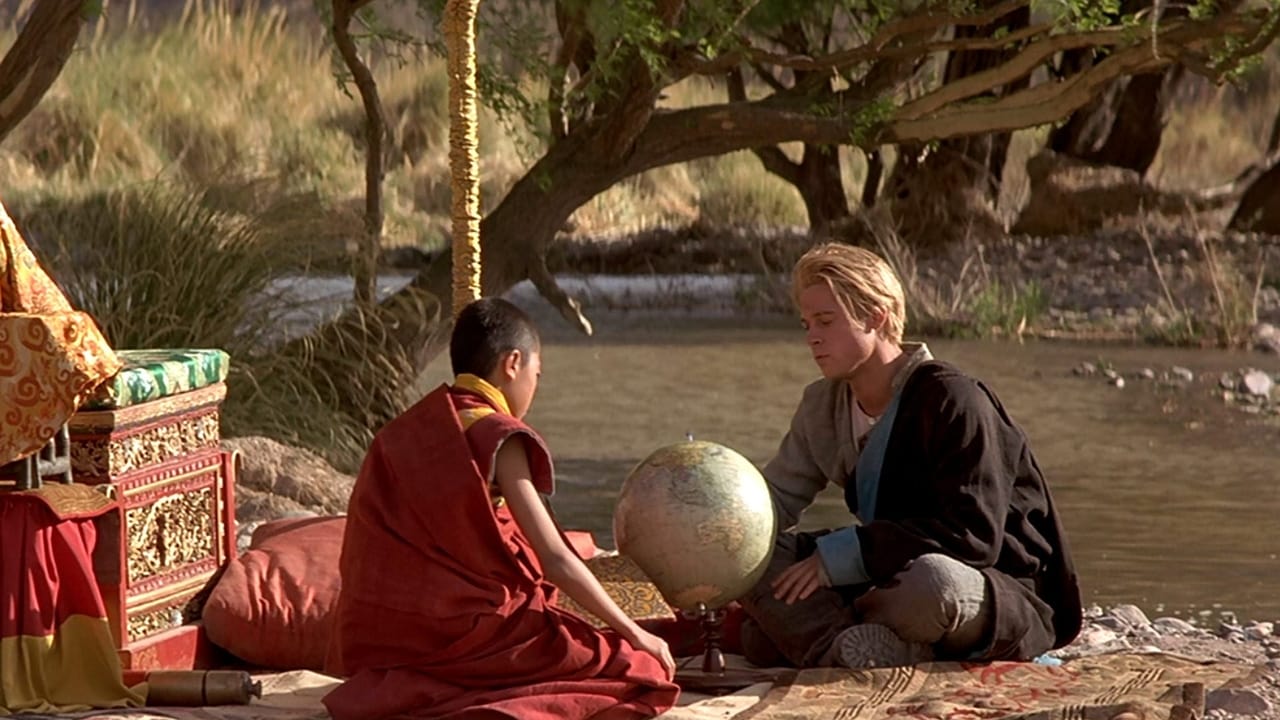
It’s fascinating to remember the production realities here. Filming in actual Tibet was impossible due to the sensitive political subject matter – the depiction of the Chinese invasion and occupation. So, the Andes in Argentina stood in for the Himalayas, along with locations in Canada and Austria. Annaud even reportedly sent secret documentary crews into Tibet to capture authentic footage, seamlessly blended into the film. This resourcefulness, born of necessity, adds another layer to the narrative of finding a way against overwhelming obstacles. The film itself mirrors its characters' struggle to reach a forbidden place.
Finding Grace in Lhasa
The heart of the film truly begins beating upon Harrer and Aufschnaiter’s arrival in the sacred, forbidden city of Lhasa. The visual contrast is stunning – from the stark, dangerous peaks to the vibrant colours, intricate architecture, and serene rhythms of Tibetan life. Here, the film slows, allowing us to absorb the atmosphere alongside Harrer. While David Thewlis provides a wonderfully grounded, wry counterpoint as the more pragmatic Aufschnaiter (often stealing scenes with his quiet intensity), it's Harrer's relationship with the young 14th Dalai Lama, Tenzin Gyatso (played with remarkable poise by newcomer Jamyang Jamtsho Wangchuk), that forms the film's emotional core.
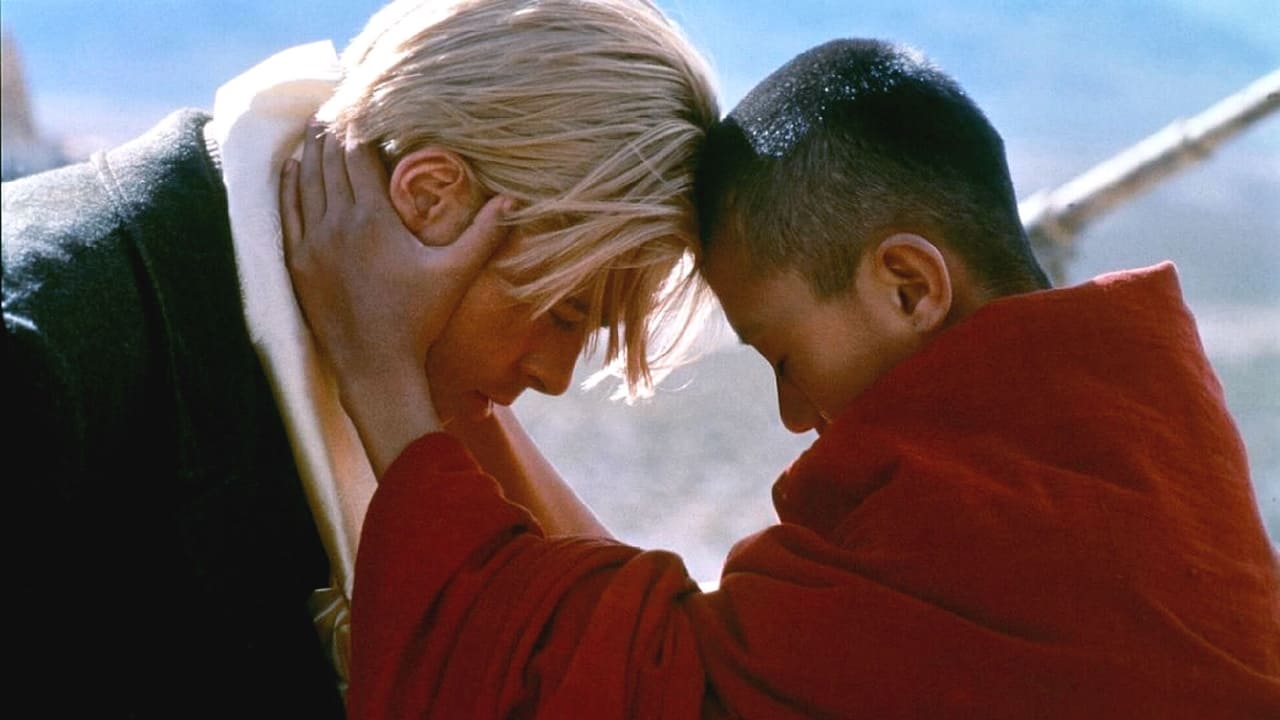

Their interactions are tentative at first, a collision of worlds. Harrer, the cynical Westerner, becomes tutor and confidant to the inquisitive, wise-beyond-his-years spiritual leader. There's a genuine warmth and tenderness in these scenes. We see Harrer’s defenses gradually crumble, his arrogance replaced by humility and affection. He teaches the Dalai Lama about the outside world – cars, movies, geography – while the Dalai Lama, simply through his presence and perspective, teaches Harrer about compassion, interconnectedness, and inner peace. Does this relationship perhaps feel a touch idealized? Maybe. But its power lies in the believable connection forged between two vastly different individuals, finding common ground in shared humanity.
Historical Shadows and Lasting Questions
The film doesn't shy away from the looming tragedy. The final act depicts the Chinese invasion of 1950, shattering the idyll of Lhasa and forcing Harrer to finally leave the place, and the young friend, that transformed him. The portrayal is inevitably sympathetic to the Tibetan perspective, a stance that led to both Pitt and Annaud (along with Thewlis) being banned from entering China. This real-world consequence underscores the film’s political dimension. It's a stark reminder, watching it decades later, of ongoing geopolitical tensions and the silencing of certain narratives.
Adding another layer of complexity is the historical Harrer himself. Around the time of the film's release, Harrer's past membership in the Nazi Party and the SS came under renewed scrutiny, details glossed over in his original 1952 memoir upon which the film is based. The film briefly acknowledges his past affiliations early on, framing them perhaps too neatly as youthful ambition tied to nationalist fervor, but it doesn't delve deeply. Does knowing this complicate our view of his transformation in Tibet? It certainly invites reflection on redemption, self-awareness, and how we reconcile difficult truths about our heroes, both on screen and off.
The View from the Couch
Anchored by John Williams' soaring, evocative score and Robert Fraisse's stunning cinematography, Seven Years in Tibet truly felt like an epic on the small screen back in the day. It carried a sense of importance, a window into a world rarely seen in mainstream Hollywood films. Pitt’s performance, while debated, effectively charts Harrer’s arc from unlikeable cad to humbled friend. But it’s Thewlis’s understated strength and Wangchuk’s serene presence that truly elevate the human drama amidst the spectacle. It cost a reported $70 million to make – a significant sum in 1997 – and while it performed respectably ($131.5 million worldwide), it perhaps didn't become the cultural phenomenon some might have expected, maybe due to its length, contemplative pace, or the controversies surrounding it.
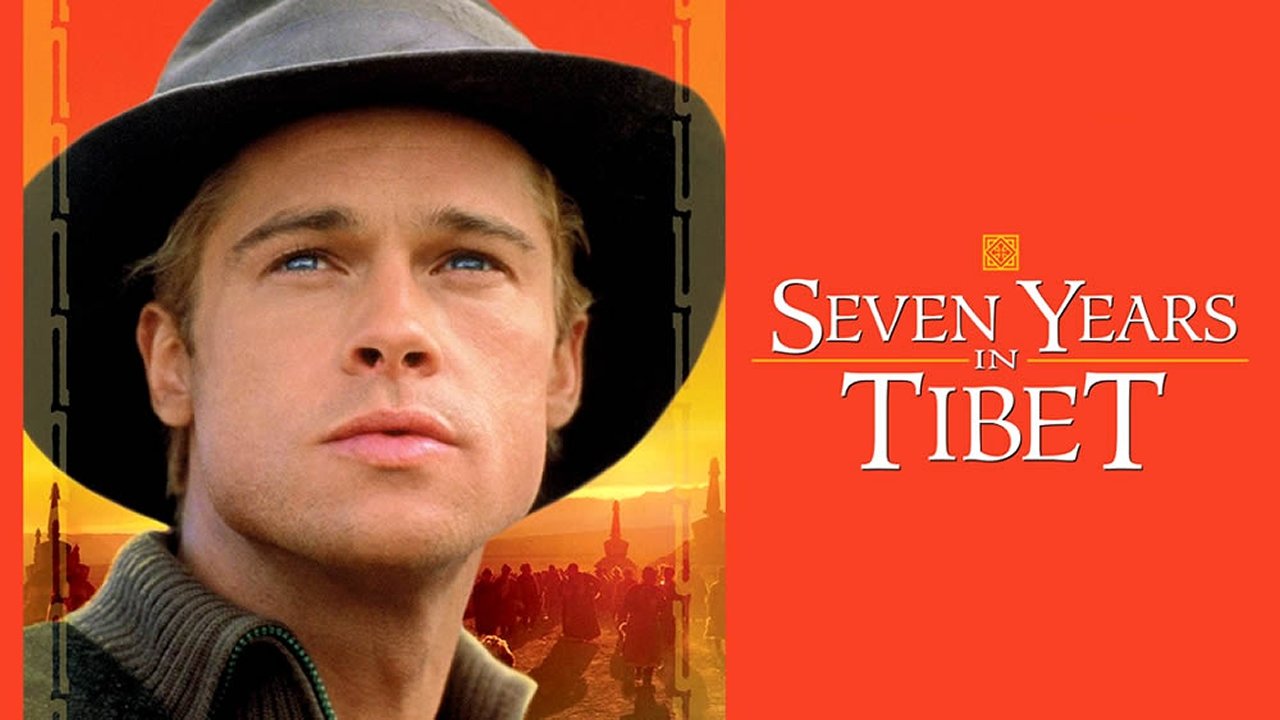
Yet, revisiting it feels worthwhile. It’s a film about finding oneself in the most unexpected circumstances, about the bridges that can be built between cultures, and about the profound impact individuals can have on each other's lives. It raises questions about duty, ego, and the search for meaning that linger long after the credits roll.
Rating: 8/10
This score reflects the film's stunning visual scope, its genuinely moving central relationship, David Thewlis’s excellent supporting turn, and its courageous (if controversial) handling of a sensitive historical period. While Brad Pitt’s performance isn't flawless and the film might simplify some complex historical realities (including Harrer's own past), its ambition, heart, and the poignant portrayal of a lost world make it a powerful and memorable piece of 90s cinema. It’s a reminder that sometimes the grandest journeys are the ones that lead us inward, even if they begin with looking outward towards the highest peaks.