There’s a certain weight that settles in when you revisit a film like Ridley Scott’s 1492: Conquest of Paradise. It’s not just the nearly two-and-a-half-hour runtime demanding your evening, but the sheer, almost overwhelming ambition radiating from the screen. Released in 1992, timed for the 500th anniversary of Columbus's voyage, this wasn't just another movie; it felt like an event. Sliding that hefty double-VHS cassette into the VCR promised something monumental, a journey back not just in time, but to an era when historical epics, fueled by big budgets and even bigger visions, still felt possible on the grandest scale. Does the reality match the memory? That's a more complicated question.
A World Rendered in Light and Shadow
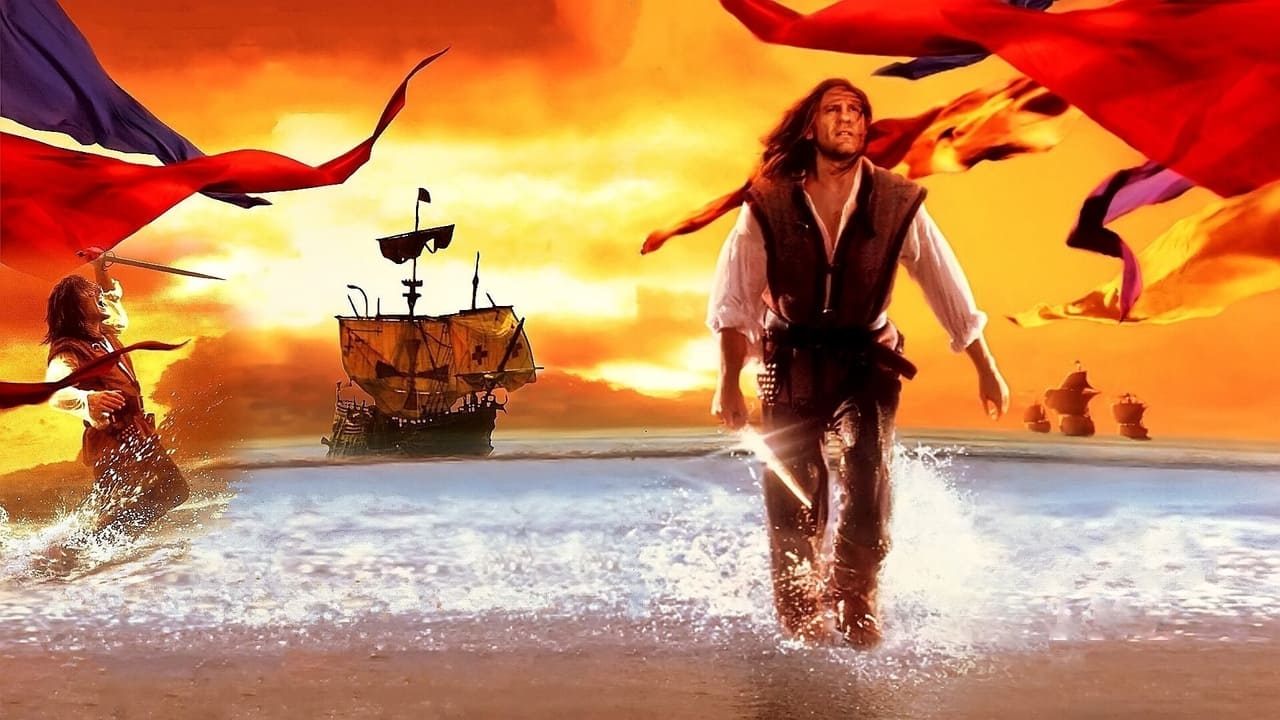
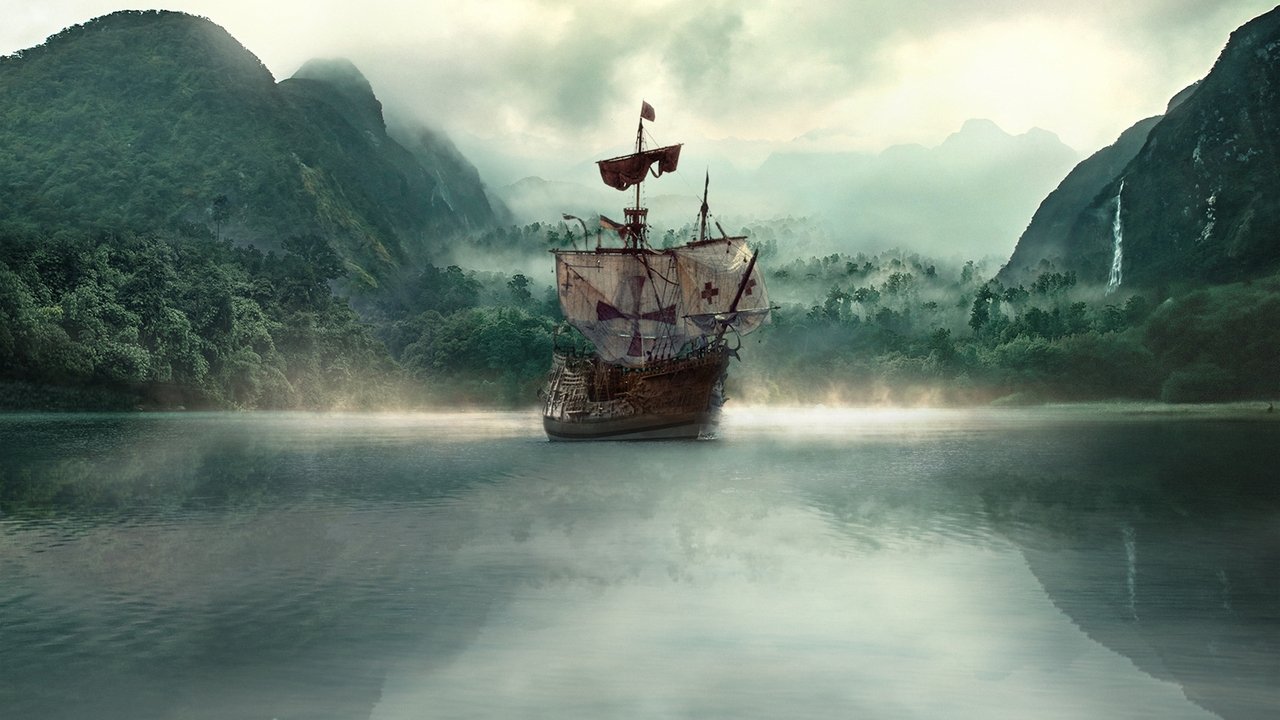
Visually, 1492 remains undeniably impressive. Ridley Scott, already a master craftsman known for the textured worlds of Alien (1979) and Blade Runner (1982), brings his signature style to the 15th century. Working with cinematographer Adrian Biddle, Scott paints with light and shadow, smoke and sea spray. From the dimly lit, bureaucratic halls of Spanish power to the sun-drenched, terrifyingly alien shores of the "New World," the film looks spectacular. You feel the grit, the damp, the immensity of the ocean. Scott understands scale, and the replicas of the Niña, Pinta, and Santa María cutting through the waves possess a tangible reality often missing in today's CGI-heavy landscapes. This commitment to physical production feels very much of its time – a massive undertaking requiring intricate sets built in Spain and the lush, challenging jungles of Costa Rica. The reported $47 million budget (around $102 million today) is certainly visible on screen, striving for an authenticity that grounds the historical narrative.
The Man, The Myth, The Accent
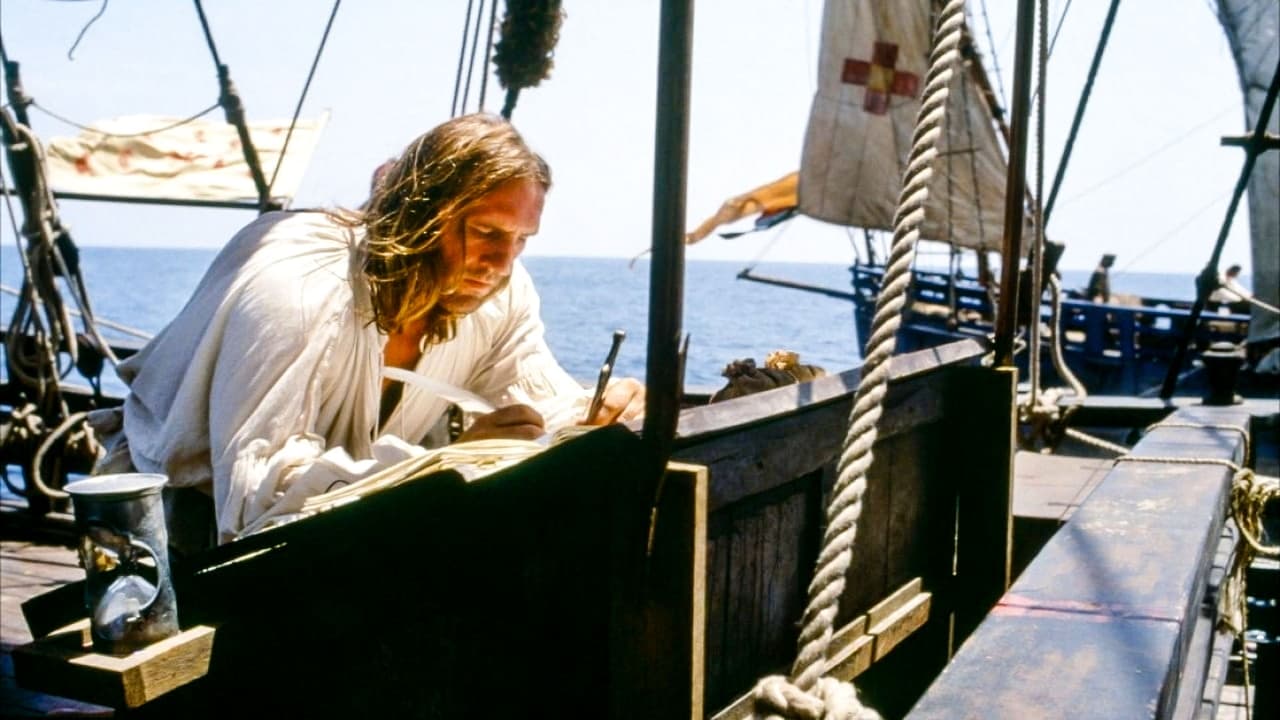
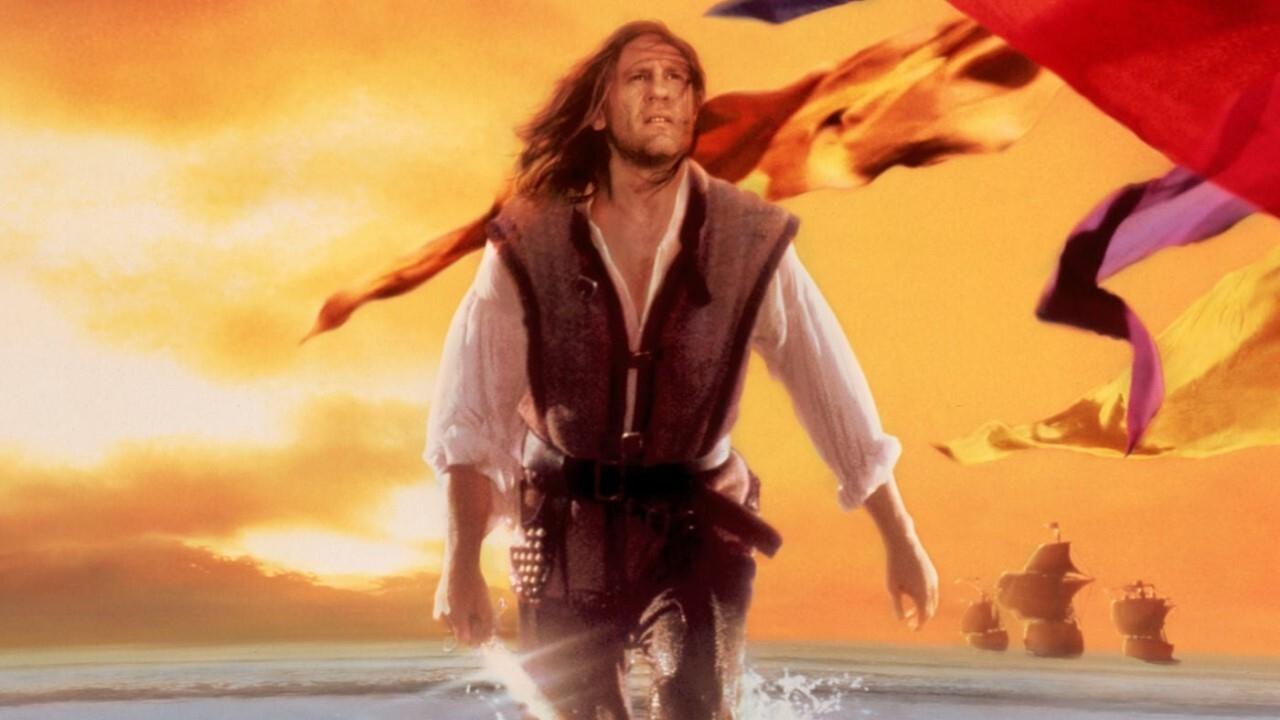
At the heart of this epic stands Gérard Depardieu as Christopher Columbus. It was, and remains, a curious casting choice – a powerhouse French actor embodying the Genoese explorer funded by the Spanish crown. Depardieu brings a certain earthy physicality and undeniable screen presence to the role. His Columbus is driven, obsessive, a visionary wrestling with doubt and dogma, but also capable of profound arrogance and startling brutality. Yet, there's an inescapable Depardieu-ness that sometimes overshadows the character, the performance occasionally feeling broad where subtlety might have resonated more deeply. It's a committed portrayal, certainly, but one that doesn't entirely dissolve the actor into the historical figure. He carries the film's weight, but sometimes visibly strains under it.
Echoes in the Court and Beyond
Surrounding Columbus are figures navigating the treacherous political waters. Armand Assante simmers with calculating menace as the obstructive royal treasurer Sánchez, embodying the institutional resistance Columbus faced. And then there's Sigourney Weaver, reuniting with Scott years after Alien, portraying Queen Isabella I of Castile. Weaver lends Isabella a regal authority and intelligence, a monarch wrestling with faith, ambition, and the immense gamble Columbus represents. Their scenes together crackle with a reserved tension, though one wishes the script by Roselyne Bosch had given her character even more depth to explore the complexities of her reign and decisions. It’s a solid supporting cast, grounding the larger-than-life central figure.
The Sound of Discovery (and Controversy)
No discussion of 1492 is complete without mentioning the score. Vangelis, who had previously created iconic soundscapes for Scott’s Blade Runner and the Oscar-winning Chariots of Fire (1981), delivers an absolute titan of a soundtrack. The main theme, "Conquest of Paradise," became a global phenomenon, arguably achieving far greater and more lasting popularity than the film itself. Its soaring, synthesized choral waves perfectly capture the sense of wonder, dread, and epochal change the film aims for. It’s simultaneously stirring and haunting, instantly evocative of the era's cinematic grandeur. Even if the film faded somewhat from memory, that theme tune burrowed its way into the collective consciousness, popping up everywhere from sporting events to commercials throughout the 90s.
Navigating Difficult Histories
Where 1492 inevitably courts controversy, both then and now, is in its depiction of the "conquest." The film doesn't entirely shy away from the darker aspects – the exploitation, the violence inflicted upon the indigenous populations, the devastating impact of European arrival. We see Columbus's idealism curdle into tyranny as the realities of governing a colony prove far harsher than charting the seas. There are moments of uncomfortable brutality and a clear sense of tragedy unfolding. However, viewed through a modern lens, does it go far enough? Perhaps not. The focus remains resolutely on Columbus's perspective, and the indigenous characters often feel more like narrative devices than fully fleshed-out individuals reacting to the cataclysm engulfing their world. It attempts a more critical portrayal than earlier, purely celebratory accounts, but still feels caught between acknowledging the horror and mythologizing the man. It’s a tension the film never fully resolves. Interestingly, its troubled production mirrored its historical subject; competing against another 1992 Columbus film, Christopher Columbus: The Discovery (which fared even worse critically and commercially), 1492 struggled at the US box office, bringing in only about $7 million domestically, though it performed significantly better internationally.
VHS Shelf Life
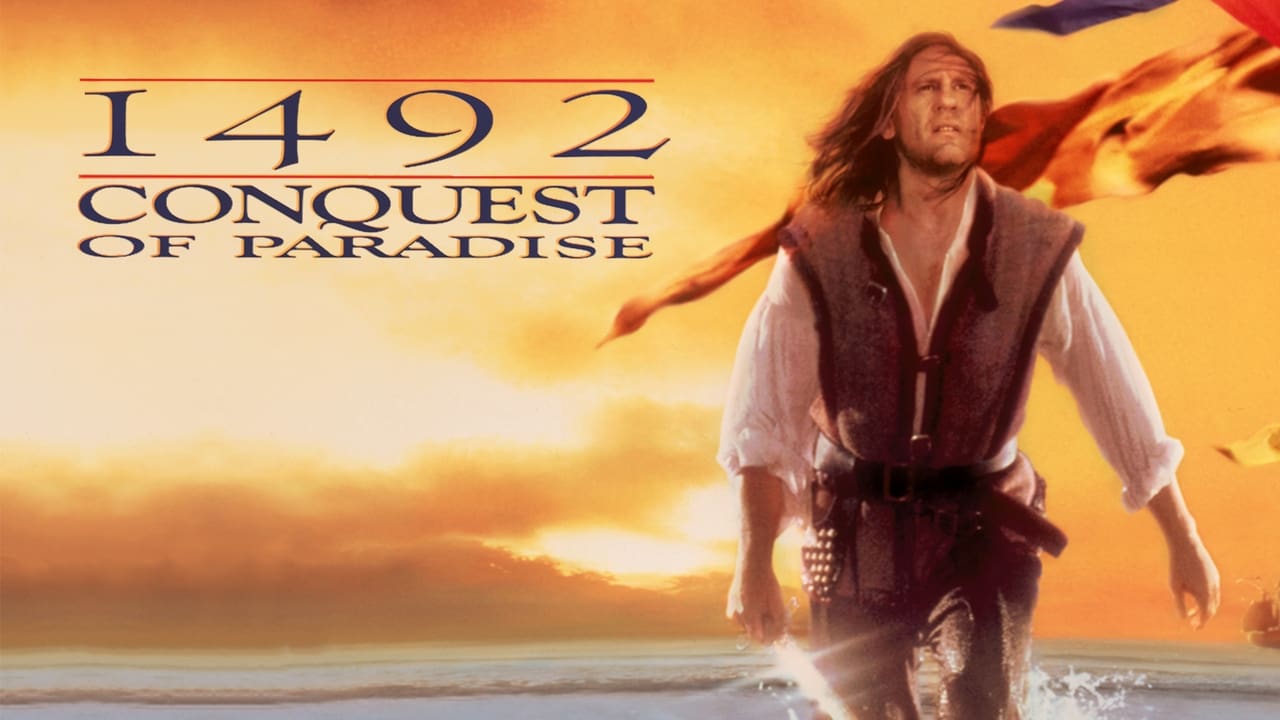
Despite its commercial stumbles in the States, 1492: Conquest of Paradise certainly had a presence on video store shelves. That distinctive cover art, often featuring Depardieu gazing towards the horizon or the ships sailing beneath dramatic skies, promised adventure and historical weight. I remember seeing it frequently, those double-cassette boxes suggesting something substantial, maybe a rainy weekend commitment. It wasn't the blockbuster smash Scott likely hoped for after successes like Thelma & Louise (1991), and it certainly doesn't hold the revered status of Blade Runner or his later epic, Gladiator (2000). Yet, it remains a fascinating piece of 90s epic filmmaking – flawed, perhaps overly ambitious, occasionally ponderous, but crafted with undeniable skill and visual artistry.
Rating: 6/10
1492: Conquest of Paradise earns a 6 primarily for its stunning visual scope, masterful production design, and that unforgettable Vangelis score – elements that truly shine and showcase Ridley Scott's directorial power. The ambition is palpable. However, the film is hampered by a central performance that doesn't quite land perfectly, a lengthy runtime that occasionally drags, and a script that struggles to fully grapple with the immense, tragic complexity of its historical subject matter, leaving its handling of the 'conquest' feeling somewhat incomplete by today's standards.
It remains a compelling artifact of its time – a grand, serious-minded historical epic of a kind we see less frequently now. What lingers most, perhaps, isn't just the imagery or the music, but the questions it raises about how we choose to remember, and represent, the monumental, often brutal turning points in human history.