### The Walls That Couldn't Hold a Story
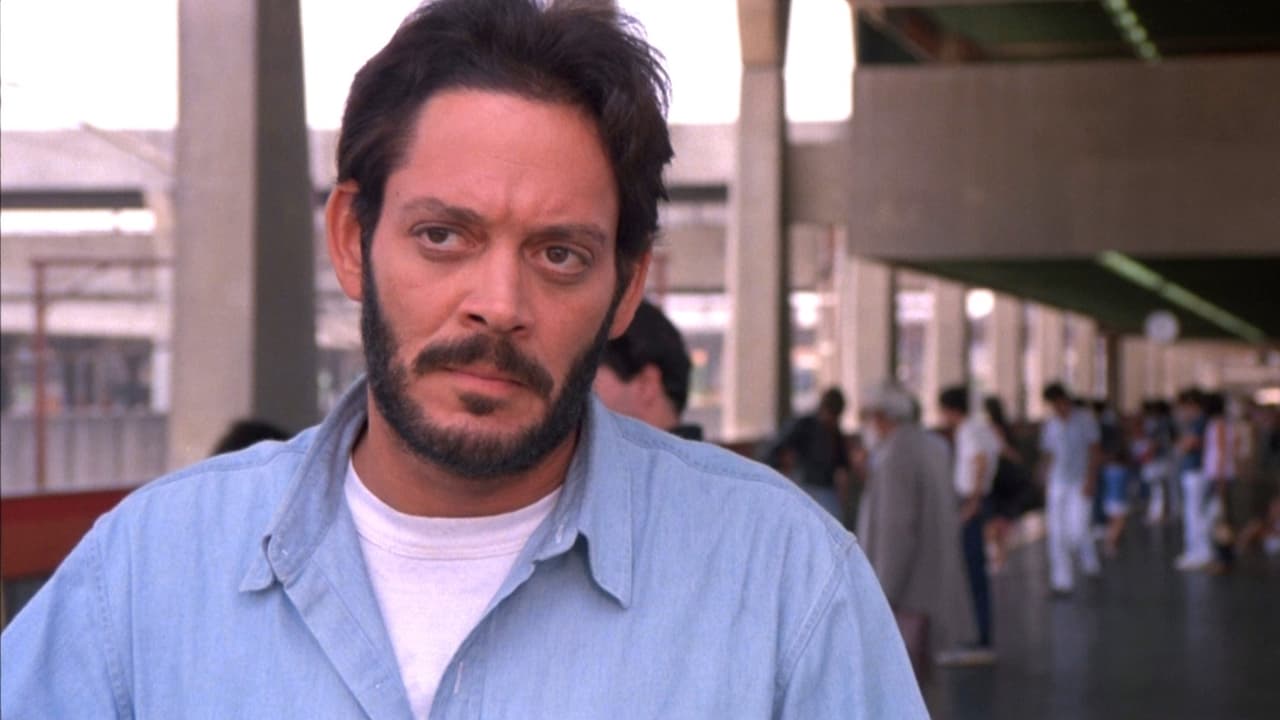
Some films lodge themselves in your memory not through explosive action or grand spectacle, but through the quiet intensity of human connection in the face of crushing confinement. Kiss of the Spider Woman (1985) is precisely that kind of film. It arrives not with a bang, but with the hushed whispers of secrets shared between two unlikely cellmates in a grim, unnamed Latin American prison. It’s a film that asks profound questions about identity, escape, and the narratives we construct to survive. Revisiting it now, decades after it first graced those video store shelves – likely looking quite distinct from the usual action or horror fare – its power feels undiminished, perhaps even amplified by time.
An Unlikely Pairing, An Unforgettable Bond
At its heart, Kiss of the Spider Woman is a two-hander, a chamber piece driven by the extraordinary performances of William Hurt as Luis Molina and Raul Julia as Valentin Arregui. Molina is a flamboyant, openly gay window dresser imprisoned for "corrupting a minor," finding solace by recounting, with meticulous detail and embellishment, the plot of an old, romantic Nazi propaganda film. Valentin is his polar opposite: a fiercely committed, stoic political revolutionary, enduring torture for his cause and initially repulsed by Molina's effeminate mannerisms and escapist fantasies.
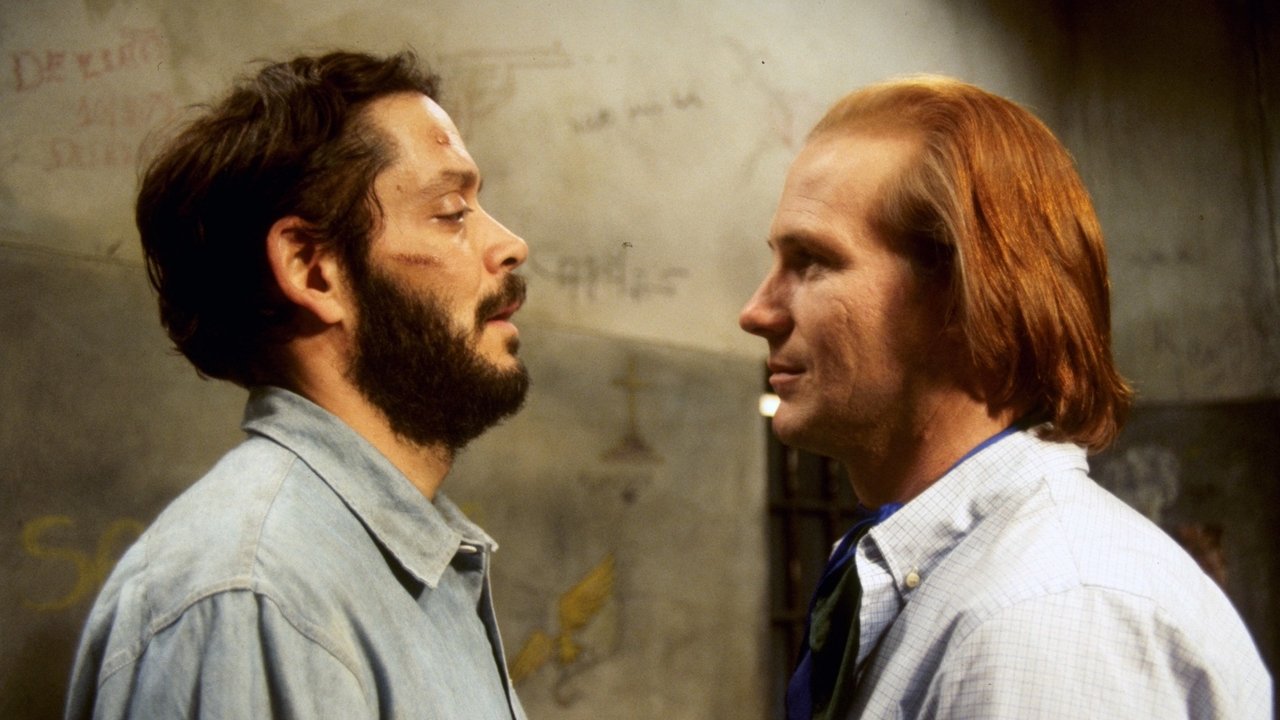
What unfolds is a delicate, complex dance of dependency, manipulation, and, ultimately, profound empathy. Hurt's portrayal of Molina is simply astonishing. It's a performance of immense vulnerability and subtle strength, navigating Molina's mannerisms without resorting to caricature. He finds the deep well of loneliness beneath the theatricality, the yearning for connection that drives his storytelling. It’s no wonder this performance earned Hurt the Academy Award for Best Actor – a landmark win, the first for an actor in an independent film, and for a role depicting an openly gay man with such depth and nuance. Interestingly, the role was originally envisioned for Hollywood legend Burt Lancaster, who owned the rights for years; it's hard to imagine now, given how perfectly Hurt inhabited Molina's skin.
Opposite him, Raul Julia (who would later delight us as Gomez Addams in The Addams Family (1991)) delivers a performance of equal weight, though vastly different in texture. Valentin is initially rigid, defined by his political ideology. Julia masterfully charts Valentin’s gradual softening, the cracks that appear in his revolutionary armor as Molina’s stories – and his simple acts of care – begin to penetrate his defenses. The chemistry between Hurt and Julia is the film's undeniable core; their evolving relationship feels utterly authentic, a testament to their immense skill and director Héctor Babenco's sensitive guidance.
Escape Through Celluloid Dreams
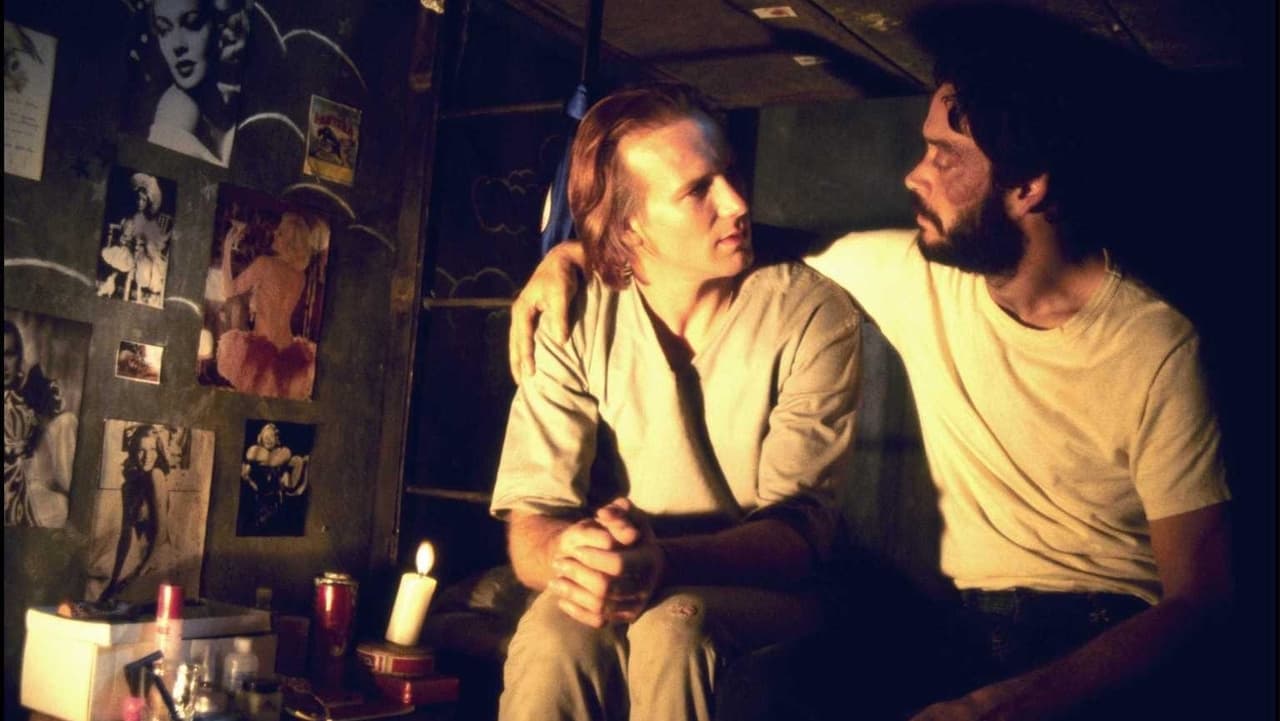
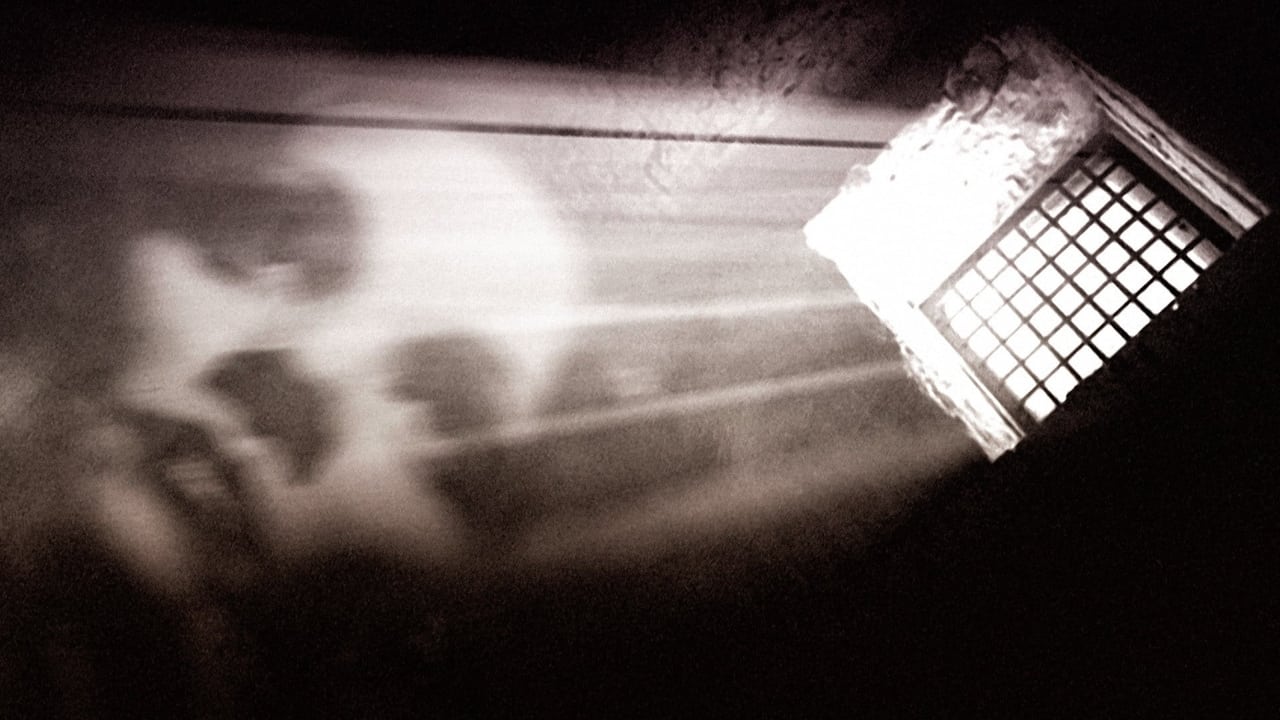
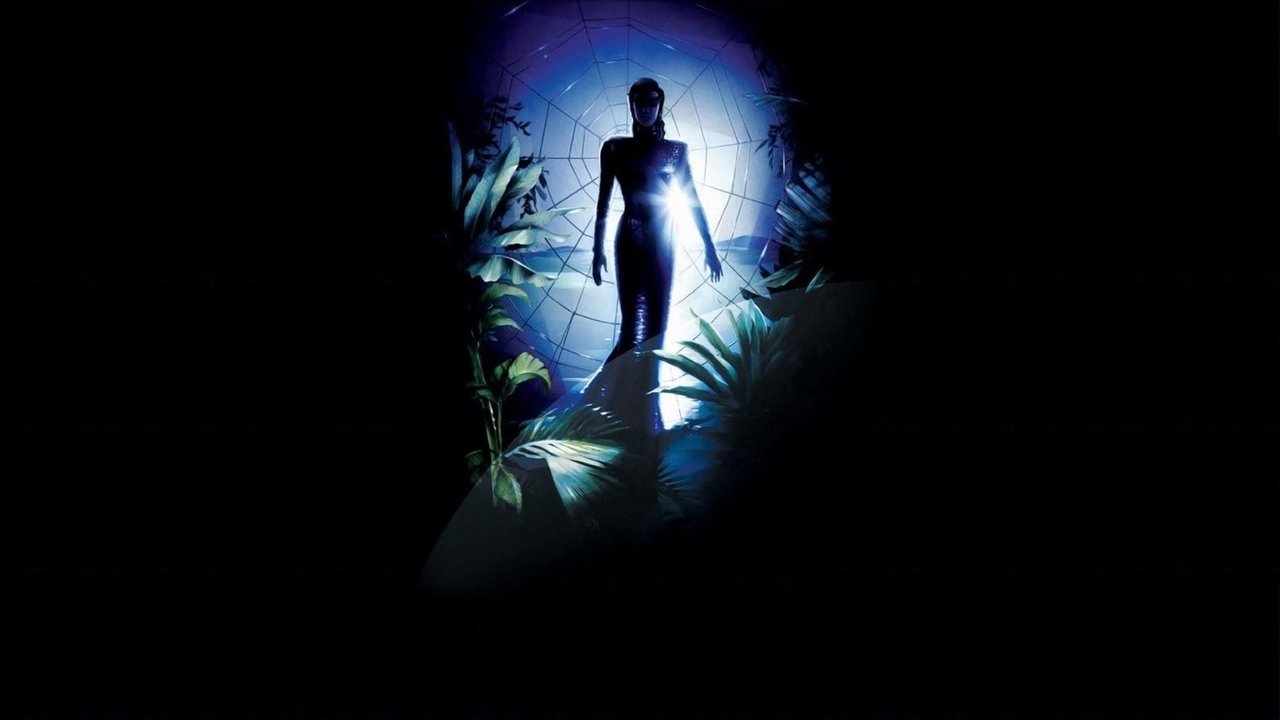
Director Héctor Babenco, known for gritty realism in films like Pixote (1980), faced the challenge of adapting Manuel Puig's dense, structurally complex novel, often considered "unfilmable." His solution was to weave Molina's narrated film-within-a-film into the stark reality of the prison cell. These sequences, starring the captivating Sônia Braga (a huge star in her native Brazil, known for Dona Flor and Her Two Husbands (1976)) as the glamorous, enigmatic Leni Lamaison (and later, other key female figures including Valentin's remembered lover Marta and the titular "Spider Woman"), offer a visual escape, yet they are far from simple relief. They are filtered through Molina's perspective, reflecting his desires, fears, and perhaps even his subconscious commentary on their situation. The contrast between the drab, oppressive reality of the cell and the stylized, almost dreamlike quality of the fantasy sequences is stark and effective.
Making the film was its own act of defiance. Shot on a modest budget (around $1.5 million) in São Paulo, Brazil, standing in for the oppressive atmosphere of an unnamed dictatorship, Babenco and his team navigated challenges to bring this difficult story to light. The claustrophobia of the setting isn't just a narrative device; it feels earned, a reflection of the constrained resources and the political sensitivity of the material itself during that era.
More Than Just a Prison Story
What elevates Kiss of the Spider Woman beyond a simple tale of survival is its exploration of deeper themes. It delves into the nature of masculinity, the power dynamics inherent in storytelling, the blurred lines between fantasy and reality, and the unexpected places love and loyalty can bloom. How does Molina’s embrace of the "feminine" ultimately reveal a different kind of strength? How does Valentin’s rigid ideology clash with, and eventually bend to, basic human needs? The film doesn't offer easy answers, preferring to let the characters' journey resonate.
It's a film that treats its potentially controversial subject matter – homosexuality, political imprisonment, torture – with remarkable sensitivity and intelligence for its time. While some aspects might feel dated through a modern lens, its core emotional honesty remains potent. I recall renting this back in the day, perhaps nestled between more mainstream choices, and being struck by its quiet intensity, its refusal to fit neatly into any genre box. It felt important, somehow, even if I couldn't fully articulate why back then.
***
VHS Heaven Rating: 9/10
Kiss of the Spider Woman is a masterful adaptation, anchored by two powerhouse performances that remain benchmarks of screen acting. Its brilliance lies in its intimate focus, its intelligent handling of complex themes, and its profound understanding of the human need for connection and narrative, even in the darkest of places. The Oscar win for Hurt wasn't just deserved; it cracked open possibilities for independent cinema and more nuanced portrayals on screen. The justification for this high score rests firmly on the unforgettable, deeply moving character study at its core, brought to life by Hurt and Julia, and guided by Babenco’s assured direction. It’s a film that stays with you, prompting reflection long after the credits roll.
What endures most, perhaps, isn't the grimness of the prison, but the fragile, beautiful, and ultimately tragic connection forged between two souls who found solace, and a form of freedom, in each other's stories.