Okay, settle in. Remember those double-cassette VHS boxes? The ones that felt substantial, weighty, hinting at an event rather than just another Friday night rental? Kenneth Branagh’s 1996 Hamlet often came in one of those behemoths, and cracking it open felt like accepting a challenge, a promise of something epic. And epic it is – perhaps the most audacious, visually spectacular, and textually complete cinematic reckoning with Shakespeare’s tormented prince we’ve ever had.
An Uncompromising Vision
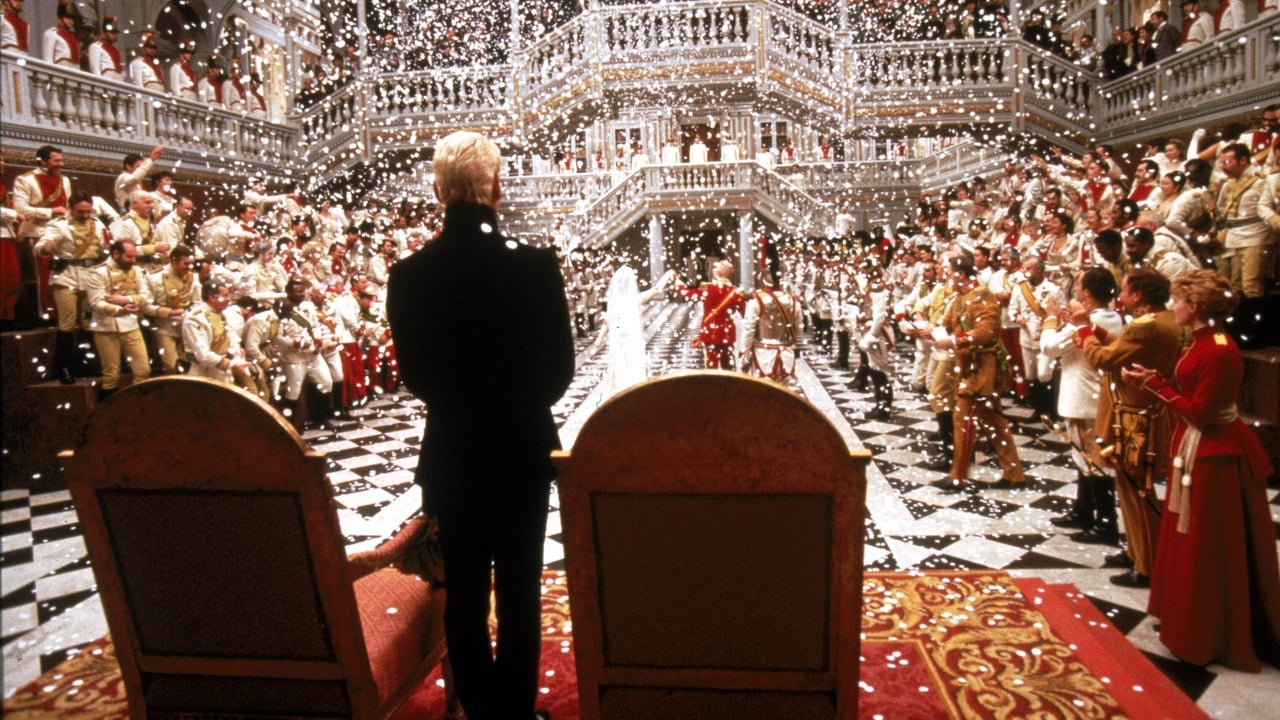
Forget dusty, dimly lit castles. Branagh, already riding high from his acclaimed Shakespearean adaptations Henry V (1989) and Much Ado About Nothing (1993), didn’t just adapt Hamlet; he detonated it onto the screen. His boldest stroke? Presenting the entire, unabridged text. Clocking in at over four hours, this decision wasn't just academic; it transforms the play. Subplots often excised for brevity, like the political machinations involving Fortinbras, are fully restored, giving the tragedy a broader, more geopolitical scope. It grounds Hamlet's personal anguish within a kingdom demonstrably rotting from the head down. Watching it unfold fully fleshed feels less like a familiar ghost story and more like a sprawling, panoramic political thriller draped in Elizabethan language. I recall slotting that second tape into the VCR, feeling a sense of commitment, like settling in for a long winter's night with a truly immersive saga.
A Feast for the Eyes, A Sprint for the Prince
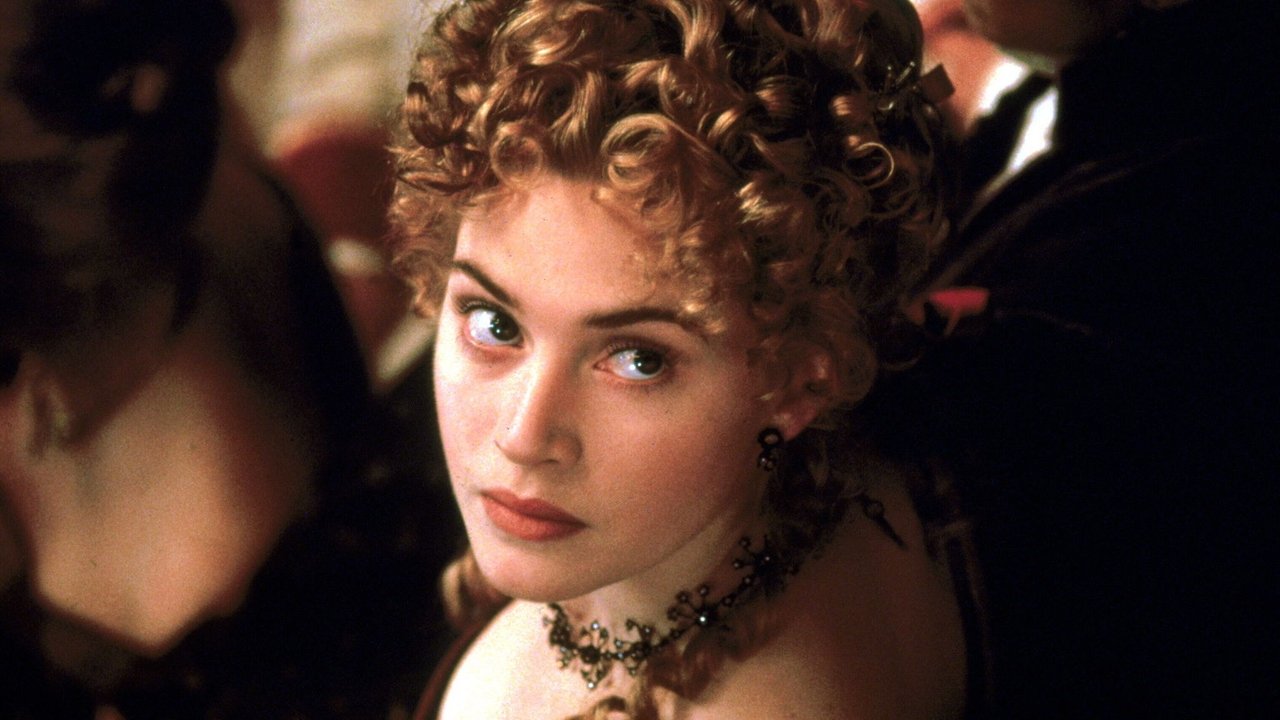
Branagh’s ambition extended far beyond the script. Shot on glorious 65mm film (projected in 70mm – a true rarity by the mid-90s!), this Hamlet is visually stunning. Moving the setting to a vaguely 19th-century European milieu allows for opulent costumes and breathtaking sets. Filming took place at England's historic Shepperton Studios and the truly majestic Blenheim Palace, its grandeur perfectly embodying the scale of Elsinore's court. The famous 'Hall of Mirrors' set piece, where reflections multiply and distort reality, isn't just gorgeous; it's a potent visual metaphor for the court's pervasive surveillance, deception, and Hamlet's fractured psyche. You can almost feel the cold gleam of those polished floors, even through the fuzz of memory and CRT screens. It cost a reported $18 million – a significant sum then (around $35 million today) – and every penny feels like it's up there on the screen.
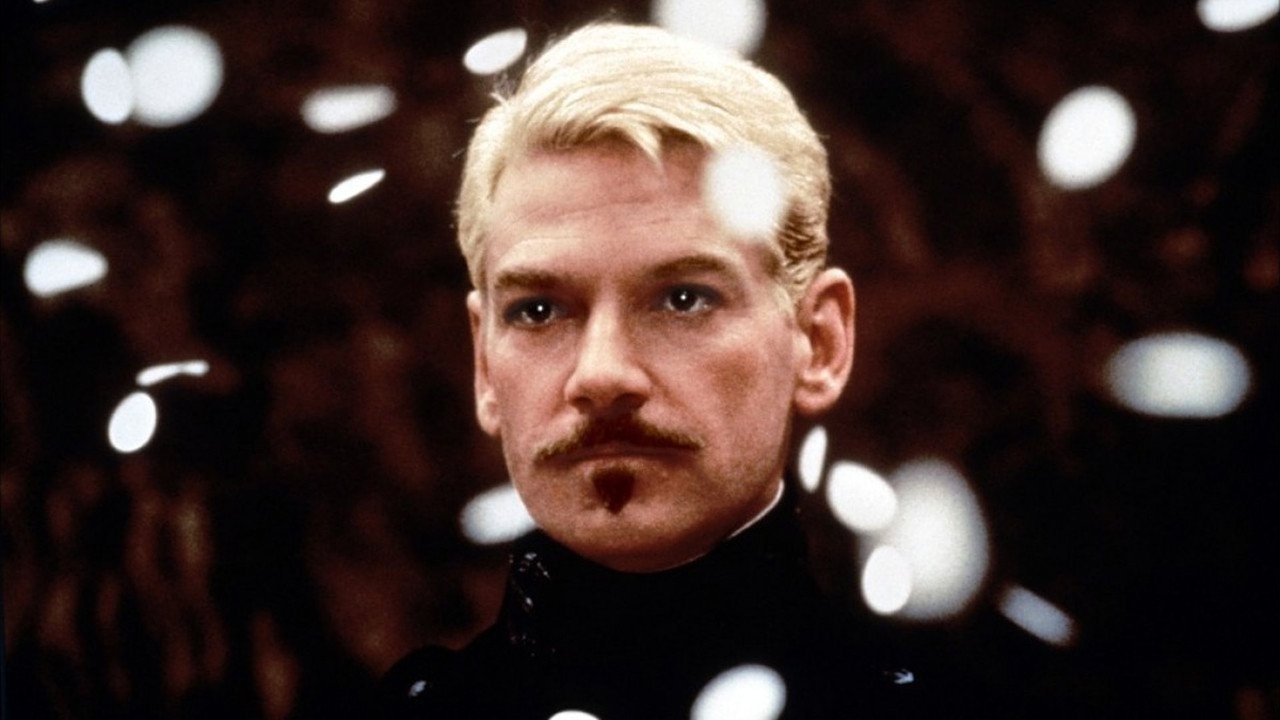
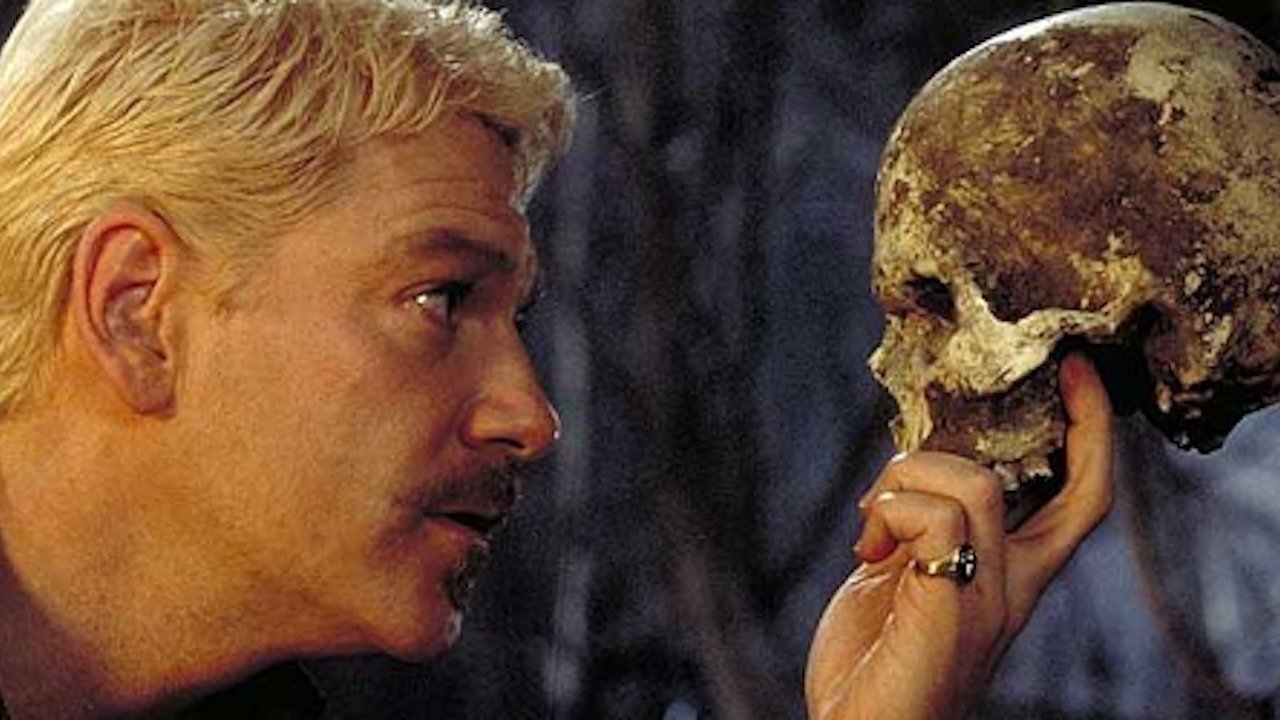
As the Prince of Denmark himself, Kenneth Branagh delivers a performance of ferocious energy. This isn't the brooding, melancholic Hamlet of Olivier. Branagh's prince is volatile, athletic, fiercely intelligent, and dangerously witty. He attacks the soliloquies with a clarity and force that makes the complex language accessible, even thrilling. It’s a physically demanding performance, almost manic at times, a stark contrast to the inertia that plagues the character. Does it capture every nuance of Hamlet's infamous indecision? Perhaps not for everyone. Some might find his interpretation too active, but there's no denying its power and commitment. He makes you understand the rage boiling beneath the surface.
A Kingdom of Stars
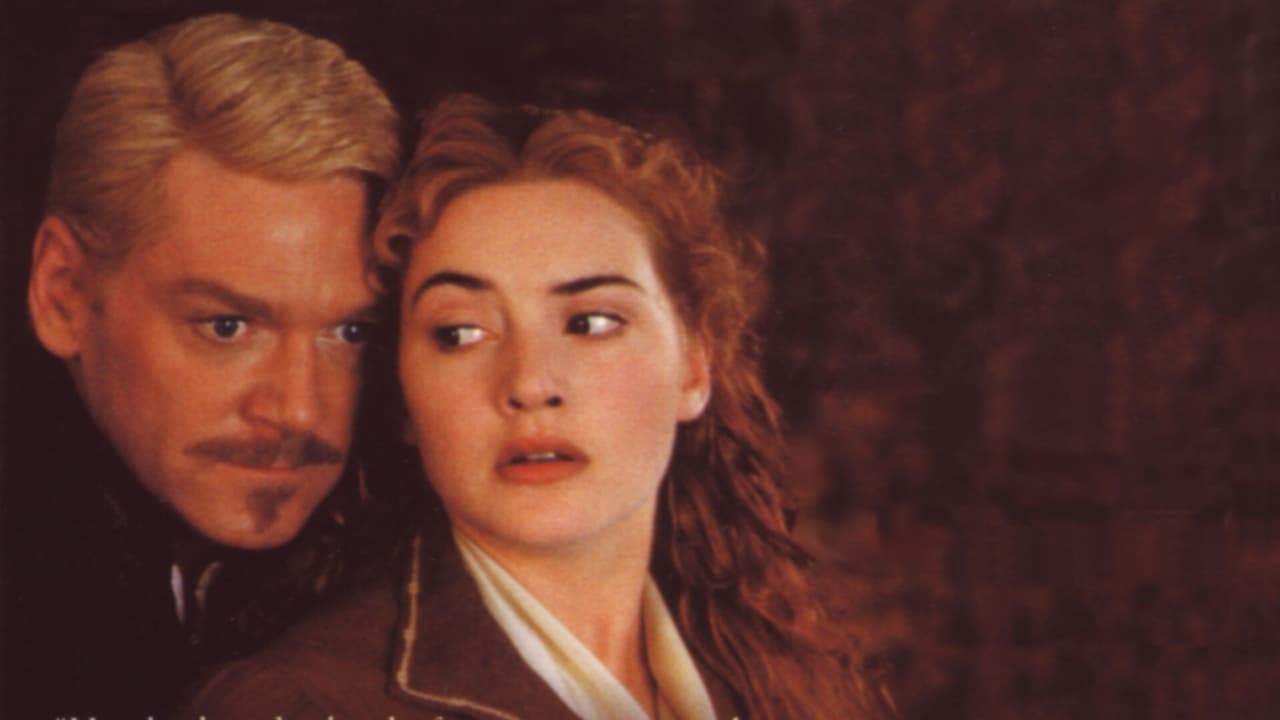
Surrounding Branagh is a truly staggering cast. Derek Jacobi, himself a renowned Hamlet, is a superb Claudius – smooth, politically adept, yet visibly haunted by his fratricide. His delivery of "O, my offence is rank, it smells to heaven" is a masterclass. Julie Christie brings a fragile, poignant complexity to Gertrude, caught between husband and son. And a young Kate Winslet, fresh off Sense and Sensibility (1995), is devastating as Ophelia. Her descent into madness is portrayed with harrowing authenticity, far removed from wispy fragility; it’s raw and painful.
Then there are the cameos, which almost became a talking point in themselves. Seeing Robin Williams pop up as the foppish courtier Osric or Billy Crystal as the Gravedigger felt, even then, slightly surreal. Add Jack Lemmon (Marcellus), Gérard Depardieu (Reynaldo), and screen legend Charlton Heston (Player King), and it's an embarrassment of riches. Do they occasionally pull you out of the film? Maybe momentarily. But mostly, they speak to Branagh's ambition and the respect the project commanded. It felt like everyone wanted to be a part of this monumental undertaking. Interestingly, Heston had played Claudius opposite Jacobi's Laertes decades earlier in a 1970s stage production – a nice bit of theatrical lineage woven into the film's fabric.
The Weight and Wonder of the Full Text
Is four hours too long? For some, undoubtedly. This isn't a version you casually throw on. It demands attention, immersion. Yet, the unabridged text offers profound rewards. Minor characters gain depth, motivations become clearer, and the intricate tapestry of Shakespeare's plot is laid bare. The sheer density of language and incident is overwhelming, but also exhilarating. It forces you to engage, to wrestle with the themes of mortality, revenge, madness, and the corrupting nature of power on an epic scale. Watching it now, what strikes me is how Branagh uses the visual language of cinema – flashbacks during soliloquies, dynamic camera movements – to illuminate, rather than just illustrate, the text. It’s a filmmaker truly grappling with the source material.
Does this film still resonate? Absolutely. Its visual grandeur holds up magnificently, a testament to the power of practical filmmaking and that glorious 70mm format. Branagh’s central performance remains fiercely compelling, and the supporting cast is largely impeccable. It’s a demanding watch, yes, but one that rewards the investment with a depth and scope few Shakespearean adaptations even attempt. It feels less like a relic of the 90s and more like a timeless, definitive statement.
Rating: 9/10
This score reflects the sheer audacity, visual splendor, textual fidelity, and powerful performances that define Branagh's vision. It's docked a single point only because its immense length, while purposeful, makes it a challenging proposition for casual viewing. However, for anyone serious about Shakespeare on film, or simply seeking a truly epic cinematic experience from the twilight of the VHS era, this Hamlet remains essential viewing. It's a testament to the enduring power of the play and the bold artistic ambition that brought it so fully, and unforgettably, to the screen. What lingers most is the feeling of having experienced something truly monumental, a feeling that even the hefty double-VHS box could only hint at.