It arrives less like a history lesson and more like a shadow play, doesn't it? Flickering candlelight catching the edge of a dagger, the rustle of silk masking a whispered conspiracy. When Elizabeth landed on shelves in 1998, looking every bit the prestigious period drama, I wonder how many of us renting it from Blockbuster or Hollywood Video were quite prepared for the visceral political thriller Shekhar Kapur had actually delivered. It wasn't just dusty portraits and polite courtly manners; this felt urgent, dangerous, and startlingly modern in its exploration of power's brutal calculus.
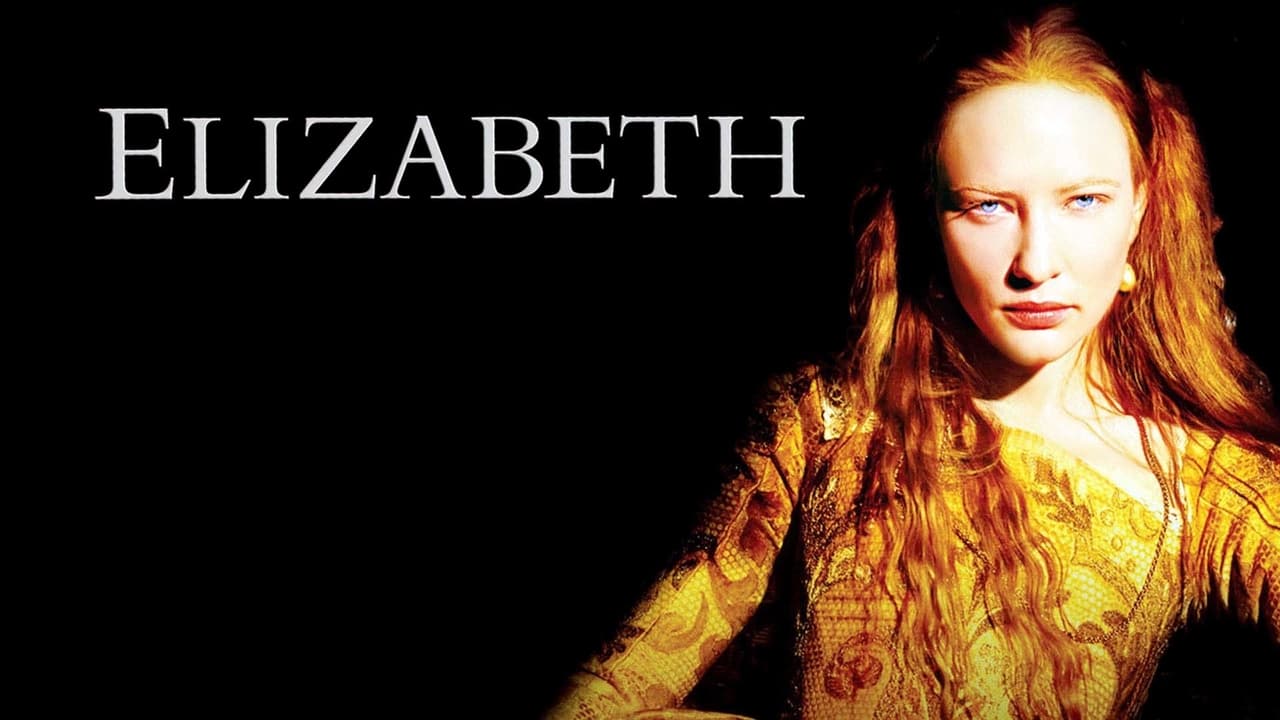
A Crown Heavy with Threat
The premise is familiar ground for history buffs: a young, Protestant Elizabeth Tudor inherits the throne of a religiously fractured and nearly bankrupt England in 1558. Surrounded by Catholic enemies abroad and treacherous nobles at home (many of whom see her, a woman and the daughter of Anne Boleyn, as illegitimate), her position is precarious, to say the least. The film plunges us directly into this viper's nest, less concerned with minute historical accuracy – screenwriter Michael Hirst, who later gave us The Tudors and Vikings, certainly compresses timelines and amps up the intrigue – than with the raw emotional and political reality of Elizabeth's situation. What does it take for a young woman, initially perceived as vulnerable, to survive and ultimately dominate in such a lethal environment?
The Arrival of Blanchett
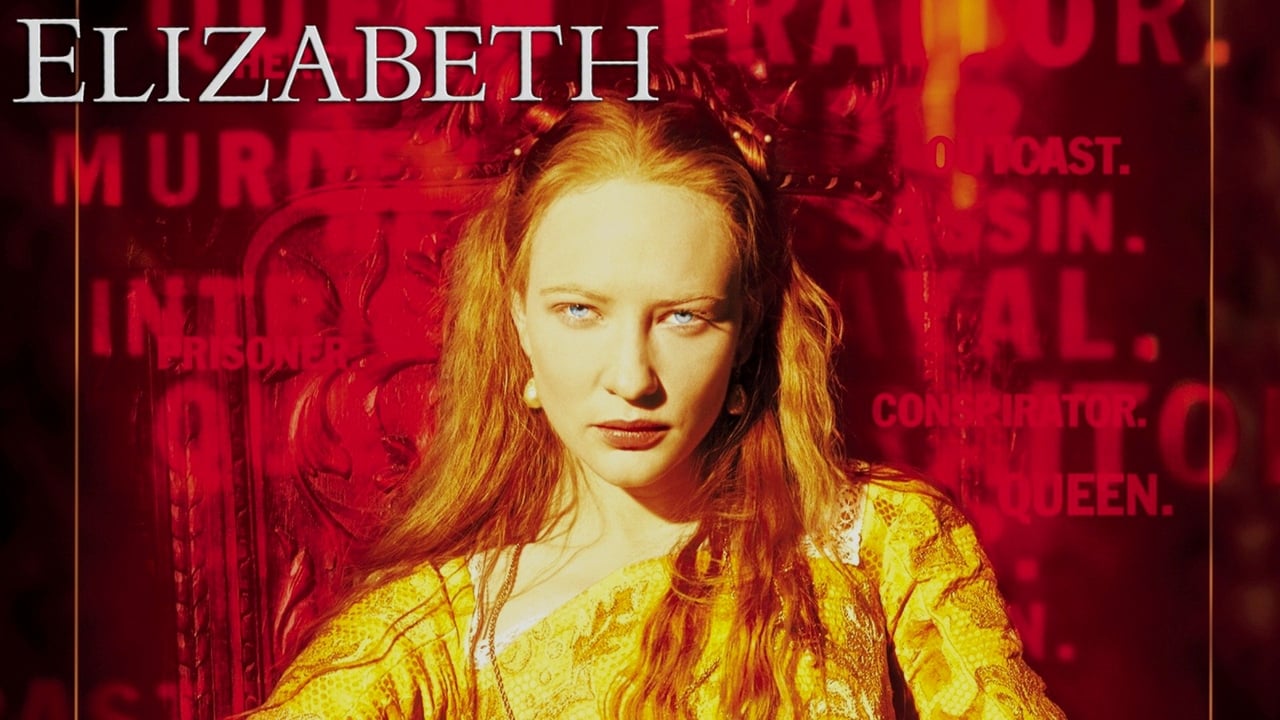
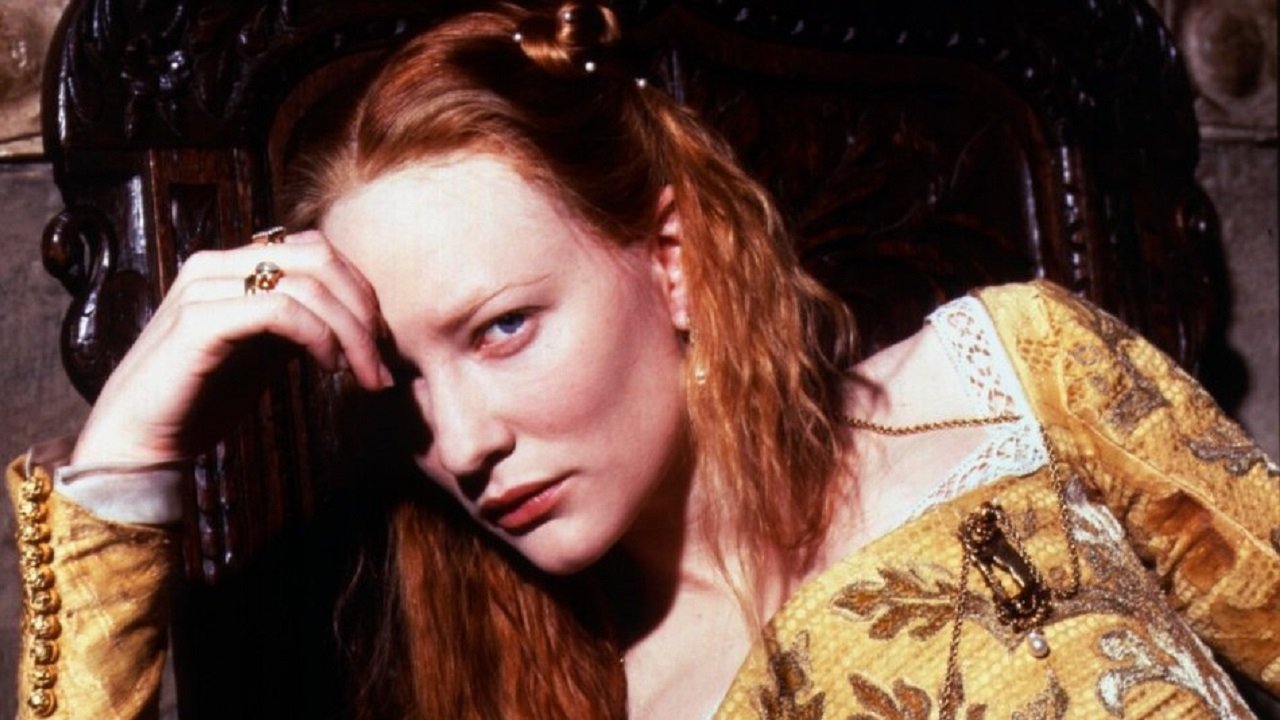
And at the heart of it all, the performance that truly announced a major international talent. Cate Blanchett, then relatively unknown outside Australia, is Elizabeth. It’s more than just a physical resemblance; she embodies the character's complex evolution with astonishing depth. We see the initial uncertainty, the flashes of fear, the reliance on advisors like the pragmatic Sir William Cecil (Richard Attenborough, in a wonderfully grounded role). We witness her vulnerability, particularly in her fraught relationship with Robert Dudley (Joseph Fiennes, fresh off Shakespeare in Love that same year). But crucially, Blanchett makes us feel the gradual hardening, the shedding of personal desire for political necessity, the chilling resolve that crystallizes in her eyes. I distinctly remember the buzz surrounding her performance back then; it felt like witnessing the birth of a star, and history certainly proved that feeling right. Her eventual Oscar nomination for Best Actress was thoroughly deserved.
A Director's Dark Vision
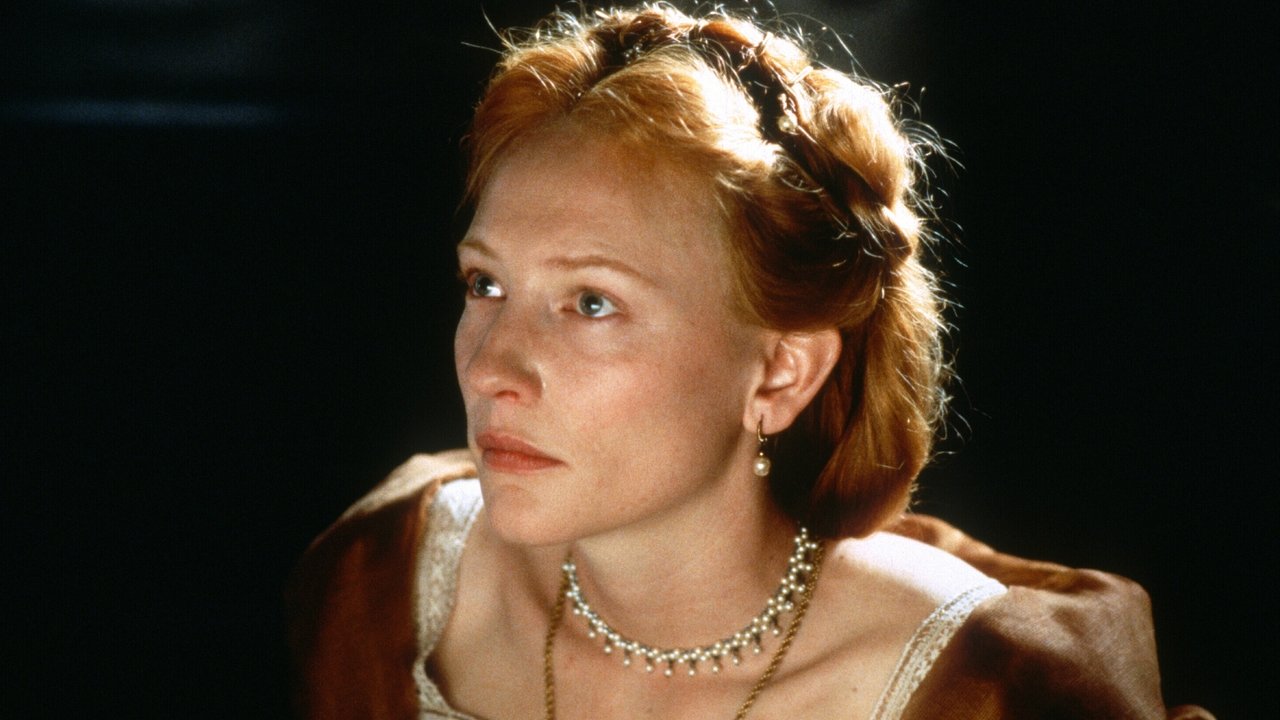
Indian director Shekhar Kapur proved an inspired choice. Reportedly, he had to fight hard to cast Blanchett against studio preferences for established names, a decision that fundamentally shaped the film's success. His outsider's perspective allows him to cut through the expected reverence of British history, focusing instead on the universal themes of power, betrayal, and survival. Working with cinematographer Remi Adefarasin, Kapur crafts a visually stunning film, often favouring shadow and stark contrasts. Palaces feel both opulent and claustrophobic, vast chambers swallowing individuals, emphasizing the isolation of command. Think of those overhead shots, making the court intrigue resemble moves on a chessboard. It’s a style that owes as much to the political thriller as the historical epic, making the relatively modest $30 million budget work incredibly hard. Filming in historic locations like Alnwick Castle lent authenticity, but it's Kapur's framing and pacing that create the pervasive sense of dread.
Walsingham's Necessary Cruelty
Alongside Blanchett, Geoffrey Rush delivers a magnetic performance as Sir Francis Walsingham, the Queen's spymaster. His Walsingham is a man utterly devoted to Elizabeth's security, employing methods both ruthless and effective. He’s the embodiment of the cold logic required to protect the crown, a necessary darkness complementing Elizabeth's ascent. Rush plays him with a chilling stillness, a quiet intensity that makes his rare moments of action even more impactful. The dynamic between Blanchett's evolving Queen and Rush's unwavering protector is one of the film's strongest pillars. Christopher Eccleston also provides formidable opposition as the Duke of Norfolk, representing the entrenched Catholic nobility resistant to Elizabeth's rule.
Costumes as Character Arc
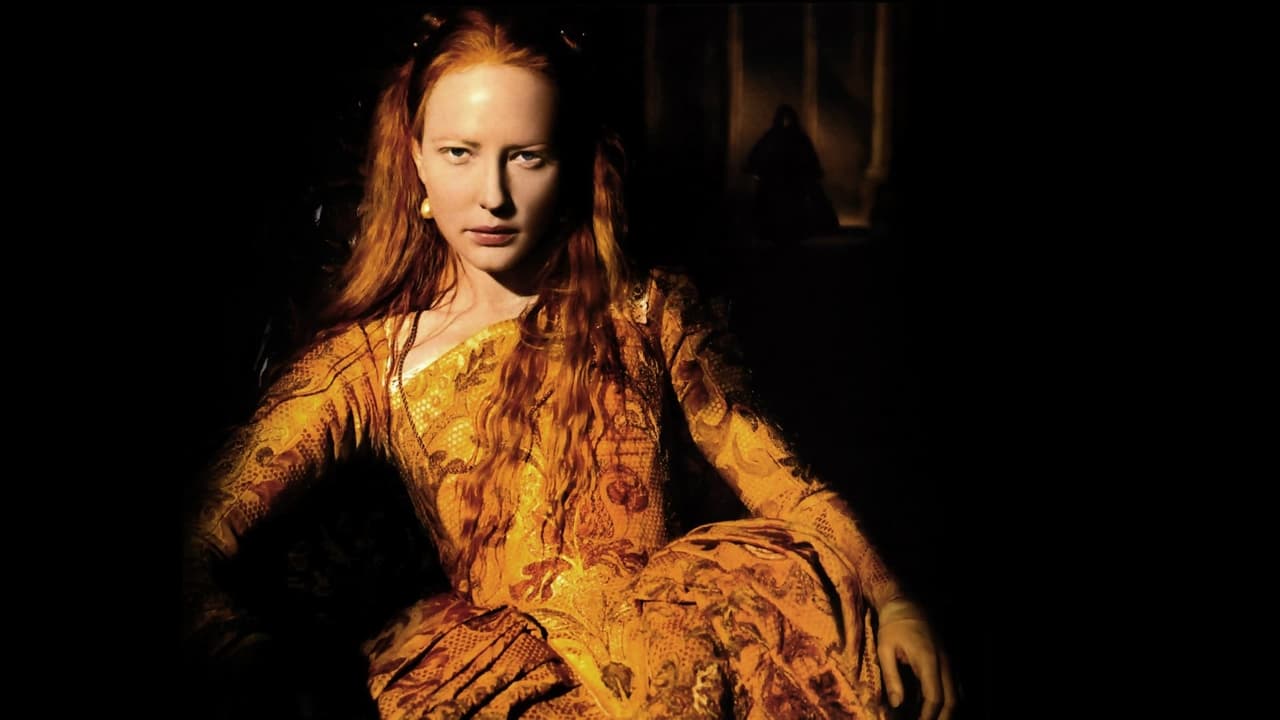
While historical purists might quibble over certain dramatic liberties, the film functions brilliantly as a character study and a tense thriller. The narrative choices serve the central theme: the immense personal cost of absolute power. This is powerfully reflected in the Oscar-nominated costumes designed by Alexandra Byrne (who would win the Oscar for the sequel). Elizabeth's gowns evolve from the softer, more conventionally feminine styles of her youth to the increasingly elaborate, armour-like creations that signify her transformation into the "Virgin Queen" – a deliberate construction of an image designed to command loyalty and project inviolability. That final scene, with Elizabeth revealed in white makeup and regal attire, declaring herself "married to England," remains an iconic cinematic moment.
Legacy of a Modern Queen
Elizabeth wasn't just another period piece; it felt vibrant, dangerous, and relevant. It garnered seven Academy Award nominations (winning for Best Makeup) and established Cate Blanchett as a leading actress. It arguably revitalized the historical drama genre, showing it could be stylish, intense, and appealing beyond just history enthusiasts. It led, eventually, to the 2007 sequel, Elizabeth: The Golden Age, reuniting Kapur, Blanchett, and Rush, though perhaps lacking the raw impact of the original. Watching it again now, perhaps on a format far removed from the original VHS tape I likely rented back in '99, its power hasn't diminished. The political maneuvering, the betrayals, the crushing weight of leadership – these feel timeless.
Rating: 9/10
This score is earned through Cate Blanchett's career-defining performance, Shekhar Kapur's bold and atmospheric direction, Geoffrey Rush's chilling portrayal of Walsingham, and the film's success in transforming historical events into a gripping, relevant political thriller. While it takes liberties with history, it does so to explore profound truths about power, sacrifice, and the forging of an icon. The visual style and intense atmosphere remain utterly compelling.
It leaves you contemplating the true price of the crown, doesn't it? What must be surrendered personally to gain and hold ultimate authority? Elizabeth doesn't just depict history; it makes you feel the weight of it.