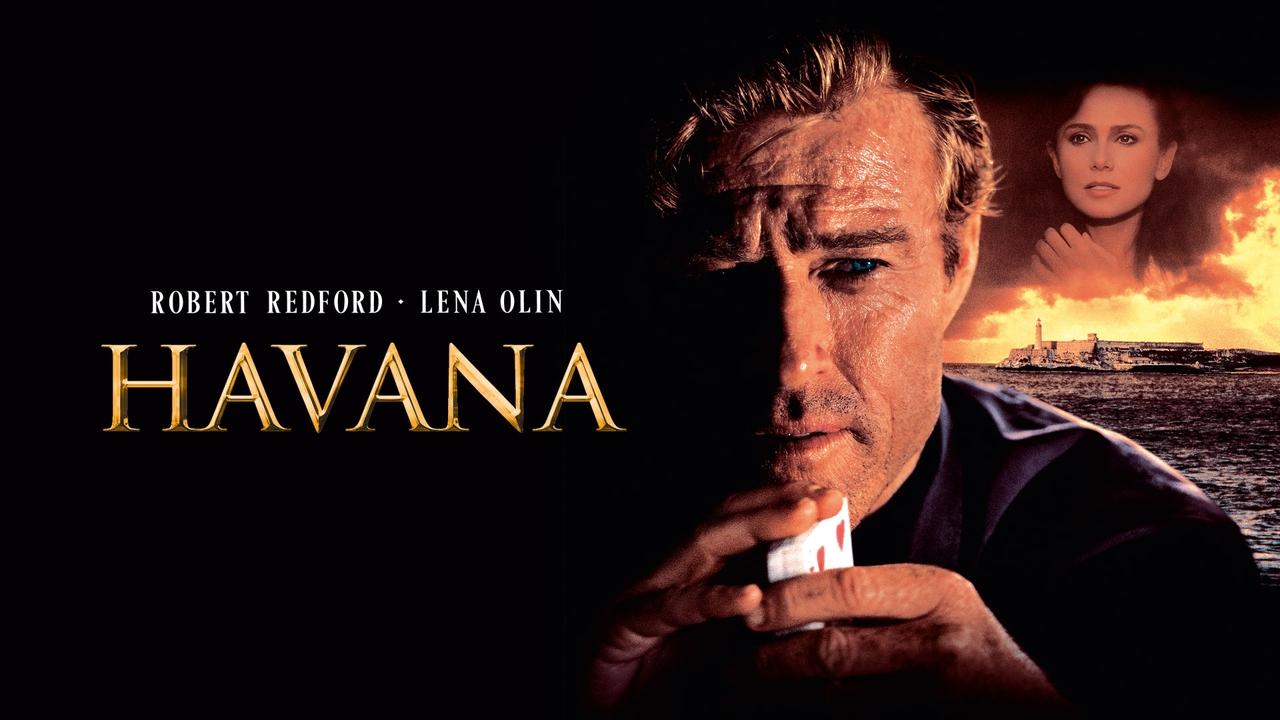
Okay, let's dim the lights, maybe pour something thoughtful, and settle in. Remember pulling that slightly oversized clamshell case off the rental shelf? The cover art promising exotic locales, smoldering romance, and maybe a hint of danger? That was the feeling often conjured by a Sydney Pollack film, especially one starring his frequent collaborator, Robert Redford. 1990's Havana arrived with those exact expectations, a film steeped in the atmosphere of a specific, volatile moment – Cuba, December 1958, the air thick with cigar smoke, mambo rhythms, and the unmistakable scent of revolution.
Whispers of Revolution, Echoes of Classic Cinema
The premise itself feels potent: Jack Weil (Redford) is a seasoned American gambler, drifting through life with calculated detachment, playing the odds but never his heart. He lands in Havana seeking one last big score before Batista's corrupt regime inevitably collapses. But fate, as it often does in these grand, atmospheric dramas, deals him an unexpected hand in the form of Roberta Duran (Lena Olin). She's beautiful, fiercely committed to the revolutionary cause, and married to a key figure within it (Raul Julia, radiating quiet intensity in his role). Weil, initially drawn in by chance and perhaps a mercenary impulse, finds himself increasingly entangled not just in Roberta's dangerous world, but in the magnetic pull of her conviction.
It's impossible, of course, to discuss Havana without acknowledging the long shadow cast by Casablanca (1942). The parallels are deliberate: the cynical American expatriate, the noble European woman tied to the resistance, the exotic locale teetering on the brink of chaos, even a memorable piano score (this time by the brilliant Dave Grusin, a frequent Pollack partner whose work here earned a deserved Oscar nomination). Yet, clinging too tightly to that comparison does Havana a disservice. While it borrows the framework, Pollack, working from a script credited to Judith Rascoe and David Rayfiel (a longtime Pollack associate), seems less interested in replicating Bogart and Bergman's iconic romance and more focused on the specific political and moral landscape of pre-Castro Cuba. The film delves into the grubby compromises, the casual brutality underpinning the glamour, and the stark choices faced by those caught in the historical tide.

A High Stakes Gamble Behind the Scenes
Bringing this particular slice of history to the screen was a gamble in itself. Filming in actual Havana was impossible, forcing Pollack and his team to meticulously recreate the city's faded grandeur in the Dominican Republic. Reports spoke of enormous, detailed sets being constructed to capture the look and feel of late 50s Cuba – a significant undertaking reflected in the film’s hefty reported budget (upwards of $40 million). This commitment to authenticity is palpable; you can almost feel the humidity and the nervous energy crackling beneath the surface of the elegant casinos and bustling streets. Interestingly, this project had been gestating for years, kicking around Hollywood since the mid-70s before finally aligning Pollack and Redford once more after their triumphs with films like Three Days of the Condor (1975) and the sweeping epic Out of Africa (1985).
Performances Under Pressure
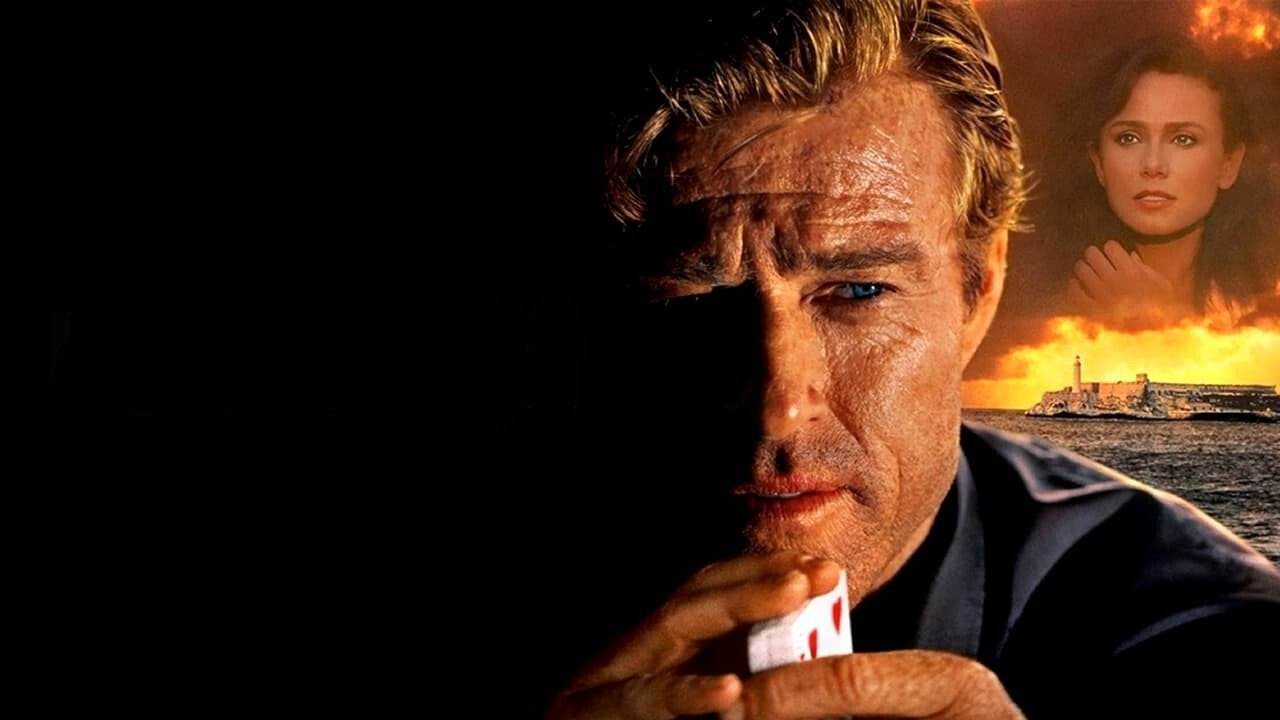
Robert Redford, then in his early 50s, slips back into the role of the charming, world-weary observer with practiced ease. His Jack Weil is perhaps a touch too opaque at times, his motivations kept close to his vest, which can make the central romance feel slightly less fiery than intended. Yet, there's undeniable movie-star charisma at play, and his subtle shifts from detached gambler to compromised participant are quietly effective.
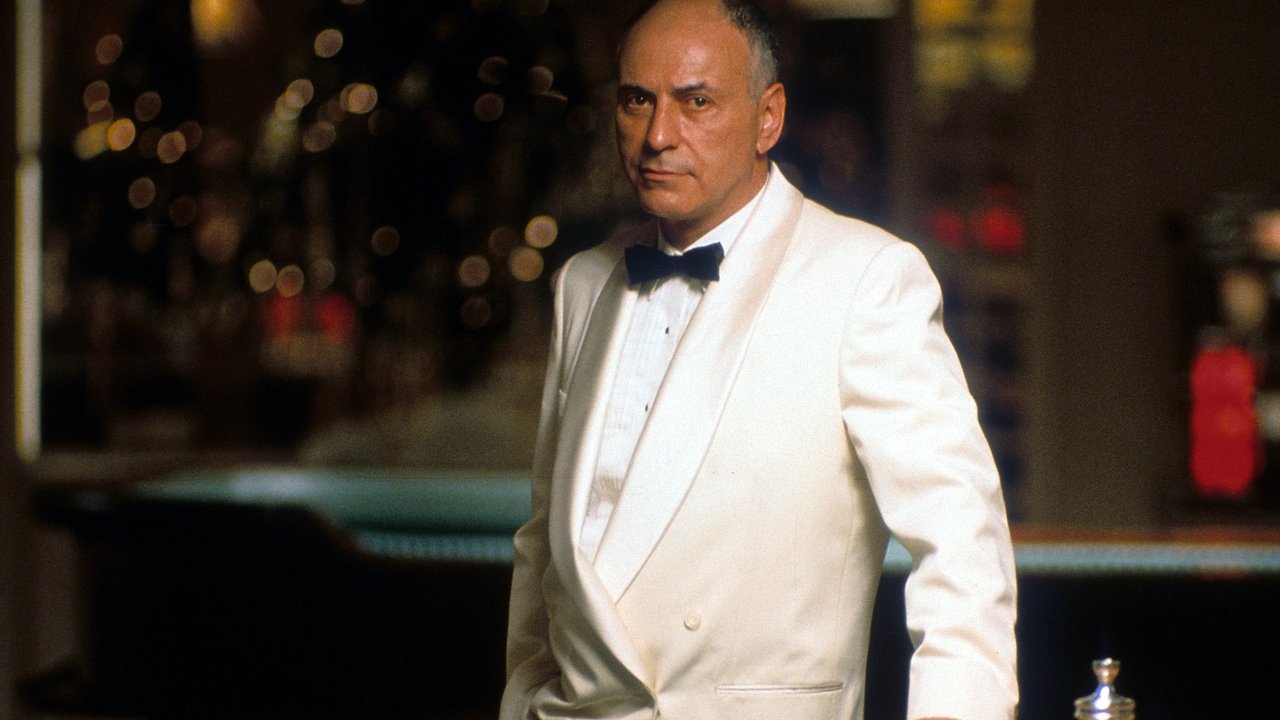
The real heat, however, comes from Lena Olin. Fresh off magnetic performances in films like The Unbearable Lightness of Being (1988), she invests Roberta with a captivating blend of passion, vulnerability, and unwavering resolve. You believe utterly in her commitment to the cause and understand why Weil, a man determined to remain uninvolved, might risk everything for her. Watching her navigate the treacherous political landscape while wrestling with her feelings for Weil provides the film's strongest emotional anchor. And we can't forget Alan Arkin as casino manager Joe Volpi, delivering his lines with that signature deadpan wit, offering glimpses of the pragmatic reality beneath the revolutionary fervor.
A Melancholy Look Back
Havana didn't quite ignite the box office or critical acclaim many expected, perhaps suffering from those inescapable Casablanca comparisons or maybe arriving at a time when audiences craved something faster-paced than this deliberately measured, character-focused drama. Its $9 million US gross against that large budget marked it as a financial disappointment. Watching it now, on a quiet night reminiscent of when you might have popped the VHS tape in decades ago, its strengths feel more apparent. It’s a mature, beautifully crafted film filled with a specific kind of melancholy beauty. It captures the intoxicating allure and the inherent rot of a bygone era, asking us to consider what we truly value when the chips are down. What lingers isn't just the plot, but the atmosphere – the sweat, the fear, the forbidden glances across crowded rooms, the sense of an entire world about to change forever.
Rating: 7/10
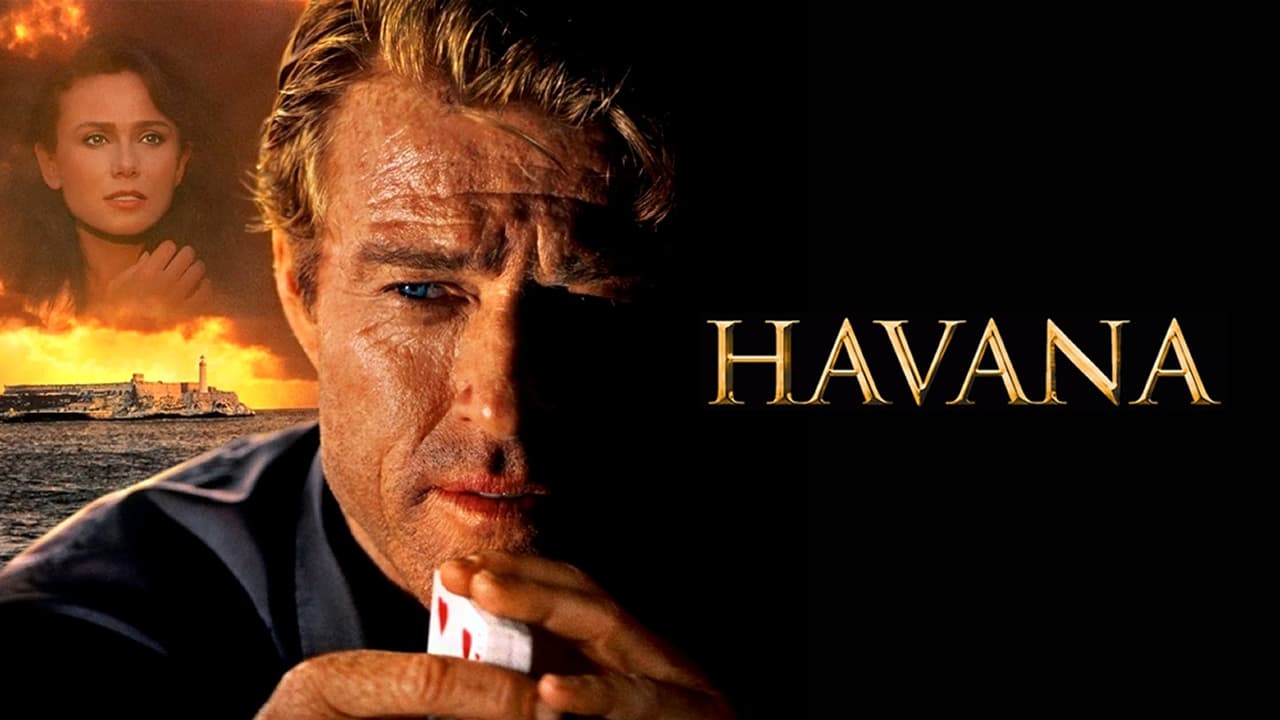
This rating reflects the film's considerable ambition, its evocative atmosphere, Grusin's superb score, and Lena Olin's standout performance. It captures a specific mood and historical moment with care. However, it loses points for a certain emotional distance in the central romance, occasional pacing lags, and the inescapable feeling that it doesn't quite reach the heights of the classics it clearly admires.
Havana remains a fascinating, somewhat overlooked entry in both Pollack's and Redford's filmographies – a grown-up drama that perhaps resonates more deeply now, offering a bittersweet look at love and idealism caught in the crosscurrents of history. It’s the kind of film that might leave you pondering the 'what ifs' long after the credits roll.