### Love, Loyalty, and Lethal Liaisons
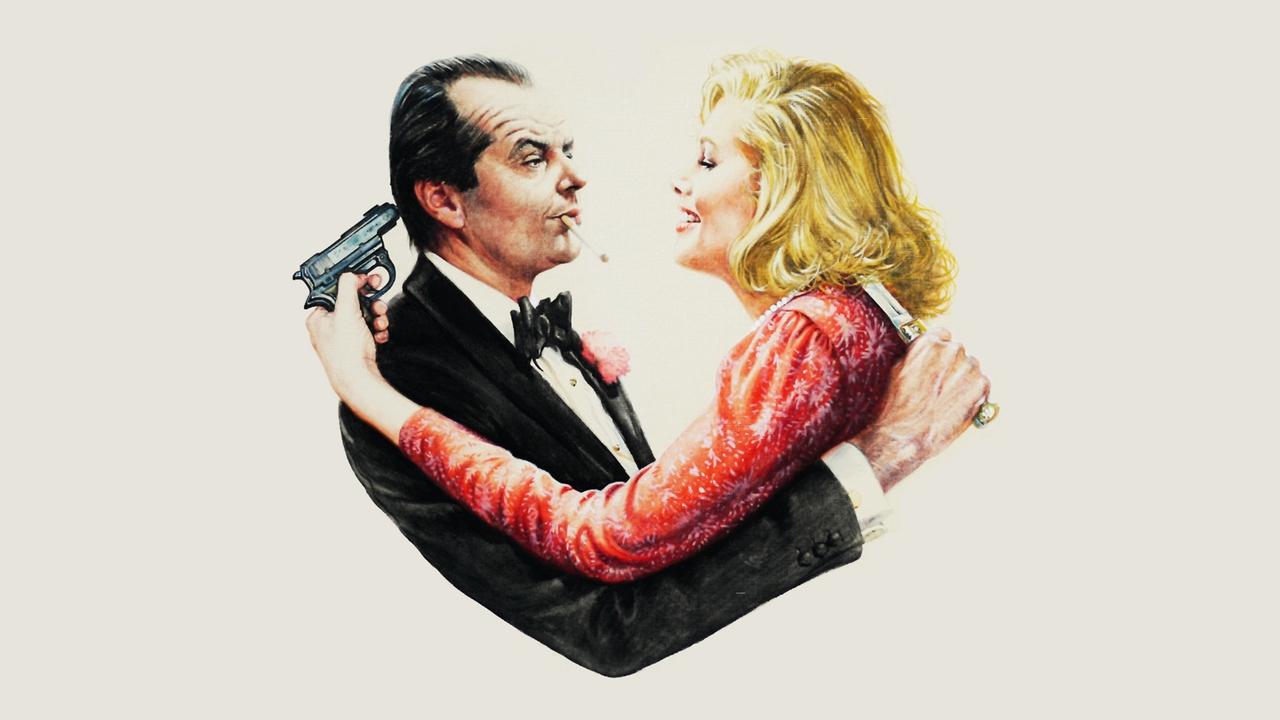
What happens when Cupid’s arrow is tipped with cyanide? That’s the darkly glittering question at the heart of John Huston's 1985 masterpiece, Prizzi's Honor. Forget the operatic grandeur often associated with cinematic Mafia families; this film plunges us into a world far more unsettling because it feels so… professional. It presents organized crime not just as a brutal enterprise, but as a business with codes, traditions, and bewilderingly complex emotional entanglements, all delivered with a deliciously sardonic grin. Watching it again, decades after first sliding that worn VHS tape into the VCR, the film's peculiar genius feels even sharper, its observations on love and loyalty more piercing.
### A Match Made in… Where Exactly?
The premise itself is a masterstroke of grim irony. Charley Partanna (Jack Nicholson), a loyal and highly effective enforcer for the powerful Prizzi crime family in Brooklyn, attends a mob wedding and is instantly smitten. The object of his affection is Irene Walker (Kathleen Turner), a statuesque beauty with an enigmatic air. Their romance blossoms quickly, a seemingly conventional affair played out against the backdrop of family dinners and whispered conversations. But this is a Huston film, adapted from a Richard Condon novel (the mind behind The Manchurian Candidate (1962)), so convention is merely a disguise. The slow, dawning realization that Irene isn't just an outsider but a highly skilled "contractor" herself – and potentially one who has crossed the Prizzi family – sets the stage for a conflict that's as tragically inevitable as it is darkly funny. The film brilliantly portrays the mob less like Coppola's regal Corleones and more like a twisted, multi-generational corporation where personal feelings are, at best, inconvenient complications.
### Performances That Kill
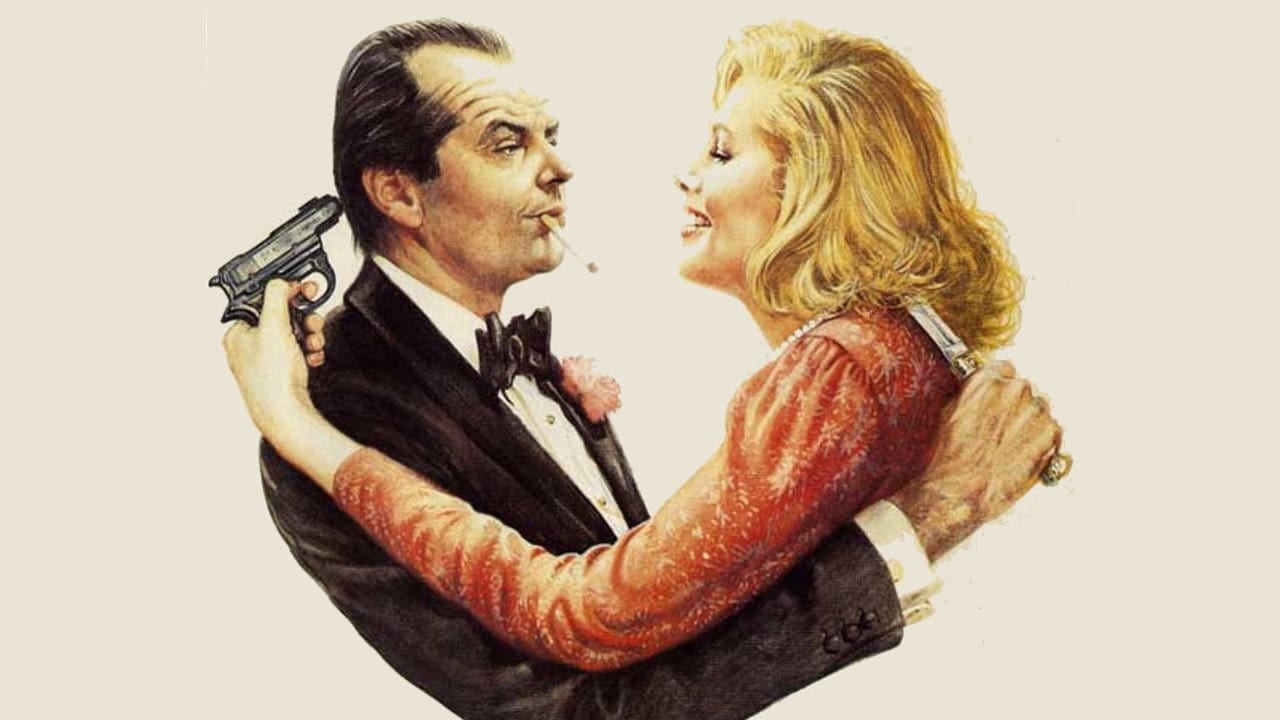
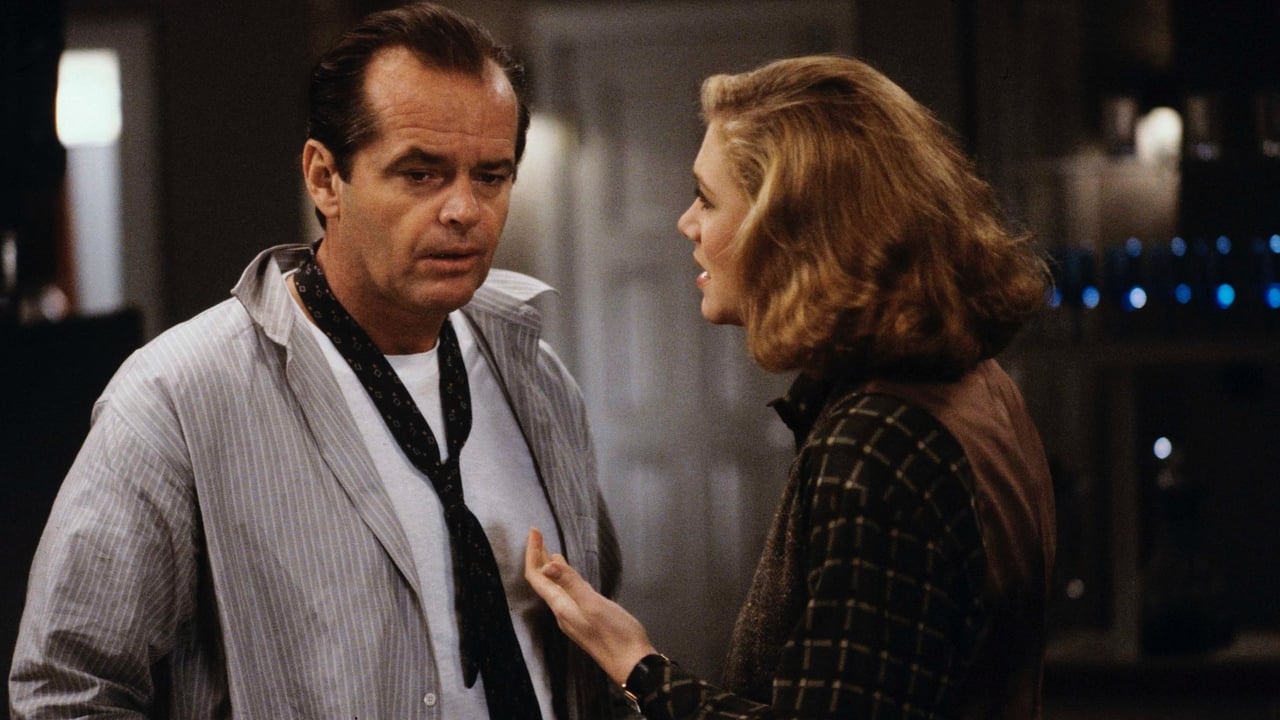
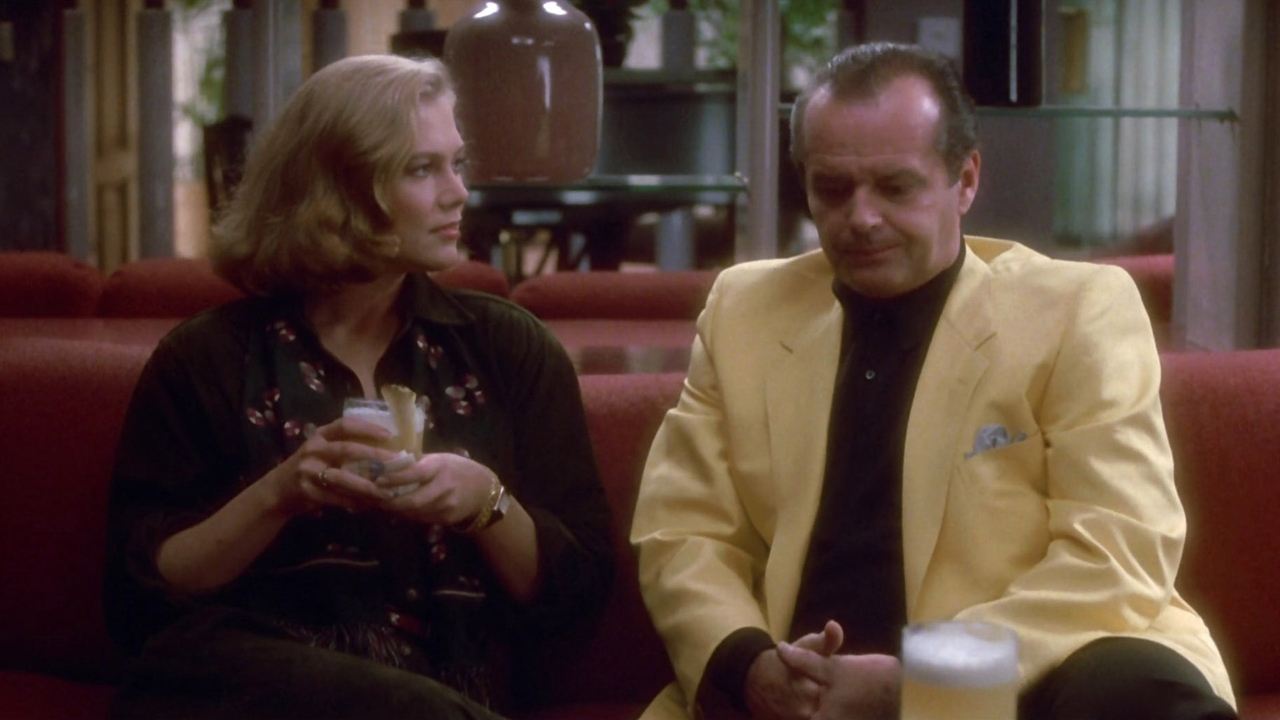
The casting here is nothing short of perfection, each actor navigating the film's tricky tonal tightrope with astonishing skill. Jack Nicholson, stepping away from the more overtly explosive characters he often played in the 80s, delivers one of his most fascinatingly calibrated performances. Charley isn't stupid, exactly, but he’s… insulated. He operates within the rigid logic of his world, applying his professional dedication to matters of the heart with results that are both horrifying and hilarious. His love for Irene feels genuine, yet his loyalty to the Prizzis is absolute, creating a tension that Nicholson conveys with subtle shifts in expression and a carefully controlled physicality.
Matching him is Kathleen Turner, fresh off cementing her star status in Romancing the Stone (1984). As Irene, she is captivating – smart, seductive, and utterly dangerous. The chemistry between her and Nicholson crackles, a volatile mix of passion and professional rivalry. You believe they are falling in love, even as you suspect one might eventually have to kill the other. It’s a testament to both actors that this central relationship feels so compellingly real amidst the absurdity.
And then there's Anjelica Huston. Her portrayal of Maerose Prizzi, the calculating granddaughter of the Don who Charley previously scorned, is a force of nature. Maerose is all quiet observation and simmering resentment, manipulating events from the sidelines with devastating precision. It’s a performance built on stillness and subtle glances, radiating intelligence and wounded pride. It famously won her the Academy Award for Best Supporting Actress, directed by her legendary father, John Huston, in one of his final films. It’s a piece of Hollywood history woven right into the fabric of the film itself – a father guiding his daughter to her greatest triumph in a movie steeped in complex family dynamics. Supporting players like Robert Loggia and William Hickey (both deservedly Oscar-nominated) further enrich the world as senior Prizzi members, embodying the old-world menace and pragmatic cruelty of their business.
### Huston's Swan Song Style
John Huston, a titan who gave us classics like The Maltese Falcon (1941) and The Treasure of the Sierra Madre (1948), directs with the assured hand of a master fully in control of his craft. Prizzi's Honor doesn't feel like an "old man's movie"; it feels vital, witty, and daring. He embraces the script's dark humor without ever winking at the audience. The violence is sudden and brutal, never played for laughs, which only heightens the unsettling comedy of the characters' matter-of-fact approach to murder. The film maintains a deliberate pace, allowing the absurdity and the tragedy to unfold organically. It wasn't a massive blockbuster (earning a respectable $26.7 million against a $16 million budget), but its critical acclaim, including 8 Oscar nominations (Best Picture, Director, Actor, Actress, two Supporting Actor nods, Adapted Screenplay, Costume Design) cemented its status. It felt like a distinct offering in the mid-80s cinematic landscape, a sophisticated, cynical counterpoint to the era's prevailing optimism or high-octane action.
### The Business of Betrayal
What lingers most about Prizzi's Honor is its chilling exploration of loyalty. In the Prizzi world, loyalty isn't an emotion; it's a contractual obligation, paramount to everything else – even love, even family ties in the conventional sense. The film asks uncomfortable questions: can genuine love survive in an environment built on deceit and violence? What does "honor" even mean among thieves and killers? The film doesn't offer easy answers, presenting its characters' choices with a detached, almost anthropological coolness. The slightly stilted, formal dialogue emphasizes this disconnect – these characters often talk around their emotions, using the coded language of their profession even in moments of personal crisis. I distinctly remember renting this from the local video store, perhaps nestled between more straightforward thrillers, and being struck by its unique flavor – it wasn't quite like anything else on the shelf.
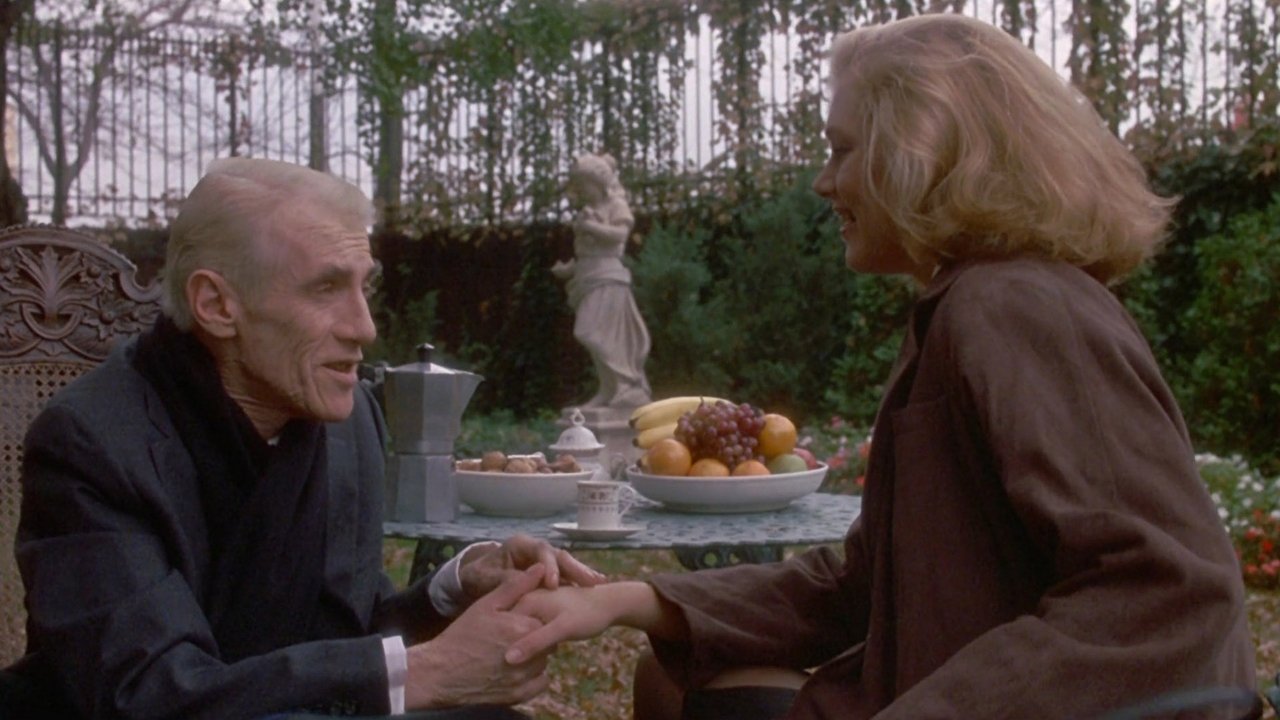
Rating: 9/10
This score reflects the film's masterful execution across the board. The direction is impeccable, the screenplay is razor-sharp, and the performances, particularly from the four leads, are simply outstanding. Its unique blend of dark comedy, romance, and gangster tropes creates a truly original and unforgettable cinematic experience. It’s a film that rewards repeat viewings, revealing new layers of irony and pathos each time.
Prizzi's Honor remains a high point of 80s cinema – cynical, intelligent, and profoundly unsettling. It’s a reminder that sometimes the most dangerous liaisons aren't just affairs of the heart, but matters of deadly serious business. What price loyalty, indeed?