There’s a certain kind of sun-drenched melancholy that sticks with you after watching Buster. It’s not just the Acapulco heat shimmering off the screen; it’s the palpable weight of choices made, the distance stretched between a man and everything he truly values. Released in 1988, this film arrived carried on the colossal wave of its star's musical fame, yet it offered something more nuanced, more bittersweet than many might have expected from Phil Collins, the stadium-filling frontman of Genesis and solo superstar. It aimed to be more than just a cheeky caper about the Great Train Robbery; it wanted to explore the heart beneath the headlines.
From Drum Machine to Leading Man
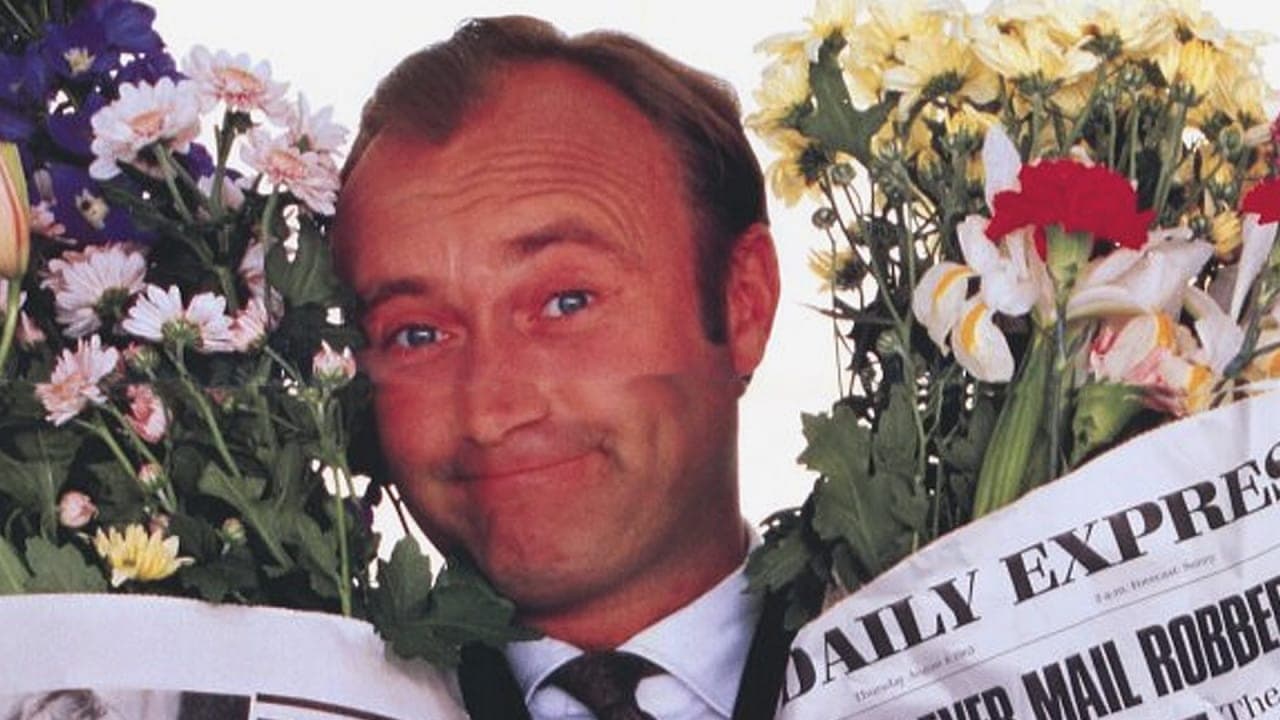
Let's be honest, casting Phil Collins as Buster Edwards, one of the architects of the infamous 1963 heist, raised eyebrows. Could the man behind "In the Air Tonight" convincingly portray a charming London rogue caught up in one of Britain's most notorious crimes? The surprise, and a key strength of the film, is how effectively Collins pulls it off. He doesn't just rely on his inherent everyman likability; he imbues Buster with a believable blend of swagger, vulnerability, and a desperate yearning for domestic stability even amidst audacious criminality. It was a gamble that largely paid off, transforming Collins from musician-making-a-cameo (as he had in Miami Vice) into a credible lead. Reportedly, Collins pursued the role actively, even meeting the real Buster Edwards (who, fact fans, had a cameo as a spectator outside the courtroom!) to capture the man's essence.
The narrative splits neatly, almost too neatly, into two halves. First, the planning and execution of the daring robbery, depicted with a certain laddish charm and period detail capturing the spirit of early 60s London. Then comes the fallout: the escape, the exile in Mexico, and the agonizing choice Buster faces between freedom abroad and reunion with his beloved wife, June, back home. It's this second half where the film finds its emotional anchor, largely thanks to the magnificent Julie Walters.
The Heart of the Matter
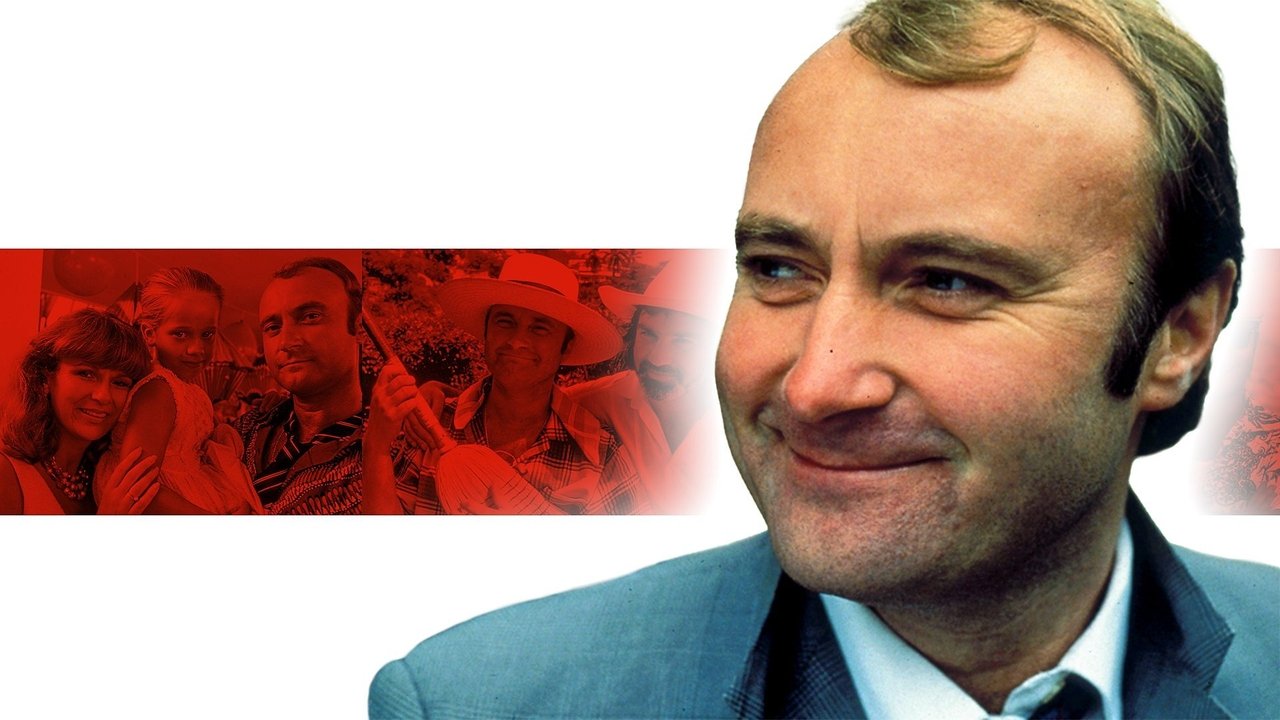
If Collins provides the film's unexpected center, Julie Walters as June Edwards is its undeniable soul. Fresh off powerful performances in films like Educating Rita (1983) and Personal Services (1987), Walters brings fierce loyalty, simmering resentment, and profound love to the role. The scenes depicting June's isolation and strength back in England, contrasted with Buster's increasingly hollow life under the Mexican sun, are the film's most compelling. Their strained phone calls crackle with unspoken emotions, highlighting the true cost of Buster's actions far more effectively than any depiction of the heist itself. Their chemistry feels authentic, grounding the sometimes-romanticized portrayal of the crime in genuine human connection. You feel the pull between them, the impossible situation they're trapped in. Doesn't that dilemma – the tension between personal desire and responsibility to loved ones – echo choices many face, albeit on a less dramatic scale?
More Than Just a Heist Flick?
Directed by David Green, whose filmography isn't packed with household names but who handles the period detail competently, Buster walks a tightrope. It aims for the breezy energy of a crime caper but delves into the emotional consequences, creating a slightly uneven tone. The first act, featuring Larry Lamb (perhaps best known to UK audiences later for EastEnders and Gavin & Stacey) as fellow robber Bruce Reynolds, has a certain roguish charm. We see the camaraderie, the thrill of the planning. But the film deliberately pivots, forcing us to confront the aftermath. The vibrant colours of Acapulco eventually seem glaring and artificial compared to the grey, but emotionally resonant, reality of home.
One can't discuss Buster without mentioning its powerhouse soundtrack, largely performed by Collins himself. His covers of 60s classics, like "A Groovy Kind of Love" (which hit Number 1 in both the UK and US) and "Two Hearts" (another chart-topper, co-written with legendary Motown writer Lamont Dozier), became intrinsically linked with the film. For many who grabbed this VHS tape off the rental shelf back in the day – maybe tucked between Wall Street and Die Hard – the music was as much the draw as the story. It undeniably amplified the film's nostalgic mood and emotional beats, even if it occasionally threatened to overshadow the drama. I distinctly remember that soundtrack cassette being played endlessly in cars and on Walkmans throughout '88 and '89.
The film wasn't without controversy. Some critics and politicians accused it of glorifying crime, particularly given the violence involved in the real Great Train Robbery (the serious injury to train driver Jack Mills is notably downplayed). Even the Royal Family allegedly declined attending the premiere due to these concerns. It’s a valid point – the film does present Buster as a fundamentally decent, loveable rogue pushed by circumstance, softening the harsher edges of his criminal enterprise. Its relatively modest UK box office (£5.4 million, perhaps around £16 million today) suggests it didn't set the world alight, but it found a solid audience, particularly on home video.
The Lingering Echo
What lingers after the credits roll isn't the excitement of the heist, but the quiet desperation in Collins' eyes as Buster weighs his options, and the unwavering, wounded strength in Walters' performance. It’s a film about consequences, about the high price of chasing ill-gotten gains, and ultimately, about the magnetic pull of home and love. It doesn’t quite achieve greatness – the tone sometimes wobbles, and the romanticization of the crime remains slightly uncomfortable – but it possesses a surprising emotional depth, carried by its two leads and that evocative soundtrack. It’s a quintessential late-80s artefact, a pop culture moment wrapped around a surprisingly affecting human story.
Rating: 6/10
Justification: While boosted by strong lead performances, particularly from Julie Walters, and an iconic soundtrack, Buster's uneven tone and somewhat sanitized portrayal of the central crime prevent it from being truly exceptional. Phil Collins delivers a commendable performance that defied expectations, and the film effectively captures the emotional core of Buster's dilemma. However, it struggles to fully reconcile its caper elements with its dramatic aspirations. It’s a heartfelt, nostalgic watch, but not without its flaws.
Final Thought: For all the sunshine and catchy tunes, Buster leaves you pondering the shadows – the compromises we make, the things we can't outrun, and the enduring power of a simple life truly lived.