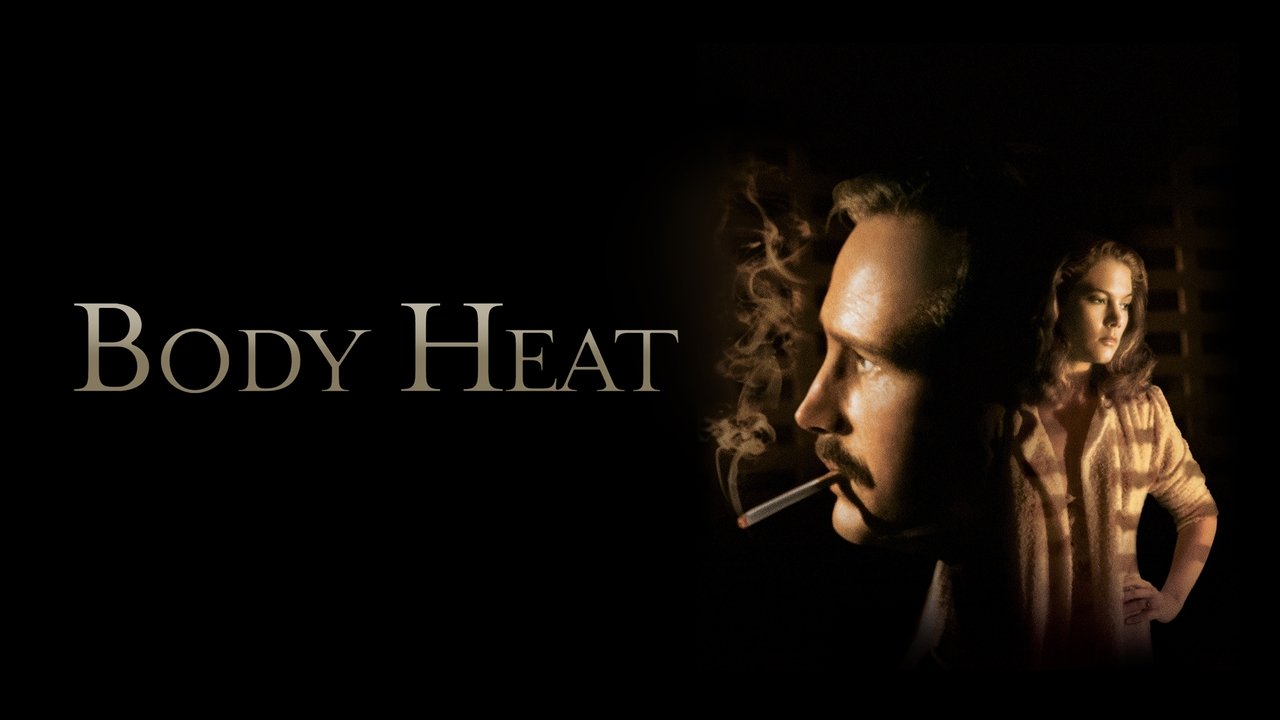
You can almost feel the humidity prickling your skin right from the opening frames. That thick, inescapable Florida heat in Body Heat isn't just weather; it's a character, a suffocating presence that mirrors the rising tension and simmering desires driving this unforgettable 1981 neo-noir. I recall renting this one, maybe a little younger than I should have been, the provocative cover art hinting at something dangerous and adult lurking within the plastic clamshell case. It didn’t disappoint. This wasn't just another thriller; it felt like handling something illicit, a film steeped in sweat, shadows, and fatal mistakes.
A Slow Burn in Paradise
The setup, masterminded by first-time director Lawrence Kasdan (who, astoundingly, penned The Empire Strikes Back (1980) and Raiders of the Lost Ark (1981) just before this), is classic noir, lovingly transplanted to the sun-drenched, yet morally murky, landscape of South Florida. William Hurt plays Ned Racine, a somewhat lazy, easily flattered small-town lawyer whose life takes a sharp, irreversible turn when Matty Walker glides into view. The plot unwinds deliberately: a magnetic attraction, whispers of an unhappy marriage to a wealthy, imposing older man (Richard Crenna), and eventually, the hatching of a plan that feels doomed from the start. Kasdan doesn't rush; he lets the atmosphere build, the dialogue crackle with double meanings, and the sense of impending disaster hang heavy in the air, thick as the summer humidity.
The Arrival of Kathleen Turner
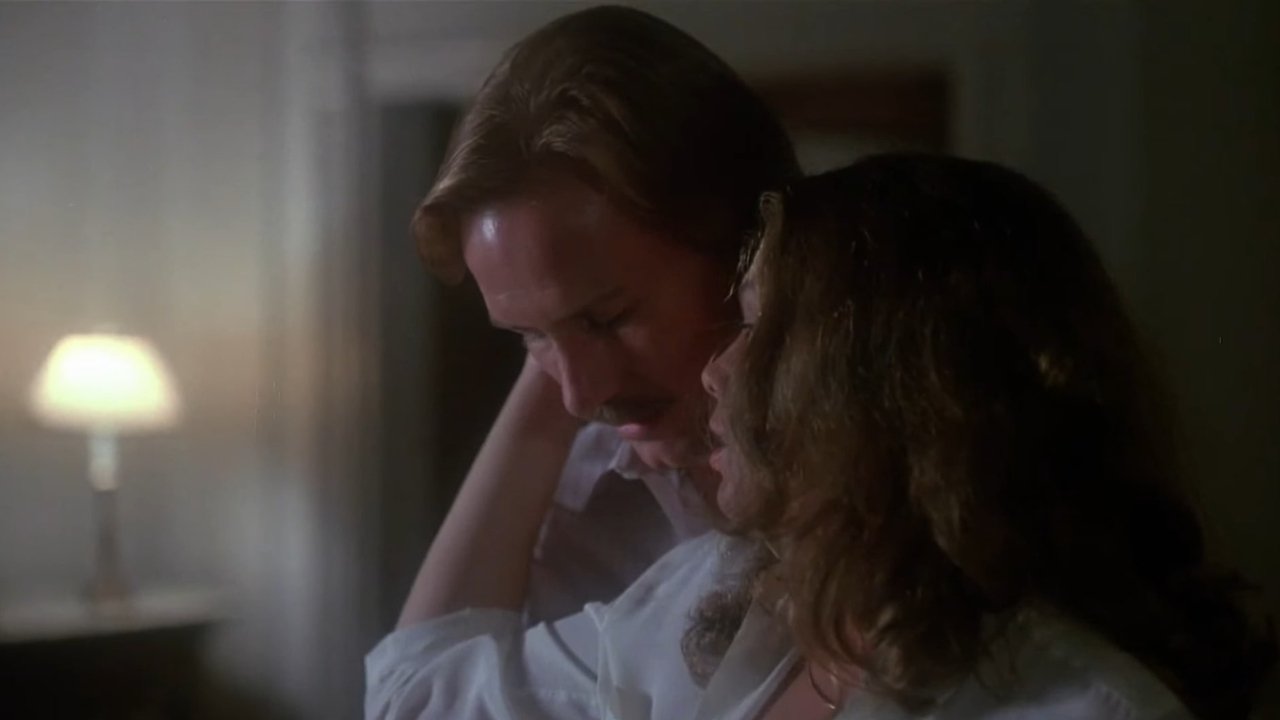
And then there's Matty Walker. Has any actress ever announced her arrival with such devastating impact? Kathleen Turner, in her feature film debut, isn't just playing a femme fatale; she embodies her. It’s a performance of staggering confidence and calculated allure. Kasdan famously searched for an unknown face, wanting the audience to have no preconceived notions about Matty, and Turner delivered beyond anyone's wildest expectations. She moves with a languid grace, her voice a smoky purr that can turn sharp as broken glass. You see exactly why Ned Racine, despite the flashing warning signs, tumbles headfirst into her web. It's not just about her physical beauty; it's the intelligence flickering in her eyes, the hint of vulnerability expertly deployed, the way she makes Ned feel like the most important man in the world, even as she's orchestrating his potential ruin. It remains one of the truly great screen entrances and breakout performances of the era.
Hurt's Descent
Opposite Turner, William Hurt is perfect as the flawed protagonist. Ned isn't a bad man, initially, just weak-willed and susceptible to the promise of excitement and passion that Matty represents. Hurt masterfully conveys Ned’s ego, his gradual moral erosion, and the dawning, panicked realization that he's in far deeper than he ever imagined. There’s a scene where he’s trying to act cool and confident, but his eyes betray a growing fear – it’s a subtle, truthful moment that anchors the film’s escalating dread. Watching Hurt, already a respected actor, play against the unknown Turner creates a fascinating dynamic; you feel his character's underestimation of her, mirroring perhaps the industry's own initial view before the film's release.


Crafting the Hothouse
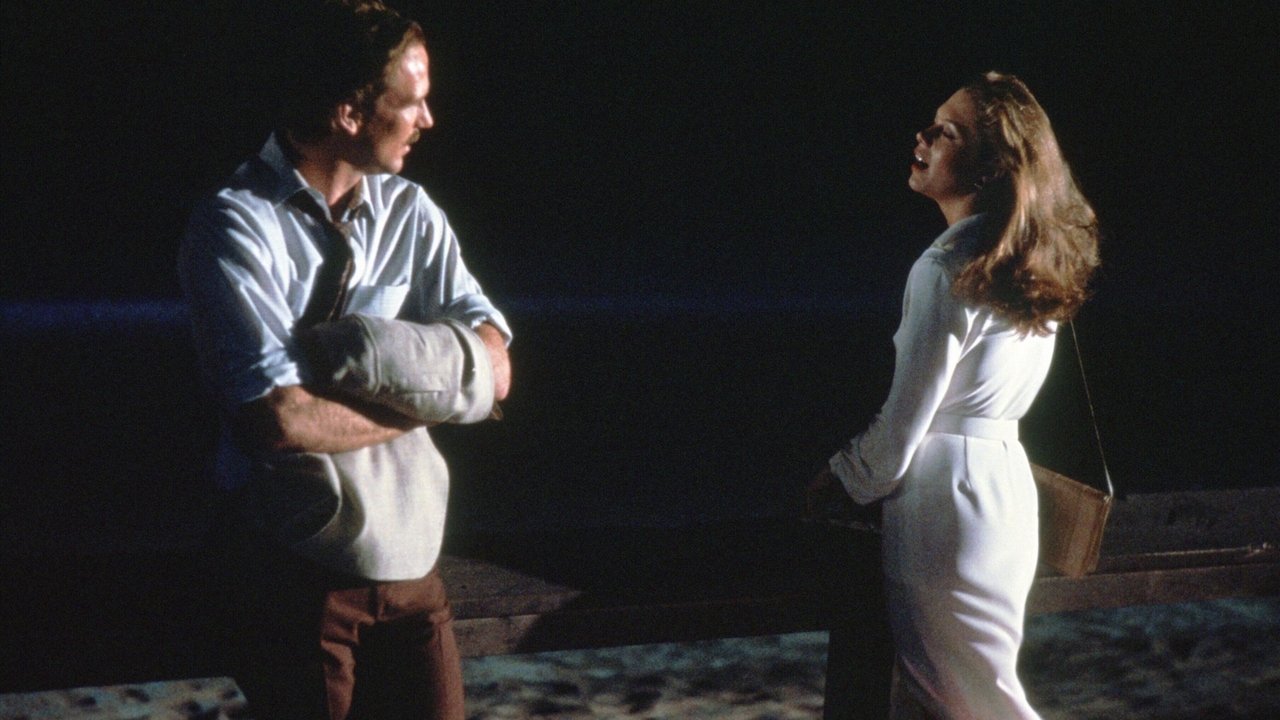
Kasdan’s direction is remarkably self-assured for a debut. He clearly studied the masters of noir – the shadows are deep, the compositions precise, and the pacing allows tension to coil and strike. He filmed on location in Lake Worth, Florida, during a real heatwave, and you can practically feel the actors perspiring through the screen. This wasn't just set dressing; the oppressive climate becomes intrinsically linked to the characters' feverish decisions. Reportedly, Kasdan drew heavily on classics like Double Indemnity (1944), but Body Heat never feels like mere imitation. It updates the noir sensibility for a more explicit era, pushing boundaries with its frank depiction of sexuality. The film’s R-rating was hard-won, with whispers of even steamier scenes left on the cutting room floor to appease the ratings board – a common battleground for adult-oriented films aiming for mainstream release back then. Adding immeasurably to the mood is the sultry, evocative score by the legendary John Barry, famous for his James Bond work, which perfectly captures the film's blend of romance and menace.
Behind the Heat
Made on a relatively modest budget of around $9 million (about $30 million today), Body Heat became a solid critical and commercial success, grossing $24 million (around $80 million today). More importantly, it reignited interest in the noir genre and instantly made Kathleen Turner a major star. Look closely and you'll spot Ted Danson, pre-Cheers, as Ned's helpful prosecutor friend, and a young, intense Mickey Rourke in a small but memorable role as an arsonist expert. These casting choices, actors on the cusp of wider fame, add another layer to the film's potent snapshot of early 80s cinema. The iconic wind chimes, a recurring sound motif, weren't just a random prop; Kasdan uses them deliberately to signal shifts in mood and plot, a subtle but effective touch.
Lingering Chill
Body Heat works so well because it understands the core tenets of noir: fatalism, the dangerous allure of the forbidden, and the idea that one wrong step can lead to an inescapable abyss. It’s a film that makes you question the motivations behind desire and the price of succumbing to temptation. Even now, watching it on a flickering screen (or, okay, maybe a modern display, but the memory is pure VHS!), the film retains its power to seduce and disturb. The ending, with its lingering ambiguities, stays with you long after the credits roll. What truly happened? Who really pulled the strings?
Rating: 9/10
This score reflects the film's near-perfect execution as a neo-noir masterpiece. Kasdan's confident direction, the smoldering chemistry between Hurt and Turner, Turner's iconic breakout performance, the palpable atmosphere, and the tightly constructed plot all contribute to its classic status. It’s a high point of early 80s adult thrillers, expertly crafted and deeply resonant.
Body Heat is more than just a steamy thriller; it's a chilling reminder of how easily desire can curdle into destruction, leaving you feeling the heat long after the screen goes dark. A definite jewel from the golden age of the video store.