## Rain-Streaked Windows and Risky Connections
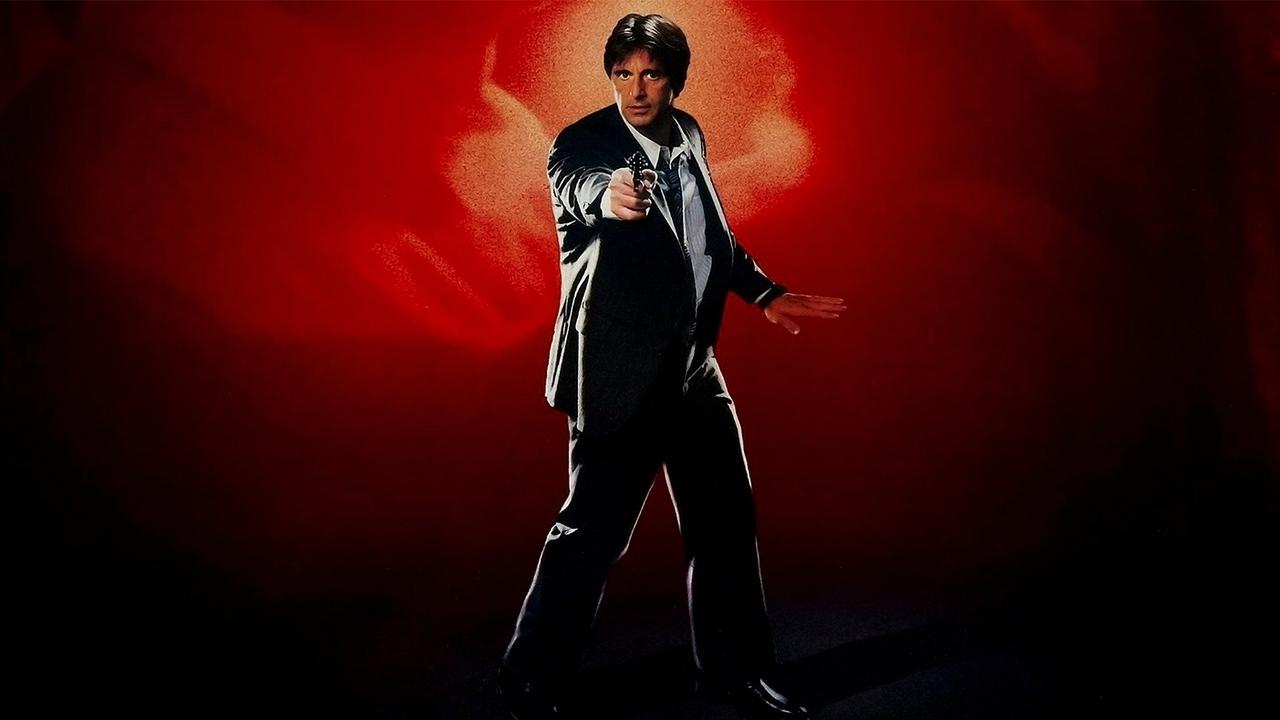
There’s a particular kind of late-night melancholy that permeates Harold Becker’s Sea of Love (1989), a feeling as tangible as the rain slicking the New York City streets outside Detective Frank Keller’s lonely apartment. It’s more than just a crime thriller; it’s a portrait of middle-aged weariness, of the desperate gamble we sometimes make for human connection, even when danger is staring us right in the face. Watching it again now, decades after first sliding that chunky VHS tape into the VCR, that potent atmosphere remains remarkably undimmed. It feels less like a product of the 80s and more like a timeless exploration of vulnerability set within it.
### A Star Returns to the Streets
This film marked a significant moment: the return of Al Pacino to the screen after a four-year hiatus following the critical and commercial failure of Revolution (1985). And what a return it was. Pacino’s Frank Keller isn't the explosive force of Michael Corleone or Tony Montana. He’s quieter, carrying the weight of twenty years on the force, a recent divorce, and an encroaching sense of isolation like a heavy trench coat. There’s a vulnerability here, a palpable loneliness beneath the surface of the wisecracking cop facade. When a serial killer starts murdering men found through the lonely hearts column, Frank concocts a risky plan: place his own ad and date the potential suspects. It’s a premise ripe for suspense, but it’s Pacino’s portrayal of a man teetering on the edge, starved for connection, that elevates it beyond a simple procedural. You feel his hope warring with his suspicion in every interaction. It’s fascinating to know that Pacino actually shadowed NYPD officers for weeks to prepare, absorbing the rhythms and exhaustion of the job, which absolutely translates into the lived-in authenticity of his performance.
### The City as Character
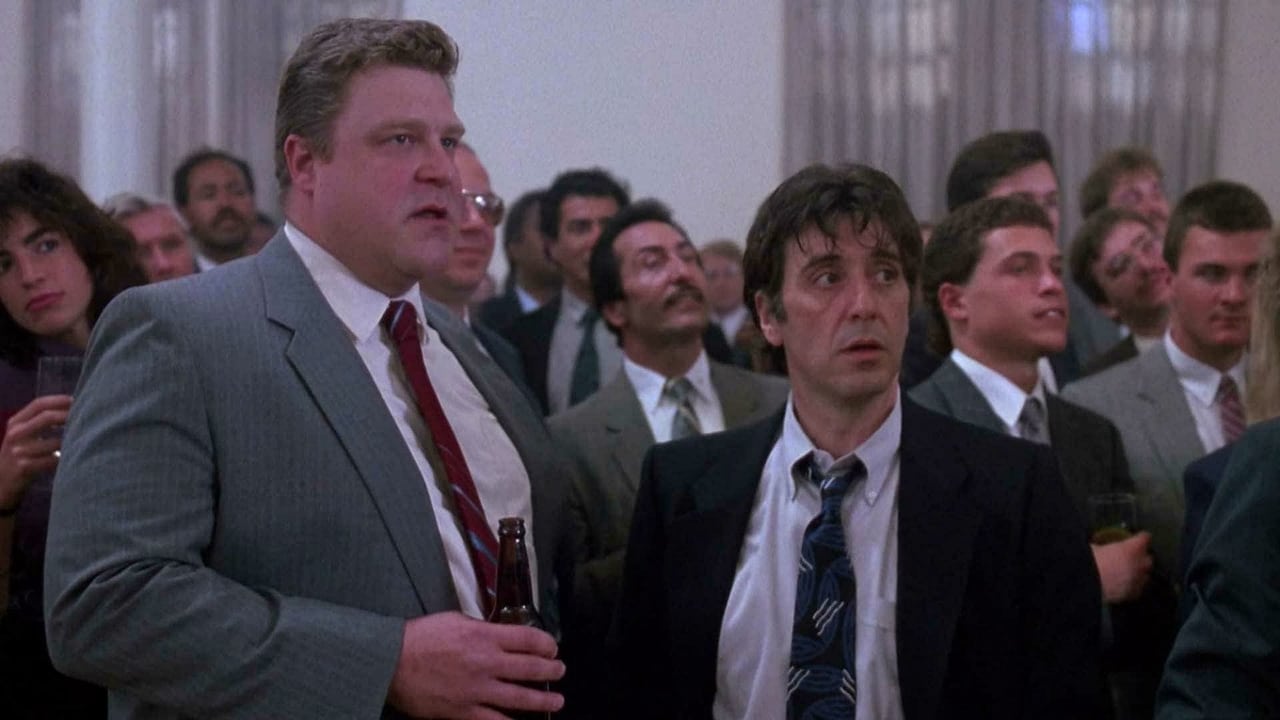
Director Harold Becker, who previously helmed the tense thriller The Onion Field (1979), masterfully uses New York City not just as a backdrop, but as an active participant in the story. The cinematography captures the grit, the shadows, the simultaneous energy and anonymity of the city. It feels lived-in, authentic, a far cry from the glossier depictions often seen. This realism is anchored by the sharp, crackling dialogue penned by novelist and screenwriter Richard Price (Clockers, The Wire). Price has an unparalleled ear for the cadence of city life and cop talk, lending the interactions a naturalism that grounds the potentially lurid plot. Remember those scenes in the restaurants and bars where Frank meets the women? Each encounter feels distinct, layered with awkwardness, hope, and underlying tension.
### Sparks Fly in Dangerous Territory
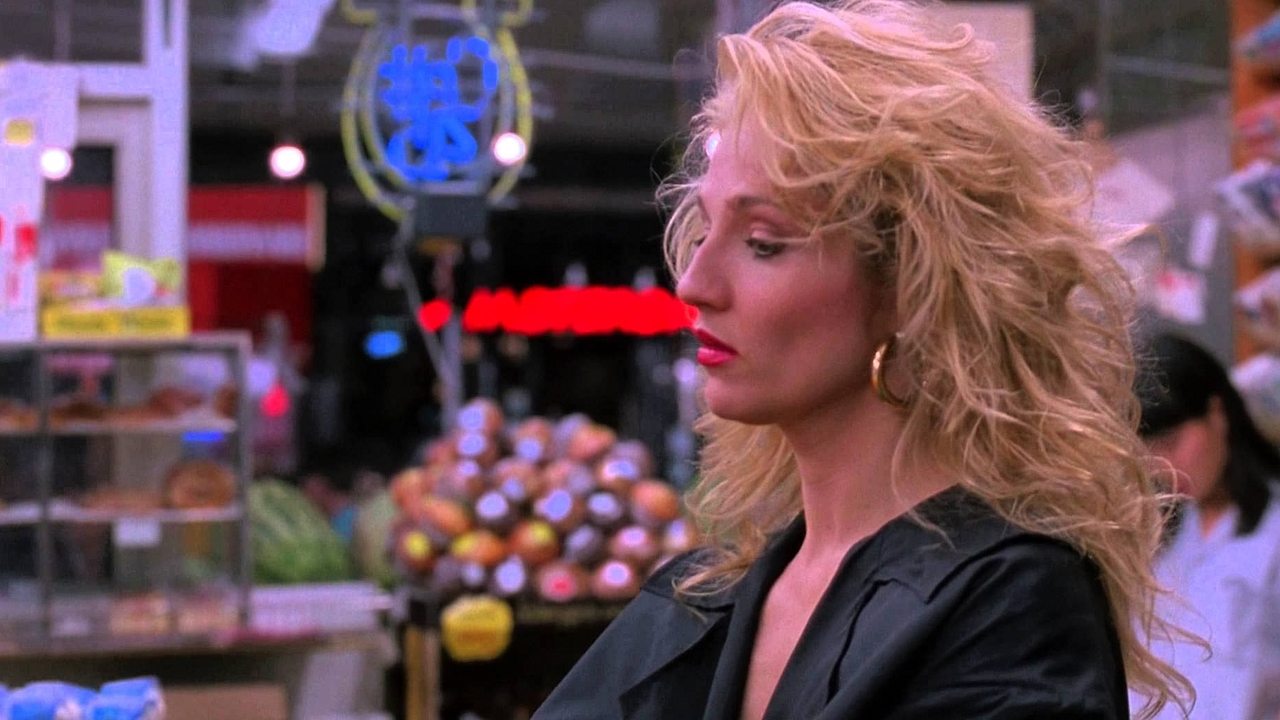
The film truly ignites when Frank meets Helen Cruger, played with electrifying intensity by Ellen Barkin. Fresh off films like The Big Easy (1986), Barkin brings a magnetic blend of toughness, intelligence, and raw sensuality to the role. Helen runs a high-end shoe store, is fiercely independent, and matches Frank’s guarded nature with her own. Their chemistry is immediate and undeniable, crackling with the kind of erotic tension that defined the best thrillers of the era. Is she the killer? The film keeps us guessing, and crucially, keeps Frank guessing too. Their relationship becomes the heart of the film – a dangerous dance between desire and distrust. It's hard to imagine anyone else in the role, though apparently, Michelle Pfeiffer was considered. Barkin’s specific fire, that slight edge of unpredictability, feels absolutely essential to Helen’s enigmatic nature. She makes you believe Frank would risk everything, professionally and personally, for a chance with her.
### Finding Lightness in the Shadows
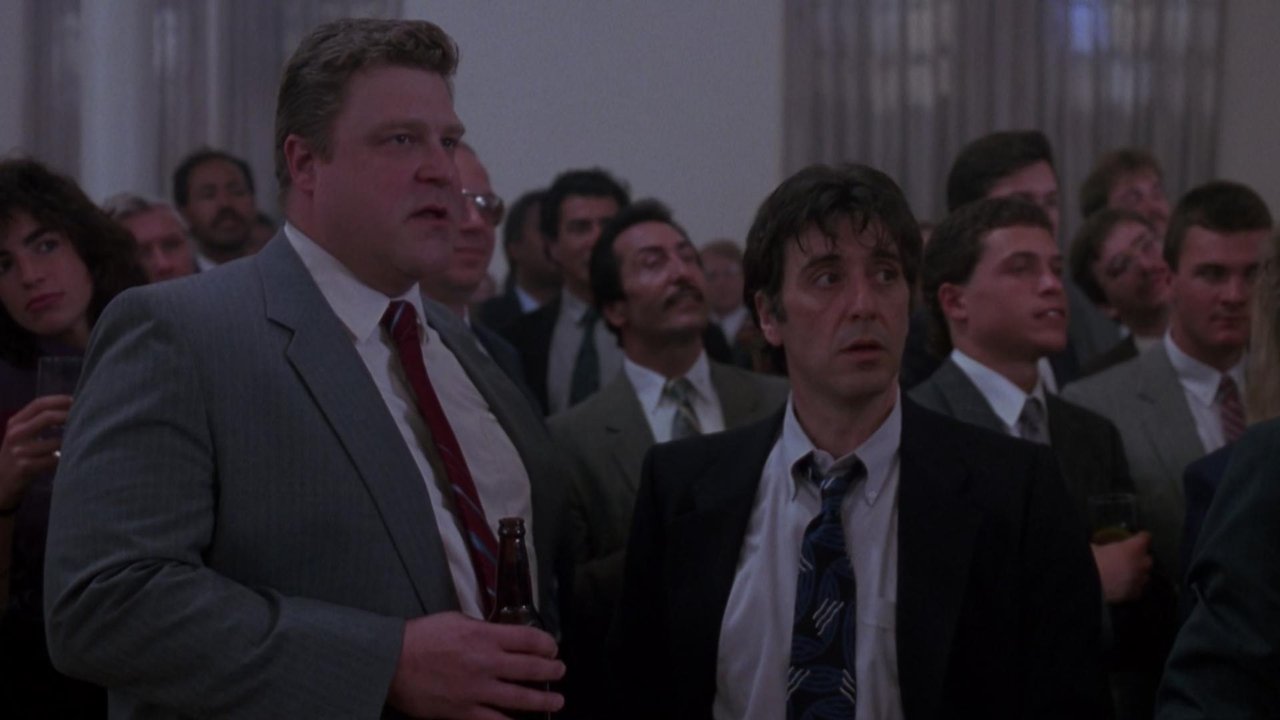
Amidst the tension and simmering danger, John Goodman provides welcome warmth and humor as Frank’s partner, Detective Sherman Touhey. It’s a role that showcases Goodman’s incredible versatility, moving seamlessly between genuine affection for Frank and providing solid backup during the investigation’s more perilous moments. Their banter feels real, the easy camaraderie of partners who’ve seen too much together. Goodman’s presence prevents the film from becoming relentlessly grim, offering moments of levity that feel earned and natural, further highlighting the human element at the core of this neo-noir story. Reportedly, Goodman and Pacino improvised some of their interactions, adding to that feeling of genuine connection.
### More Than Just a Thriller
What makes Sea of Love linger long after the credits roll? It’s not just the clever plot twists or the suspenseful set pieces (though the final confrontation is genuinely heart-pounding). It’s the exploration of loneliness in the modern world – a theme perhaps even more relevant today. The personal ads (the pre-internet equivalent of dating apps) represent a specific kind of vulnerability, a public declaration of need that the killer tragically exploits. The film taps into that primal fear of letting someone in, only to discover they pose a threat. It also handles its sensuality with a maturity often lacking in the genre; the intimacy feels driven by character and emotion, not just exploitation. It's worth noting the film originally received an X rating from the MPAA for its sexual content and violence, requiring trims to secure the R rating – a testament to the intensity Becker was aiming for. Despite a modest budget of around $19 million, it became a significant hit, grossing over $110 million worldwide, proving audiences were hungry for this kind of adult-oriented thriller.
### The Verdict on a VHS Gem
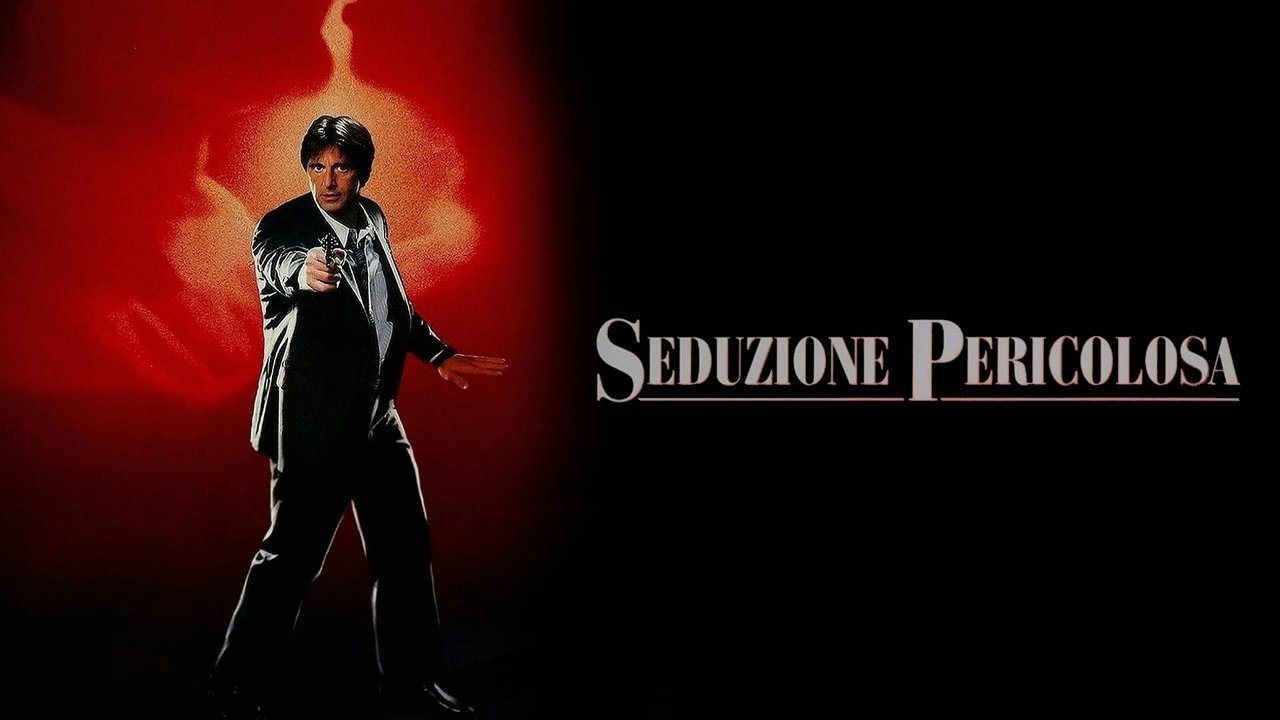
Sea of Love stands as a superior example of the late 80s erotic thriller, elevated by Richard Price's sharp writing, Harold Becker's atmospheric direction, and powerhouse performances. Al Pacino delivers one of his most nuanced and relatable portrayals, while Ellen Barkin is simply unforgettable, creating a character who is both alluring and potentially lethal. The palpable chemistry between them, coupled with the authentic NYC grit and a genuinely suspenseful plot, makes it a standout. It perfectly balances genre thrills with thoughtful character study, exploring themes of loneliness and trust that still resonate powerfully. Rewatching it feels like revisiting an old friend – one who still knows how to keep you on the edge of your seat while making you think.
Rating: 8.5/10
It’s a reminder that sometimes the greatest mysteries aren’t who committed the crime, but what drives the human heart towards connection, even across a sea of potential danger. A truly absorbing thriller that holds up remarkably well.