The opening notes drift in, familiar yet somehow wrong. Bobby Vinton crooning "Blue Velvet," a song promising sweet nostalgia, but here, twisted into a prelude to something deeply unsettling. It’s the perfectly manicured lawn, the impossibly blue sky, the cheerful wave of the fireman rolling by – Lumberton, USA, presented as a postcard idyll. And then, the camera dives, plunging beneath the pristine grass, revealing a writhing, subterranean nightmare of insects. It’s perhaps David Lynch's most succinct visual metaphor, and the perfect entry point into the unnerving world of Blue Velvet (1986), a film that felt less like watching a movie on VHS and more like uncovering a dark secret buried in your own backyard.

The Ear in the Grass
It all begins, as these things often do, with morbid curiosity. College student Jeffrey Beaumont (Kyle MacLachlan, in the first of his iconic Lynch collaborations) returns home to Lumberton to visit his ailing father. Strolling through a vacant lot – a space between the neat houses – he discovers a severed human ear. It’s a grotesque, impossible object dropped into the heart of Americana. This discovery isn't just a plot device; it's Jeffrey's (and our) keycard swipe into the town's shadowed underbelly. He can’t leave it alone, driven by a voyeuristic impulse that mirrors our own as viewers, pulling him deeper into a mystery involving nightclub singer Dorothy Vallens (Isabella Rossellini) and the terrifying force of nature that is Frank Booth (Dennis Hopper). Remember that feeling, seeing that ear nestled in the grass on your CRT screen? Didn't it feel like a direct violation of the expected order?
Welcome to the Nightmare
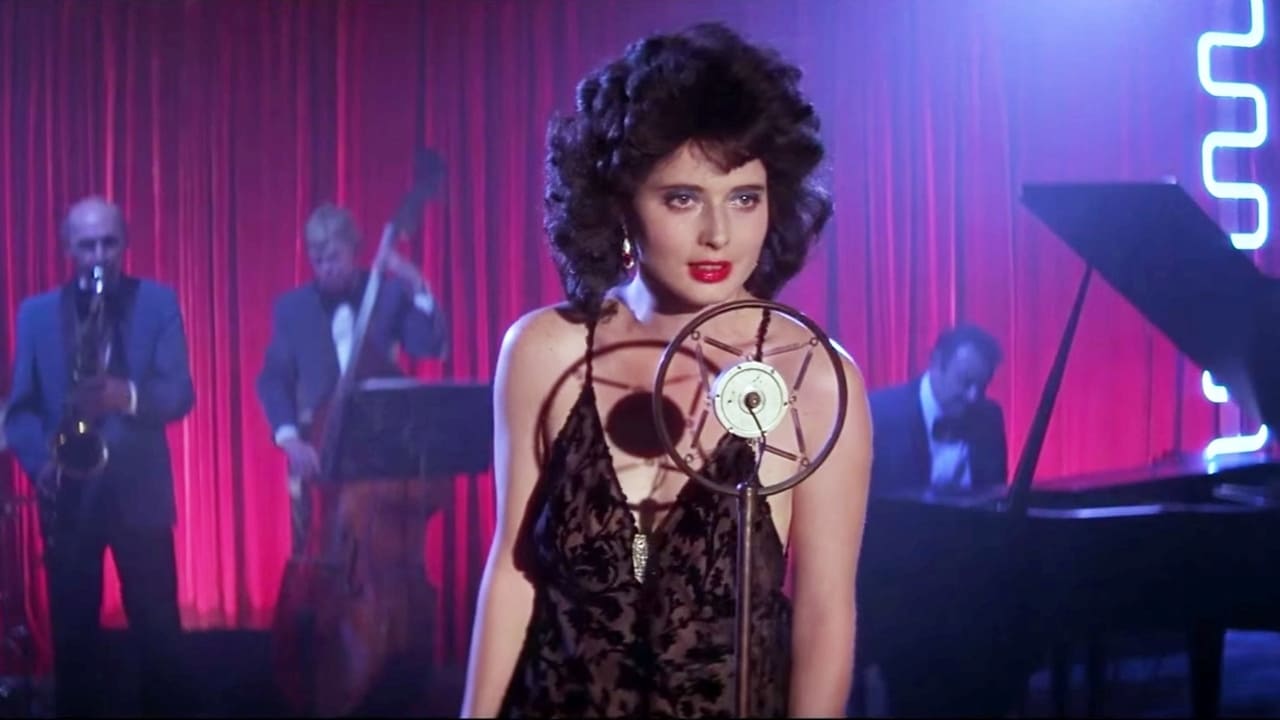
What Lynch crafts isn't a conventional thriller. It’s a descent. Jeffrey, guided partly by the wholesome detective's daughter Sandy (Laura Dern, radiating an almost painful earnestness), enters Dorothy's world, hiding in her closet, watching. The atmosphere is thick with dread, amplified by Angelo Badalamenti's legendary score – those ominous, drawn-out synth notes that seem to emanate from the very walls. Badalamenti famously described how Lynch gave him direction like "Make it like the wind, Angelo, it should be a dark wind." The production design is equally crucial: Dorothy’s apartment is a claustrophobic trap bathed in deep blues and reds, a visual representation of her psychological prison. This wasn't just set dressing; it felt like peering into a bruised psyche. The whole aesthetic feels both hyper-real and dreamlike, a signature Lynchian paradox that keeps you perpetually off-balance.
Heineken? Fck That Sht! Pabst Blue Ribbon!
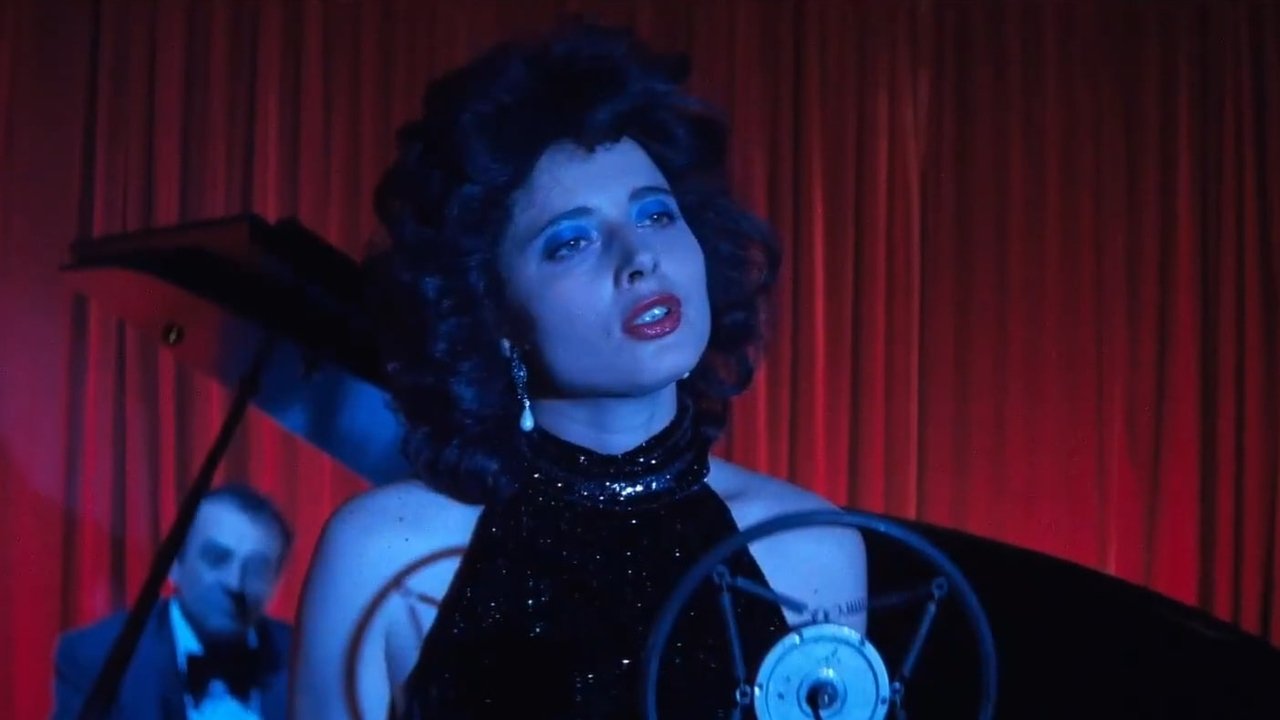
You cannot discuss Blue Velvet without confronting the hurricane that is Frank Booth. Dennis Hopper, returning to the screen after some turbulent years, didn't just play Frank; he embodied him. It’s a performance of raw, terrifying id. His infamous insistence to Lynch, "You have to let me play Frank! I am Frank!" feels chillingly plausible watching him on screen. Frank is a figure of pure, unpredictable menace, huffing amyl nitrite from a mask, vacillating between terrifying rage ("Don't you fucking look at me!") and a disturbing, Oedipal tenderness towards Dorothy, whom he calls "Mommy." His use of Roy Orbison's "In Dreams" is one of cinema's most haunting sequences, twisting a song of longing into an anthem of terror. Hopper’s volcanic energy reportedly kept the set on edge; his commitment was absolute, creating one of the screen’s truly unforgettable villains. Alongside him, Isabella Rossellini delivers a performance of staggering bravery and vulnerability. Her portrayal of Dorothy's trauma and tortured sensuality is heartbreaking and deeply uncomfortable, forcing the audience to confront the horrifying reality of her abuse. The sheer psychological weight these two actors brought still feels potent today.

Retro Fun Facts: Secrets of Lumberton
- Blue Velvet was a gamble for producer Dino De Laurentiis, whose DEG studio was struggling. Lynch had creative freedom but a modest $6 million budget. The film became a critical lightning rod and a cult hit, but hardly a mainstream smash.
- The severed ear that starts it all? Lynch claims he genuinely found one, or at least the idea struck him vividly, sparking the entire narrative.
- The film was shot in Wilmington, North Carolina, which stood in for the idyllic-yet-corrupt Lumberton. Lynch meticulously controlled the look, wanting specific shades of red and blue to dominate.
- The initial cut received an X rating from the MPAA. Lynch made minimal cuts to secure the R rating, losing only seconds of footage, preserving the film’s intensity while satisfying the ratings board – a common battle for challenging films of the era.
- The choice of "Blue Velvet" and "In Dreams" wasn't arbitrary; Lynch felt these classic songs held a hidden darkness beneath their saccharine surfaces, perfect for the film's themes.
The Stain That Won't Wash Out
Blue Velvet isn't just about a mystery; it's about the darkness inherent in observation, the thrill and guilt of looking when perhaps we shouldn't. Jeffrey isn't just an investigator; he becomes implicated, drawn into the very corruption he sought to expose. The film peels back the veneer of normalcy to suggest that the bizarre, the violent, the perverse isn't an intrusion, but an integral part of the landscape, always lurking just beneath the surface. It questions the very nature of good and evil, innocence and experience, leaving the viewer profoundly disturbed long after the credits roll and the VCR clicks off. Does the return to "normalcy" at the end feel earned, or just like another fragile facade waiting to crack?
VHS Heaven Rating: 9.5/10
This score reflects the film's undeniable power, masterful direction, unforgettable performances (especially Hopper and Rossellini), and its unique, enduring atmosphere. It’s a near-perfect execution of David Lynch's singular vision, burrowing under your skin with its blend of beauty and brutality. The slight deduction acknowledges that its challenging, often graphic nature makes it understandably divisive, but its artistic merit and influence are indisputable.
Blue Velvet remains a landmark of 80s cinema, a surreal masterpiece that continues to provoke and mesmerize. It’s a film that doesn't just show you darkness; it makes you feel it, lingering like the phantom scent of Pabst Blue Ribbon and dread in a dimly lit room. It wasn't just a tape you rented; it was an experience you survived.