There's a particular kind of dread that sinks in when you realize you're utterly alone and helpless in a foreign land, unable to communicate, unable to make anyone understand the urgency clawing at your insides. That's the chilling engine that drives Roman Polanski's 1988 thriller, Frantic, a film that strips away the action-hero veneer of its star, Harrison Ford, and throws him headfirst into a Parisian nightmare born from the most mundane of travel mishaps: picking up the wrong suitcase. It’s a premise Hitchcock would have relished, and indeed, the film feels like a spiritual cousin to the Master of Suspense's finest work.
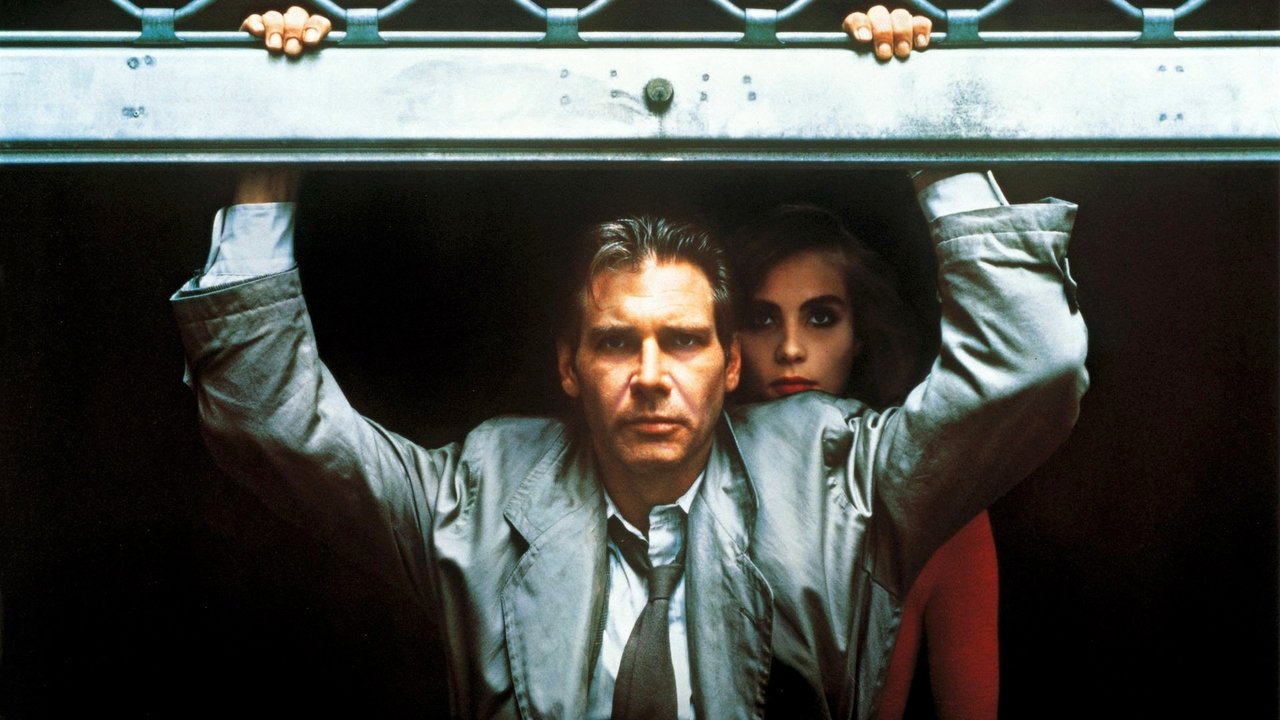
I remember renting Frantic back in the day, probably drawn by Ford's name, expecting maybe a European Indiana Jones adventure. What unfolded on the flickering CRT screen, however, was something far more grounded, more unsettling, and ultimately, more resonant. This wasn't about saving the world; it was about one man desperately trying to save his world, his wife, swallowed whole by a city that seems utterly indifferent to his plight.
An Ordinary Man in Extraordinary Peril
Harrison Ford delivers a performance here that remains one of his most compelling precisely because it’s so un-Ford-like, at least compared to his blockbuster roles of the era. As Dr. Richard Walker, a visiting American surgeon, he's not a whip-cracking adventurer or a cynical space smuggler. He’s respectable, perhaps a bit staid, clearly devoted to his wife Sondra (Betty Buckley, heartbreakingly effective in her brief screen time). When Sondra vanishes from their hotel room while he's showering, Ford masterfully portrays the creeping panic, the disbelief turning to raw fear, the frustration boiling over as he collides with bureaucratic apathy and language barriers.
You see the exhaustion in his eyes, the fraying of his nerves etched onto his face. He’s not quipping his way out of trouble; he’s stumbling, making mistakes, pushing too hard, fueled by pure adrenaline and terror. It’s a deeply human portrayal of desperation. There's a story that Polanski drew inspiration from a real-life incident where his own wife momentarily disappeared in a hotel, channeling that jolt of personal fear into the film's core anxiety. Whether apocryphal or not, that sense of authentic panic permeates Ford’s performance and the film itself.
Paris: Not Postcards, But Pavement
Polanski, returning to Paris where he had deep roots, films the city not as a romantic backdrop, but as a sprawling, indifferent character in itself. The famous landmarks are often glimpsed fleetingly or from uncomfortable angles. Instead, we get anonymous apartment blocks, rain-slicked streets under sodium lights, cramped bars, and the slightly menacing labyrinth of the Métro. It’s a Paris where Walker is perpetually lost, physically and emotionally. The cinematography emphasizes this alienation, often keeping Walker slightly off-center or dwarfed by his surroundings.
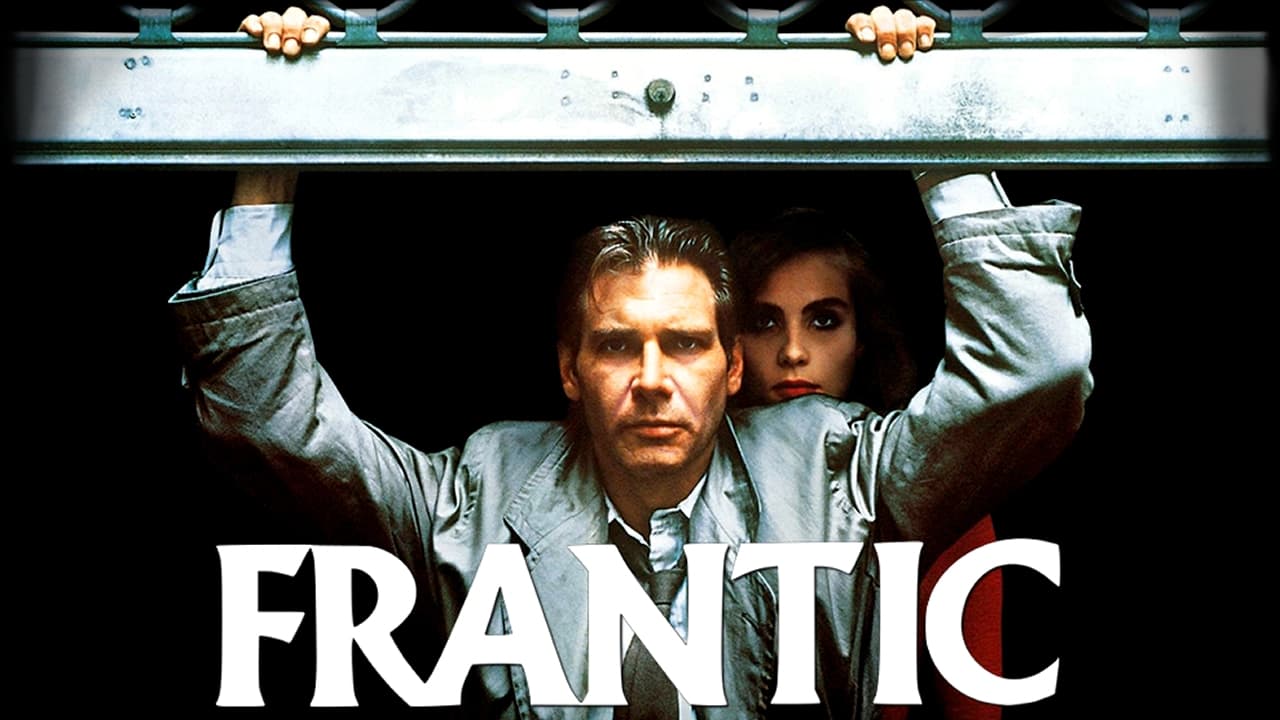
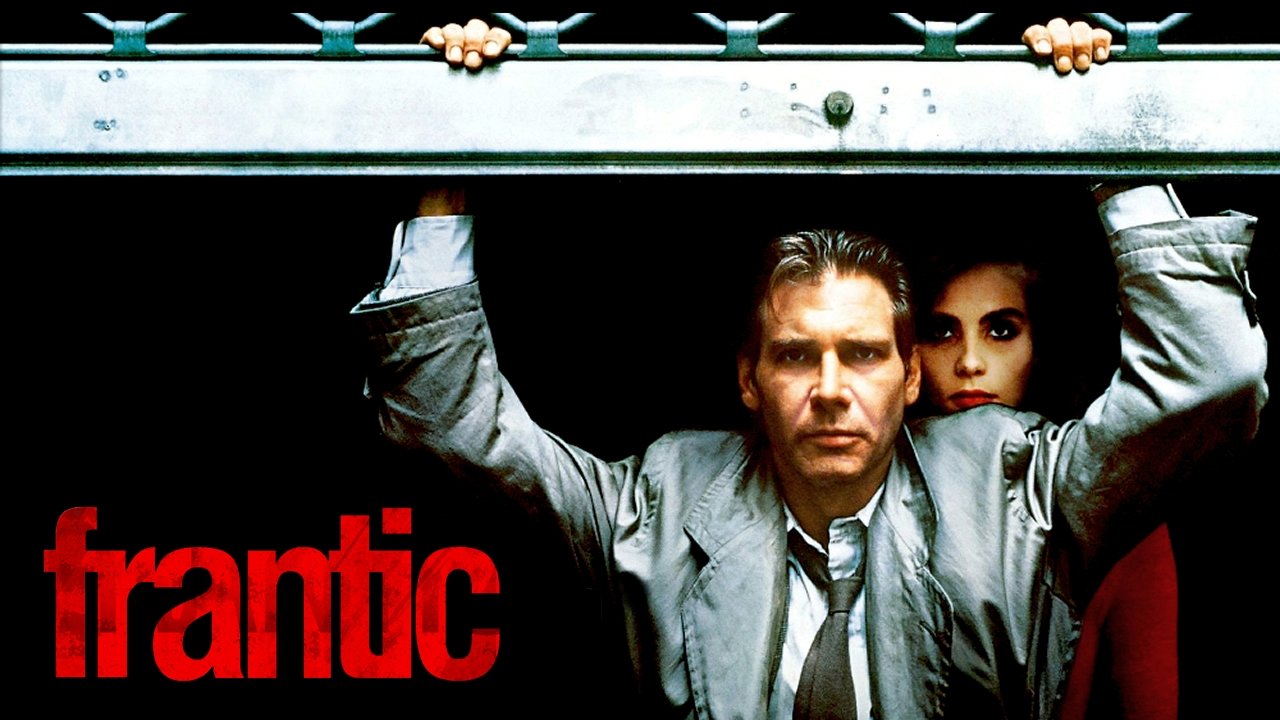
The atmosphere is thick with jet lag, confusion, and a rising sense of paranoia. Remember that feeling after a long flight, where reality seems slightly skewed? Frantic captures that disorientation perfectly and then twists the knife. The plot, involving switched luggage, international intrigue, and a McGuffin small enough to fit inside a plaster Statue of Liberty souvenir, feels almost secondary to the experience of Walker's frantic search. It’s the feeling of helplessness that Polanski nails.
A Jolt of Streetwise Energy
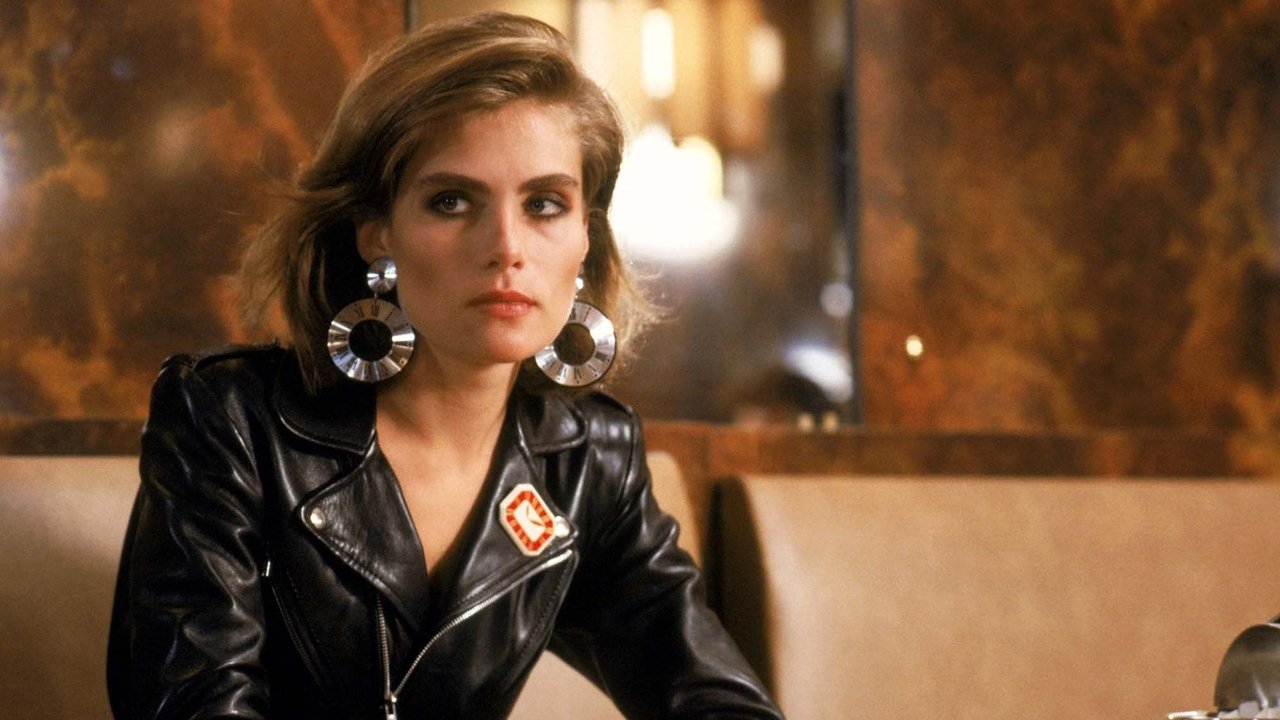
The film injects a different kind of energy with the arrival of Michelle (Emmanuelle Seigner, who would marry Polanski the following year). She’s the street-smart, leather-clad young woman inadvertently caught up in the mystery via that swapped suitcase. Seigner brings a captivating mix of toughness, vulnerability, and nonchalant cool that feels distinctly late-80s Parisian. Her dynamic with the increasingly unravelled Ford is fascinating – two utterly different people thrown together by dangerous circumstances, forging an uneasy alliance built on mutual need. She represents a Paris Walker could never access on his own, the gritty underworld hidden beneath the tourist facade.
It’s worth noting that the film’s signature sound, beyond its tense score (originally slated for Ennio Morricone, whose work was ultimately replaced), is arguably Grace Jones' rendition of Astor Piazzolla's "Libertango," released as "I've Seen That Face Before (Libertango)". Its pulsing, melancholic tango rhythm becomes almost a theme for Michelle and the alluring danger she represents, perfectly complementing the film's mood.
Retro Reflections and Minor Quibbles
Watching Frantic today, it holds up remarkably well as a tightly constructed thriller. Sure, the plot mechanics involving the contents of the suitcase might feel a little convoluted if you stare too hard, but the journey is the main attraction. The tension is built through character and situation, not just quick cuts and explosions – a hallmark of classic thriller filmmaking that feels refreshing. Ford reportedly did some of his own stunt work, like the perilous rooftop sequence, adding a layer of believable physical strain to his character's ordeal. While a modest performer at the box office upon release (grossing around $17.6 million against a $20 million budget), its reputation as a smart, adult thriller has deservedly grown over the years, making it a gem for rediscovery on dusty VHS tapes or modern formats.
If there's a slight wobble, it might be in the occasionally convenient turns the plot takes to keep Walker moving forward. But these are minor points in a film that succeeds so brilliantly in putting you squarely in its protagonist's worn-out shoes. What lingers isn't necessarily the specifics of the espionage plot, but the visceral feeling of Walker's desperation, his isolation, and the sheer tenacity born from love and fear. Doesn't that primal drive to protect someone resonate deeply, even removed from the spies and rooftop chases?
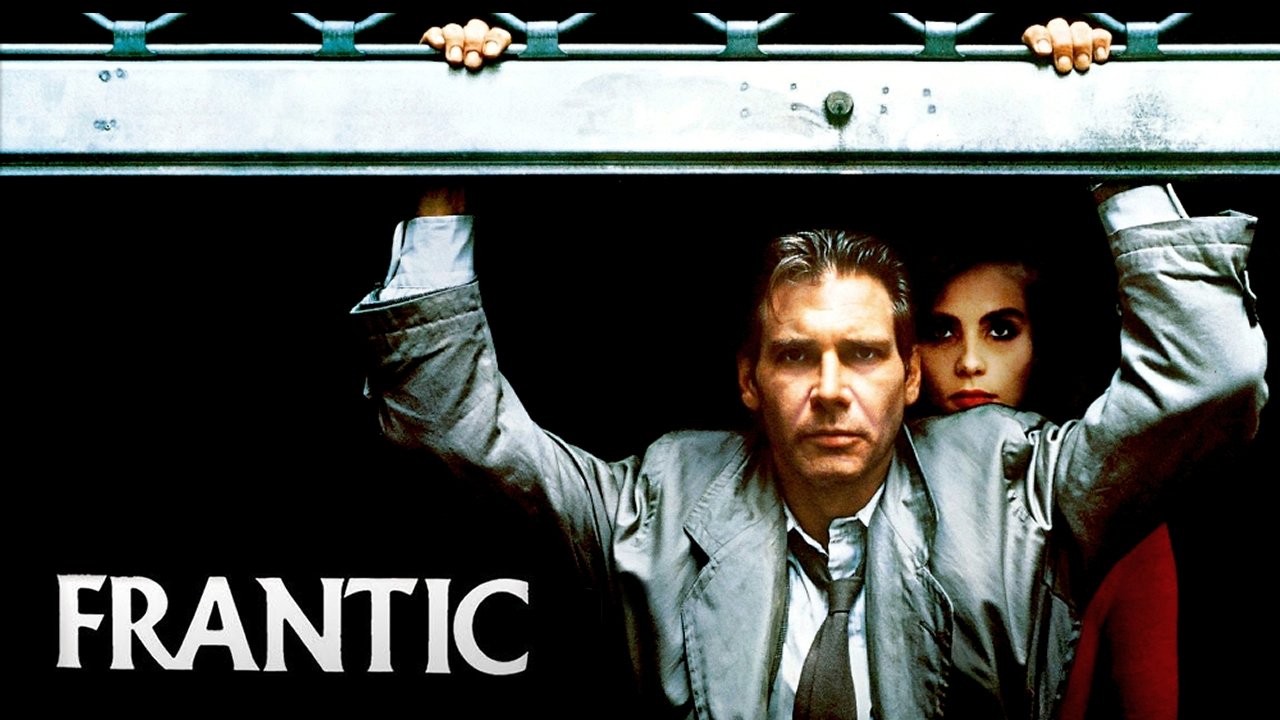
Rating: 8/10
Frantic earns this score for its masterful direction, Harrison Ford's against-type and deeply felt performance, its palpable atmosphere of suspense and alienation, and its effective use of Paris as an unnerving maze. It successfully channels Hitchcockian tension while feeling distinctively like a Polanski film. While the core plot might have a few convenient wrinkles, the execution of Walker's desperate journey is gripping from start to finish.
It’s a film that reminds you how terrifyingly thin the veneer of normalcy can be, especially when you're far from home. A standout thriller from the late 80s that deserves its place in any retro collection – a tense, intelligent ride that stays with you long after the VCR clicks off.