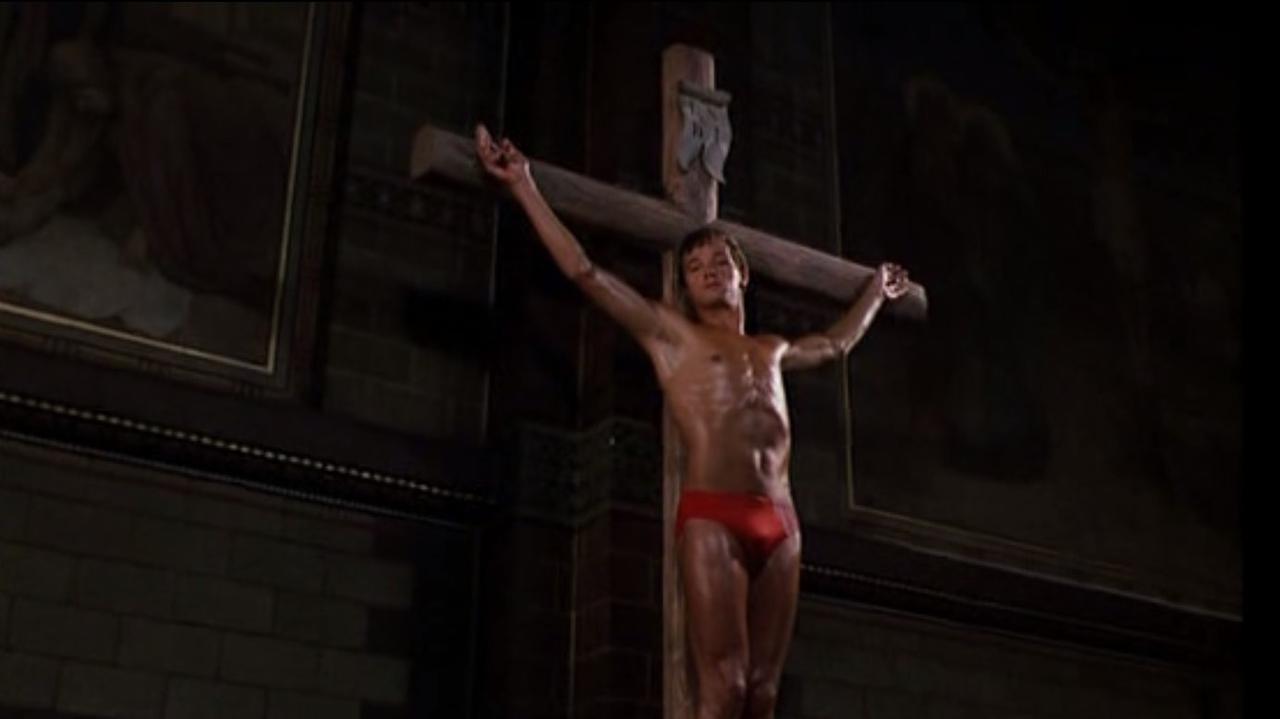
The spider scuttles across the stark white crucifix, an image both blasphemous and hypnotic. Then, an eye – the cool, appraising gaze of a woman – merges with the tormented face of Christ. This is the disorienting, sacrilegious beauty that heralds your descent into Paul Verhoeven's The 4th Man (1983, original title: De vierde man), a film that feels less watched and more experienced, like a fever breaking in a cold sweat. Forget jump scares; this is a slow, creeping dread woven from obsession, fate, and the terrifying allure of the forbidden. If you stumbled upon this on a grainy VHS tape back in the day, perhaps drawn by its provocative cover art promising something lurid and European, you likely weren't prepared for the psychological chill it delivered.
A Descent into Obsession
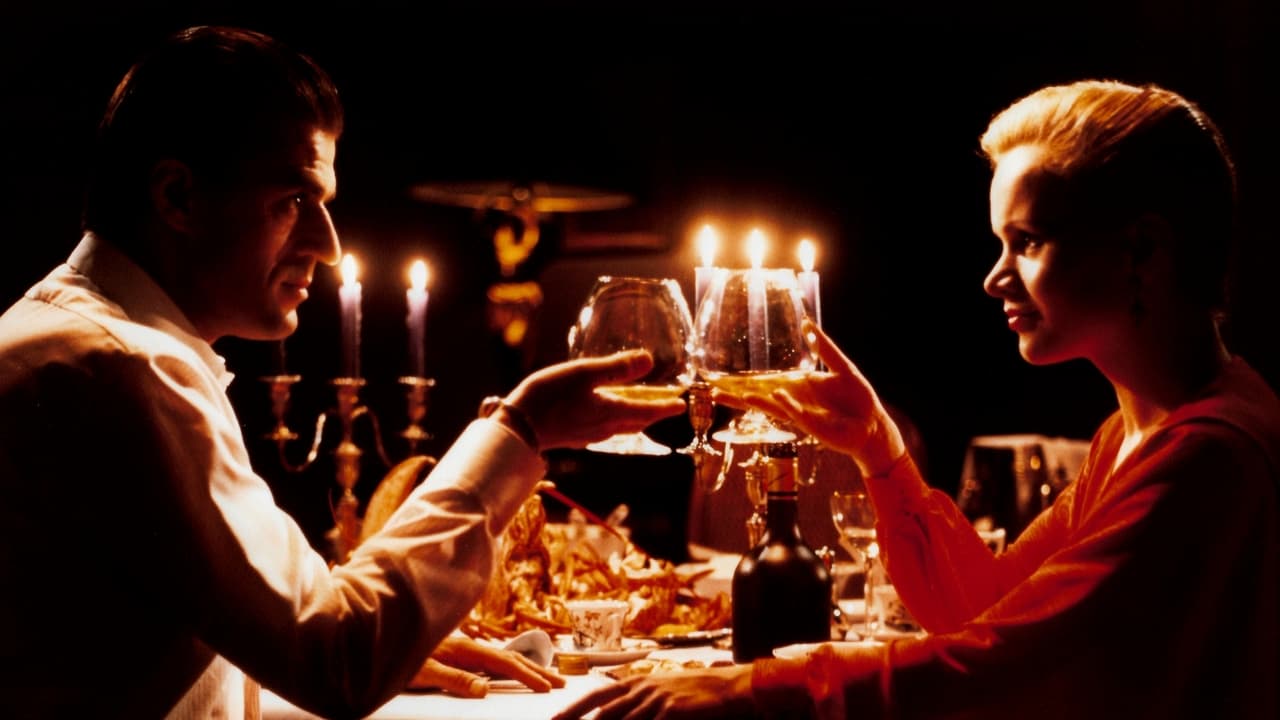
The story follows Gerard Reve (Jeroen Krabbé, perfectly cast), a bisexual, alcoholic writer haunted by morbid visions and religious guilt. He travels to Vlissingen to give a lecture and becomes utterly captivated by Christine Halsslag (Renée Soutendijk, in a star-making turn as the quintessential femme fatale). She runs a hairdressing salon, possesses an unnerving calm, and seems dangerously magnetic. Reve, driven by both lust and a preternatural sense of foreboding, begins to suspect Christine is far more than she appears. Her previous three partners all met untimely ends. Is she a black widow, weaving a deadly web? And is he destined to become the fourth man?
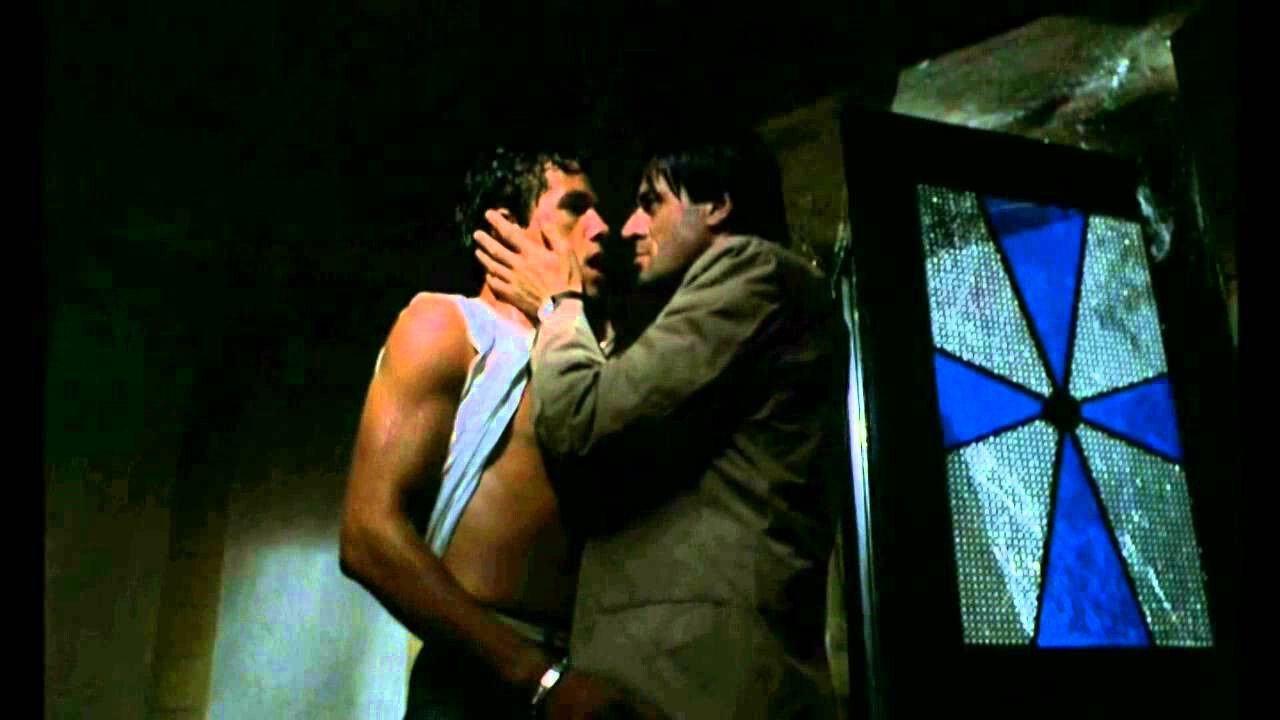
Verhoeven, working here with his long-time Dutch collaborator, screenwriter Gerard Soeteman, adapts the semi-autobiographical novel by the actual Gerard Reve. This layering adds a fascinating, almost meta-textual unease. Krabbé embodies the writer's anxieties and desires with a raw vulnerability, making his descent believable even as his visions become increasingly surreal and violent. We see the world through his unreliable, often intoxicated, perception – filled with potent Catholic symbolism twisted into omens of death and castration anxiety. It's a performance that feels dangerously close to the edge, mirroring the source material's controversial blend of faith and explicit sexuality that had already made the book a succès de scandale in the Netherlands.
Visceral Visions and Dutch Dread
What truly elevates The 4th Man beyond a simple erotic thriller is its unflinching atmosphere and Paul Verhoeven's audacious direction. This was his final film in the Netherlands before conquering Hollywood with blockbusters like RoboCop (1987) and Total Recall (1990), and you can see the seeds of his confrontational style already in full bloom. The film is drenched in symbolic colour, particularly a blood-like red that stains Christine's world. Verhoeven isn't subtle, juxtaposing graphic gore – remember that eye-gouging vision? – with explicit sexuality and intense religious iconography. It's designed to provoke, to get under your skin.
The practical effects, while perhaps showing their age slightly, retain a visceral power precisely because they feel tangible. The infamous sequence involving Christine, a camera lens, and a spider still evokes a primal shudder. It’s a testament to the tactile nature of effects back then; they felt disturbingly real in a way CGI often struggles to replicate. Reportedly, Soutendijk was genuinely unnerved performing some of these scenes, adding another layer to her enigmatic portrayal. The dream sequences, shot with a disorienting fluidity by cinematographer Jan de Bont (who would later direct Speed (1994)), blur the line between Reve's paranoia and potential reality. Is he psychic, or simply losing his mind? The film deliberately leaves you guessing.

The Spider Woman's Web
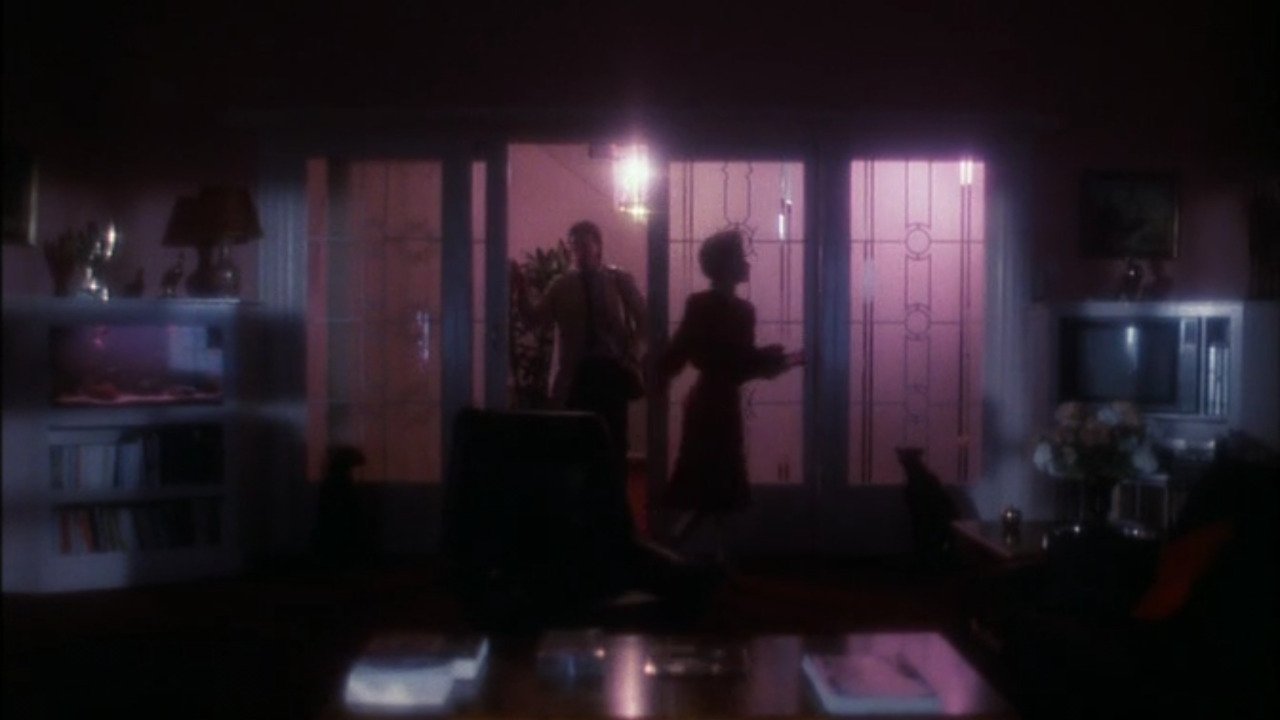
Renée Soutendijk is the icy heart of the film. Her Christine is a masterpiece of ambiguity. Is she a calculating killer, a victim of circumstance, or something else entirely – perhaps fate personified? Soutendijk plays her with a chilling placidity, her blonde hair and serene smile masking something potentially monstrous. She’s seductive yet remote, the spider patiently waiting at the centre of her web. Her interactions with Reve, and later with her rugged, straightforward lover Herman (Thom Hoffman), crackle with unspoken tension. You lean in, desperate to decipher her true nature, but Verhoeven skillfully keeps her motives shrouded. The film very much serves as a blueprint for the kind of dangerous, enigmatic women Verhoeven would later explore in Hollywood, most notably Catherine Tramell in Basic Instinct (1992).
Interestingly, despite its graphic content and challenging themes, The 4th Man was a significant success in its home country. Its selection as the Dutch entry for Best Foreign Language Film at the Academy Awards (though it wasn't nominated) and its positive reception at festivals like Cannes helped pave the way for Verhoeven’s international career. It demonstrated his unique ability to blend art-house sensibilities with shocking, commercially viable genre elements.
A Haunting Legacy
The 4th Man isn't a comfortable watch. It's designed to disturb, to question perception, faith, and desire. It burrows into your subconscious with its potent imagery and refuses to offer easy answers. Some might find its blend of high art pretensions and lurid exploitation jarring, its symbolism heavy-handed. But for fans of challenging, atmospheric cinema from the era, it remains a potent and unforgettable experience. Finding this gem tucked away on a video store shelf felt like uncovering a dark secret, a transmission from a more daring, less sanitized corner of the cinematic world. Doesn't that unsettling blend of the sacred and profane still feel unique today?
Rating: 9/10
This score reflects the film's audacious vision, its masterful control of atmosphere, the powerhouse performances from Krabbé and Soutendijk, and its sheer, unforgettable strangeness. It's a nearly perfect execution of a challenging concept, blending psychological horror, erotic thriller, and dark religious satire into something wholly unique. While its explicit nature and ambiguity might not be for everyone, its artistry and impact are undeniable.
The 4th Man lingers long after the credits roll, a chilling reminder of Verhoeven's early, untamed genius and a film that proves dread doesn't need monsters when the human psyche – and perhaps fate itself – is terrifying enough. It’s a quintessential piece of 80s cult cinema that still feels dangerous.