There's a certain rhythm to the way people talk when they're cornered, when the masks slip, when the carefully constructed rules they live by suddenly buckle. Few playwrights or filmmakers have ever captured that desperate cadence quite like David Mamet. And in his 1991 neo-noir Homicide, that rhythm becomes a slow, unsettling drumbeat marking one man's descent into a crisis of identity he never saw coming. This isn't your standard early 90s cop thriller; it's something far more tangled, prickly, and ultimately, haunting. Watching it again recently, tucked away on a shelf like a forgotten confession, felt less like nostalgia and more like uncovering a raw nerve.
The Badge and the Blood
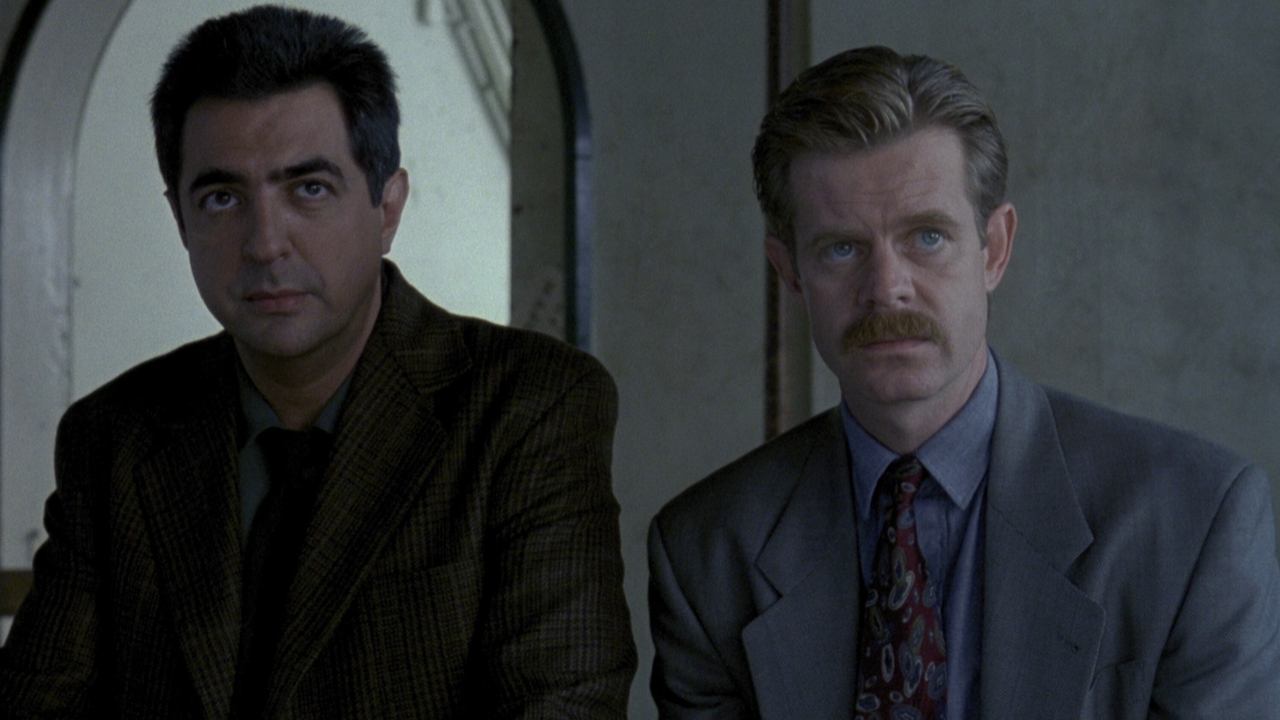
At the heart of the film is Detective Bobby Gold, played with a career-best intensity by Joe Mantegna. Mantegna, already a seasoned interpreter of Mamet's distinct dialogue from films like House of Games (1987) and Things Change (1988), embodies Gold as a man who defines himself solely by his job. He's a skilled hostage negotiator, respected (or at least acknowledged) by his peers, including his partner Tim Sullivan (William H. Macy, in an early, memorable role). He's assimilated, perhaps deliberately suppressing his Jewish heritage to fit into the tough, often casually prejudiced world of the police force. He is the badge.
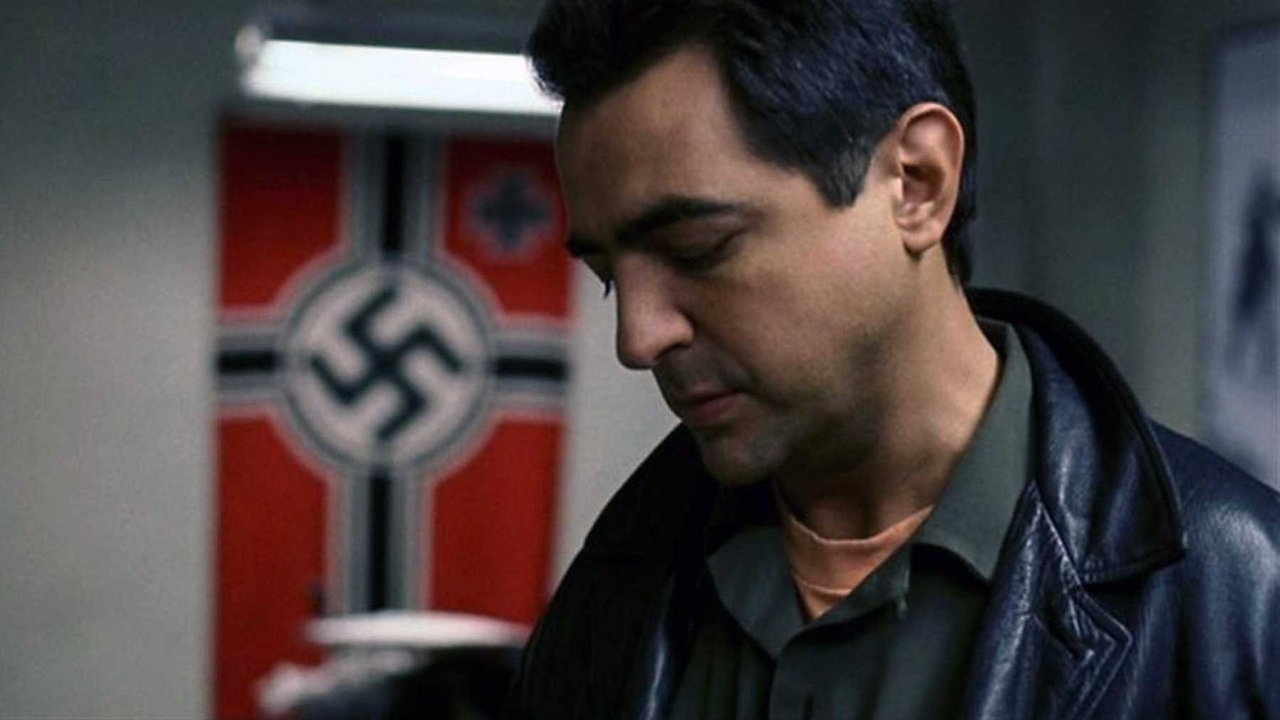
But a seemingly minor call pulls him away from a high-profile case involving an elusive drug dealer. He's sent to investigate the murder of an elderly Jewish shopkeeper in a predominantly Black neighborhood. Initially dismissive, Gold finds himself drawn into the victim's family's world, encountering whispers of anti-Semitism and discovering evidence suggesting something more complex than a simple robbery gone wrong – potentially a conspiracy tied to a clandestine Jewish self-defense group. Suddenly, the identity Gold thought was solid begins to fracture. Is he a cop first, or is there another loyalty, another tribe, demanding his allegiance?
Mamet's Maze
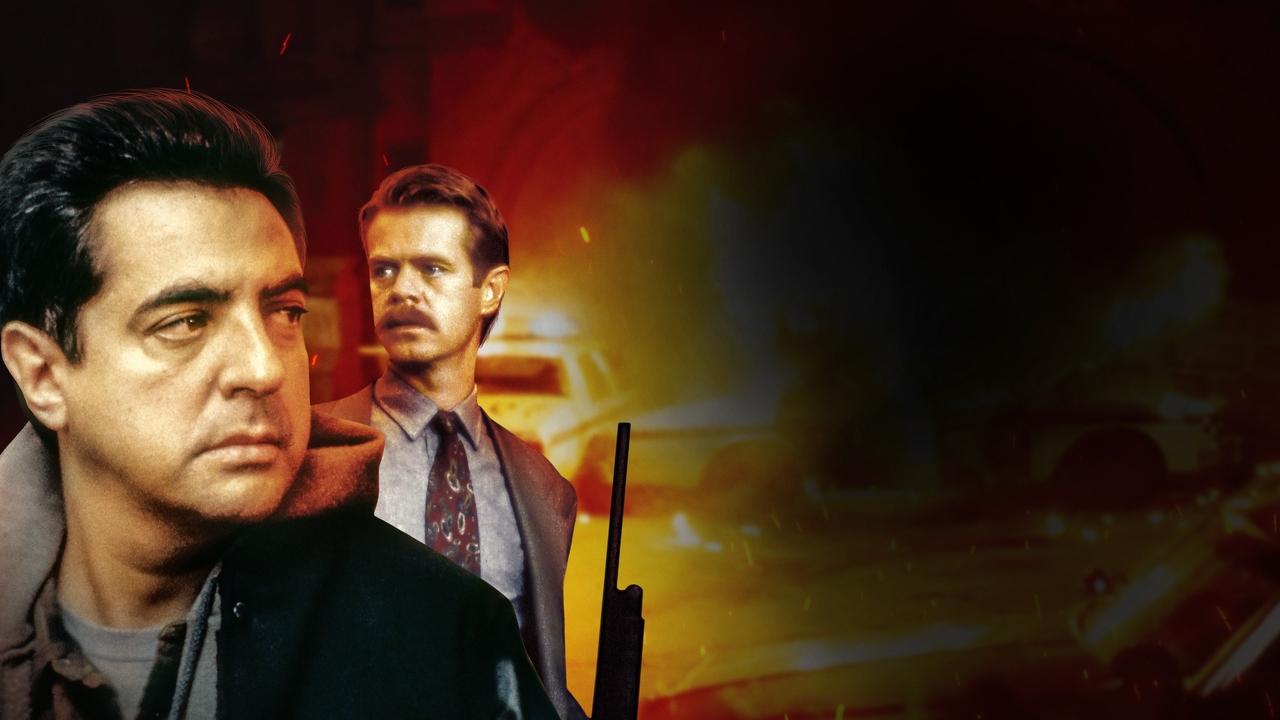
David Mamet, directing his own screenplay (as he often does), crafts a film steeped in moral ambiguity. Homicide isn't interested in easy answers or clear heroes and villains. Instead, it plunges Gold – and the viewer – into a labyrinth of conflicting loyalties, coded language, and pervasive paranoia. The dialogue, that signature "Mamet-speak," isn't just stylized; it's functional. Characters talk around things, using jargon and deflection as armor, revealing more in their pauses and evasions than in their direct statements. It captures the transactional nature of street life and police work, where information is currency and trust is a fragile commodity.
The film’s atmosphere is thick with a kind of urban decay particular to the era – filmed on location in Baltimore, the city becomes a character itself, all rain-slicked streets, dimly lit interiors, and shadowy alleyways. It feels gritty, lived-in, and perpetually nocturnal. Mamet avoids flashy directorial tricks, opting for a grounded, almost observational style that lets the tension build through performance and dialogue. The score by Alaric Jans complements this perfectly, often sparse but effectively underlining the growing sense of unease and isolation Gold experiences.
Echoes in the Alley
What makes Homicide resonate, especially revisiting it decades later, is its exploration of tribalism and the pressure to belong. Gold finds himself caught between two worlds, each demanding loyalty, each suspicious of outsiders. His police colleagues view his sudden interest in the Jewish case with suspicion, while the Jewish activists he encounters question his commitment, seeing him first and foremost as part of the potentially indifferent, even hostile, system. Doesn't this dilemma echo in countless modern contexts, where group identity often forces individuals into impossible choices?
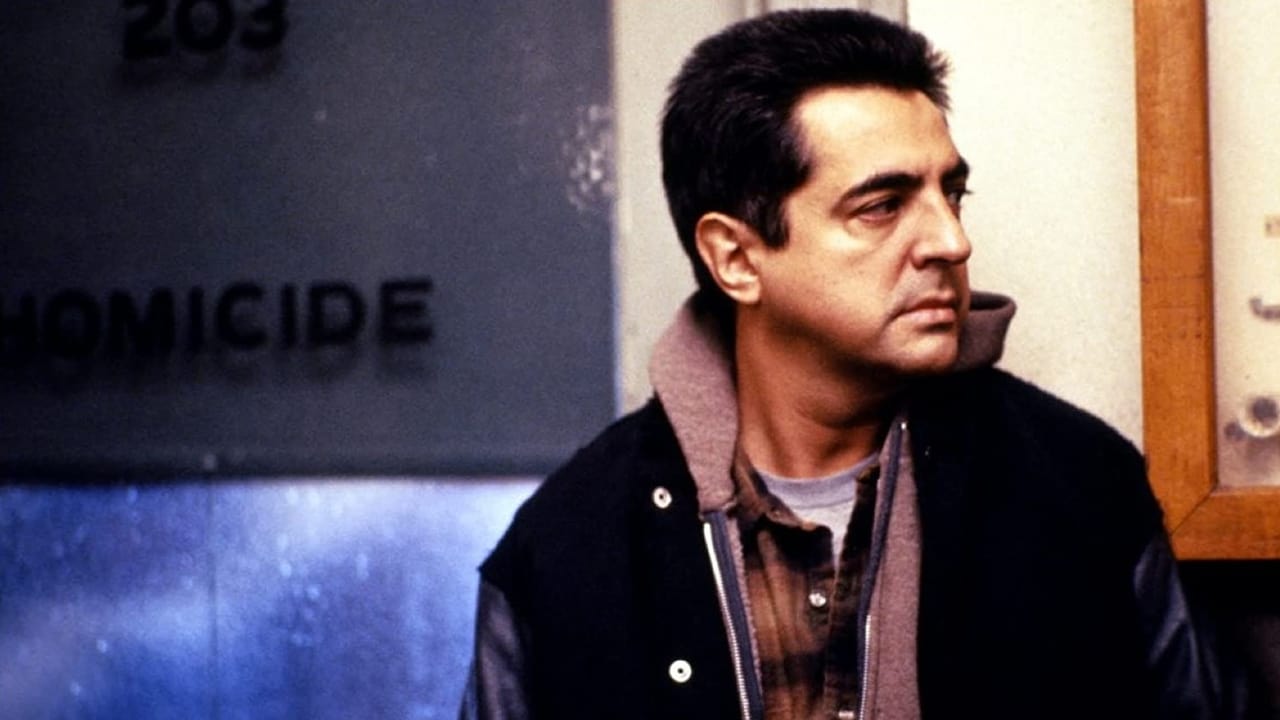
Joe Mantegna's performance is the anchor. He masterfully conveys Gold's internal struggle – the simmering anger, the confusion, the dawning, uncomfortable awareness of his own heritage and the prejudice surrounding it. It’s a performance built on subtle shifts in expression and posture, conveying deep turmoil beneath a hardened exterior. You see the weight of his choices pressing down on him scene by scene. It’s a testament to the power of their collaboration that Mamet reportedly wrote the part specifically for Mantegna. The film itself premiered at the prestigious 1991 Cannes Film Festival, signaling its artistic ambition beyond typical genre fare, even if it didn't become a massive box office hit ($2.6 million gross on a reported $4.5 million budget).
Retro Fun Facts: Weaving the Details In
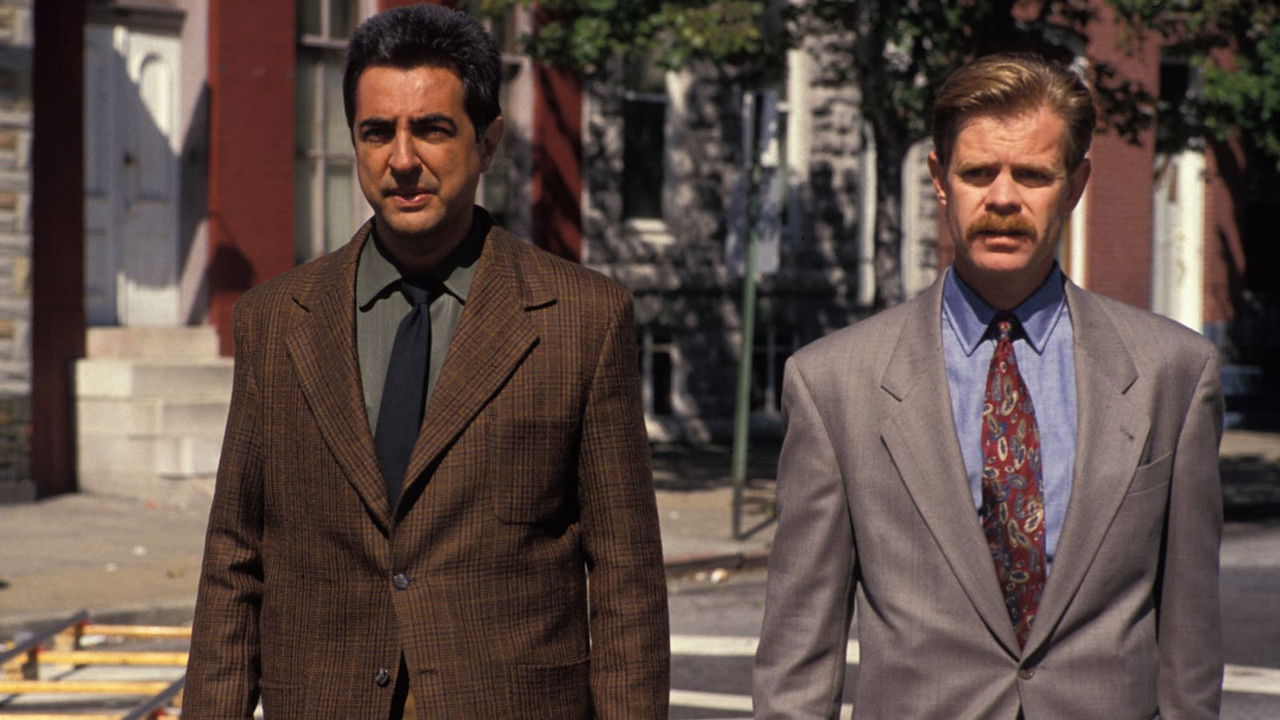
It’s fascinating how Mamet uses the structure of a police procedural – the investigation, the clues, the stakeouts – as a framework for a deeply personal psychological drama. There are no easy shootouts or car chases here; the action is internal, the conflicts verbal and ethical. Even the pursuit of the initial drug dealer plotline becomes secondary, almost a mirror reflecting Gold's internal priorities shifting. William H. Macy, another Mamet regular (think Fargo, though that came later in '96), provides the perfect foil as the quintessential Irish cop partner, highlighting the cultural lines Gold is forced to navigate. Reportedly, Mamet's insistence on linguistic precision extended to every background utterance, contributing to the film's dense, authentic soundscape.
Final Reflection
Homicide isn't necessarily an "easy" watch. It’s dense, talky, and refuses to offer catharsis in the conventional sense. It leaves you with uncomfortable questions about identity, loyalty, and the compromises we make to fit in – or to stand apart. It feels like a film Mamet needed to make, pouring his complex feelings about heritage and belonging into the pressure cooker of a crime narrative. It might not have been the tape you rented every Friday night, but finding it tucked away on the shelf often yielded something far more substantial.
Rating: 8.5/10
This score reflects the film's challenging depth, Joe Mantegna's powerhouse performance, David Mamet's unique authorial voice, and its unflinching exploration of difficult themes. It’s a demanding piece of early 90s cinema that rewards close attention, even if its deliberate pacing and ambiguous nature might not suit all tastes. It earns its place as a significant, if sometimes overlooked, work from a major American writer-director grappling with profound questions.
What stays with you long after the VCR whirs to a stop isn't the plot resolution, but the haunting image of Bobby Gold, caught in the crossfire of his own identity, forever changed by the case he never wanted.