There's a certain frantic energy, isn't there? A palpable hum that vibrates just beneath the surface of Ron Howard's 1994 dive into the ink-stained world of tabloid journalism, The Paper. It’s not just the relentless pace or the overlapping dialogue; it’s the feeling of a dozen clocks ticking down simultaneously, each second bringing the looming deadline—and potentially, disaster or triumph—that much closer. Watching it again recently, transported straight back to that pre-internet era of physical paste-ups and the tangible weight of newsprint, I was struck by how effectively Howard, working from a crackling script by brothers David Koepp (Jurassic Park, 1993) and Stephen Koepp (a seasoned journalist himself), captures the beautiful, terrifying chaos of a newsroom on the brink.
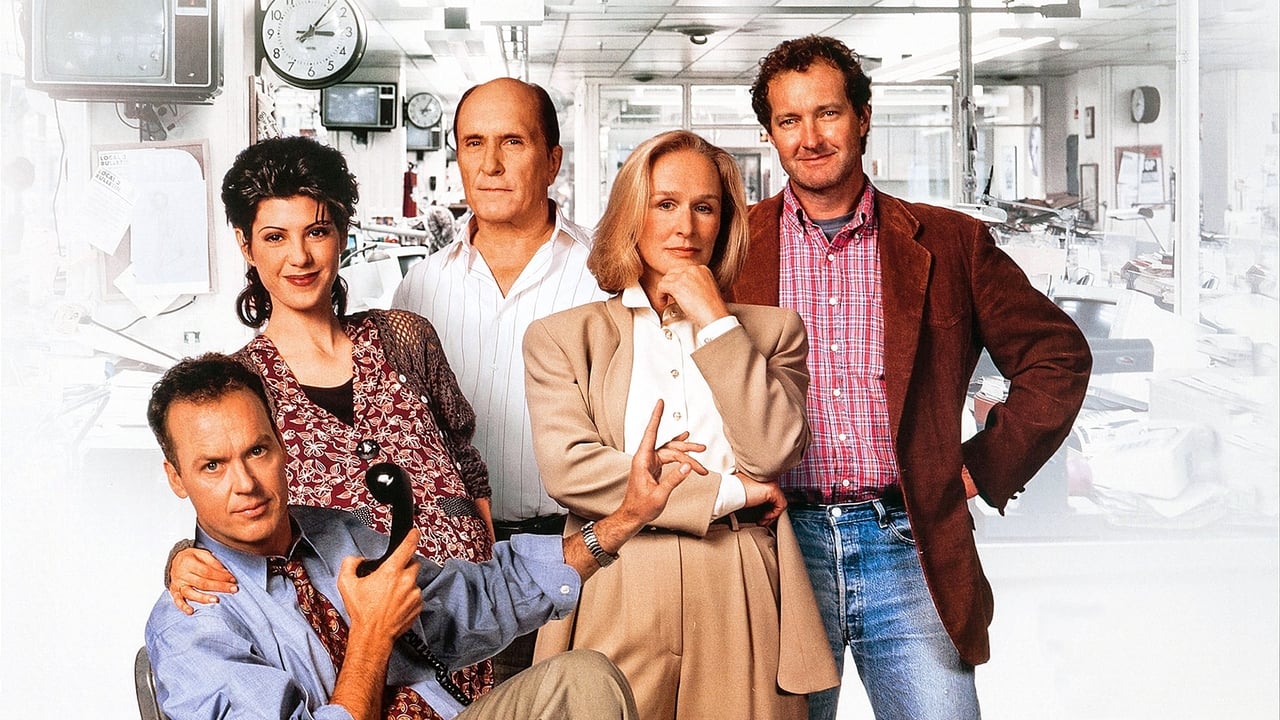
Twenty-Four Hours of Controlled Panic
The premise is deceptively simple: follow Metro Editor Henry Hackett (Michael Keaton) through a single, pressure-cooker day at the fictional New York Sun, a scrappy tabloid fighting for scoops and survival. Henry’s juggling a tempting job offer from the city’s more prestigious broadsheet, a heavily pregnant wife (a wonderfully grounded Marisa Tomei as Martha) understandably weary of his all-consuming career, and, most urgently, a potentially explosive story. Two young minority men have been arrested for a murder they likely didn’t commit, and the Sun has photos placing them near the scene. The easy headline screams guilt, but Henry smells a rat—and a potential cover-up. What follows is a race against time, competing egos, and the ever-present temptation to sacrifice truth for a killer front page.
Keaton Unleashed
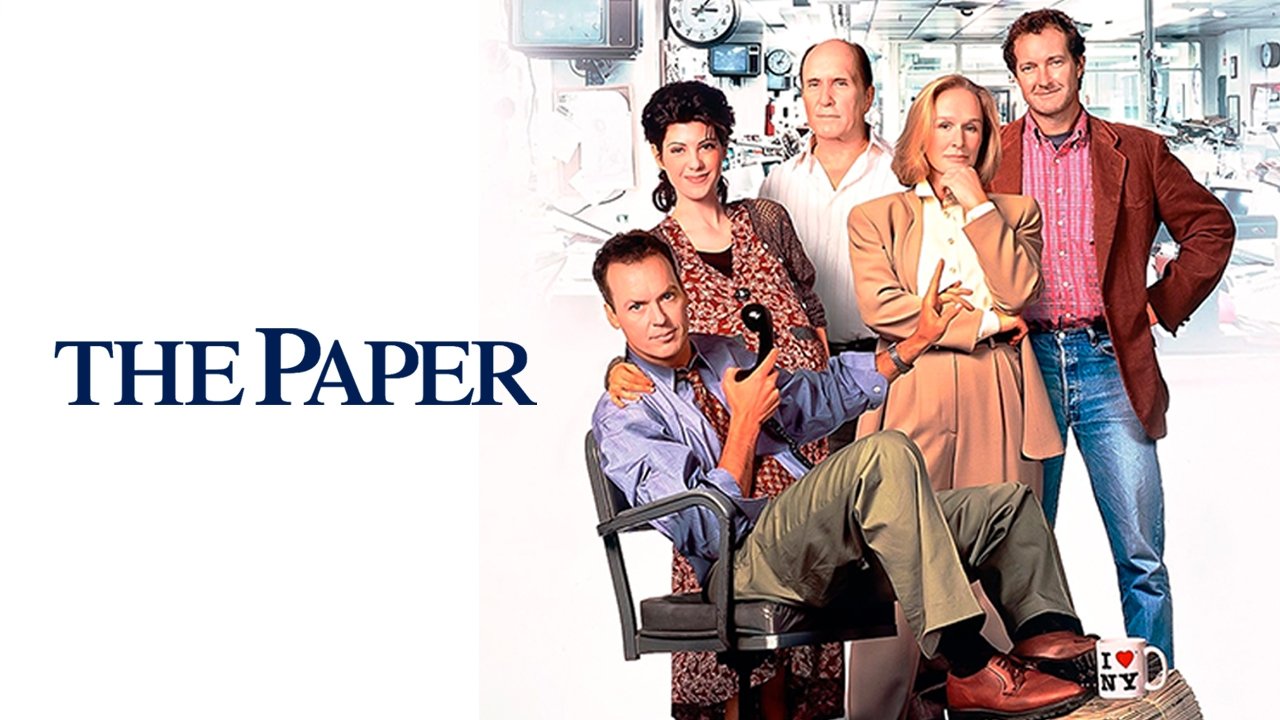
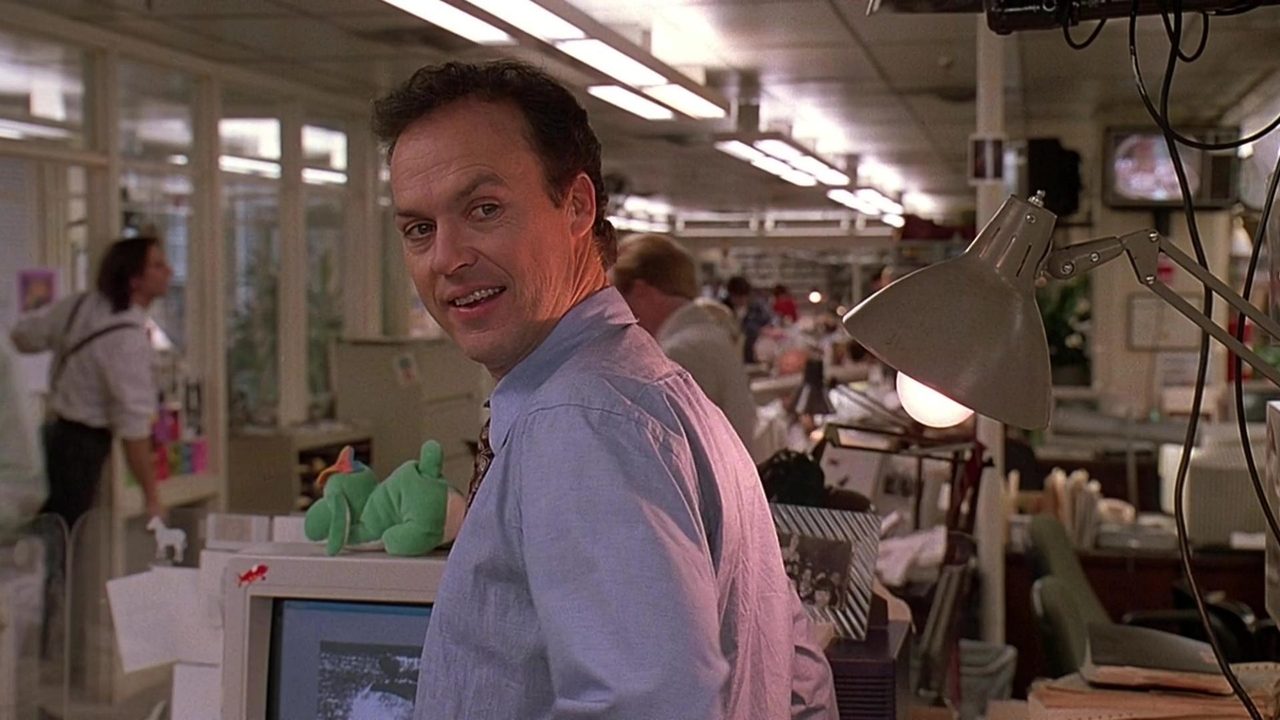
At the heart of this whirlwind stands Michael Keaton, delivering a performance that feels less like acting and more like pure, unadulterated stress manifested. Fresh off darker roles like Batman Returns (1992), Keaton channels a manic energy here that’s utterly captivating. His Henry Hackett is perpetually in motion, wired on coffee and adrenaline, barking orders, charming sources, battling superiors, and wrestling with his own conscience. He’s flawed, certainly – prone to outbursts and questionable tactics – but Keaton imbues him with such weary integrity and passion for the story that you can't help but root for him. He makes palpable the weight of knowing that the words you print can irrevocably alter lives. It’s a performance that feels intensely real, capturing the paradoxical exhaustion and exhilaration of the job.
A Rogues' Gallery of Press Titans
Surrounding Keaton is an ensemble cast firing on all cylinders, truly one of the film's greatest strengths. Robert Duvall, as the pragmatic, seen-it-all Editor-in-Chief Bernie White, embodies the soul of old-school journalism. His quiet wisdom and weary resignation provide a perfect counterpoint to Keaton’s frantic energy. There's a particular scene where Bernie, suffering from prostate issues (a detail Duvall reportedly suggested adding for authenticity), imparts advice to Henry that resonates with decades of newsroom battles fought and compromises made.

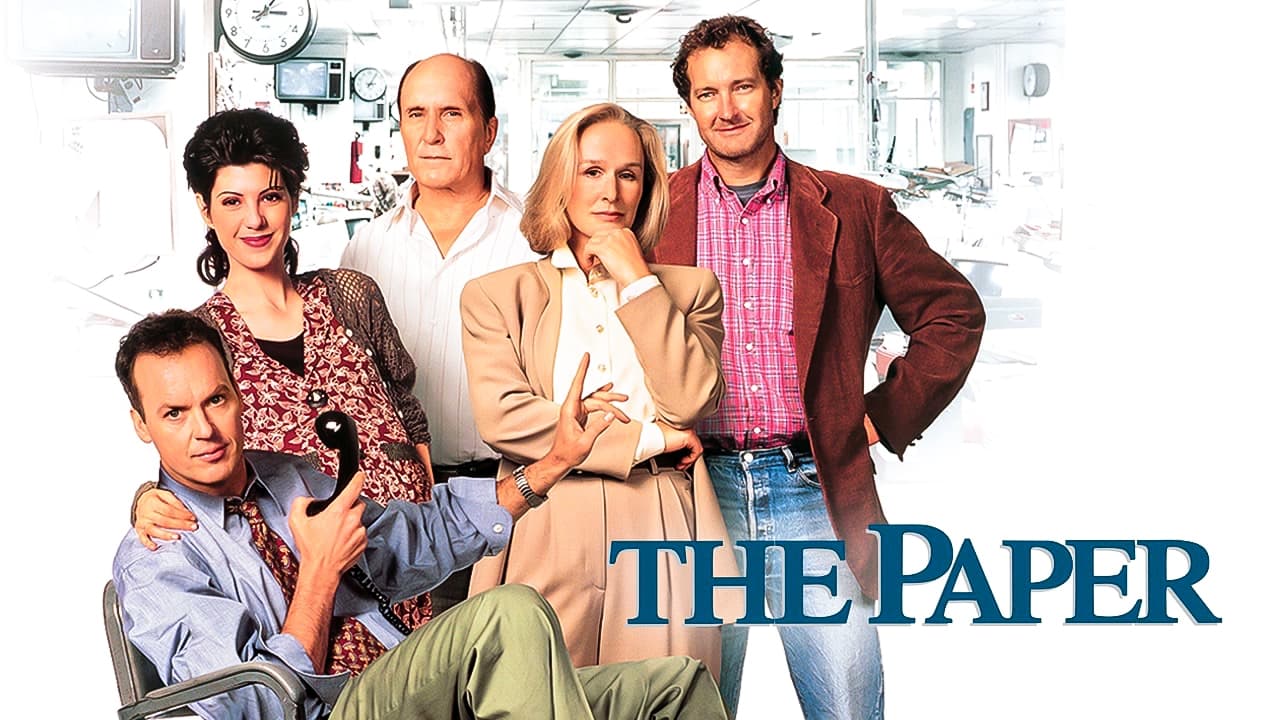
Then there’s Glenn Close as Managing Editor Alicia Clark, the impeccably dressed, fiercely ambitious foil to Henry. She represents the encroaching corporate mentality, prioritizing budgets and appearances over potentially thorny truths. The dynamic between Keaton and Close crackles with tension, culminating in a now-infamous office brawl. It’s a scene that feels raw and startlingly physical; apparently, the intensity wasn't entirely faked, adding a layer of uncomfortable realism to their professional clash. We also get memorable turns from Randy Quaid as the gun-toting, perpetually aggrieved columnist McDougal, and a brief but impactful appearance by the legendary Jason Robards as the paper's publisher. Even Jason Alexander, shedding his George Costanza persona, makes a mark as a beleaguered Parking Commissioner caught in the crossfire.
Crafting the Chaos
Ron Howard, known perhaps more for warmer fare like Splash (1984) or later triumphs like Apollo 13 (1995), proves adept at orchestrating this chaotic symphony. He keeps the pace relentless, using overlapping dialogue and constantly moving cameras to immerse the viewer in the newsroom's high-pressure environment. The film was meticulously researched; Howard and the Koepp brothers spent time in real newsrooms, and it shows. The sprawling Sun office set, built in a Queens warehouse, feels lived-in and authentic, cluttered with the detritus of deadlines past. Filming on location in New York City adds another layer of gritty realism. This commitment to authenticity, even amidst the heightened drama, is what elevates The Paper beyond a simple workplace comedy. It feels like a genuine glimpse, albeit a frantic one, into a specific time and place. Even Randy Newman's score manages to capture both the urgency and the underlying absurdity of the daily grind.
Headlines Then and Now
Beneath the frantic pacing and sharp dialogue, The Paper grapples with enduring questions about journalistic ethics. How far do you push for a story? When does aggressive reporting cross the line? What’s the human cost of getting it wrong – or even getting it right? The film doesn't offer easy answers, portraying the Sun staff as neither crusading heroes nor cynical hacks, but as flawed humans navigating a deeply complex profession. Watching it today, in an era of instantaneous digital news and social media firestorms, the ethical dilemmas feel perhaps even more relevant. Doesn't the pressure to be first, to grab attention with the loudest headline, resonate just as strongly now, if not more so?
I remember renting The Paper on VHS, probably drawn in by Keaton, and being completely swept up in its energy. It felt important, somehow, capturing the pulse of a city and the weight of the news. It wasn't just a movie; it felt like a dispatch from the front lines.
The Verdict
The Paper remains a vibrant, witty, and surprisingly thoughtful snapshot of a bygone era in journalism. Its frenetic energy is infectious, powered by a stellar ensemble cast led by a never-better Michael Keaton. While the plot occasionally veers into melodrama, the film’s core honesty about the pressures and ethical tightropes of the news business shines through. It captures the chaos, the camaraderie, and the sheer, addictive thrill of chasing the story against the clock. For anyone who remembers the thud of a newspaper on the doorstep or the thrill of an unfolding headline, it’s a deeply satisfying watch.
Rating: 8/10 - The rating reflects the film's exceptional ensemble cast, particularly Keaton's powerhouse performance, its authentic capture of newsroom energy, and its engaging exploration of journalistic ethics. While occasionally frantic to a fault, its strengths far outweigh any minor narrative stumbles, making it a standout workplace drama of the 90s.
It leaves you breathless, slightly stressed, but ultimately exhilarated – much like a day spent working the presses, one imagines. A potent reminder of the human element behind the headlines.