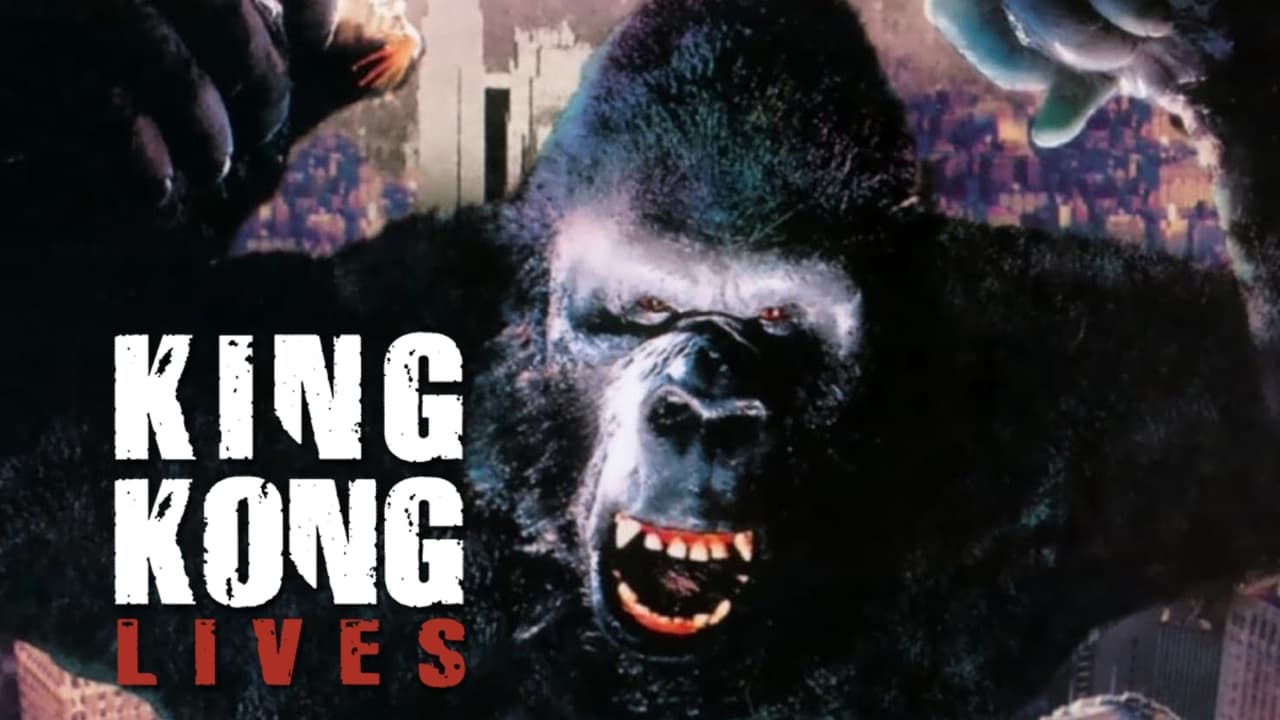
Alright, fellow tapeheads, let’s rewind to a truly wild corner of the 80s sequel boom. Remember strolling through the aisles of the video store, maybe Action or Sci-Fi, and stumbling upon that box? The one promising the impossible? I’m talking about King Kong Lives (1986), a movie whose very title felt like a dare. Kong died at the end of the '76 flick, right? Plunged off the World Trade Center? Apparently, producer Dino De Laurentiis, never one to let a little thing like terminal velocity get in the way of a franchise, decided otherwise. And the result? Pure, unadulterated VHS-era insanity.

### Back from the Brink (Seriously?)
The premise alone is the stuff of late-night, sugar-fueled brainstorming sessions. Ten years after his tumble, Kong isn't dead, just… comatose. Kept alive in a ludicrously high-tech hangar at the Atlantic Institute, he needs a heart transplant. Yes, you read that right. A giant ape heart transplant. Enter Dr. Amy Franklin (Linda Hamilton, bringing some serious post-Terminator grit that the film desperately needs but can't quite utilize) and her experimental artificial heart – a prop reportedly costing a hefty sum itself, part of an effects budget striving for grandeur. But where do you find a donor big enough? Why, in Borneo, of course, where adventurer Hank Mitchell (Brian Kerwin, embodying earnest 80s heroism) conveniently discovers… Lady Kong!
Naturally, the giant ape heart surgery is a success (complete with EKG readings that look suspiciously human-sized), Kong wakes up, senses his new mate, busts out, and proceeds to liberate Lady Kong. Cue the military intervention, led by the reliably gruff John Ashton (fresh off Beverly Hills Cop) as Colonel Nevitt, who seems perpetually exasperated by the giant ape-related chaos disrupting his day.
### The Majesty of Meat Puppets
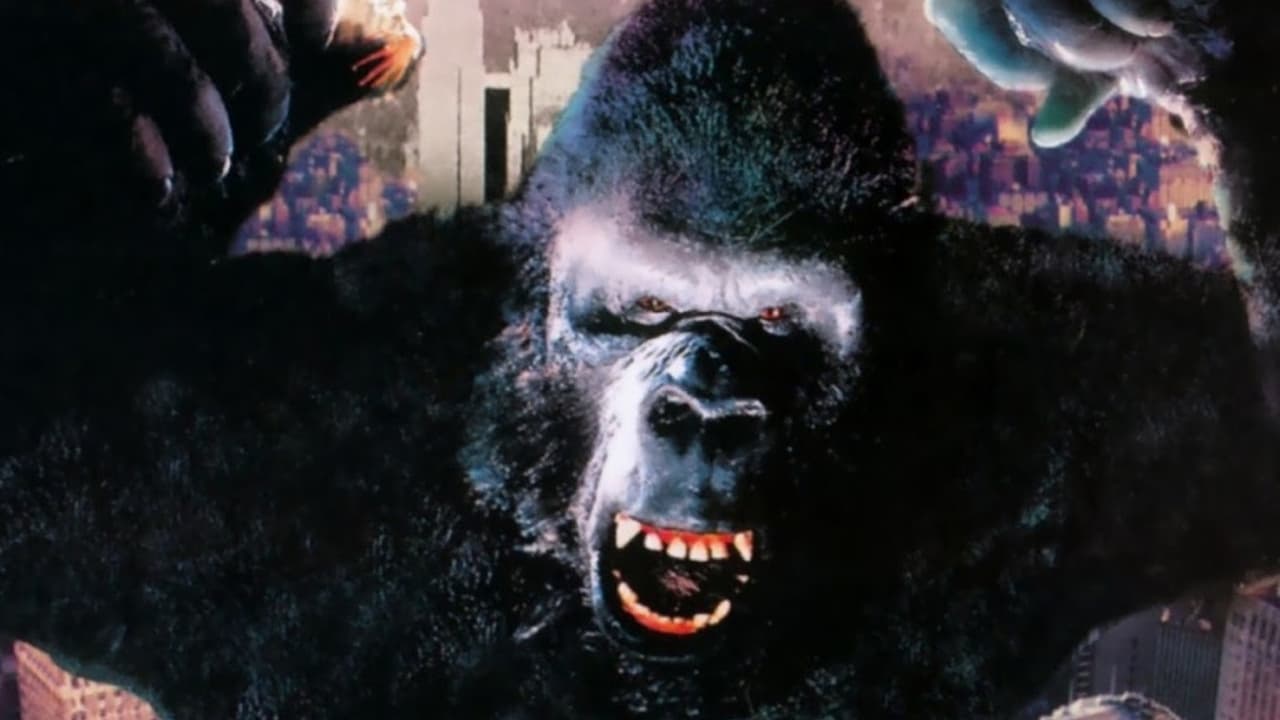
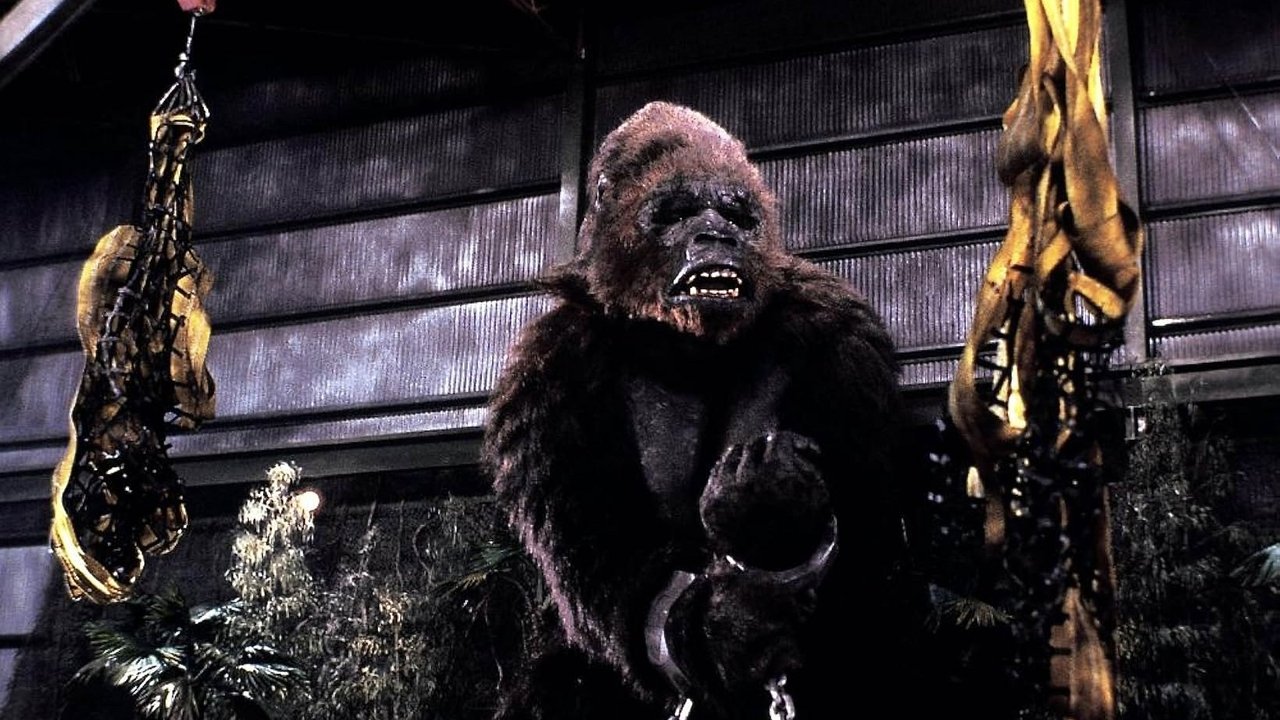
Let's talk effects, because that's where the real 80s charm lies. Forget slick CGI; this is the era of tangible creatures. While Rick Baker's groundbreaking suit work elevated the '76 film, King Kong Lives relies more heavily on massive hydraulics, complex animatronics, and yes, men in suits (primarily Peter Elliott and George Yiasomi sweating it out inside). The legendary Carlo Rambaldi, the genius who brought E.T. and the Xenomorph head in Alien to life, supervised the creature effects here. You can feel the ambition. The sheer scale of the full-size Kong bust and hands, the effort poured into making these giants interact with miniatures and real environments – it’s impressive on a technical level, even if the illusion occasionally wobbles.
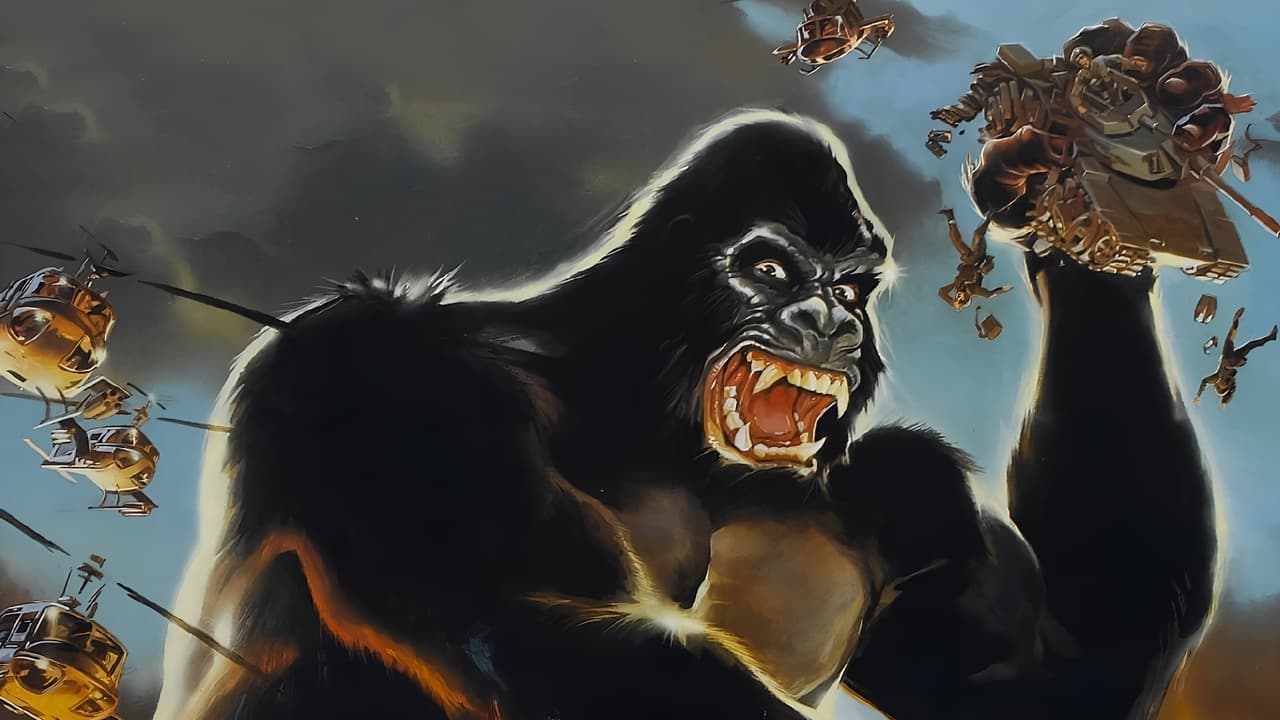
Remember watching this on a fuzzy CRT? Those moments when Kong swats a helicopter or rips through a bridge felt physical. There's a weight and presence to the practical Kong, a sense of actual mass that even sophisticated digital creations sometimes lack. The sequence where Kong takes down soldiers in the swamp, or the initial breakout from the institute – they have a raw, destructive energy that’s pure 80s action spectacle, albeit filtered through a B-movie lens. Sure, some of the matte lines are visible, and the ape suits can look a bit stiff, but wasn't that part of the magic back then? Seeing the seams, almost, but still buying into the spectacle?
### Guillermin Returns, Chaos Ensues
It's fascinating that John Guillermin, who directed the 1976 remake, returned for this sequel. His earlier effort, while divisive among purists, was a serious, large-scale production. Here, despite the obvious expense (reports peg the budget around $18 million – not pocket change in '86, though it famously flopped, barely cracking $4.7 million domestically), the tone veers wildly. It tries for adventure, romance (between the apes!), military action, and even a touch of monster-movie pathos, but mostly lands in the realm of the bizarre.
The script, co-written by Ronald Shusett (who worked on Alien! Talk about range!) and Steven Pressfield, throws everything at the wall. We get Kong escaping, Lady Kong captured, Kong rescuing her, a surprisingly graphic ape birth scene (yes, really!), and a final stand-off. It’s… a lot. Filmed largely on location in North Carolina, the scenery often looks great, providing a backdrop that tries to ground the escalating absurdity. The score by John Scott attempts epic sweep, hitting those dramatic notes even when the on-screen action borders on the comical.
### Legacy of a Loophole
King Kong Lives wasn't exactly embraced upon release. Critics savaged it, and audiences stayed away. It quickly found its true home, though: the video rental shelf. It became one of those tapes you'd maybe rent out of morbid curiosity, or because you remembered the '76 film fondly and couldn't believe they'd made another one. It's a film defined by its sheer audacity and its commitment to a fundamentally silly idea, executed with the kind of practical effects extravaganza that characterized the era.
Linda Hamilton does her best, lending credibility where little exists. Brian Kerwin is likable enough as the slightly hapless hero. But the real stars are the Kongs themselves – lumbering, roaring, occasionally rubbery monuments to practical effects ambition. It's hard to truly hate this movie; it's too earnest in its weirdness, too dedicated to its bizarre vision.
VHS Heaven Rating: 4/10
Why the Score? Let's be honest, as a film, it's a mess. The plot is ludicrous, the tone is all over the place, and it lacks the dramatic weight of its predecessor. However, as a piece of 80s B-movie history, a testament to practical effects ambition (however flawed), and a genuinely bizarre viewing experience, it holds a certain fascination. The 4 acknowledges the effort in the effects and the sheer, undeniable weirdness that makes it memorable, if not exactly "good." It's certainly never boring.
Final Thought: King Kong Lives is a glorious, goofy testament to a time when studios would greenlight the wildest ideas if it meant getting a known property back on screen, preferably with lots of things blowing up. It’s the kind of movie that makes you miss the sheer tactile presence of old-school movie monsters, even when they needed a jumpstart from the world’s largest artificial heart. Definitely worth digging out of the bargain bin for a dose of pure 80s WTF.