It wasn't just a movie; it felt like an event. Slapping that Jurassic Park VHS tape into the VCR in 1993 (or maybe '94, once it hit rental stores) was akin to unlocking a portal. Suddenly, the familiar glow of the CRT screen wasn't just showing a film, it was revealing the impossible. Dinosaurs, convincingly alive, breathing, hunting, right there in the living room. Few films managed to collectively drop jaws quite like this one, forever changing the landscape of blockbuster filmmaking and lodging themselves permanently in our collective consciousness. It wasn't just entertainment; it was pure, unadulterated cinematic magic, the kind Steven Spielberg seemed to conjure so effortlessly.
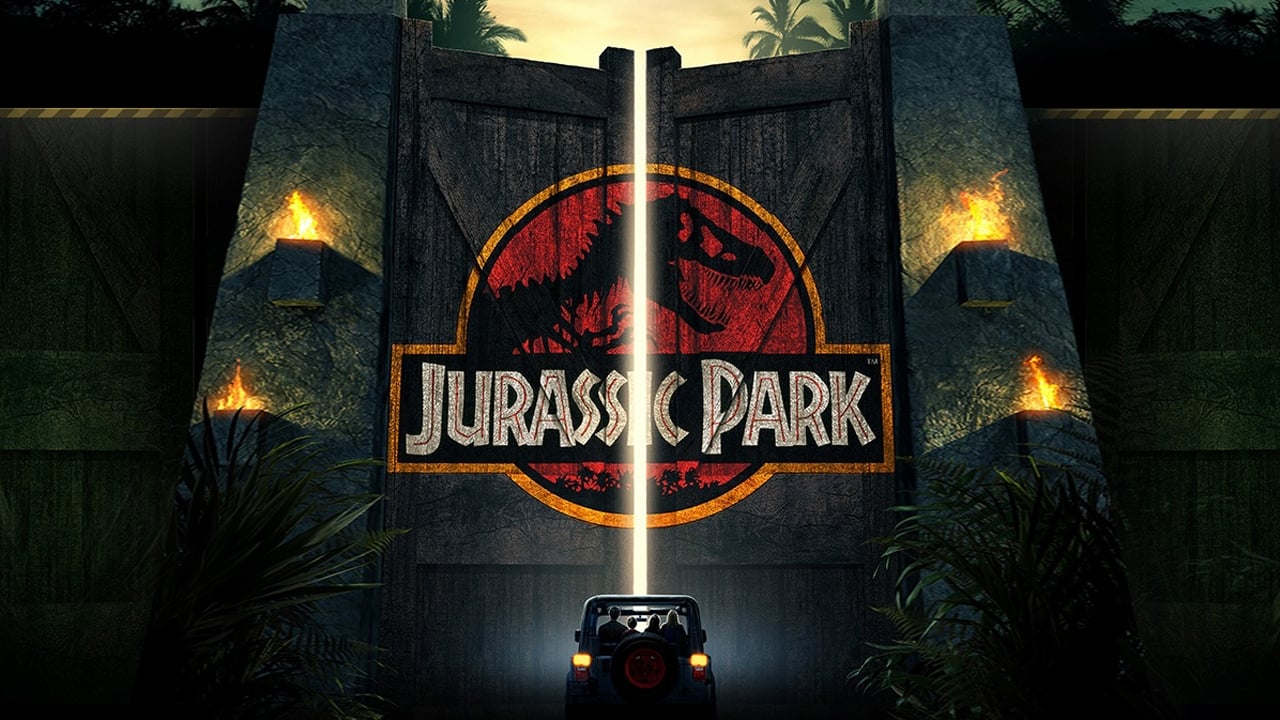
### Welcome... To Jurassic Park
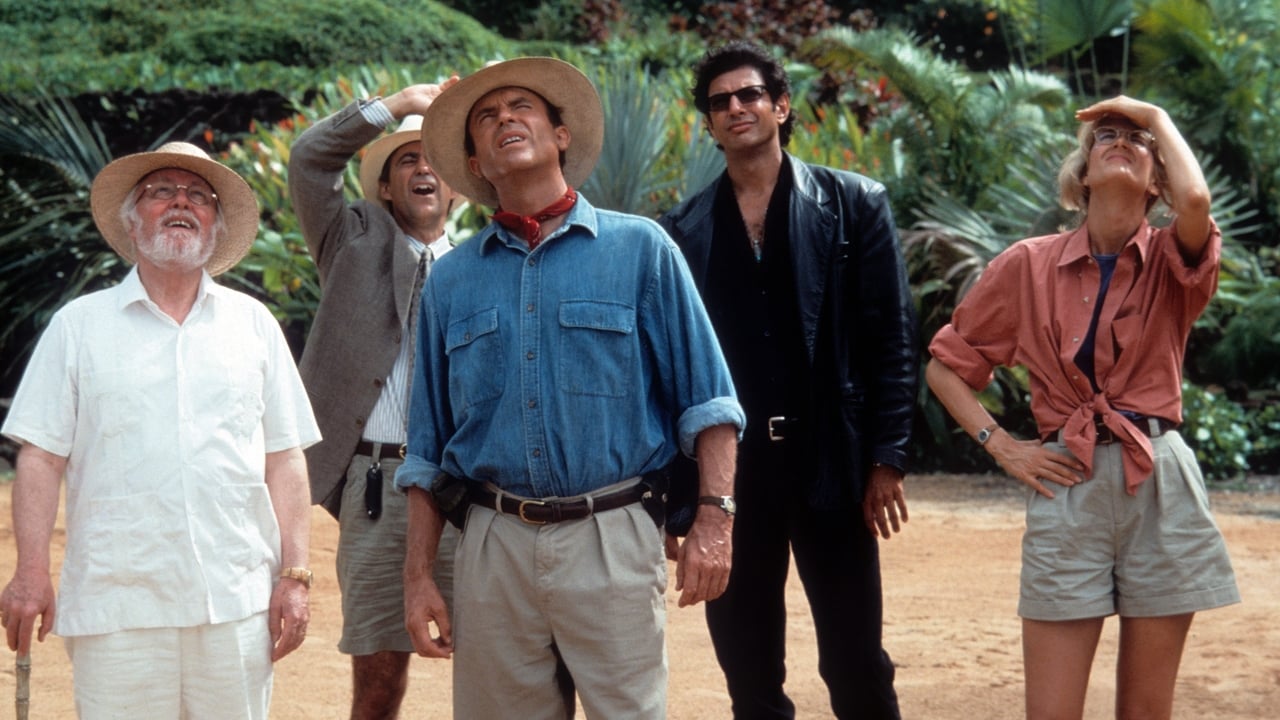
The premise, adapted from Michael Crichton's (who also co-wrote the screenplay with David Koepp) gripping techno-thriller novel, is deceptively simple yet endlessly fascinating: eccentric billionaire John Hammond (Richard Attenborough, coaxed out of acting retirement in a stroke of genius casting) uses cutting-edge genetic engineering to clone dinosaurs for a theme park on a remote Costa Rican island. Before opening, he invites a team of experts – stoic paleontologist Dr. Alan Grant (Sam Neill, fresh off intense roles like Dead Calm), sharp paleobotanist Dr. Ellie Sattler (Laura Dern, bringing intelligence and warmth), and the effortlessly cool, rockstar mathematician Dr. Ian Malcolm (Jeff Goldblum, already beloved for films like The Fly) – along with his grandchildren, for a preview tour. Naturally, things go spectacularly, terrifyingly wrong. Life, as Dr. Malcolm memorably warns, uh... finds a way.
### Spielberg's Island of Wonders and Terrors
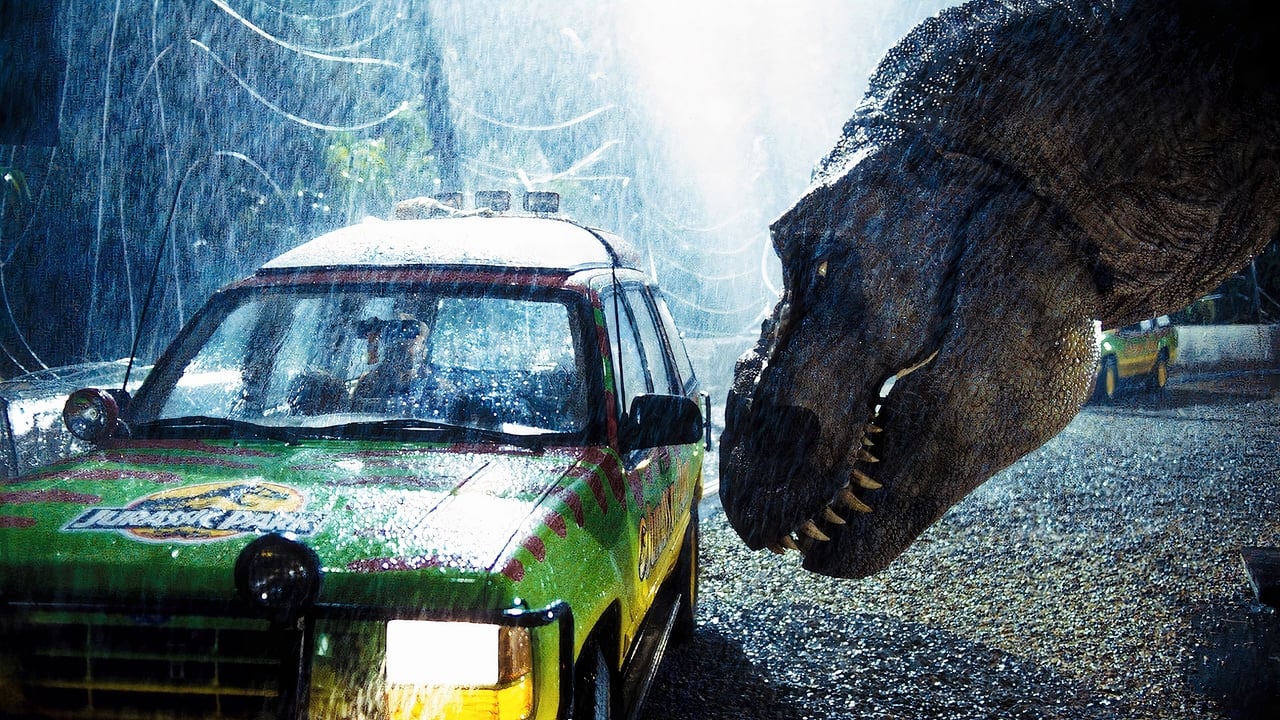
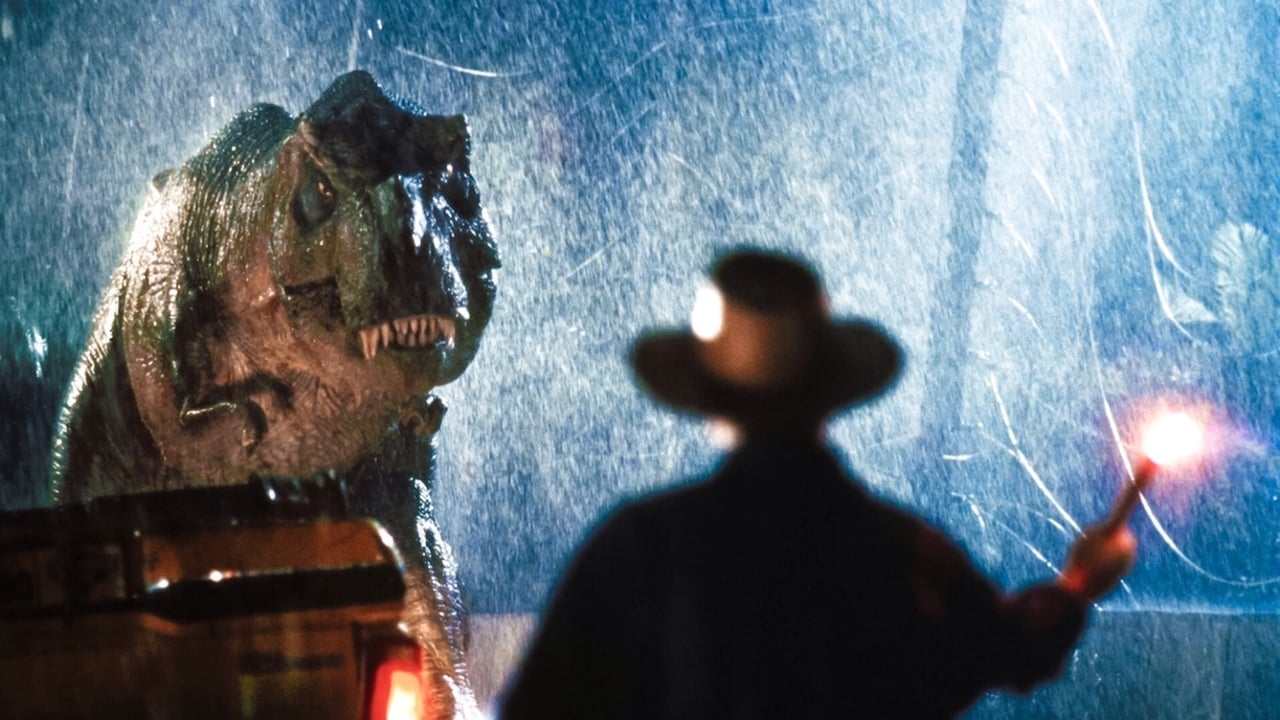
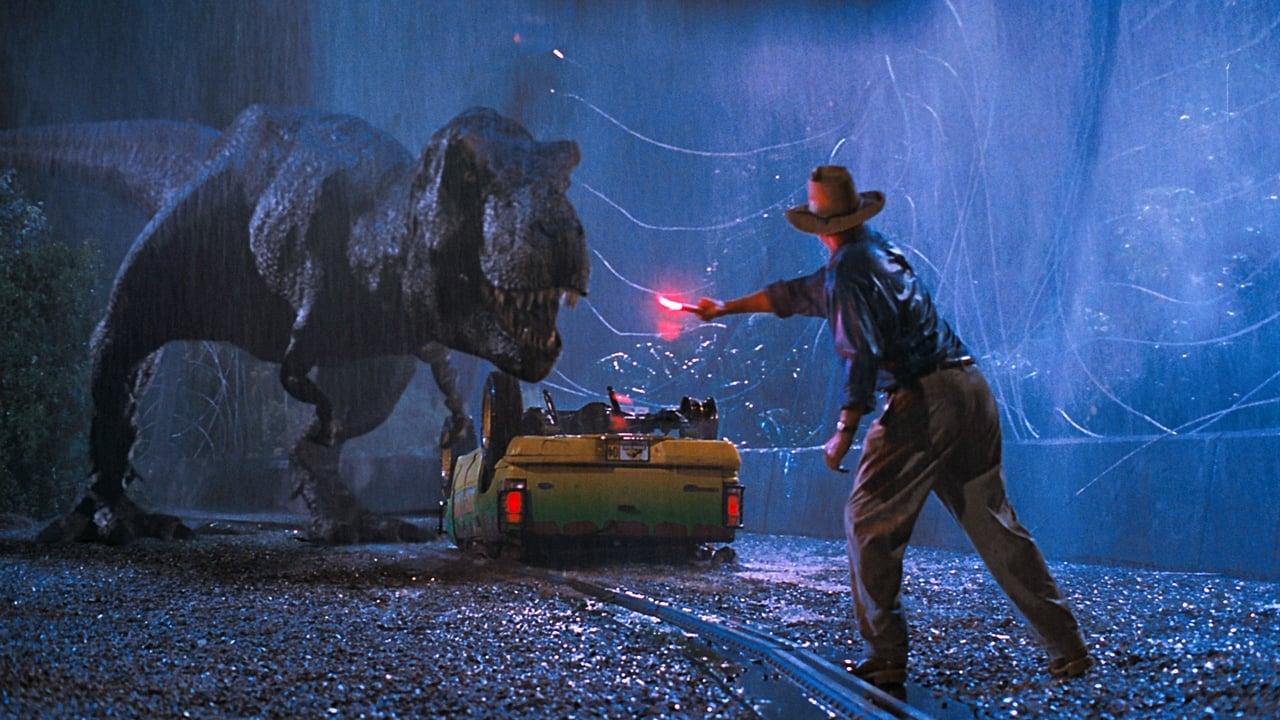
What elevates Jurassic Park beyond a simple creature feature is Spielberg's masterful direction. He taps into that childlike wonder we all possess, unveiling the majesty of the Brachiosaurus in a scene that still evokes goosebumps, perfectly scored by John Williams' instantly iconic, soaring theme. Yet, Spielberg is also the master of suspense, orchestrating sequences of unbearable tension. The rainy T-Rex attack on the Ford Explorers is a masterclass in terror, using darkness, rain, sound, and agonizingly drawn-out moments to create pure nightmare fuel. Remember the ripples in the cup of water? A simple, ingenious visual cue that became instantly legendary. And let's not forget the claustrophobic horror of the Velociraptors hunting the kids in the industrial kitchen – a sequence that probably fuelled a generation's fear of stainless steel countertops. Spielberg, remarkably editing this film while simultaneously working on Schindler's List in Poland, proved his unparalleled ability to balance breathtaking spectacle with gut-wrenching suspense.
### Bringing Dinosaurs Back to Life (On Screen)
Of course, the dinosaurs themselves were the undisputed stars, and bringing them to life was a watershed moment for visual effects. The film famously pioneered the use of computer-generated imagery (CGI) on a grand scale, courtesy of Industrial Light & Magic (ILM). But the genius lay in the seamless blend of CGI with the astonishingly lifelike animatronics created by the legendary Stan Winston and his team. The weight and physicality of the T-Rex puppet smashing through the Jeep, the subtle breathing of the sick Triceratops – these practical creations gave the digital dinosaurs a tangible reality. It wasn't just one technique; it was the masterful combination that sold the illusion so completely. This blend was so revolutionary it essentially marked the beginning of the end for traditional stop-motion animation in big-budget features, ushering in the digital era.
### Retro Fun Facts & Island Chaos
The journey to bring Isla Nublar to the screen was almost as dramatic as the film itself. Spielberg snapped up the rights to Crichton's novel before it was even published, sensing its cinematic potential. While Sam Neill perfectly embodied Grant's initial reluctance turning to heroism, names like Harrison Ford and William Hurt were apparently considered for the role. The production faced real-life disaster when Hurricane Iniki, one of the most powerful hurricanes to hit Hawaii, struck the filming location on Kauai. The cast and crew hunkered down together (reportedly in a hotel ballroom!), and some of the storm footage actually made it into the final film, adding an unintended layer of authenticity to the island's treacherous weather.
Sound design was also groundbreaking; Gary Rydstrom's T-Rex roar, famously crafted from a blend of baby elephant squeals, tiger growls, and alligator bellows, is one of the most iconic sounds in movie history. Made for a then-hefty $63 million (around $133 million today), the film became a global phenomenon, shattering box office records with an initial haul of over $914 million worldwide (nearly $2 billion adjusted for inflation!), making it the highest-grossing film of all time until Titanic. That iconic logo? Instantly recognizable. The tagline "An Adventure 65 Million Years In The Making"? Perfect. It wasn't just a movie; it was a cultural touchstone.
### More Than Just Monsters
Beneath the thrilling chases and breathtaking visuals, Jurassic Park deftly explores themes of scientific hubris, the unpredictable power of nature, and corporate greed. Hammond's dream, born of wonder, is corrupted by his desire for control and profit ("Spared no expense!"). Jeff Goldblum's Ian Malcolm serves as the film's philosophical heart, delivering warnings about chaos theory and the dangers of unchecked ambition with charismatic flair. While some character arcs might feel secondary to the spectacle at times, the core trio provides the necessary human element, grounding the extraordinary events in relatable fear, courage, and awe.
### The Roar Heard 'Round the World
The impact of Jurassic Park was immediate and immense. It sparked a worldwide surge in dinosaur fascination – "dino-mania" gripped kids and adults alike. Museums saw attendance skyrocket, merchandise flew off shelves (who didn't want that action figure jeep?), and the film's influence on subsequent blockbusters, particularly in the realm of CGI, cannot be overstated. It launched a massive franchise that continues to this day, with numerous sequels exploring the repercussions of Hammond's folly, though none have quite captured the lightning-in-a-bottle magic of the original. Seeing it on VHS felt like owning a piece of that history, a tangible link to that initial wave of wonder.
***
Rating: 9.5/10
This near-perfect score is earned by the film's groundbreaking technical achievements that redefined visual effects, Spielberg's masterful blend of awe and terror, John Williams' unforgettable score, and its sheer, enduring power as a piece of pure cinematic spectacle. While perhaps not as deep character-wise as some other classics, its execution is so flawless, its impact so significant, and its ability to thrill and amaze so potent even decades later, that it stands as a true titan of 90s filmmaking.
Jurassic Park wasn't just a movie you watched; it was an experience you felt – the tremor in the floorboards, the roar that shook the room, the wonder of seeing the impossible made real. It’s a film forever preserved in cinematic amber, a thrilling adventure that reminds us why we fell in love with movies in the first place.