There are films that unfold, and then there are films that overwhelm. Akira Kurosawa's Ran (1985) belongs firmly in the latter category, an experience less watched than absorbed, a vast, operatic tragedy painted onto celluloid with strokes both brutal and breathtakingly beautiful. Seeing it back in the day, perhaps spread across two well-worn VHS tapes rented from the 'World Cinema' shelf, felt like smuggling an entire, turbulent historical epoch into your living room. The sheer scale felt almost defiant against the limitations of a CRT screen.
A Kingdom Undone
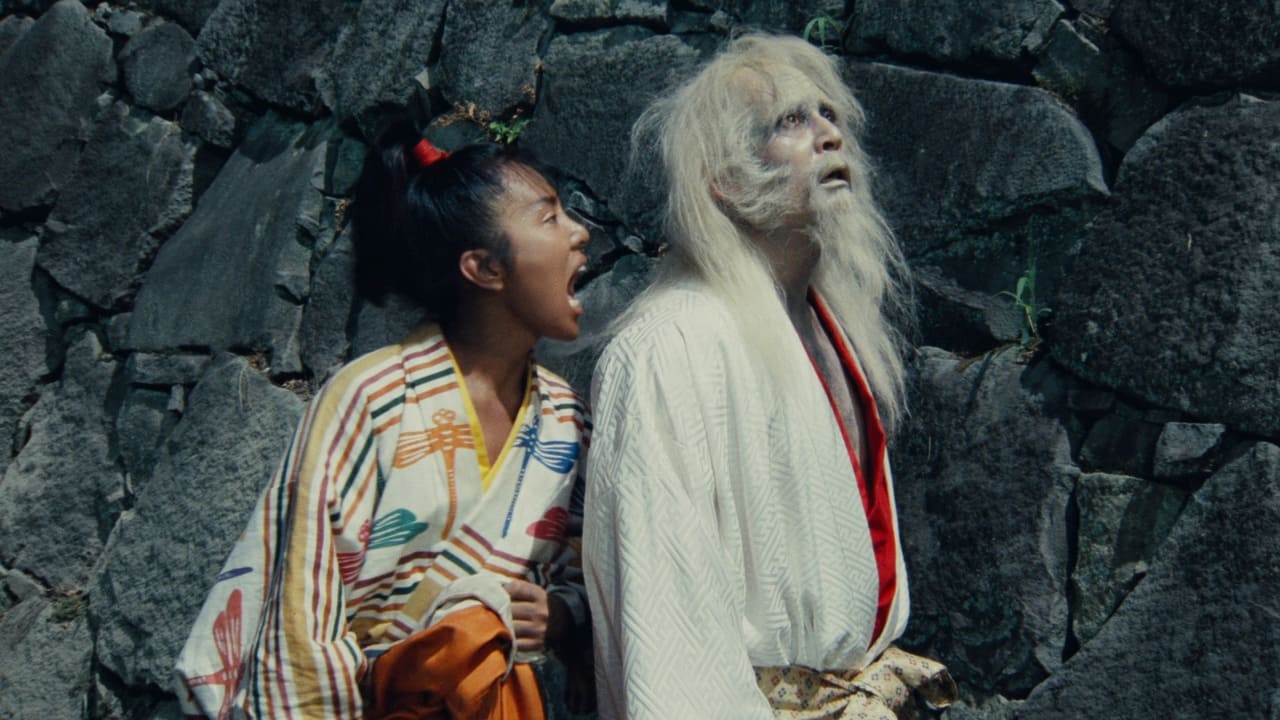
Inspired by Shakespeare's King Lear, but interwoven with legends of the Japanese Sengoku period (specifically the parable of Mōri Motonari and his three sons), Ran translates the intimate family drama of the play into a sprawling feudal epic. We witness the Great Lord Hidetora Ichimonji (Tatsuya Nakadai), a formidable warlord grown weary, deciding to abdicate and divide his conquered lands amongst his three sons: Taro, Jiro, and Saburo. His hope is for a peaceful retirement, maintained by filial loyalty. What follows, of course, is anything but peace. Betrayal, paranoia, and naked ambition ignite, consuming the family and plunging the kingdom into chaos – the very meaning of the film's title.
Kurosawa's Late-Career Canvas
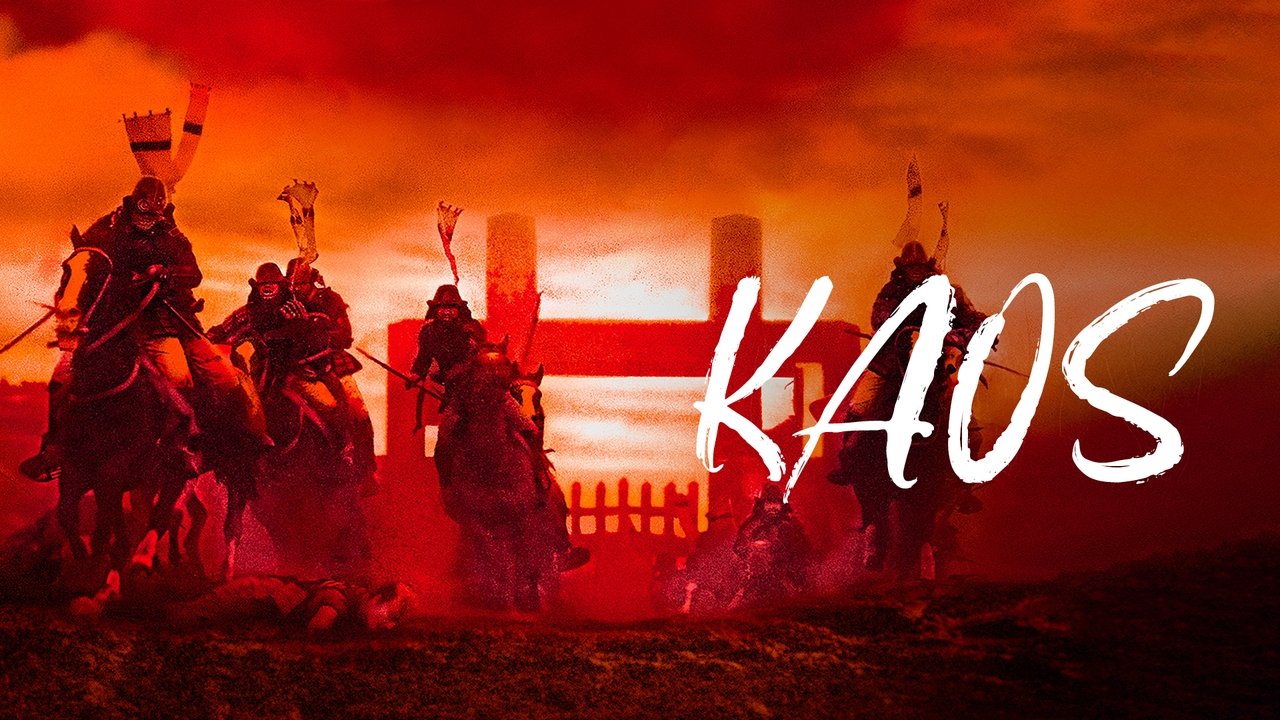
By 1985, Akira Kurosawa, the legendary director behind Seven Samurai (1954) and Yojimbo (1961), was in his seventies and battling failing eyesight. Yet, Ran feels like the work of a master operating at the peak of his powers, orchestrating controlled mayhem with astonishing clarity. He reportedly spent a decade planning the film, much of that time spent creating detailed paintings that served as storyboards, visualizing every frame. This meticulous preparation is evident everywhere. The film’s famous use of colour, assigning distinct hues to each son's army, isn't just aesthetically striking; it serves as a vital narrative tool, allowing the viewer to track the shifting alliances and brutal clashes amidst battles involving thousands of extras and hundreds of horses.
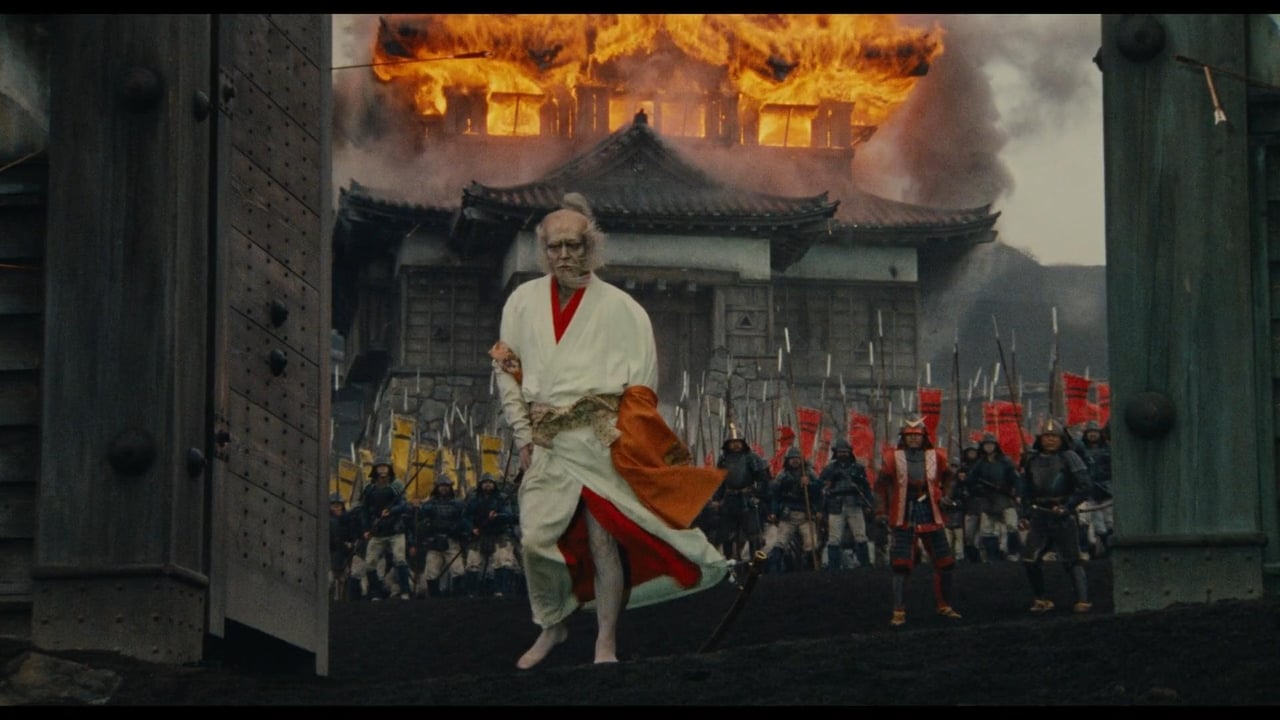
One can only imagine the logistical nightmare. Financed partly by French producer Serge Silberman after Japanese studios balked at the estimated $11.5 million budget (a colossal sum for Japan then, roughly $32 million today), the production was immense. They literally built and then burned down a castle for the film's devastating central siege sequence – a moment of shocking violence and visual grandeur that etches itself into memory. There's a weight to the action, a terrifying tangibility that CGI struggles to replicate. You feel the ground tremble under the cavalry charges, the air crackle with the flight of thousands of arrows.
The Eye of the Storm: Nakadai's Hidetora
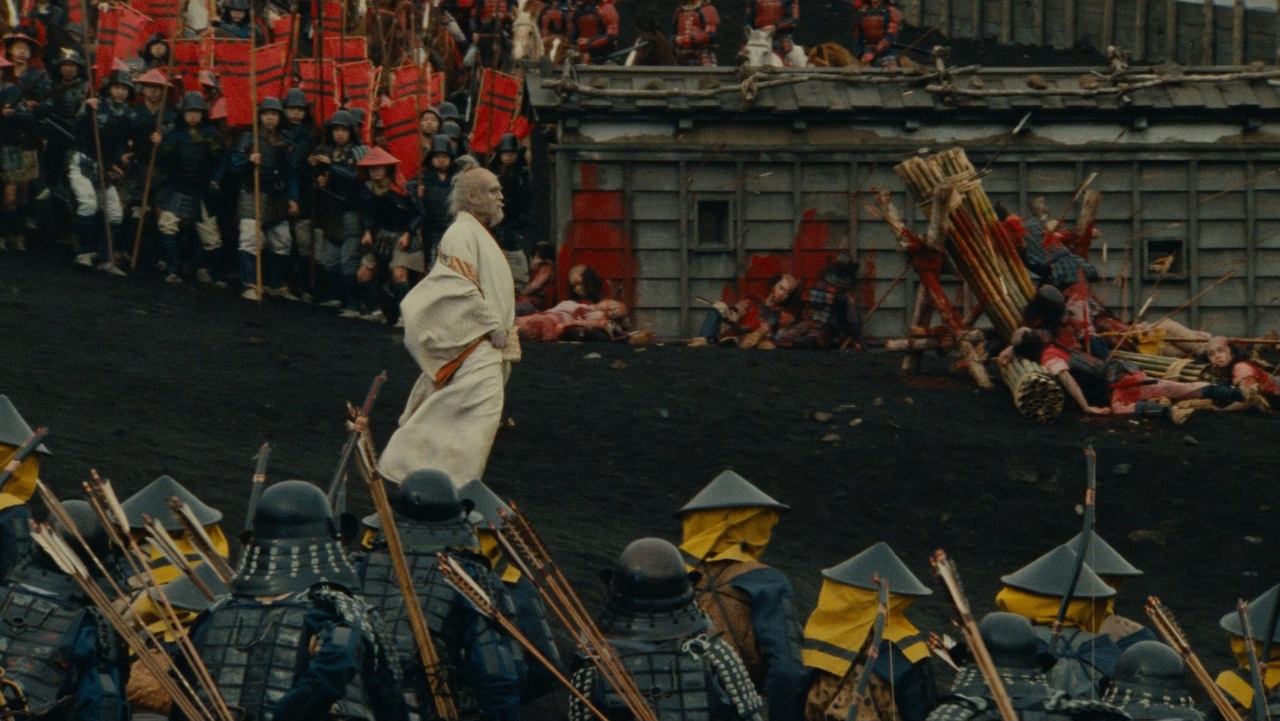
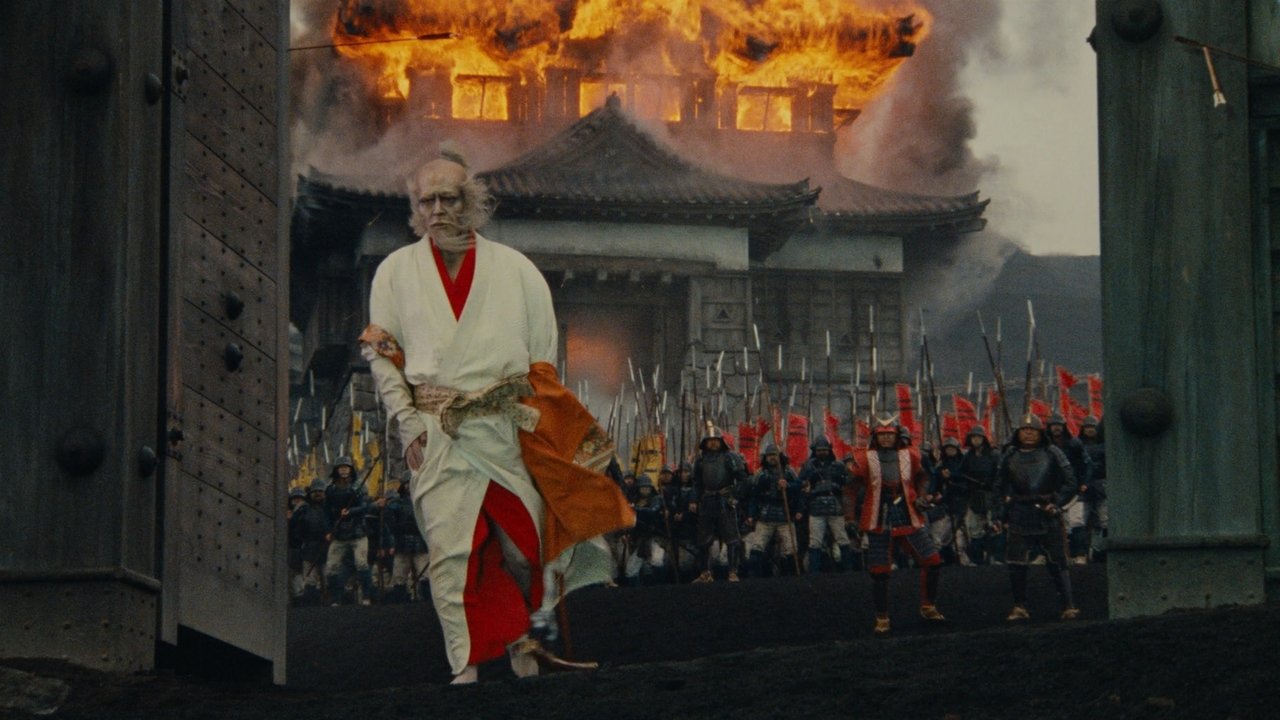
At the heart of this maelstrom is Tatsuya Nakadai's towering performance as Hidetora. It’s a portrayal of Lear-like descent that transcends language barriers. We see the fearsome warlord shrink, his authority stripped away, his mind fracturing under the weight of his past sins and present betrayals. Nakadai, a frequent Kurosawa collaborator, embodies this transformation with harrowing physicality – from the proud patriarch to the bewildered, ghost-like figure wandering the desolate landscapes forged by his own ambition. The makeup, designed to resemble traditional Noh masks, emphasizes the expressive power of his eyes, which convey wells of grief, rage, and terrifying emptiness. It’s a performance of staggering commitment, one that anchors the film's operatic scope in raw human suffering. Supporting players like Akira Terao as the eldest son Taro and Jinpachi Nezu as Jiro effectively embody the calculating cruelty and ambition that Hidetora’s decision unleashes.
Echoes in the Silence
Beyond the spectacle, Ran resonates with profound, often bleak, observations about power, loyalty, and the cyclical nature of violence. The film offers no easy answers, no comforting moral resolutions. Kurosawa seems to suggest that the gods, if they exist, are either indifferent or malicious, observing human folly with detached amusement or perhaps even orchestrating it. The final, haunting shots linger long after the credits roll, leaving a sense of cosmic despair but also a deep appreciation for the artistry that shaped this unforgettable vision. The score by Toru Takemitsu is equally crucial, often using silence or spare, dissonant chords to underscore the emotional desolation, only swelling into orchestral fury during moments of cataclysmic action. And the Oscar-winning costumes by Emi Wada are simply extraordinary, intricate works of art that define character and status while standing up to the rigors of epic battle scenes.
Rating: 10/10
Ran isn't just a film; it's a monumental achievement. The sheer craft on display – the direction, the performances (especially Nakadai's), the cinematography, the production design, the score – is exceptional across the board. Its themes are timeless, its visuals unforgettable, and its tragic power undiminished. Even viewed decades later, far removed from the specific context of its creation or the limitations of its original VHS release, its impact is immense. It justifies its epic length and demands the viewer's full attention, rewarding it with one of cinema's most profound and visually stunning explorations of human fallibility.
It stands as a stark, beautiful, and terrifying reminder of Kurosawa's genius and the enduring power of epic filmmaking. What other film leaves you feeling simultaneously awestruck by its beauty and chilled by its depiction of humanity's destructive impulses?