Okay, let's dim the lights, imagine the satisfying clunk of inserting the tape, and settle in. Some films just lodge themselves in your memory, not merely for their plot or characters, but for the way they make you feel about the world they portray. For me, James L. Brooks' Broadcast News (1987) is one of those films. It arrived just as network news was navigating a seismic shift, and watching it again now, decades later, feels less like a time capsule and more like a remarkably sharp prophecy wrapped in wit and heartache.
The Pressure Cooker of Truth
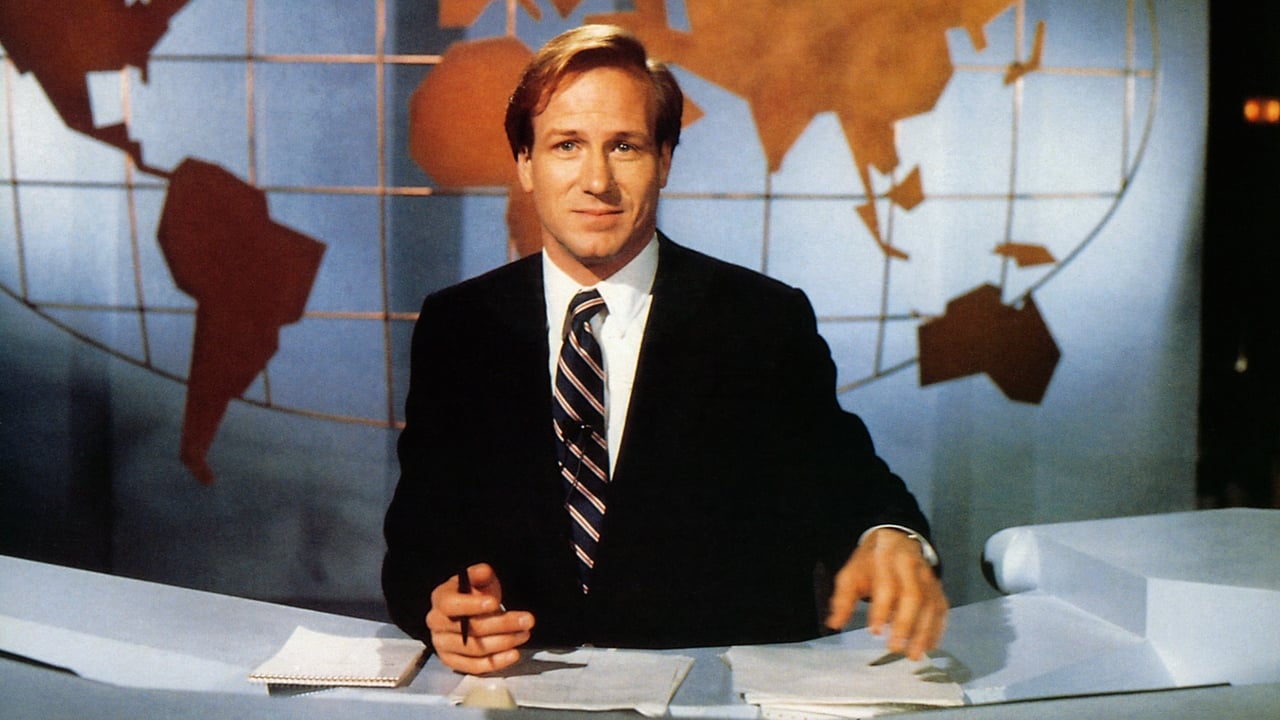
The film throws us headfirst into the chaotic, deadline-driven Washington D.C. bureau of a national television network. This isn't just a backdrop; it's a living, breathing character in itself – a world of ringing phones, frantic dashes down corridors carrying bulky ¾-inch tapes (remember those?), and the constant, humming pressure to get the story right and get it first. It’s a world Brooks, with his roots in television newsrooms (he started as an usher at CBS before becoming a writer for CBS News in the 60s), captures with an authenticity that feels almost documentary-like at times, yet infused with his signature blend of sharp humor and human drama, reminiscent of his earlier triumph, Terms of Endearment (1983).
A Triangle of Talent and Tension
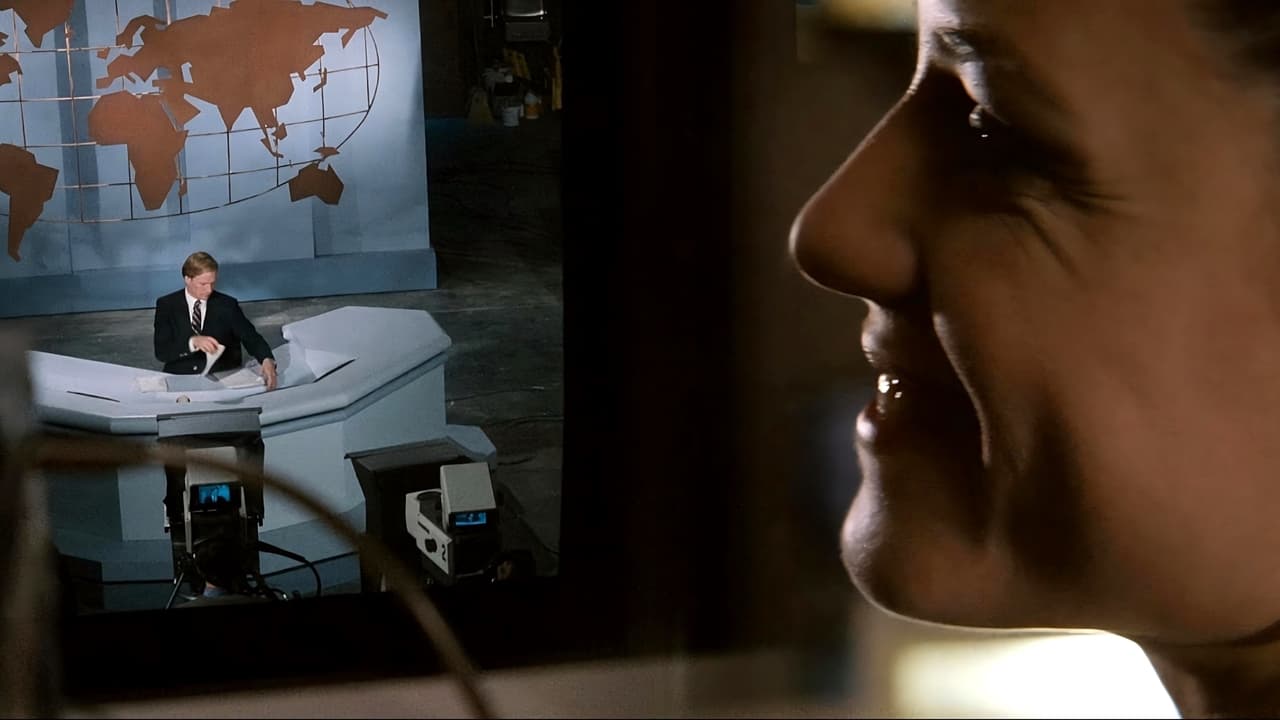
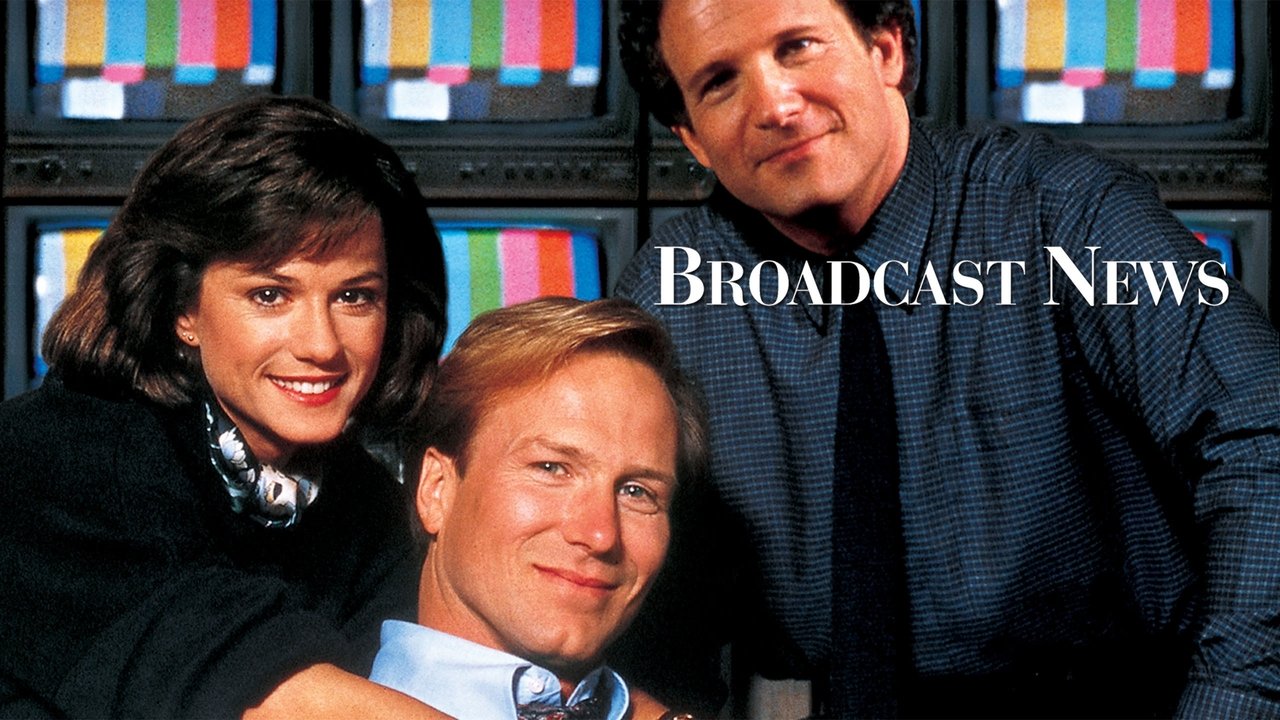
At the heart of this whirlwind are three unforgettable characters, portrayed by actors operating at the absolute peak of their craft. Holly Hunter, in a career-defining, Oscar-nominated performance, is Jane Craig. She’s a ferociously intelligent, ethically uncompromising, and emotionally volatile news producer. Hunter doesn't just play Jane; she inhabits her, making her whirlwind energy, moments of crippling self-doubt (those scheduled crying breaks!), and fierce dedication utterly believable. It's fascinating to remember that Debra Winger was originally cast but had to drop out due to pregnancy; Hunter stepped in and made the role entirely her own.
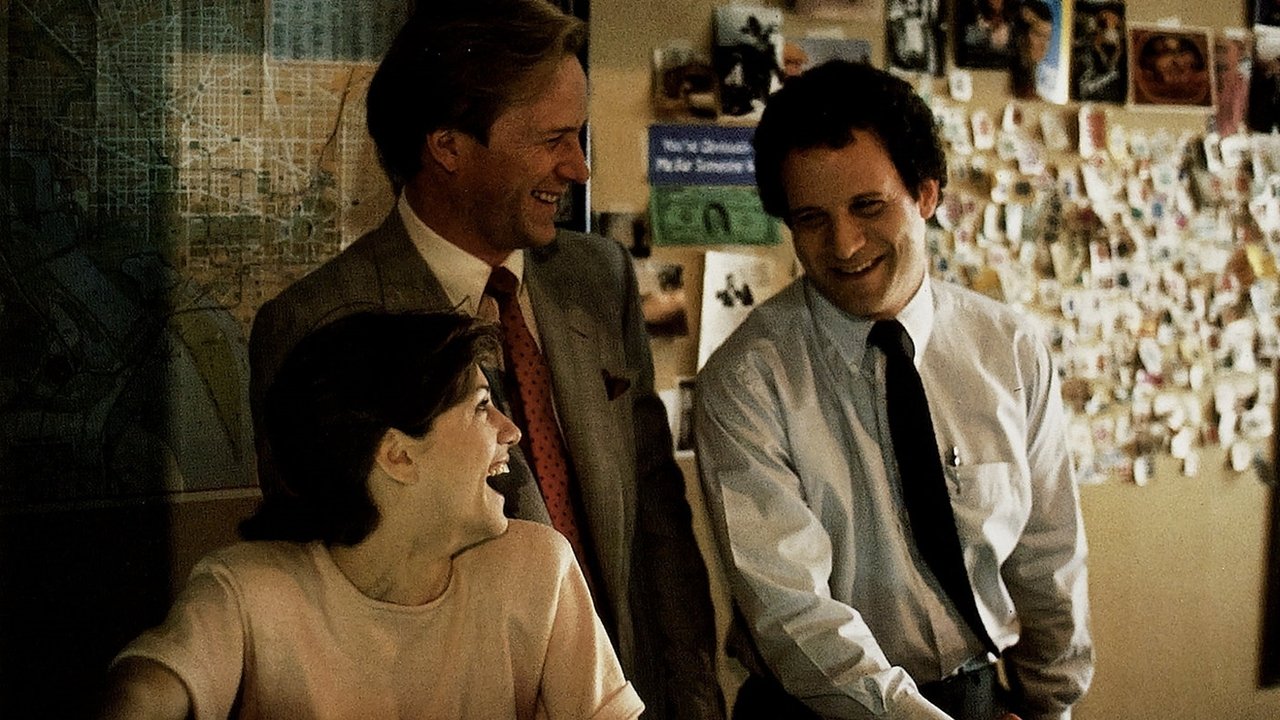
Then there’s Albert Brooks (no relation to James L.) as Aaron Altman, the brilliant, sweat-prone reporter who possesses the journalistic integrity Jane admires but lacks the telegenic polish the network increasingly craves. Brooks, for whom James L. specifically wrote the part, delivers a masterclass in vulnerability and comedic timing, his sharp wit often masking a deep well of insecurity and unrequited affection for Jane. His lines are diamond-sharp, yet his pain feels achingly real.
Completing the triangle is William Hurt as Tom Grunick, the handsome, effortlessly charming news anchor who represents the encroaching wave of style-over-substance journalism. Hurt is magnetic, capturing Tom’s charisma and ambition, but also hinting at an intellectual vacuum and a perhaps concerning flexibility with the facts. He reportedly spent time observing network anchors to perfect the look and feel, but it's the subtle ethical ambiguity he projects that truly makes the character work. The tension between these three – professional, personal, ethical – forms the film's potent core.

More Than Just Jokes
While Broadcast News is often incredibly funny, the humor never feels cheap. It arises naturally from the characters, the situations, and the inherent absurdity of the high-stakes news environment. Think of Aaron’s legendary “flop sweat” scene while anchoring, a moment of pure comedic agony rooted entirely in his character's desperate desire to succeed on terms he fundamentally mistrusts. Or Jane’s demanding, hyper-focused direction from the control room.
But beneath the laughs, Brooks is wrestling with serious questions that feel more relevant than ever. What is the role of journalism? Where is the line between informing the public and entertaining them? Does charisma trump substance? The film’s central ethical dilemma – involving a staged tear during an interview conducted by Tom – isn't just a plot point; it’s a crucible testing the values of everyone involved. It forces us, along with Jane, to confront uncomfortable truths about ambition, compromise, and the seductive power of appearances. Doesn't this tension between authenticity and presentation still dominate our media landscape today?
An Enduring Legacy
The film looks undeniably '80s – the technology, the clothes, the sheer size of the mobile phones – but its themes are timeless. It captured a specific moment of transition in media, the beginning of anxieties about the blurring lines between news and entertainment that have only intensified in the digital age. It was lauded upon release, earning seven Academy Award nominations (though, incredibly, winning none), including Best Picture and nods for all three leads and Brooks' screenplay. Watching it now, perhaps on a format far removed from the VHS tapes we might have first rented from Blockbuster, its intelligence and emotional honesty haven't faded one bit.
The craft is impeccable, from the sharp editing that mirrors the news cycle's pace to the lived-in feel of the production design. It’s a film that respects its audience's intelligence, trusting us to grapple with the ambiguities and the messy, unresolved nature of its central relationships.
Rating: 9/10
This score reflects the film's exceptional writing, powerhouse performances, and enduring thematic resonance. The blend of sharp comedy and poignant drama is masterful, and its exploration of media ethics remains startlingly relevant. It’s a near-perfect example of intelligent, character-driven filmmaking from the era, losing perhaps only a sliver for a pacing that feels very of its time in certain stretches, though that's part of its charm.
Broadcast News doesn't offer easy answers, but it asks all the right questions, leaving you thinking long after the credits roll – a true gem from the shelves of VHS Heaven. What stays with you most is perhaps the bittersweet realization that sometimes, the smartest person in the room doesn't always win, especially when the rules of the game are changing right under their feet.