It arrives like a half-remembered fever dream, doesn't it? The image of Sir Anthony Hopkins, fresh off terrifying the world as Hannibal Lecter in The Silence of the Lambs (1991), suddenly sporting enormous buck teeth, a ludicrously chipper demeanor, and extolling the virtues of yogurt enemas. This startling transformation sits at the heart of Alan Parker’s 1994 adaptation of T.C. Boyle’s novel, The Road to Wellville – a film that landed on video store shelves like a visitor from another, far stranger, dimension. It wasn’t quite a comedy, not strictly a drama, and certainly not the kind of prestige picture one might expect from the director of Midnight Express (1978) or Mississippi Burning (1988). Instead, it was… well, Wellville.
Welcome to the San
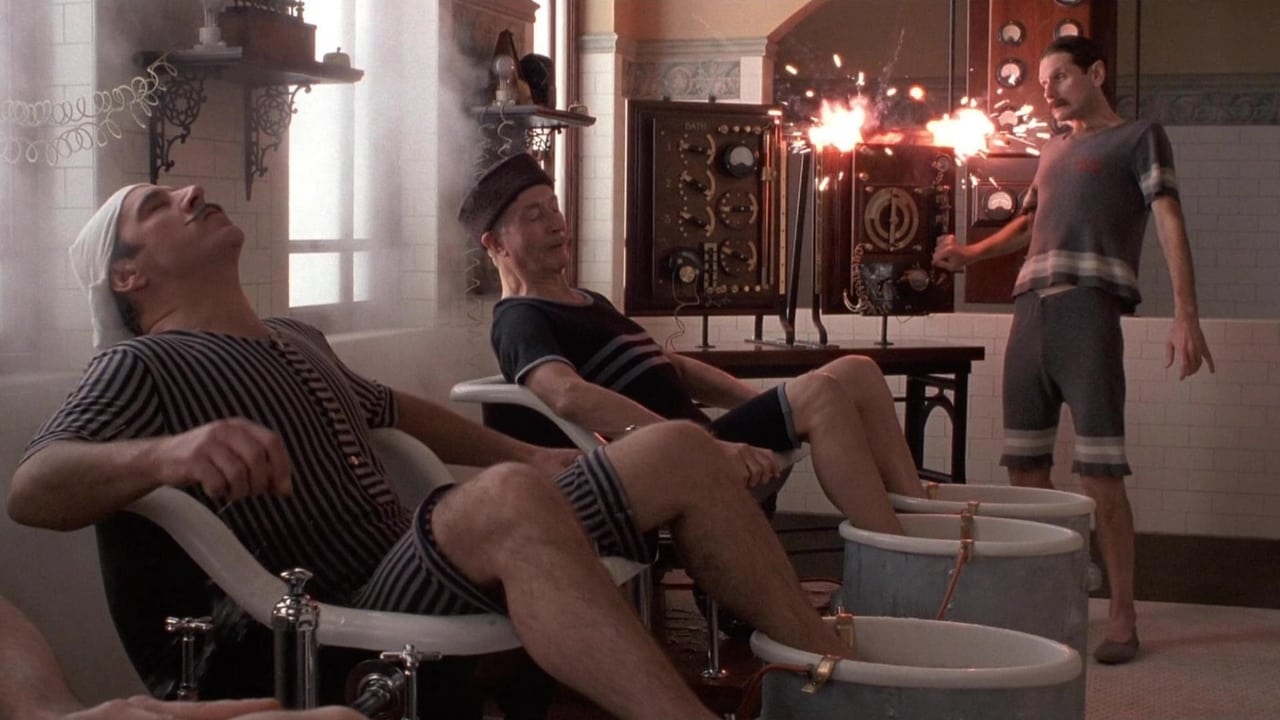
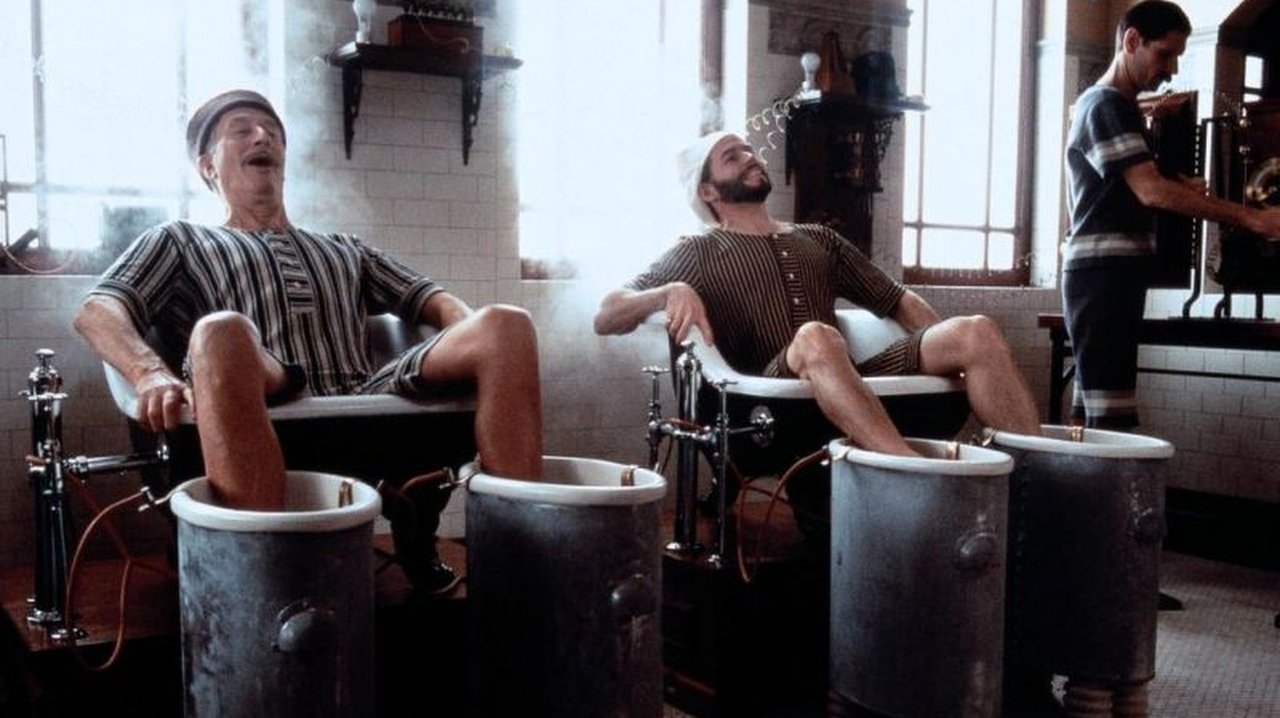
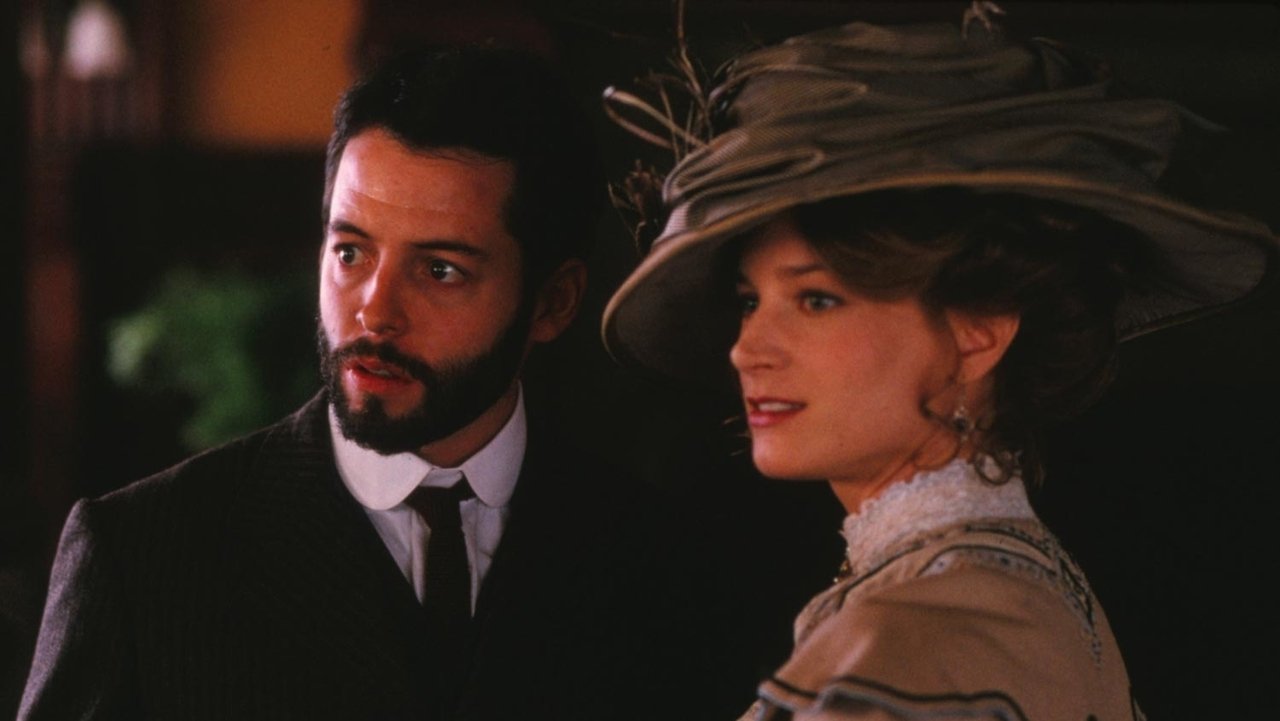
The setting is the famed Battle Creek Sanitarium in the early 20th century, a real place run by the very real, very eccentric Dr. John Harvey Kellogg (Hopkins). Forget cornflakes for a moment; the historical Kellogg was a whirlwind of bizarre health theories centered around biological living, bowel regularity, and the vigorous discouragement of anything resembling sexual pleasure. Into this temple of hydrotherapy, Fletcherism (chewing food to liquid), and enforced vegetarianism stumble Will and Eleanor Lightbody (Matthew Broderick and Bridget Fonda), a young couple seeking cures for their respective ailments – his stomach issues, her general malaise (likely fueled by marital dissatisfaction). Parker, also scripting, throws us headfirst into the San's regimented chaos, a world teeming with oddball patients, stern nurses, and Kellogg’s unwavering, almost maniacal, belief in his peculiar system.
A Performance of Glorious Oddity
Let’s be frank: the main reason to revisit The Road to Wellville on VHS (or any format, really) is Anthony Hopkins. His portrayal of Dr. Kellogg is a masterclass in committed absurdity. The aforementioned prosthetic teeth are just the start; Hopkins radiates a boundless, slightly terrifying energy, a P.T. Barnum of bodily health whose pronouncements on colonic hygiene are delivered with the same conviction he might lend Shakespeare. It's a performance that dances on the knife-edge of caricature but somehow feels grounded in the sheer force of Kellogg’s (and Hopkins’) conviction. You can practically see Hopkins relishing the chance to shed the darkness of Lecter for something so utterly, gleefully bizarre. Reportedly, Hopkins found the character's relentless optimism and peculiar worldview strangely infectious, diving headfirst into Kellogg's eccentricities. It’s a performance that seems to ask: after playing one of cinema's greatest monsters, what's stranger than playing a man convinced he could cure the world with yogurt and an electric horse?
Navigating the Frenzy
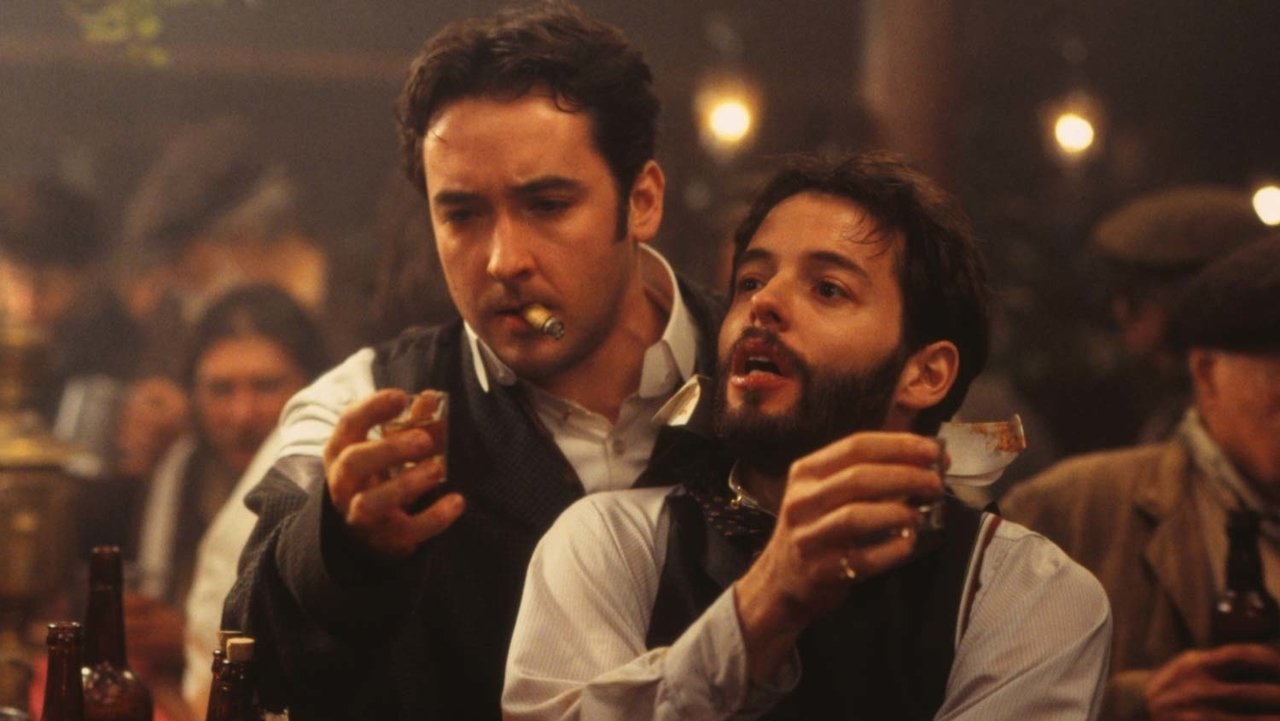
Surrounding Hopkins is a strong ensemble cast wrestling with the film's peculiar tone. Matthew Broderick, playing Will Lightbody, embodies the bewildered audience surrogate, his signature wide-eyed panic finding a perfect home amidst the San's enema tubes and vibrating chairs. Bridget Fonda, as Eleanor, finds herself increasingly drawn to the San’s promise of liberation, however strange its methods. Her journey offers some of the film's more nuanced moments, exploring the stifling social constraints placed on women of the era. Elsewhere, John Cusack appears as Charles Ossining, a hopeful entrepreneur trying to cash in on the burgeoning breakfast cereal craze, providing a necessary anchor to the world outside the San's walls. And then there’s Dana Carvey, utterly unhinged as Kellogg’s disgruntled, perpetually grimy adopted son George, chewing scenery (and possibly dirt) with reckless abandon. It's a testament to Parker's direction that these disparate performances mostly coexist, even if the overall effect feels like watching several different movies vying for screen time.
Parker's Ambitious, Uneven Brew
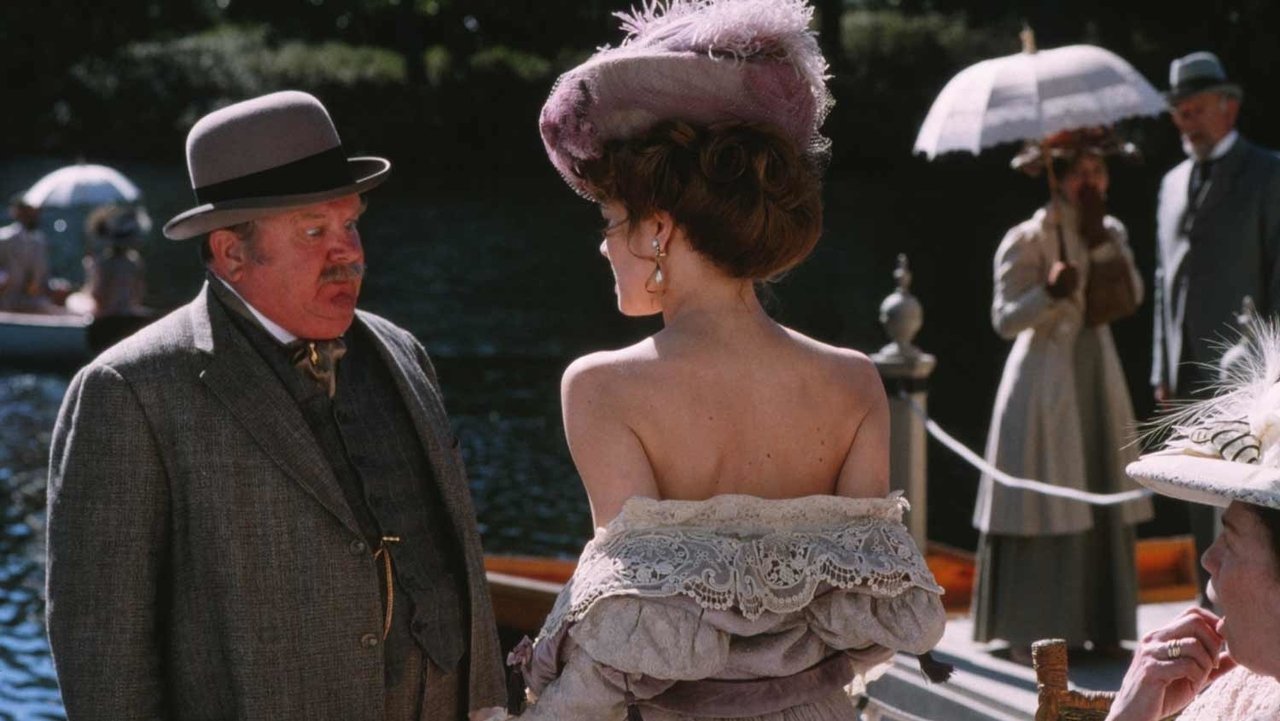
Visually, The Road to Wellville is often stunning. Alan Parker, ever the stylist, works with cinematographer Peter Biziou (who shot Mississippi Burning for him) to create a rich, detailed world. The recreation of the Battle Creek Sanitarium feels tangible, a bustling, slightly menacing health factory. Parker clearly embraces the source material's satirical potential, aiming barbs at America's nascent obsession with wellness culture, sexual hypocrisy, and the often-thin line between health guru and huckster. Some of the production trivia is fascinating – the film boasted enormous, intricate sets built to capture the scale of Kellogg's operation, a significant investment for its $25 million budget (around $52 million today). Unfortunately, this ambition didn't translate to box office success, with the film grossing a mere $6.6 million (about $13.7 million today), becoming a notable commercial flop.
The core issue, perhaps, lies in the film's tonal tightrope walk. Parker juggles broad physical comedy (enema mishaps, anyone?), sharp satire, moments of genuine human pathos, and even elements of historical drama. It’s a bold mix, but one that doesn’t always blend smoothly. The shifts can be jarring, leaving the viewer unsure whether to laugh, cringe, or ponder the societal critiques. Is it a critique of health fads, or is it just enjoying the scatological humor a bit too much? The film never quite decides, resulting in an experience that's consistently interesting but rarely cohesive. Doesn't this struggle to balance satire and sincerity mirror some of our own contemporary debates about wellness and its often-commercialized nature?
A Curious Video Store Relic
I distinctly remember seeing the Wellville VHS box art in my local rental store – Hopkins’ toothy grin beaming out, promising… something unusual. It was the kind of tape you might rent out of sheer curiosity, drawn by the star power but unsure what exactly you were getting into. Watching it again now evokes that same feeling – a sense of discovering a strange, ambitious artifact from a time when major studios occasionally threw money at genuinely oddball projects. It’s a film that feels like a product of the 90s indie boom bleeding into the mainstream, even with its A-list cast and director.
Rating: 6/10
The Road to Wellville earns its score through sheer audacity, a phenomenal central performance from Hopkins, and its gorgeous production design. It’s visually rich and tackles fascinating themes with gusto. However, its tonal inconsistencies, uneven pacing, and struggle to fully blend its comedic and dramatic elements prevent it from reaching the heights of Parker's best work. It’s a fascinating failure, or perhaps a misunderstood curio – ambitious, memorable, deeply weird, but ultimately less than the sum of its peculiar parts.
It remains a testament to a time when a major director and star could collaborate on something so delightfully strange, a cinematic health farm you might not want to check into permanently, but one that’s certainly worth a curious visit, especially if you appreciate cinematic eccentricity. What lingers most isn't necessarily the plot, but the bizarre images and the baffling, bold energy of it all.