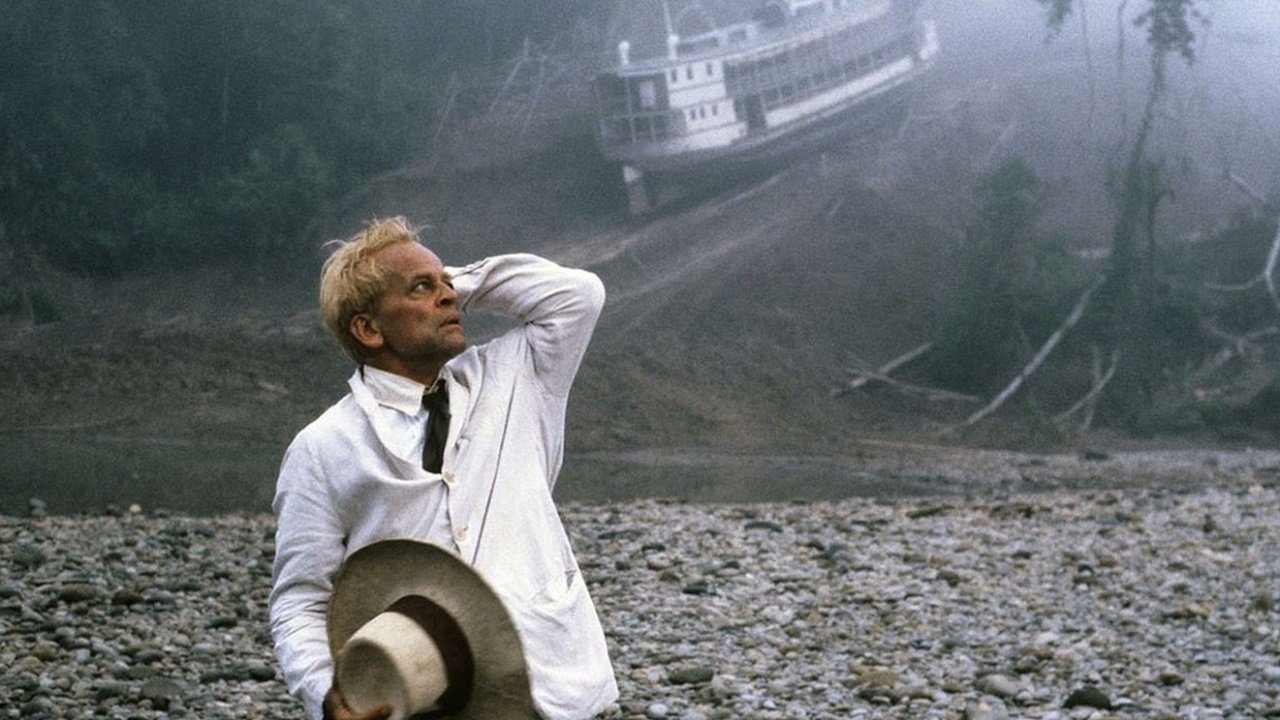
There are images in cinema that lodge themselves in your mind, defying logic and expectation. One such image, perhaps unparalleled in its sheer, stubborn reality, is that of a 320-ton steamship being hauled up a muddy incline, deep within the suffocating embrace of the Amazon rainforest. This isn't trick photography or a miniature model from a bygone era; it's the tangible heart of Werner Herzog's 1982 masterpiece of obsession, Fitzcarraldo. Watching it unfold, even now on a screen far removed from the sticky plastic clamshell of a well-worn VHS tape, still evokes a sense of bewildered awe. How? And perhaps more crucially, why?

A Dream Against the Jungle
The 'why' belongs to Brian Sweeney Fitzgerald, an Irishman in early 20th-century Peru who rechristens himself "Fitzcarraldo." Played with a signature, barely contained mania by the legendary and notoriously volatile Klaus Kinski, Fitzcarraldo is a man consumed by a singular, magnificent dream: to build an opera house in the heart of the jungle, specifically to host the great tenor Caruso. He's an opera fanatic, a dreamer whose ambitions vastly outreach his grasp, a familiar Herzogian archetype wrestling against an indifferent, overwhelming nature. His plan to fund this venture involves accessing a remote, rubber-rich territory cut off by impassable rapids – a feat achievable only by dragging his large riverboat, the Molly Aida, overland between two parallel rivers. It sounds utterly insane, because it is.
The Unmistakable Glare of Kinski
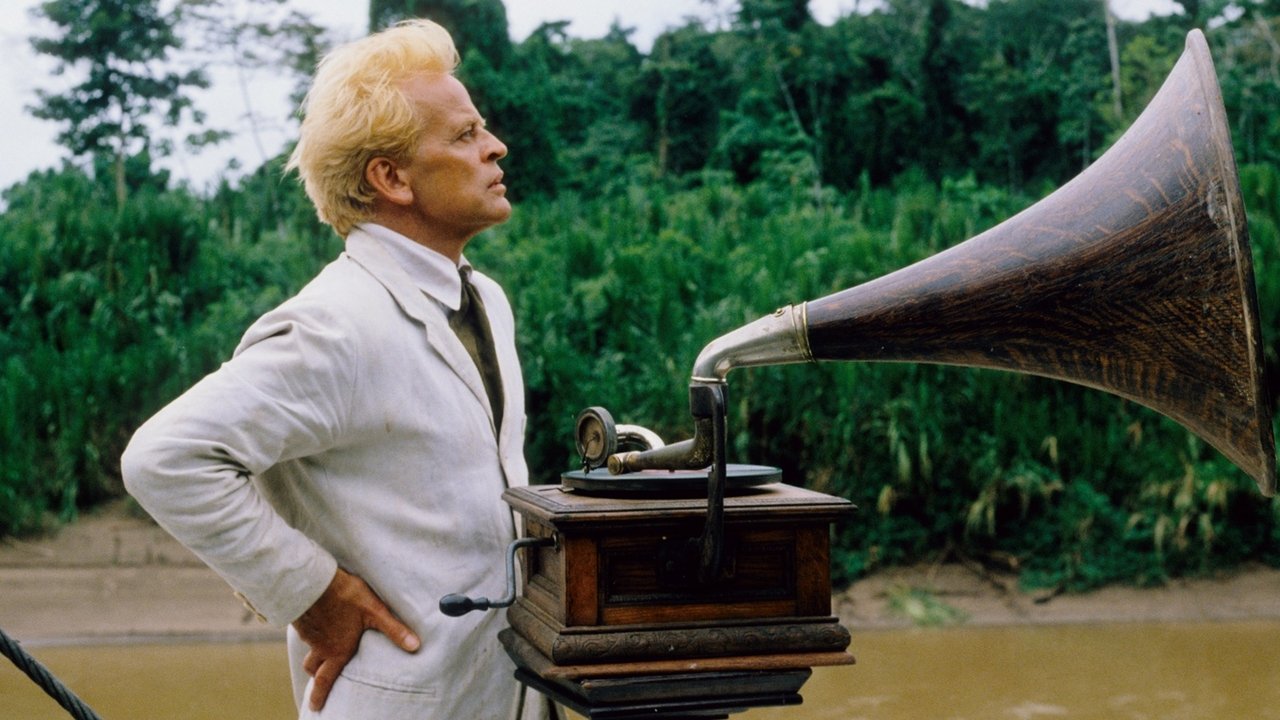
You simply cannot discuss Fitzcarraldo without confronting the hurricane force of Klaus Kinski. This was his fourth collaboration with Herzog, following landmark films like Aguirre, the Wrath of God (1972), and their relationship was famously fraught, bordering on mythic conflict. Yet, that very tension fuels the screen. Kinski doesn’t just play Fitzcarraldo; he inhabits his monomania. His wild eyes, the unsettling blend of charm and menace, the moments where his frustration seems ready to physically tear the screen apart – it all feels terrifyingly authentic. He embodies the thin line between visionary genius and destructive madness. Supporting players like the ever-luminous Claudia Cardinale as Molly, Fitzcarraldo’s supportive madam lover, provide a necessary grounding presence, a flicker of pragmatism against his operatic fantasies.
The Madness Behind the Method
Here’s where the film transcends fiction and becomes legend. Herzog, mirroring his protagonist's obsessive drive, insisted on performing the feat for real. Yes, they actually hauled that massive steamship up that hill using indigenous extras, rudimentary tools, and a complex, precarious system of pulleys designed by Herzog himself. The sheer logistical nightmare and physical danger are documented in Les Blank’s astonishing making-of documentary, Burden of Dreams (1982), itself a must-watch companion piece. The production was plagued by disasters: plane crashes, injuries, crew disputes, political tensions with the Peruvian government, and conflicts between rival indigenous groups hired as labourers. Original star Jason Robards fell ill and had to leave (taking Mick Jagger, cast in a supporting role, with him), forcing Herzog to recast Kinski and start over months into shooting.
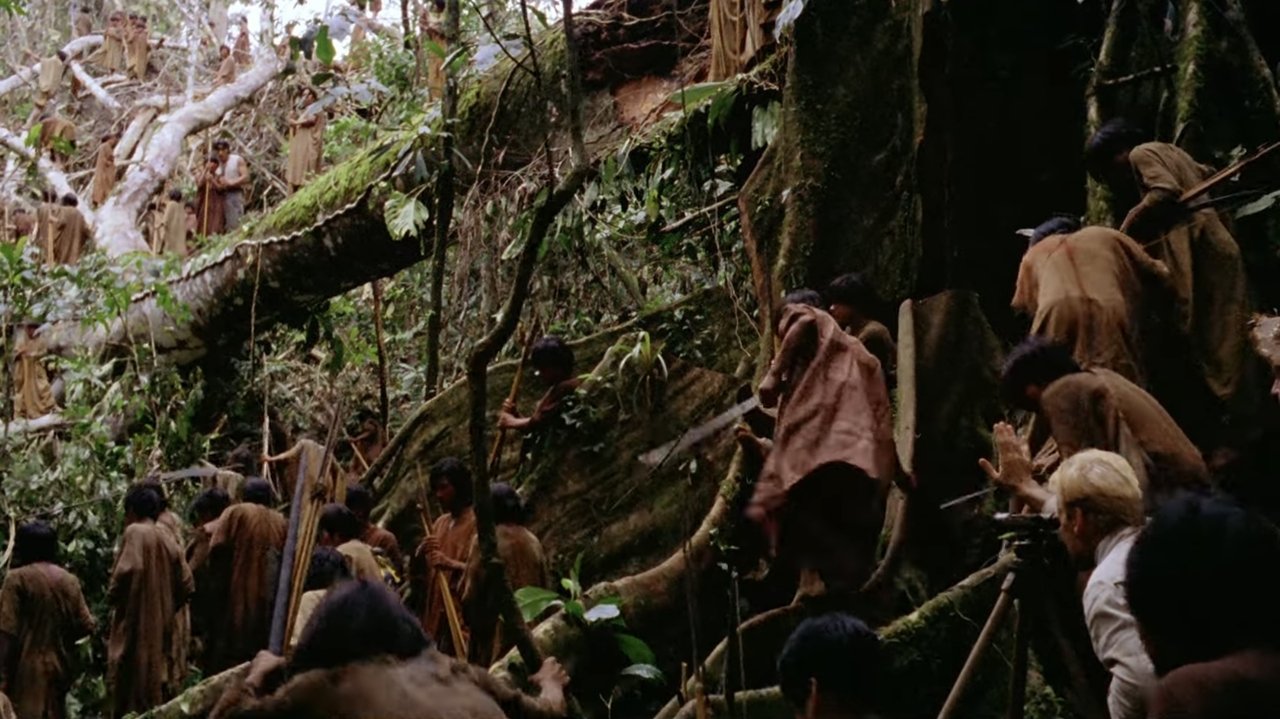
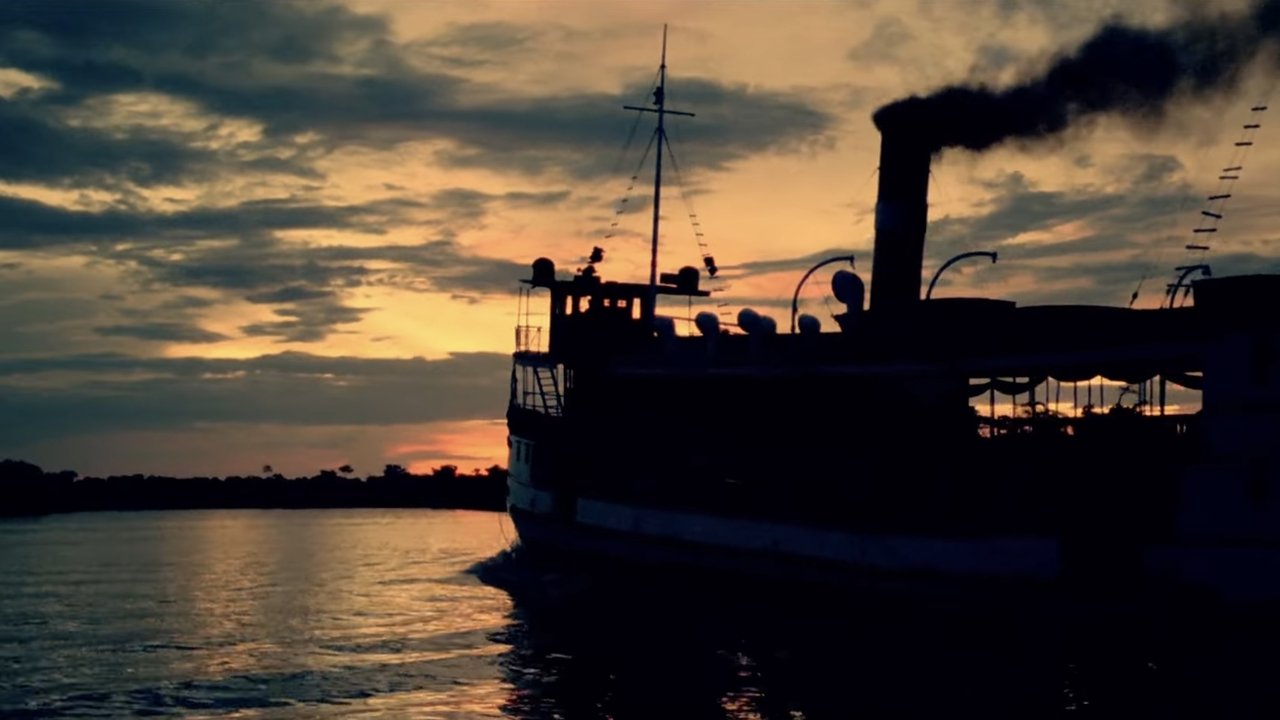
Knowing this backstory doesn't diminish the film; it deepens its resonance. The sweat, the strain, the palpable danger you see on screen isn't just acting – it's the reflection of an artistic endeavor pushed to the very limits of human endurance and perhaps ethical reason. It cost roughly $5-6 million, a significant sum then, especially considering the immense practical difficulties, but it stands as a testament to a type of filmmaking – ambitious, perilous, stubbornly analogue – that feels increasingly rare. Did you know the first attempt to pull the ship failed catastrophically, with the vessel slipping back and injuring several people? Herzog pressed on. It’s this near-unbelievable commitment that burns itself onto the celluloid.
Nature's Indifferent Majesty
Beyond the central spectacle, Fitzcarraldo is a film steeped in atmosphere. Herzog captures the overwhelming power and profound indifference of the Amazon. The jungle isn't merely a backdrop; it's an active character – beautiful, suffocating, ancient, and utterly unmoved by human ambition. The scenes aboard the Molly Aida, drifting through misty waterways, accompanied by the ethereal strains of opera recordings Fitzcarraldo plays to "tame" the jungle, possess a haunting, dreamlike quality. The film doesn't shy away from the colonial context either, depicting the complex, often exploitative relationship between the European entrepreneur and the indigenous people whose labour he requires, though Herzog's portrayal sometimes walks a fine line.
An Unforgettable, Unwieldy Masterpiece
Is Fitzcarraldo a perfect film? Perhaps not. Its pacing can feel deliberate, almost languorous at times, mirroring the slow, arduous journey it depicts. The sheer weight of the production's troubled history inevitably colours the viewing experience, raising questions about the cost of artistic vision. Yet, its power is undeniable. It confronts us with the terrifying beauty of obsession, the absurdity of human ambition against the scale of nature, and the strange ways dreams can curdle into delusion or, just maybe, achieve a flawed, fleeting grandeur. What lingers most is the audacity – of Fitzcarraldo, of Kinski, and most definitely of Herzog.
Rating: 9/10
This score reflects the film's monumental ambition, its unforgettable central performance, its stunning (and terrifyingly real) practical spectacle, and its profound thematic resonance. It's a demanding, sometimes uncomfortable watch, deeply tied to its controversial production, but its sheer cinematic force and unique place in film history are undeniable. Fitzcarraldo isn't just a movie you watch; it's an experience you grapple with, a testament to a time when filmmakers dared to wrestle behemoths, both literal and metaphorical, onto the screen. It remains a towering, flawed, and utterly essential piece of 80s cinema, a true fever dream captured on film.