There's a certain kind of smile – mischievous, knowing, utterly magnetic – that Gary Oldman conjures as playwright Joe Orton in Prick Up Your Ears. It’s the smile of someone who delights in poking propriety with a sharp stick, a grin that promises both dazzling wit and potential chaos. Yet, beneath the bravado, Stephen Frears’ 1987 biographical drama pulses with an unsettling tension, a creeping shadow that reminds us how swiftly brilliance can curdle into tragedy. This isn't a comforting trip down memory lane; it’s a sharp, intelligent, and deeply human exploration of a partnership forged in creativity and ultimately destroyed by it.
Two Sides of a Tarnished Coin
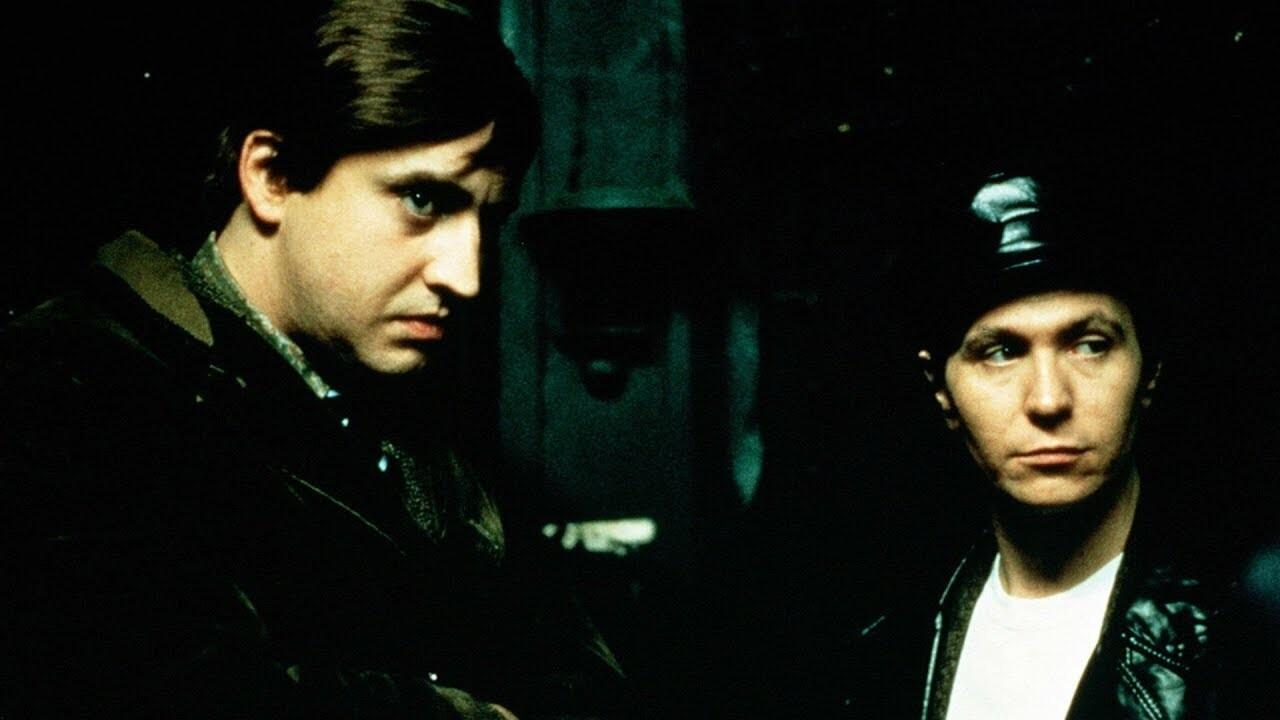
At its heart, Prick Up Your Ears dissects the volatile relationship between Joe Orton and Kenneth Halliwell. Orton, the working-class lad turned theatrical wunderkind, whose scandalous farces like Loot and What the Butler Saw shocked and thrilled 1960s London. Halliwell, played with heartbreaking insecurity by Alfred Molina, was Orton’s elder mentor, lover, and collaborator, increasingly eclipsed by Joe's meteoric rise. The narrative, cleverly adapted by playwright Alan Bennett from John Lahr’s biography, unfolds largely through flashbacks, framed by conversations between Orton's agent, Peggy Ramsay (Vanessa Redgrave, radiating pragmatic warmth), and Lahr himself (played by Wallace Shawn), as they piece together the story after the horrific final act.
This structure allows Frears, hot off the success of My Beautiful Laundrette (1985), to navigate the tricky tonal shifts. We witness Orton's cheeky triumphs – the defaced library books that landed him and Halliwell in prison (a bizarrely formative experience), the audacious sexual escapades, the electric thrill of opening nights. But intertwined with this is the mounting desperation of Halliwell, his intellectual pride wounded, his contribution ignored, his possessiveness festering into something dangerous.
A Masterclass in Dueling Performances
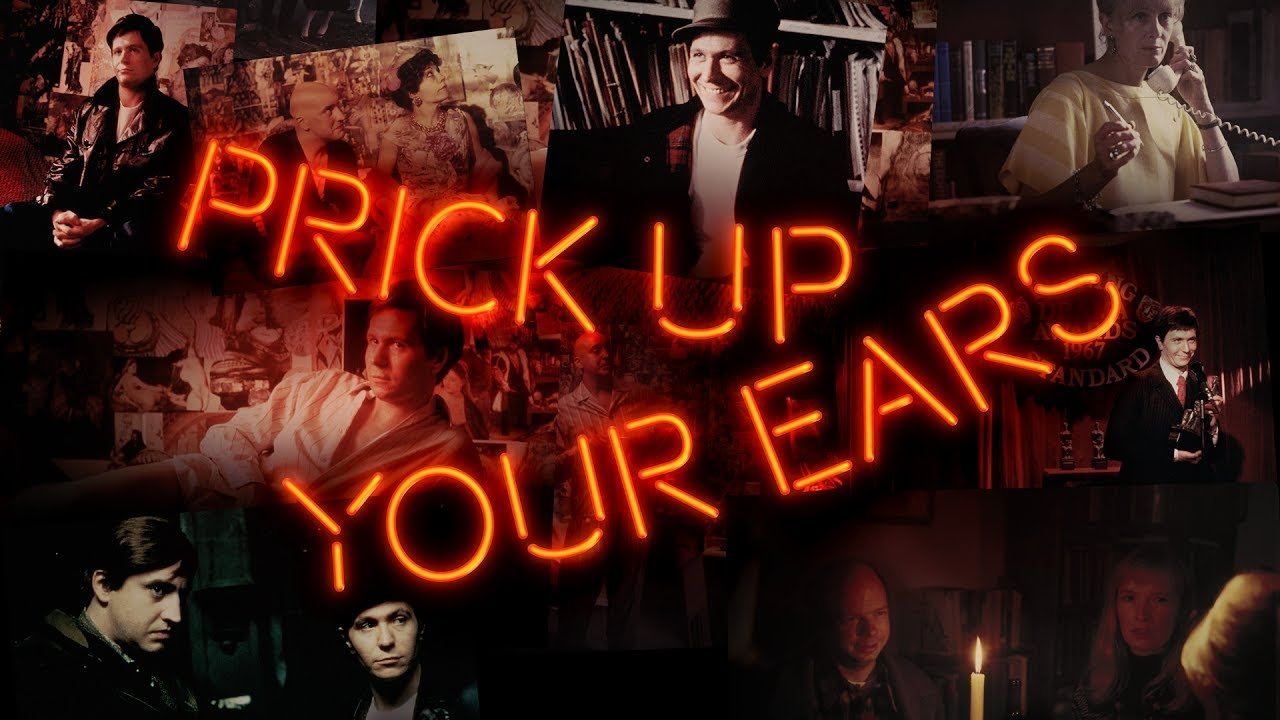
The film utterly hinges on its two leads, and both are extraordinary. This was a defining early role for Gary Oldman, showcasing the electrifying charisma and chameleon-like intensity that would mark his career. He doesn’t just mimic Orton; he embodies his anarchic spirit, that blend of charm and calculated provocation. You understand instantly why people were drawn to him, even as you glimpse the casual cruelty he could inflict, particularly on Halliwell. It’s a performance crackling with life, making the inevitable end feel all the more shocking.
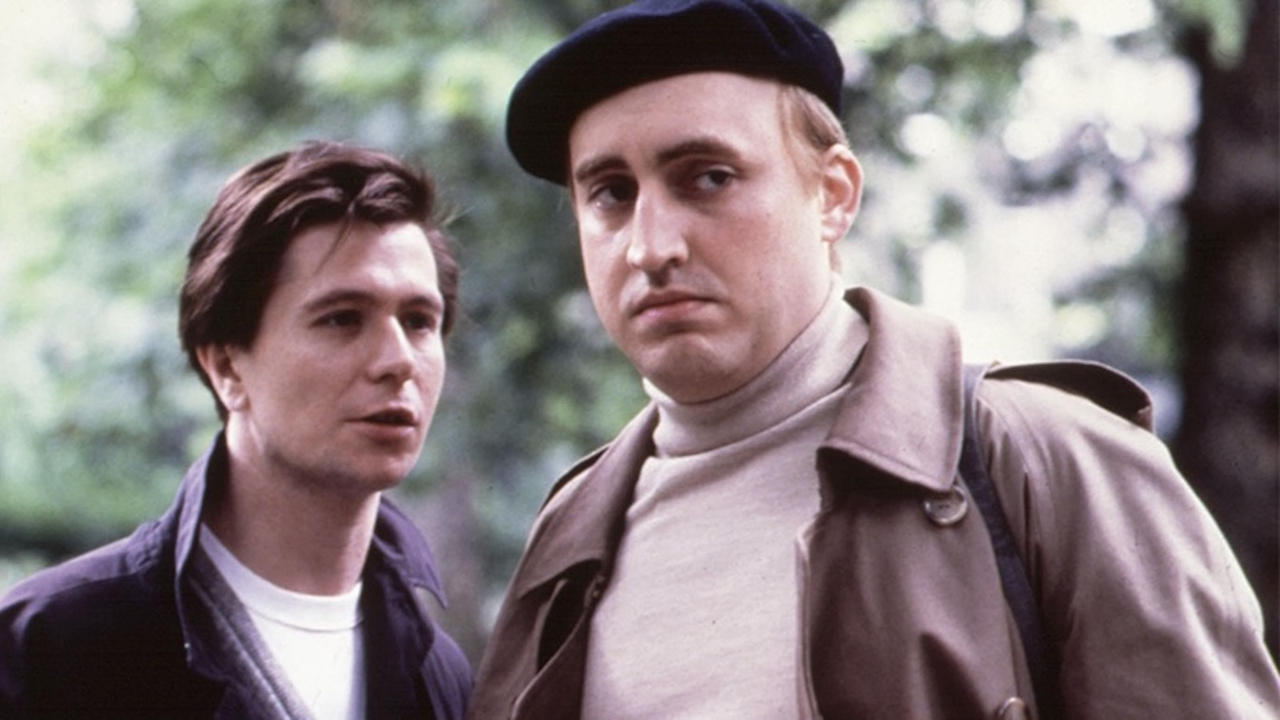
Equally compelling is Alfred Molina as Halliwell. It would be easy to paint him as merely the jealous, less talented partner, but Molina finds layers of pathos and wounded intelligence. His Halliwell is cultured, fragile, and suffocatingly needy. Molina masterfully conveys the slow erosion of his self-worth, the way his love curdles into resentment. The moments where his quiet despair surfaces are truly chilling, hinting at the violence simmering beneath. Their scenes together are a mesmerizing dance of dependence, rivalry, love, and simmering hatred – a relationship too complex for easy labels. It’s a testament to both actors that we feel the tragedy not just of Orton’s extinguished talent, but of Halliwell’s profound psychological unravelling.
Crafting a Portrait, Warts and All
Stephen Frears directs with a clear-eyed precision, capturing the specific atmosphere of 1960s London – from cramped bedsits to theatrical dressing rooms, cruising spots to North African holidays – without romanticizing it. Alan Bennett's script is a marvel of economy and wit, retaining Orton's distinctive voice while deftly weaving in the darker psychological currents from Lahr's book. Bennett himself knew Orton slightly, adding another layer of authenticity. Reportedly, Bennett felt a particular kinship with Halliwell, understanding the anxieties of the overshadowed collaborator, which perhaps informs the script's nuanced portrayal.
The film doesn't shy away from the seedier aspects or the bleakness of the conclusion. It presents Orton's promiscuity frankly, a crucial part of his identity and rebellion, but also a source of friction with the more possessive Halliwell. The violence, when it comes, is brutal and abrupt, mirroring the shocking reality of the events in August 1967. There’s no attempt to soften the blow or offer easy explanations.
Retro Fun Facts: Behind the Curtain
- This film cemented Gary Oldman's reputation as a powerhouse actor, though Sid and Nancy (where he played Sid Vicious) actually hit US screens slightly earlier in 1986, creating a one-two punch of unforgettable transformations.
- The library book defacement wasn't just a quirky detail; Orton and Halliwell genuinely served six months in prison for mischievously altering covers and blurbs of Islington Library books – an act of anti-establishment art that deeply informed Orton's later writing. Some of their handiwork is now considered valuable!
- Alan Bennett won Best Artistic Contribution at the 1987 Cannes Film Festival for his screenplay, highlighting the strength of his adaptation.
- Despite critical acclaim, the film was only a modest box office performer (around $3.6 million in the US against a $2.9 million budget), perhaps due to its challenging subject matter and refusal to conform to typical biopic tropes. It found a dedicated following on VHS, becoming something of a cult British drama favourite.
Enduring Questions
Prick Up Your Ears isn't always an easy watch. It forces us to confront uncomfortable truths about the toxic side of ambition, the consuming nature of jealousy, and the destructive potential within intense relationships. What is the responsibility of the artist to those who support them? How does society handle (or mishandle) genius when it's coupled with provocative behaviour? Watching it again now, decades after first catching it on a worn-out rental tape, its power hasn't diminished. The questions it raises about creativity, sexuality, class, and the dark side of human connection feel remarkably potent.
It avoids sensationalism, opting instead for a sharp, compassionate, and ultimately devastating portrait of two intertwined lives. The performances remain benchmarks, capturing lightning in a bottle – the dazzling flash of Orton's talent and the gathering storm of Halliwell's despair.
Rating: 9/10
This rating reflects the exceptional lead performances, the intelligent and nuanced script by Alan Bennett, and Stephen Frears’ confident direction. It's a near-perfect biographical drama that tackles difficult material with honesty and artistry, avoiding easy answers. It’s a film that lingers, prompting reflection on the complex interplay of love, ambition, and destruction long after the VCR has whirred to a stop. A vital piece of 80s British cinema that still demands attention.