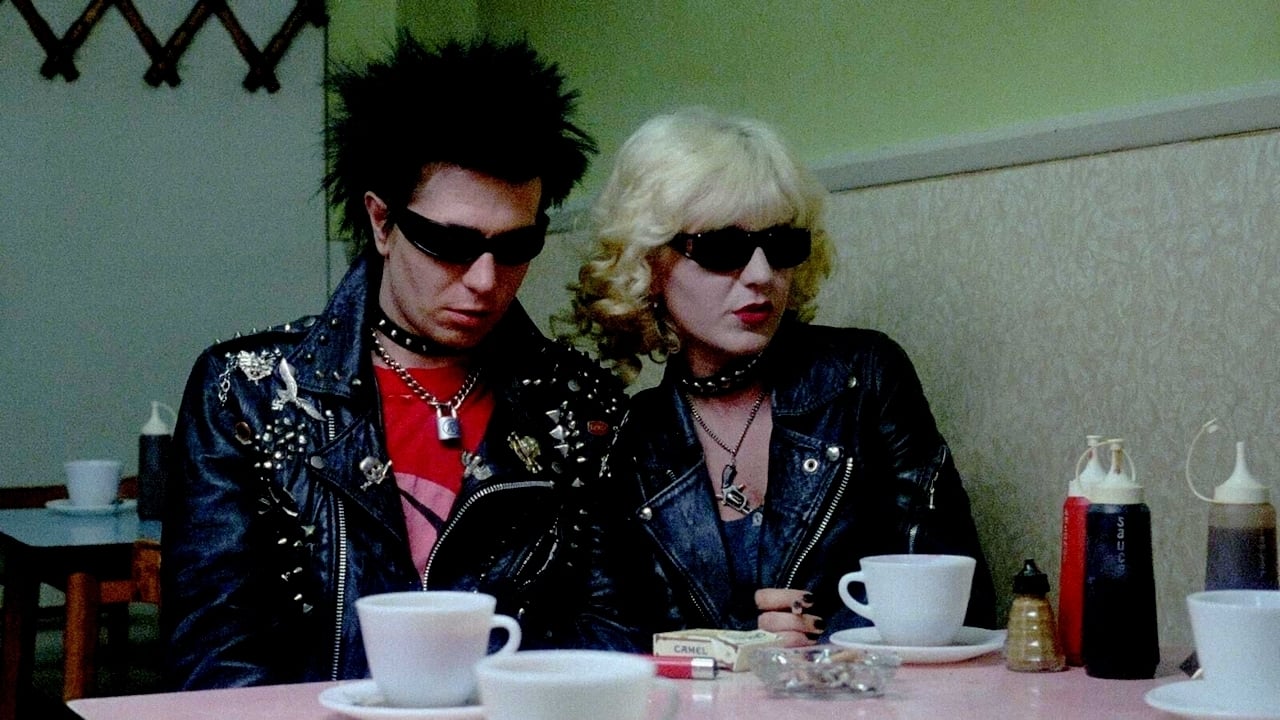
It begins not with a bang, but with a whimper, almost – the flickering image of Sid Vicious, played with terrifying commitment by a then relatively unknown Gary Oldman, being questioned by police after Nancy Spungen's death. Right from these opening moments in Alex Cox's Sid and Nancy (1986), there’s a sense of grim finality hanging heavy in the air. This isn't going to be a celebratory romp through punk history; it’s a dive headfirst into the abyss of co-dependency, addiction, and the messy, tragic implosion of two lives lived perpetually on the edge. Watching it again, decades after first sliding that worn VHS copy into the machine, the film still possesses a raw, unsettling power.
A Love Story, Soaked in Filth and Fury
At its core, Sid and Nancy attempts to chronicle the destructive relationship between Sex Pistols bassist Sid Vicious and his American girlfriend, Nancy Spungen (Chloe Webb). Cox, who had already captured a certain anarchic spirit with Repo Man (1984), doesn’t shy away from the ugliness. The film drags us through the squalor of punk squats, the chaotic energy of poorly attended gigs, and the suffocating intimacy of the couple’s shared heroin addiction. Is it a love story? In the most fractured, desperate sense, perhaps. Cox presents their bond as an "us against the world" pact, fueled by drugs and a mutual incomprehension by everyone around them, but it’s a love defined almost entirely by shared oblivion.
What remains staggering, even now, is the physical and emotional transformation Gary Oldman undergoes. This wasn't just acting; it felt like possession. Shedding a dangerous amount of weight (leading to a brief, rumoured hospitalisation), Oldman doesn't just mimic Sid's look or sneer; he embodies the character's chaotic mix of bewildered vulnerability and sudden, unpredictable rage. It’s a performance of such ferocious intensity that it arguably launched his international career. Watching him flail and gurn on stage, or slump into a drug-induced stupor, you forget you're watching an actor. It felt revolutionary back then, a performance that burned itself onto your retinas via the CRT glow.
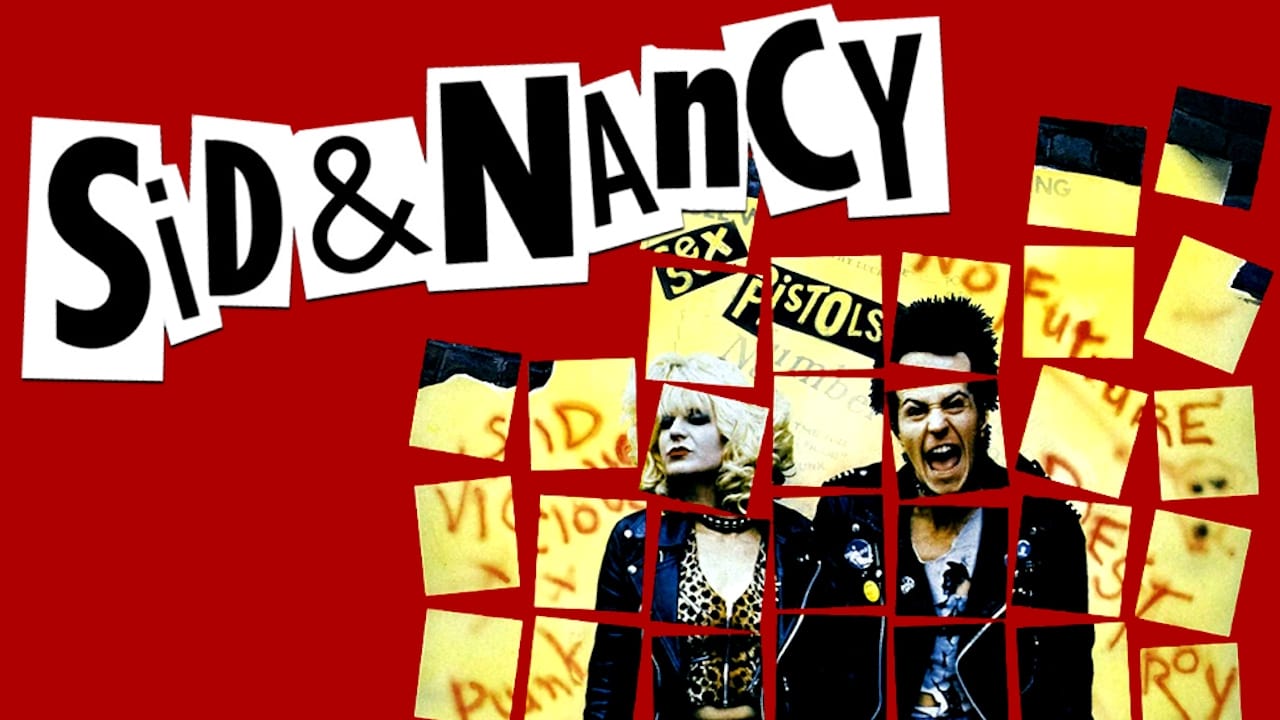
Equally challenging, though perhaps less immediately heralded, is Chloe Webb's portrayal of Nancy. She captures Spungen’s grating, abrasive personality, her desperate neediness, and the underlying fragility beneath the noise. It's not an easy performance to like – Nancy, as depicted here, is often profoundly irritating – but Webb makes her tragically human. It’s a testament to her skill that, amidst the chaos, moments of genuine pathos emerge.
Punk Authenticity and Creative License
The film walks a tightrope between biopic and stylized drama. Cox, working with co-writer Abbe Wool, captures the visual aesthetic of the punk era – the ripped clothes, the safety pins, the grimy London streets – but takes liberties with historical fact. This wasn't lost on contemporaries; famously, Sex Pistols frontman John Lydon (Johnny Rotten) detested the film, particularly its portrayal of Sid and the alleged romanticization of their self-destruction. He felt it missed the humour and the genuine camaraderie (however strained) within the band. One particularly juicy bit of trivia often shared amongst fans is that a young Courtney Love actually auditioned for the role of Nancy – a fascinating "what if" given her own later rock-and-roll trajectory.
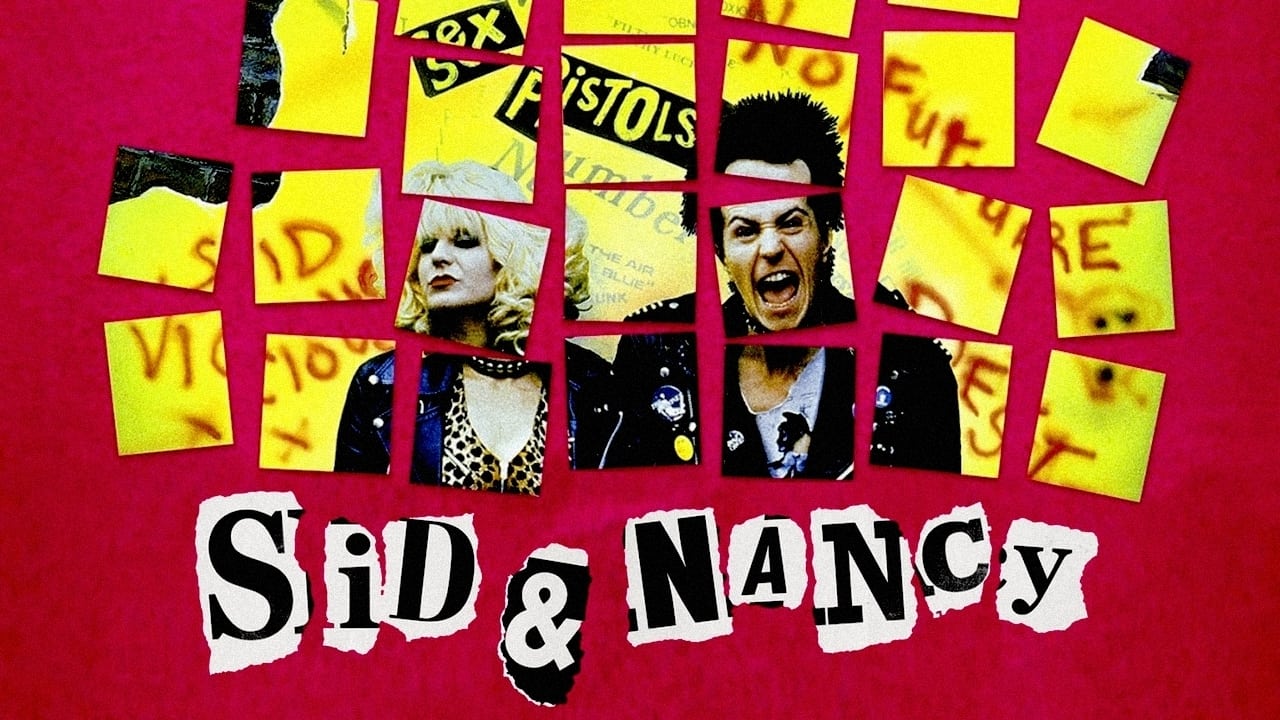
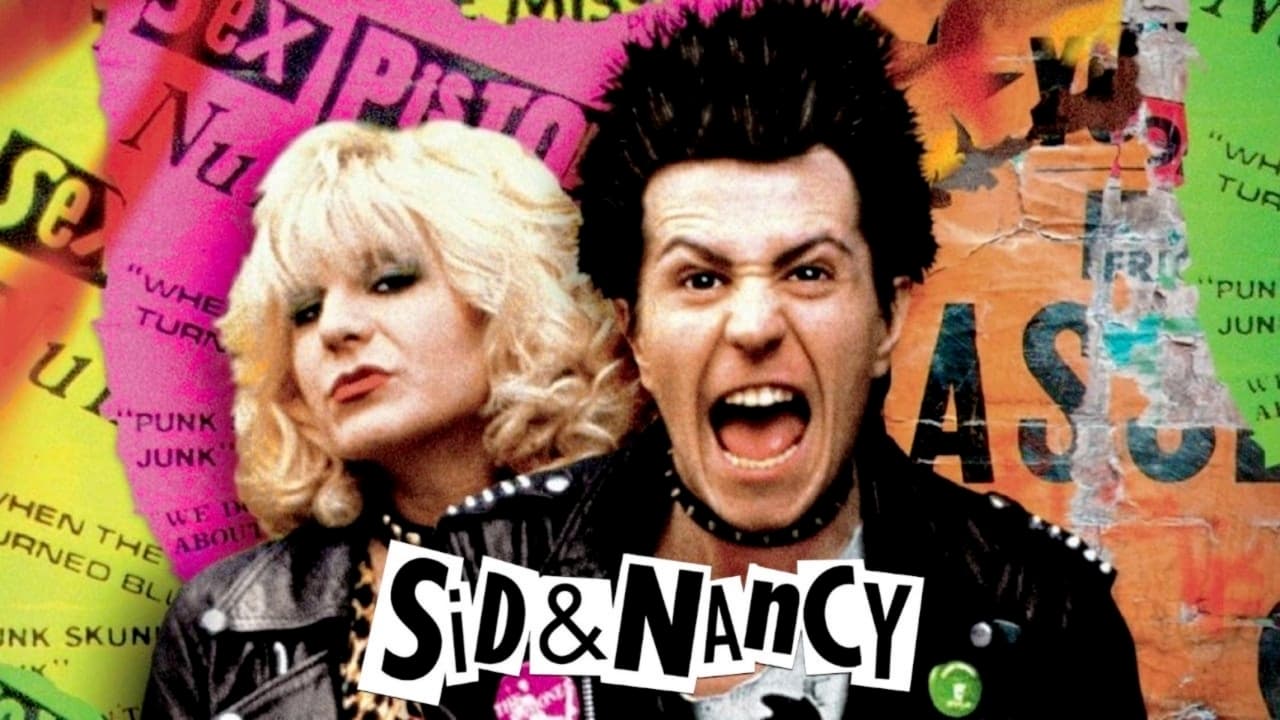
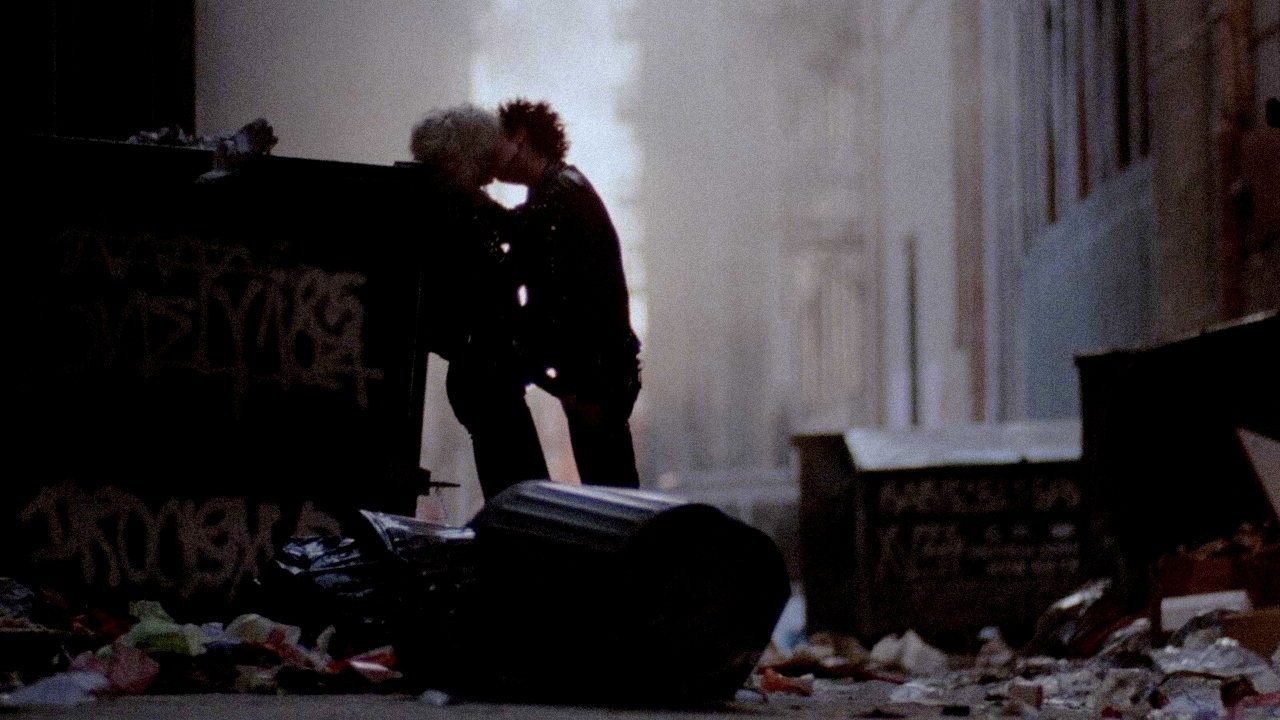
Cox himself reportedly wasn't a huge Pistols fan initially but became fascinated by the doomed romance aspect. He aimed less for strict documentary accuracy and more for capturing the feeling – the nihilism, the desperation, the strange beauty amidst the decay. This is evident in certain sequences, like the dreamlike scene where Sid and Nancy kiss amidst falling garbage in a New York alleyway, scored beautifully, a moment of grubby lyricism that transcends the grim reality. The film's score, featuring contributions from Joe Strummer and The Pogues, adds another layer of rough-edged poetry. Shot on a relatively modest budget of around $4 million, Cox uses the constraints effectively, leaning into the gritty realism of locations in London, Paris, and the infamous Chelsea Hotel in New York.
More Than Just Punk Rock Nostalgia
Revisiting Sid and Nancy isn't like popping in a feel-good 80s comedy. It doesn't offer easy answers or simple nostalgia. It's a demanding watch, a portrait of addiction that feels depressingly relevant even today. What lingers isn't just the music or the fashion, but the raw, exposed nerve of Oldman's performance and the pervasive sense of waste. It forces you to confront the grim reality behind the punk rock mythos – the loneliness, the exploitation, the devastating human cost of living fast and dying young.
Does the film romanticize them? Perhaps unintentionally. The sheer energy of the performances and the focus on their intense, albeit toxic, bond can sometimes overshadow the bleakness. Yet, the ending offers no redemption, only ambiguity and sorrow. It’s a film that stays with you, gnawing at the edges of your comfort long after the credits (and the VCR) have stopped rolling. I remember renting this from the local video store, feeling like I was accessing something forbidden, something dangerous and true about the dark side of rock and roll.
Rating: 8/10
This score reflects the film's undeniable power, driven primarily by Gary Oldman's landmark performance and Alex Cox's unflinching direction. It captures a specific, volatile energy with visceral impact. While historical accuracy debates persist and the subject matter is relentlessly grim, its status as a cult classic is cemented by its raw honesty and the unforgettable portrayals at its heart. It’s not a comfortable watch, but it’s a compelling and haunting piece of 80s cinema that dared to look into the abyss.