The salt spray seems to cling to the screen, doesn't it? There's a peculiar damp chill that emanates from certain films, a sense of inescapable isolation that sinks into your bones long after the VCR clicks off. Stanislav Govorukhin's 1987 Soviet adaptation of Agatha Christie's masterpiece, Desyat Negrityat (often known internationally, and sometimes controversially titled, as Ten Little Indians), is precisely that kind of film. Forget the sanitized Hollywood endings you might remember from other versions; this one plunges you headfirst into the icy waters of Christie's original, nihilistic vision, and holds you under.
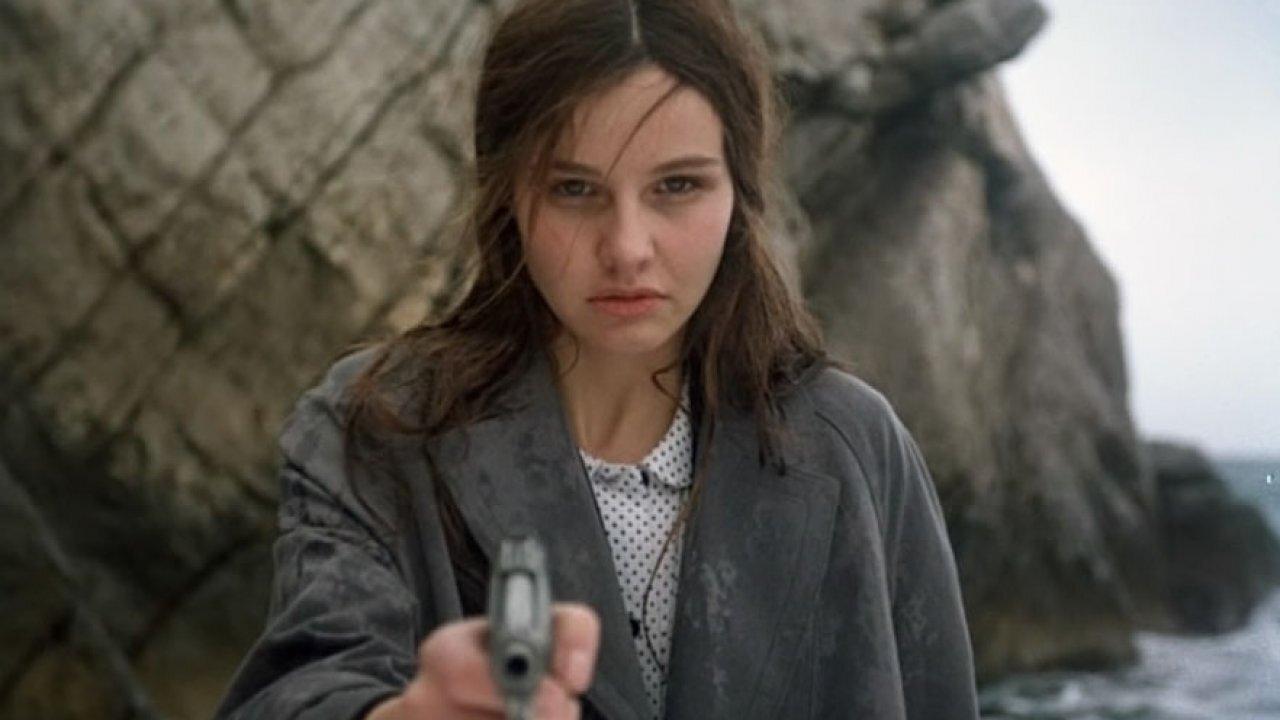
Island of Lost Souls
The setup is classic Christie, deceptively simple yet ripe with potential for paranoia. Ten strangers, each harboring a guilty secret, are lured to a remote, storm-lashed island mansion by an unseen host known only as "U.N. Owen." A recorded message plays, accusing each guest of a past crime that escaped legal justice. Then, the nursery rhyme begins. One by one, matching the verses of the fateful "Ten Little Indians" poem displayed prominently, the guests meet grim, methodical ends. The genius lies not just in the mystery of who the killer is, but in the suffocating certainty that it must be one of them. Govorukhin, who also adapted the screenplay, leans heavily into this claustrophobia. The opulent yet decaying mansion feels less like a refuge and more like an elaborate tomb, its shadows stretching long and deep under the ominous, ever-present storm clouds. You can almost smell the damp stone and taste the fear thickening the air.
Faithful to the Bitter End
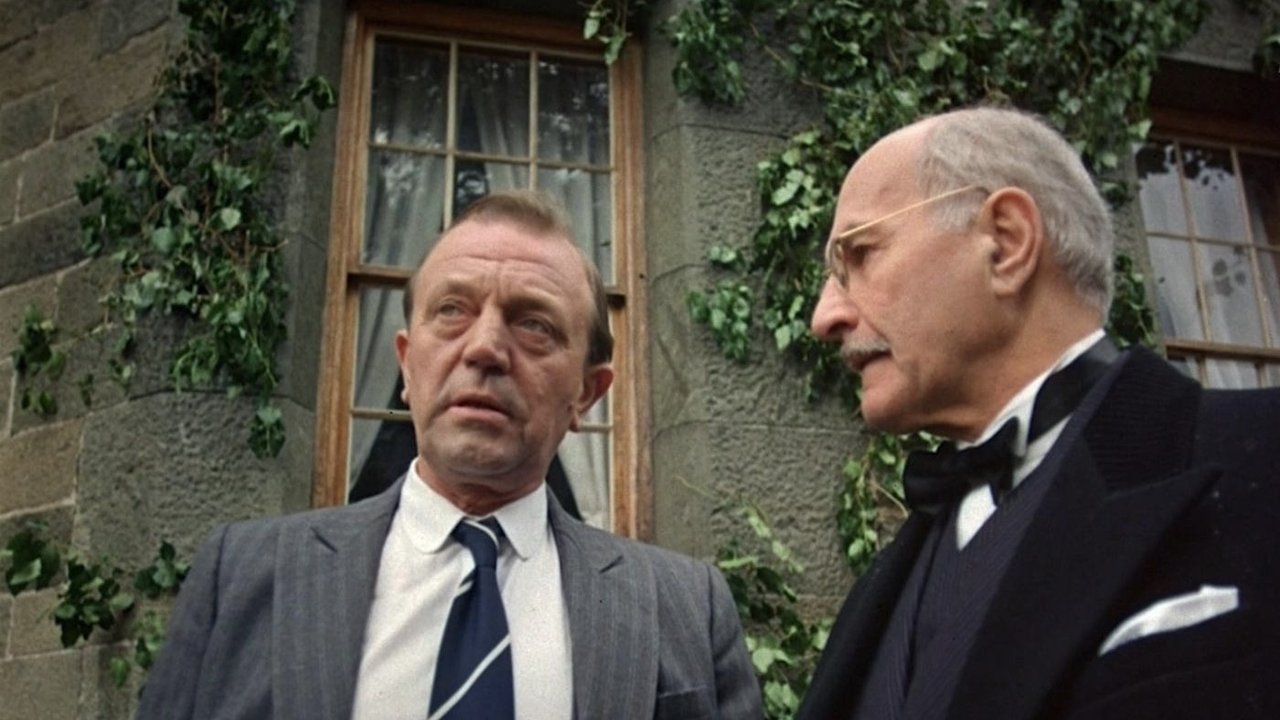
What truly sets this Soviet adaptation apart, especially for those of us who wore out tapes of the various Western versions, is its unflinching refusal to compromise on the source material's bleakness. While René Clair's 1945 classic or the glossier 70s version offered revised, often happier conclusions, Govorukhin delivers the gut punch Christie intended. Spoiler Alert! There's no last-minute reprieve, no romantic pairing sailing off into the sunrise. This is nihilism served cold, a stark meditation on guilt, justice, and the darkness lurking within seemingly ordinary people. Watching it back in the day, perhaps on a less-than-perfect dupe tape, felt like uncovering a forbidden text, a version far more disturbing than the ones readily available at the local Blockbuster. It’s fascinating to consider this film emerged from the Soviet Union, a system often associated with censorship, yet delivered arguably the most psychologically brutal and faithful adaptation of Christie’s notoriously dark novel.
Faces in the Shadow
The ensemble cast, including veterans like Vladimir Zeldin as the Judge and the striking Tatyana Drubich as Vera Claythorne, alongside the intense Alexander Kaidanovsky (known to arthouse fans for Tarkovsky's Stalker) as Philip Lombard, embodies the growing terror and suspicion masterfully. There's a distinct lack of Hollywood glamour here; these feel like real, flawed individuals cracking under unimaginable pressure. Their performances often have a theatrical intensity, fitting for the stage origins of Christie's work, but it translates effectively to the screen, amplifying the paranoia. They aren't just archetypes; they are distinct personalities fraying at the edges, their past sins casting long shadows over their present predicament. It's rumored that the isolated filming conditions, reportedly at the stunning Swallow's Nest castle perched precariously on a cliff in Crimea, contributed to the genuine tension amongst the cast – a classic "dark legend" that certainly feels plausible given the on-screen atmosphere.
A Masterclass in Mood
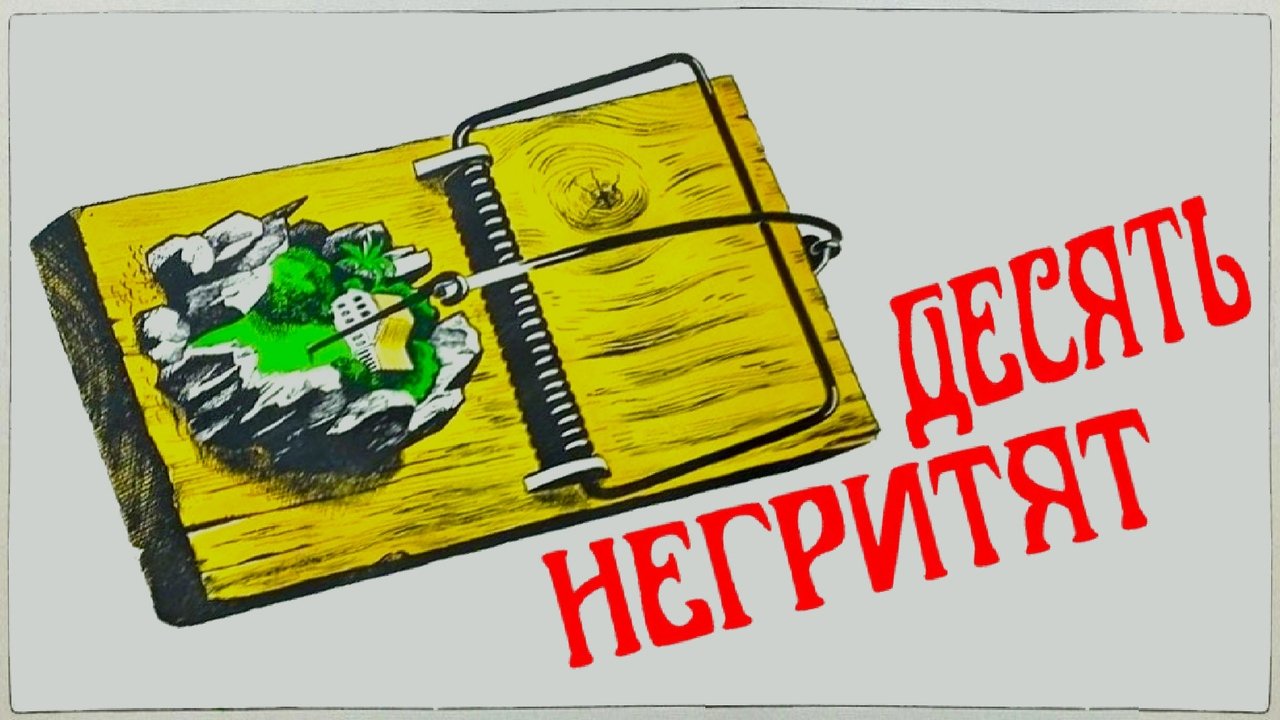
Beyond the faithfulness and performances, the film is a technical exercise in sustained dread. Govorukhin uses methodical pacing, lingering shots on anxious faces, and the relentless soundscape of the storm to build an almost unbearable tension. The score is minimal but effective, underscoring the isolation rather than resorting to cheap jump-scare stings. The deaths themselves are often stark and unsettling, presented with a chilling matter-of-factness that somehow makes them more disturbing than graphic gore might have been. It feels less like a whodunit puzzle and more like witnessing the inevitable, agonizing collapse of a fragile ecosystem built on lies. Remember how effective simple, atmospheric horror could be before CGI took over everything? This film is a prime example.
The Verdict
Desyat Negrityat isn't just another Christie adaptation; it's arguably the definitive screen version for those who appreciate the novel's original, savage heart. It might lack the star power or polished veneer of its Western counterparts, but it compensates with a pervasive, chilling atmosphere and a courageous commitment to the source material's darkness. Finding this on VHS felt like discovering a rare, potent vintage – perhaps slightly rough around the edges, but with a depth and impact that lingers. Doesn't that final, bleak realization still send a shiver down your spine?
Rating: 9/10
This score reflects the film's masterful creation of atmosphere, its exceptional faithfulness to Christie's darkest intentions (a major plus for purists), strong ensemble work, and Govorukhin's tight direction. It stands as a stark, chilling masterpiece of suspense that feels uniquely potent, even decades later. It’s a potent reminder that sometimes, the most terrifying monsters are simply us, stripped bare by guilt and isolation. A must-watch for serious Christie fans and lovers of bleak, atmospheric thrillers.