The static hiss fades, the tracking adjusts, and an image flickers onto the screen – not just another monster movie, but a relic born from circumstances so bizarre they eclipse the fiction itself. Imagine a creature of folklore, forged not just from rice and rage, but from coercion and a dictator's cinematic obsession. This isn't just any tape gathering dust; this is Pulgasari, the 1985 North Korean kaiju epic, and its very existence carries a chill deeper than any rubber-suited rampage.
Kidnapped Kaiju
Before we even talk about the metal-munching monster, we have to address the staggering, almost unbelievable story behind its creation. This film stands as a monument to one of the strangest episodes in cinema history. In the late 1970s, acclaimed South Korean director Shin Sang-ok and his ex-wife, actress Choi Eun-hee, were abducted by North Korean agents under the orders of Kim Jong-il, then head of the country's propaganda and an obsessive film buff. Their mission? To elevate North Korea's film industry. For years, they worked under duress, churning out films, culminating in this bizarre spectacle intended to rival Godzilla. Knowing this casts an inescapable shadow over every frame. It's not just a movie; it's a cinematic hostage situation, a "dark legend" made terrifyingly real. Can you even watch the peasant uprising depicted on screen without thinking of the director’s own captivity?
A Revolutionary Appetite
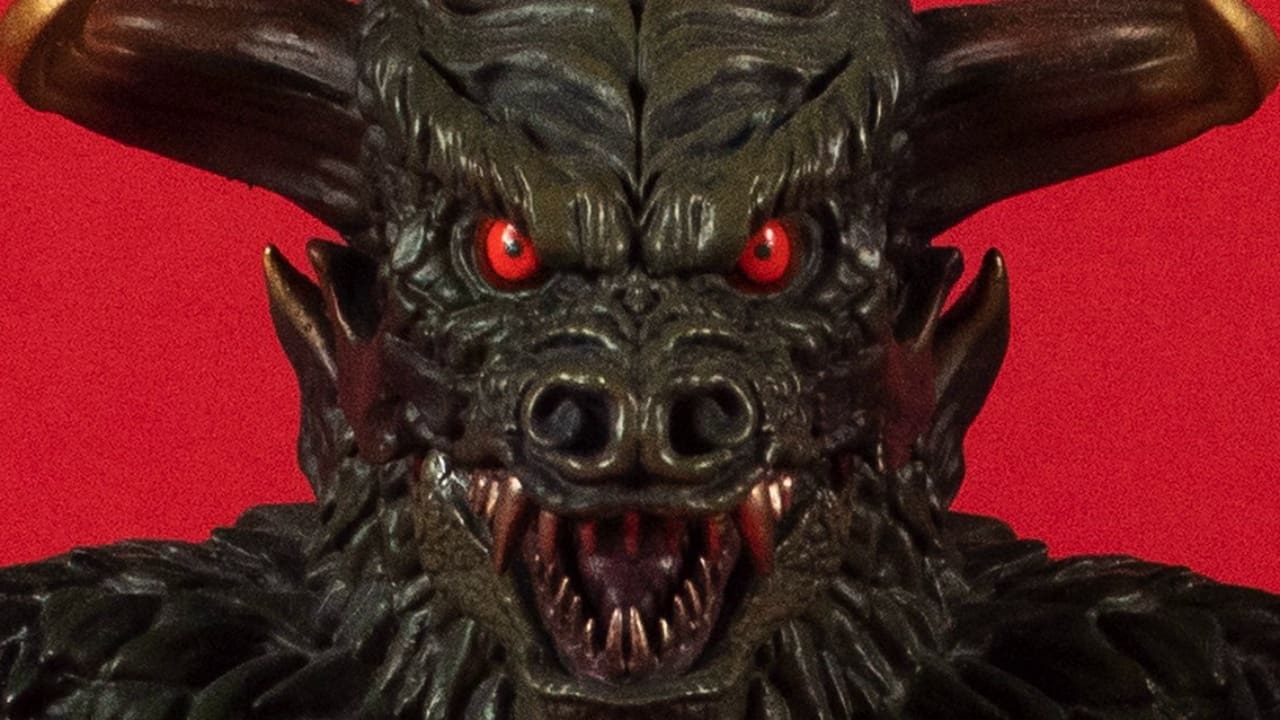
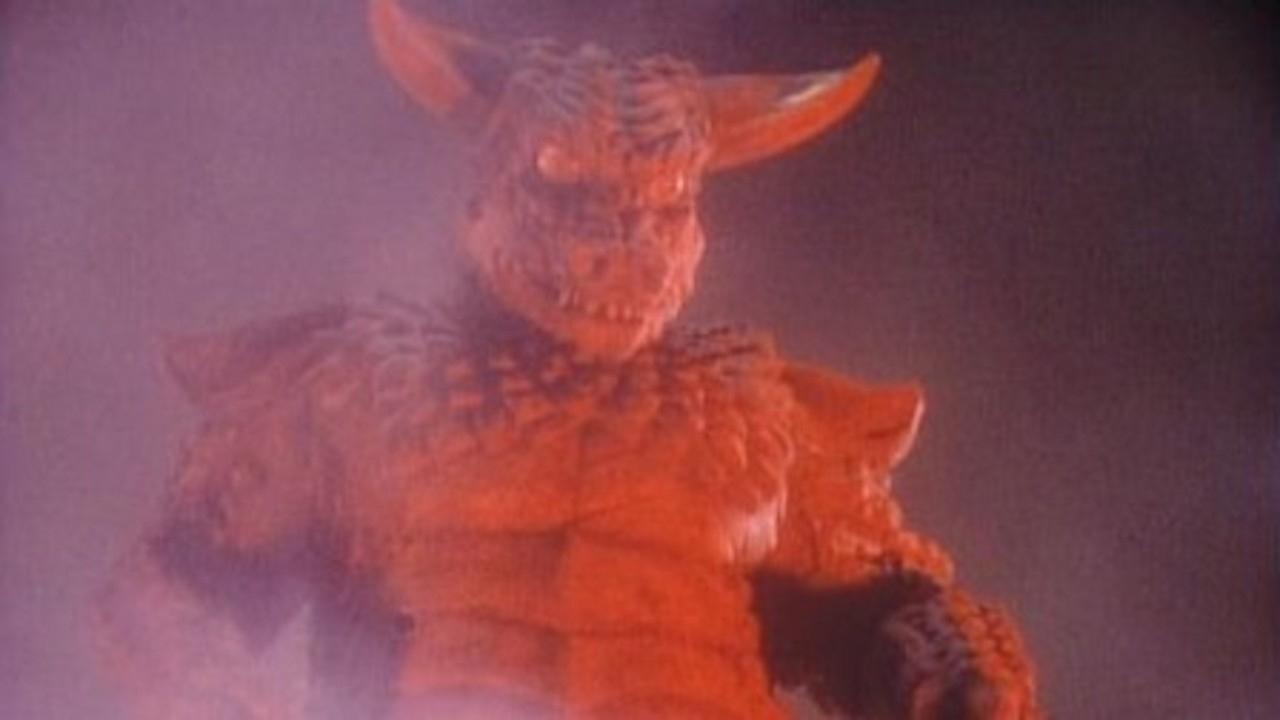
Set in feudal Korea, Pulgasari tells the story of oppressed peasants suffering under a tyrannical king. A dying blacksmith crafts a tiny figure from rice, praying for a savior. When his daughter accidentally brings it to life with a drop of her blood, the creature – Pulgasari – is born. Initially small and doll-like, it possesses an insatiable hunger for iron. Needles, tools, farming implements – anything metal fuels its growth. Soon, it towers over buildings, a seemingly unstoppable force siding with the peasants against the king's armies. The allegory isn't subtle: Pulgasari is the revolutionary spirit, consuming the tools of oppression (swords, cannons) and turning them against the oppressors. It's a socialist kaiju fable, a premise strange enough on its own, let alone considering its origins.
Pyongyang Meets Toho
Given Kim Jong-il's desire for international prestige, it's perhaps unsurprising that he sought expertise from the masters of the genre. Staff from Japan's legendary Toho Studios, the birthplace of Godzilla, were brought in to assist with the special effects. Inside the Pulgasari suit itself was none other than Kenpachiro Satsuma, the man who embodied Godzilla throughout the Heisei era (starting with The Return of Godzilla). You can see the Toho influence in the miniature work and the suitmation techniques. While undeniably dated by today's standards, there's a certain charm and ambition to the practical effects. Pulgasari's design – a horned, vaguely reptilian bull-like creature – is distinctive, if a bit clunky. Some sequences, particularly the large-scale destruction, achieve a decent sense of scale for the time and budget (reportedly significant by North Korean standards). Still, watching Satsuma stomp through meticulously crafted, yet fragile-looking miniature fortresses carries an extra layer of surrealism knowing the context. Imagine the pressure on that set, the unspoken tensions lurking beneath the monster movie mayhem.
Faces in the Shadow
The performances by the North Korean cast, including Chang Son Hui as Ami, the blacksmith's daughter, and Ham Gi Sop as Inde, the peasant leader, are delivered with earnest conviction. It's impossible, however, to separate their work from the environment in which it was created. Every dramatic plea, every terrified reaction, feels filtered through the knowledge of the production's dark genesis. Director Shin Sang-ok (credited alongside Chong Gon Jo) manages to stage competent, if somewhat conventional, monster action, but one wonders how much creative freedom he truly possessed. Did he see irony in directing a film about liberation while being effectively imprisoned? He and Choi Eun-hee eventually escaped during a trip to Vienna in 1986, making Pulgasari their final, and most infamous, North Korean production.
A Legacy Forged in Fire (and Irony)
Pulgasari wasn't widely seen outside North Korea and certain festivals until years later, often circulating on bootleg VHS tapes among curious collectors. It gained notoriety more for its backstory than its cinematic merits. Does the film itself hold up? As a straightforward kaiju movie, it's a clunky, sometimes sluggish affair with variable effects and a heavy-handed message. But as a historical artifact, as a testament to the bizarre intersection of autocratic power and filmmaking ambition, it's absolutely fascinating. The unease it generates comes less from the on-screen monster and more from the chilling reality of its production. It occupies a unique, slightly uncomfortable space in the annals of cult cinema.
Rating: 5/10
The score reflects the film's undeniable technical shortcomings and often ponderous pacing. However, its sheer audacity, the surprisingly decent (for its context) practical effects moments, and its unparalleled, almost unbelievable production history elevate it beyond mere cinematic curiosity. It's not "good" in a conventional sense, but it is utterly unique and strangely compelling.
Watching Pulgasari today feels like unearthing a forbidden tape, a bizarre footnote broadcast from a parallel dimension where political nightmares fuel monster movie dreams. It's less a film to be enjoyed, perhaps, than one to be experienced – a truly strange echo from the fringes of VHS history.