There’s a particular quality to certain films from the tail end of the 90s, a kind of mellow, late-autumn light that settles over them. They weren’t necessarily chasing the next big trend or the loudest explosion; they often felt more considered, more personal. Barry Levinson’s Liberty Heights (1999) lives firmly in that space. It arrived quietly, without the fanfare of a summer blockbuster, yet watching it again now, perhaps on a well-loved tape pulled from the shelf, feels like rediscovering a thoughtfully crafted piece of personal history – Levinson’s, yes, but also resonant with anyone who remembers navigating the often-invisible lines of adolescence.
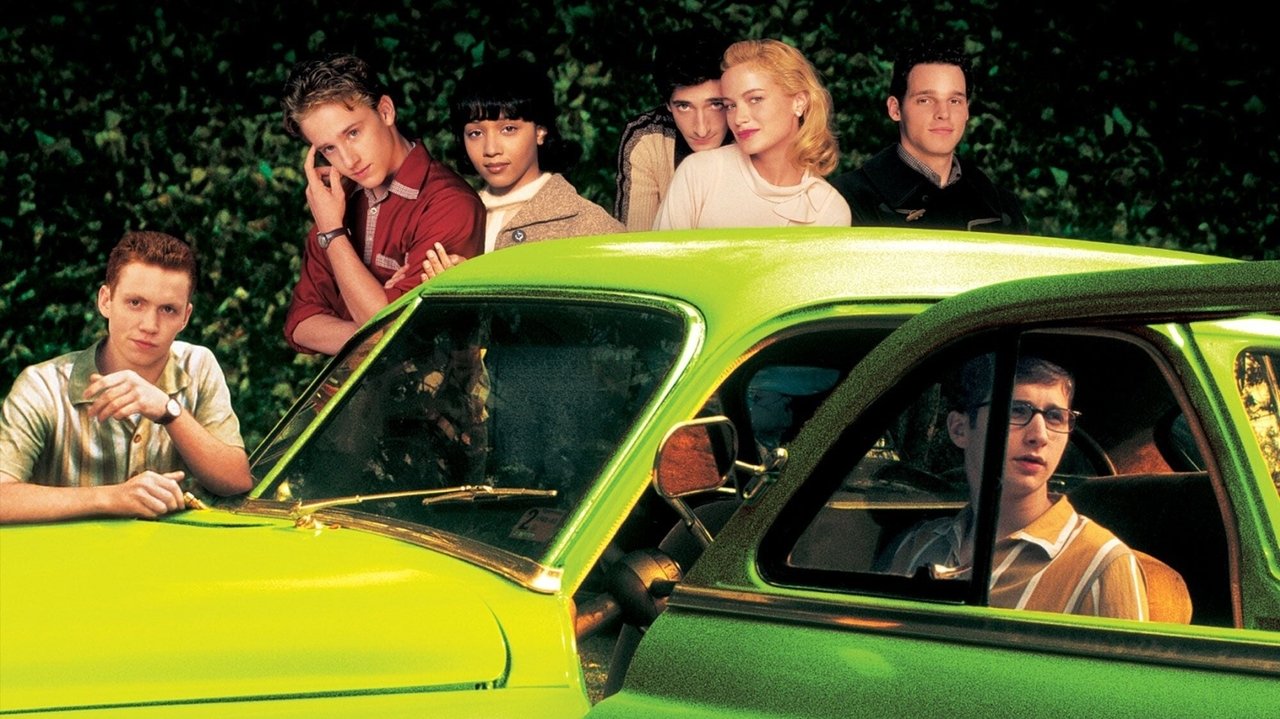
Baltimore Stories, Shifting Times
For those familiar with Levinson's work, Liberty Heights immediately feels like coming home, albeit to a specific corner of his cinematic universe. This is the fourth and final entry in his celebrated "Baltimore films" cycle, following Diner (1982), Tin Men (1987), and Avalon (1990). Like its predecessors, the film is steeped in the atmosphere of a specific time and place – Baltimore, 1954 – and carries the distinct tang of semi-autobiographical reflection. Levinson isn’t just telling a story; he’s excavating memory, examining the social currents of his youth with a blend of warmth and clear-eyed observation. The world is changing: schools are integrating, rock and roll is filtering through the airwaves via performers like James Brown (heard memorably here), and the carefully constructed barriers between communities are starting to show cracks.
Crossing the Lines
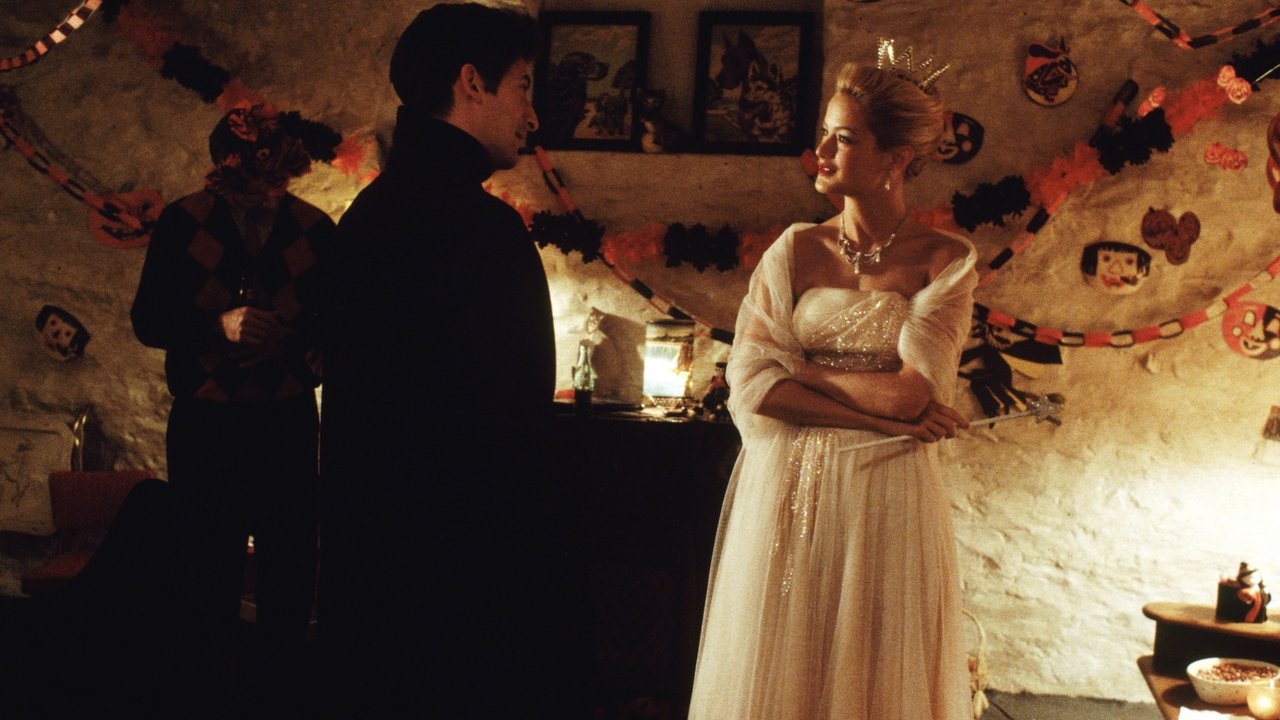
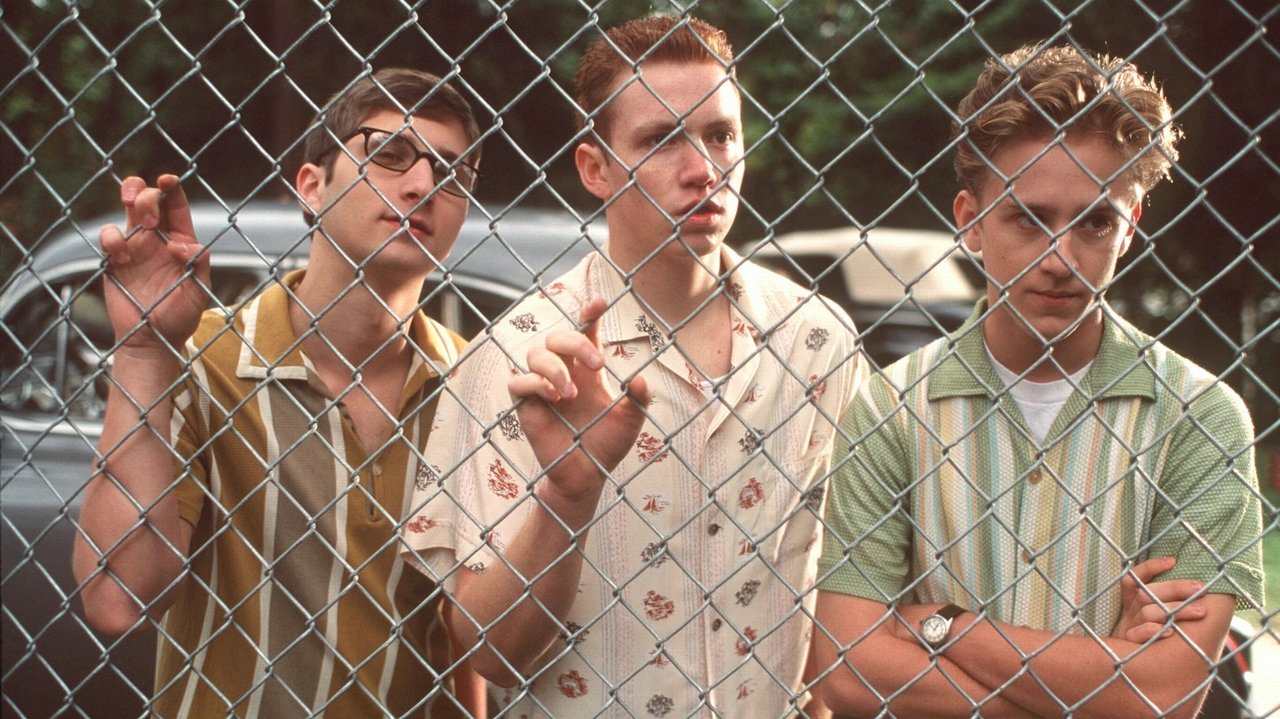
At its heart, Liberty Heights is about boundaries – racial, religious, social – and the tentative, often clumsy, steps taken to cross them. We see this primarily through the eyes of the Kurtzman family. Young Ben (Ben Foster, in an early role showcasing his simmering intensity) finds himself drawn to Sylvia (Rebekah Johnson), the sole Black student in his newly integrated class. Their connection, tentative and sweet, unfolds against a backdrop of prejudice that feels depressingly familiar, yet Levinson handles it with nuance. There’s no grandstanding, just the quiet observation of awkward interactions, whispered warnings, and the simple, shared humanity found in a mutual love for Little Richard. How does a society begin to bridge divides built over generations? The film suggests it often starts with these small, personal connections, fraught as they may be.
Simultaneously, Ben’s older brother, Van (Adrien Brody, pre-Oscar but already radiating that unique blend of charisma and vulnerability), pursues a different kind of forbidden fruit. He falls for Dubbie (Carolyn Murphy), a beautiful, blonde debutante from the restricted Gentile world. Their storyline explores the more subtle, yet deeply ingrained, antisemitism and class consciousness of the era. Van’s attempts to navigate this unfamiliar territory – crashing a party, fumbling through social cues – provide moments of gentle humor, but also underscore the profound sense of ‘otherness’ he feels. Brody is magnetic here, capturing Van’s yearning and his gradual, sometimes painful, awakening to the invisible walls around him.
Worlds Within Worlds
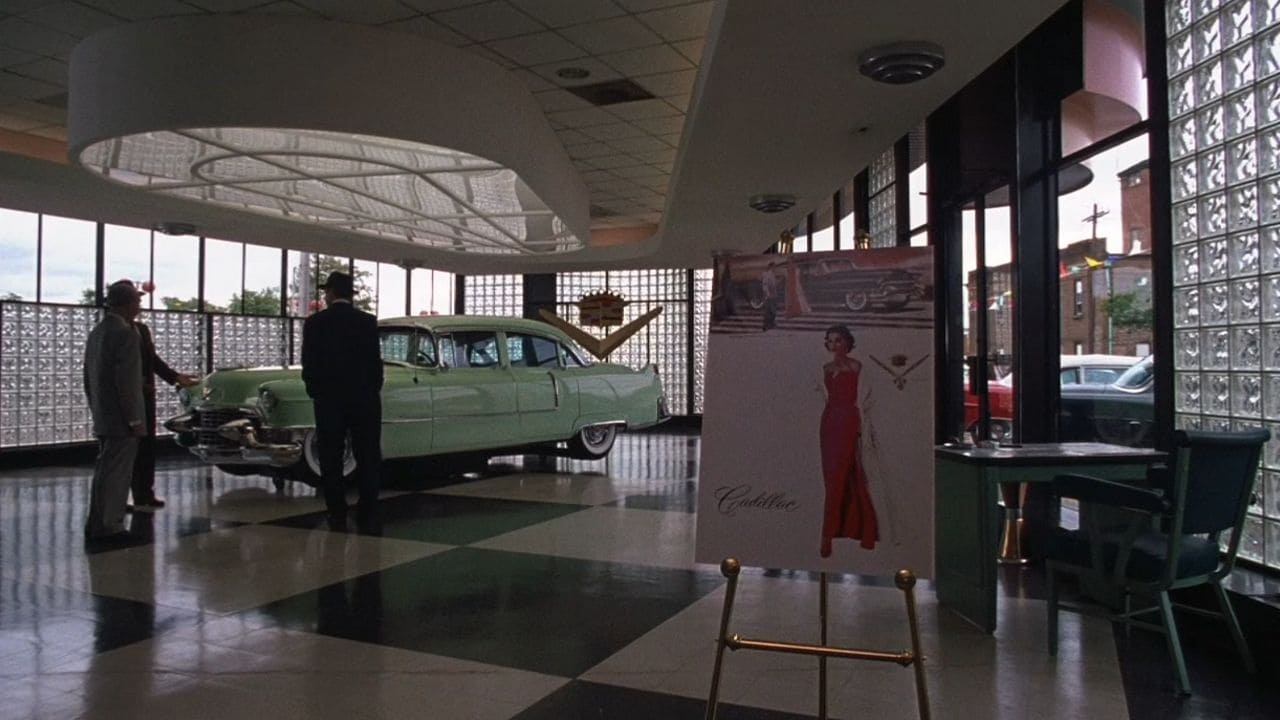
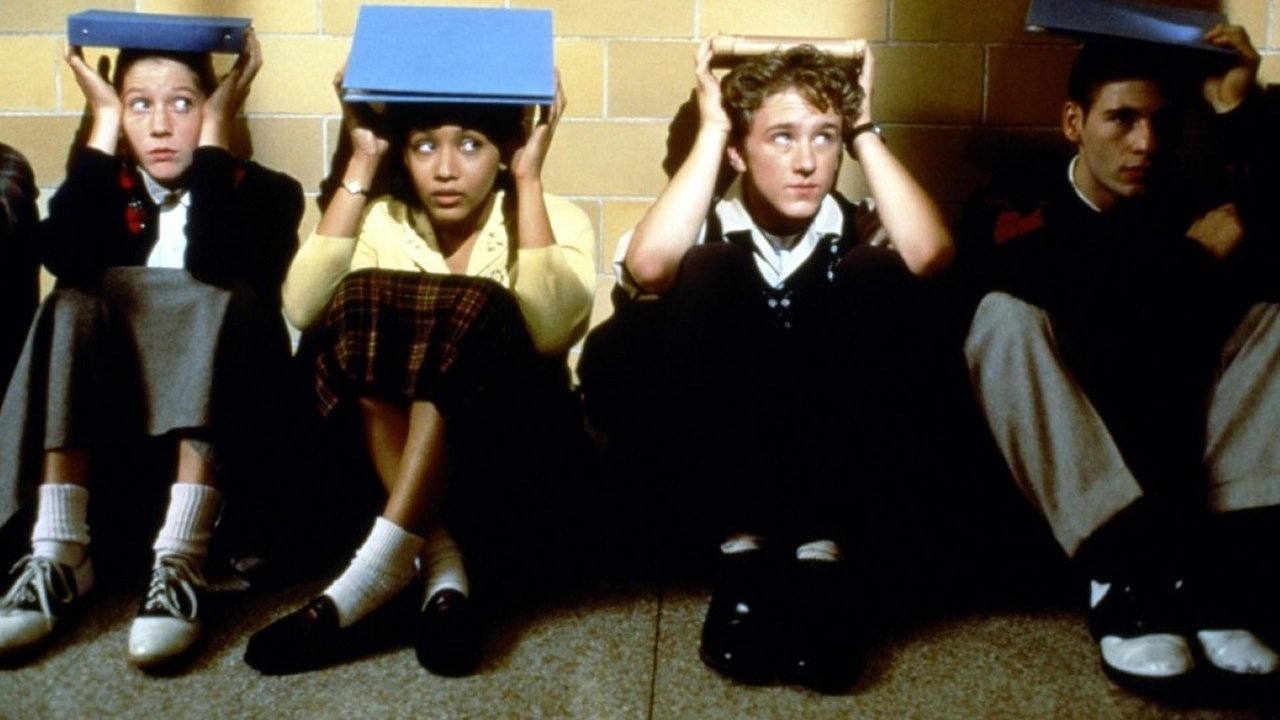
Levinson masterfully contrasts these adolescent explorations with the adult world inhabited by the Kurtzman parents. Nate (Joe Mantegna, bringing his usual grounded presence) runs a burlesque theater and a slightly precarious numbers game, encountering his own set of societal judgments and dangers. Ada (Bebe Neuwirth) presides over the household with a pragmatic warmth. Their lives represent a different kind of boundary navigation, one rooted in survival and maintaining their family’s place within their Jewish community. Adding another layer is the memorable appearance of Orlando Jones as Little Melvin, a charismatic drug dealer whose path crosses Nate's, highlighting the intersecting, sometimes clashing, worlds operating within the same city.
A Gentle Touch, A Lasting Echo
What makes Liberty Heights endure isn't melodrama, but its quiet authenticity. Levinson directs with a gentle, observational hand, letting moments breathe and characters reveal themselves through small gestures and conversations. The period detail feels lived-in, not merely curated, enhanced by a soundtrack that perfectly captures the era’s shifting musical landscape. It’s a film built on strong, naturalistic performances from its entire ensemble, making the Kurtzmans feel like a real family grappling with recognizable anxieties and aspirations.
Despite its critical warmth upon release (Roger Ebert, for instance, lauded its sensitivity), Liberty Heights didn't make much noise at the box office, earning back only a fraction of its estimated $26 million budget. Perhaps its subtlety and lack of easy answers made it a tougher sell in the pre-millennium market. For VHS collectors and fans of thoughtful filmmaking, however, this makes it something of a hidden gem – a movie waiting to be appreciated for its craft and its resonant exploration of themes that, unfortunately, haven't entirely faded with time. Watching it feels less like consuming entertainment and more like engaging in a quiet conversation about where we've come from, and the lines we still find ourselves navigating.
Rating: 8/10
Liberty Heights earns this score for its superb ensemble cast, Barry Levinson's deeply personal and nuanced direction, its authentic recreation of a specific time and place, and its gentle yet probing examination of social barriers. It avoids easy sentimentality, offering instead a thoughtful reflection on identity, prejudice, and the universal awkwardness of growing up.
It may not shout its importance, but Liberty Heights lingers, leaving you pondering those invisible fences we build and the courage it takes, sometimes just for one person, to reach across. A truly underrated entry from the late 90s worth seeking out.