There’s a certain kind of quiet desperation that hangs heavy in the salt air of a seaside town past its prime. Louis Malle captured it perfectly in Atlantic City (1980), a film that feels less like a conventional crime story and more like a mournful ballad for faded dreams and the ghosts of what might have been. It opens not with a bang, but with the slow, deliberate demolition of the old world – grand hotels crumbling to make way for the glittering, uncertain promise of casinos. That evocative imagery sets the stage for everything that follows.

Between Ruin and Reinvention
The film lives and breathes in the liminal space of Atlantic City itself during that very specific moment of transition. Malle, the celebrated French director perhaps best known on this side of the pond for later works like Au Revoir les Enfants, brings an outsider’s perceptive eye to this landscape of decay and forced rebirth. You can almost taste the stale cigarette smoke mingling with the ocean breeze. It’s a world populated by characters clinging to illusions, much like the city itself clings to its former glory. We meet Lou Pascal (Burt Lancaster), an aging, small-time numbers runner who lives vicariously through the memory of gangsters he barely knew, puffing himself up with tales of a past that likely never existed quite the way he remembers it. He spends his evenings spying on his neighbour, Sally Matthews (Susan Sarandon), through their adjacent apartment windows.
Lancaster's Twilight Masterpiece
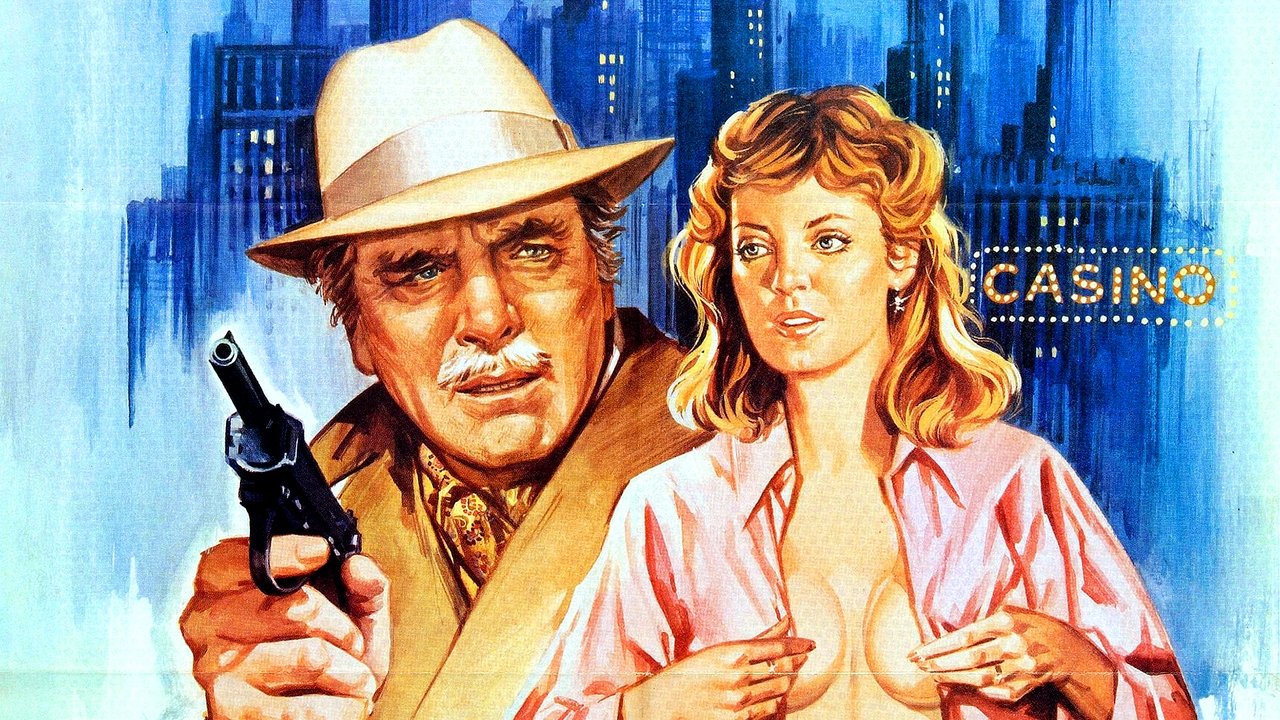
Can we talk about Burt Lancaster here? At 67, an age when many actors might be winding down, he delivers arguably one of the finest performances of his monumental career. Lou isn't just an old timer; he's a man haunted by insignificance, dressing impeccably as if the suit itself holds the key to the respect he craves. There's a profound sadness in his eyes, a yearning for a moment of genuine importance. When circumstance unexpectedly thrusts him into a situation involving stolen drugs and dangerous people, Lancaster masterfully portrays Lou's fear warring with a sudden, almost pathetic, surge of pride. He finally gets to be the tough guy he’s always pretended to be, and the transformation is both thrilling and heartbreaking. It’s a performance steeped in lived experience, earning him a thoroughly deserved Best Actor Oscar nomination – a stunning late-career resurgence. Reportedly, Lancaster felt a deep connection to Lou, a man looking back at a life perhaps not fully lived, adding another layer of poignant authenticity.
Sarandon's Raw Ambition
Across the alleyway, Susan Sarandon gives a star-making turn as Sally. She’s training to be a blackjack dealer in one of the new casinos, dreaming of escaping her past in Saskatchewan and achieving a semblance of glamour and independence in this city of second chances. She’s learning French from tapes, practicing her croupier skills, and, in one unforgettable scene, ritually cleansing herself with lemons, scrubbing away the grime of her previous life working in an oyster bar. There’s a story that Sarandon, committed to realism, used actual lemons with such vigour that her pained expression is entirely genuine – a small detail that speaks volumes about her dedication. Sally is vulnerable yet fiercely determined, embodying the fragile hope that maybe, just maybe, Atlantic City’s promise isn't entirely hollow. Her path intersects with Lou’s when her estranged, troublesome husband (played by Robert Joy) shows up with his pregnant girlfriend (Hollis McLaren) and a stolen stash of cocaine, setting the plot’s dangerous gears in motion.
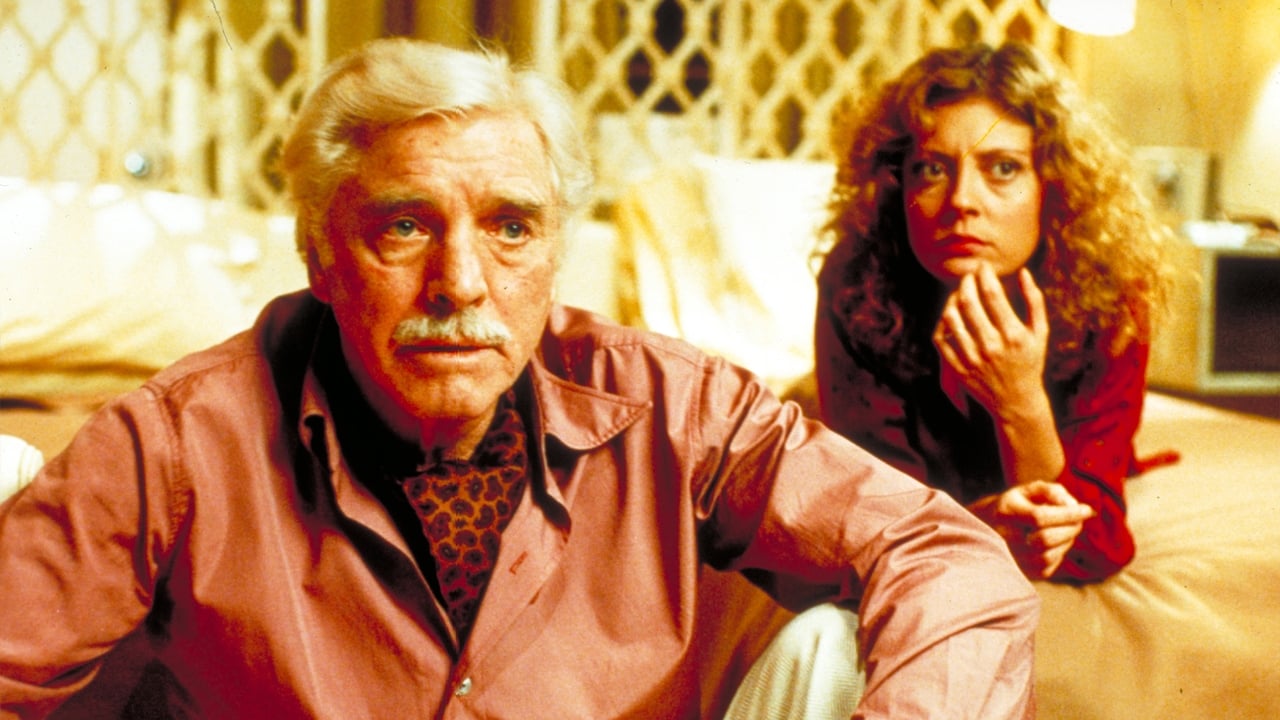
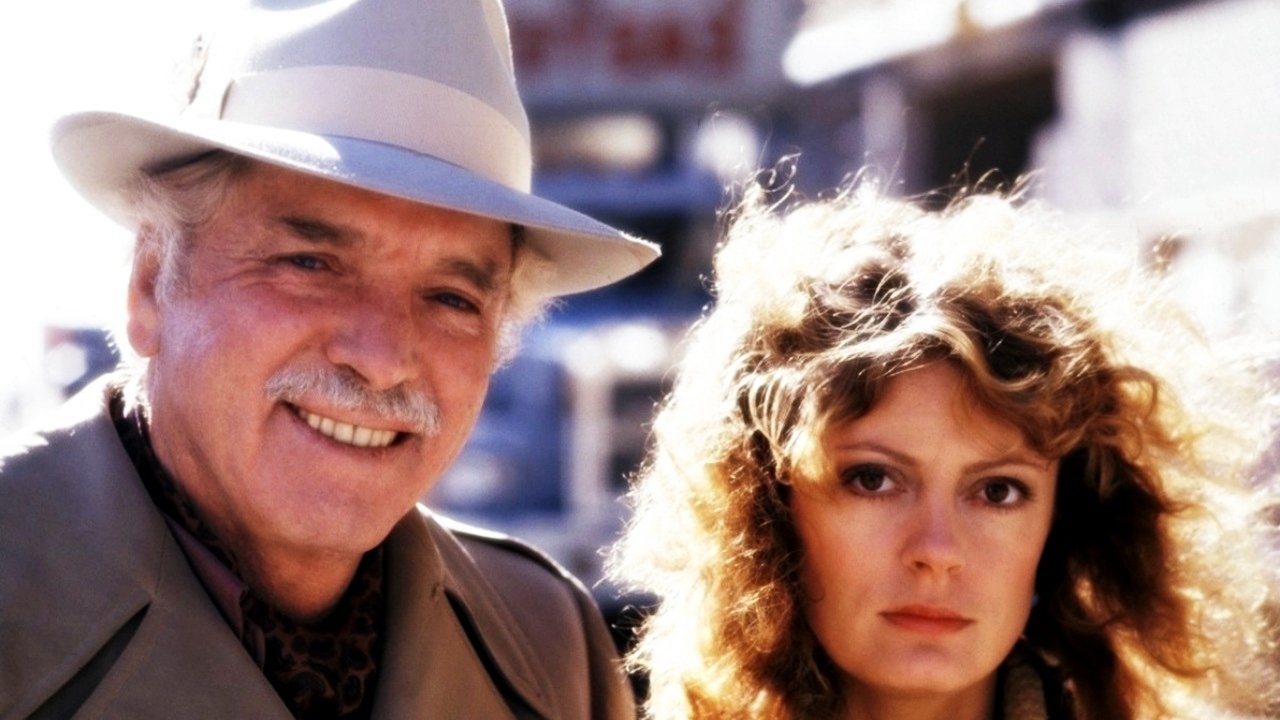
Words and Mood
The screenplay by playwright John Guare (Six Degrees of Separation) is exceptional. It avoids genre clichés, focusing instead on character nuances and dialogue that feels both poetic and utterly real. Lines linger long after they're spoken, revealing depths of regret, desire, and delusion. Malle complements this perfectly, favouring atmosphere over frantic pacing. He lets scenes breathe, allowing the environment – the boardwalk, the decaying buildings, the garish casino lights – to become a character in itself. It’s telling that the film was a Franco-Canadian co-production, partially funded from outside the traditional Hollywood system; it retains a certain European art-house sensibility fused with its gritty American setting. Shot entirely on location, Malle captured a unique snapshot of a city literally transforming before his camera. Add Kate Reid's brilliantly abrasive performance as Lou's demanding, bedridden charge, Grace, and you have a perfect storm of simmering tensions and unspoken histories.
A Lingering Echo
Atlantic City wasn't a massive blockbuster upon release (around $7 million budget, pulling in about $12.7 million domestically), but its critical acclaim was immediate, garnering five major Oscar nominations including Best Picture, Director, Actor, Actress, and Original Screenplay (though, criminally, it won none). Watching it again now, perhaps on a format far removed from the well-worn VHS tape I first experienced it on, its power hasn't diminished. It’s a film that rejects easy answers. Is Lou redeemed? Does Sally find her escape? The film offers possibilities rather than certainties, leaving the viewer contemplating the nature of luck, reinvention, and the ghosts we carry with us. It’s a poignant, melancholic crime drama that feels more relevant than ever, exploring themes of economic anxiety and the desperate yearning for significance in a world that seems determined to tear down the old without guaranteeing anything better in its place. Doesn't that resonate, even today?
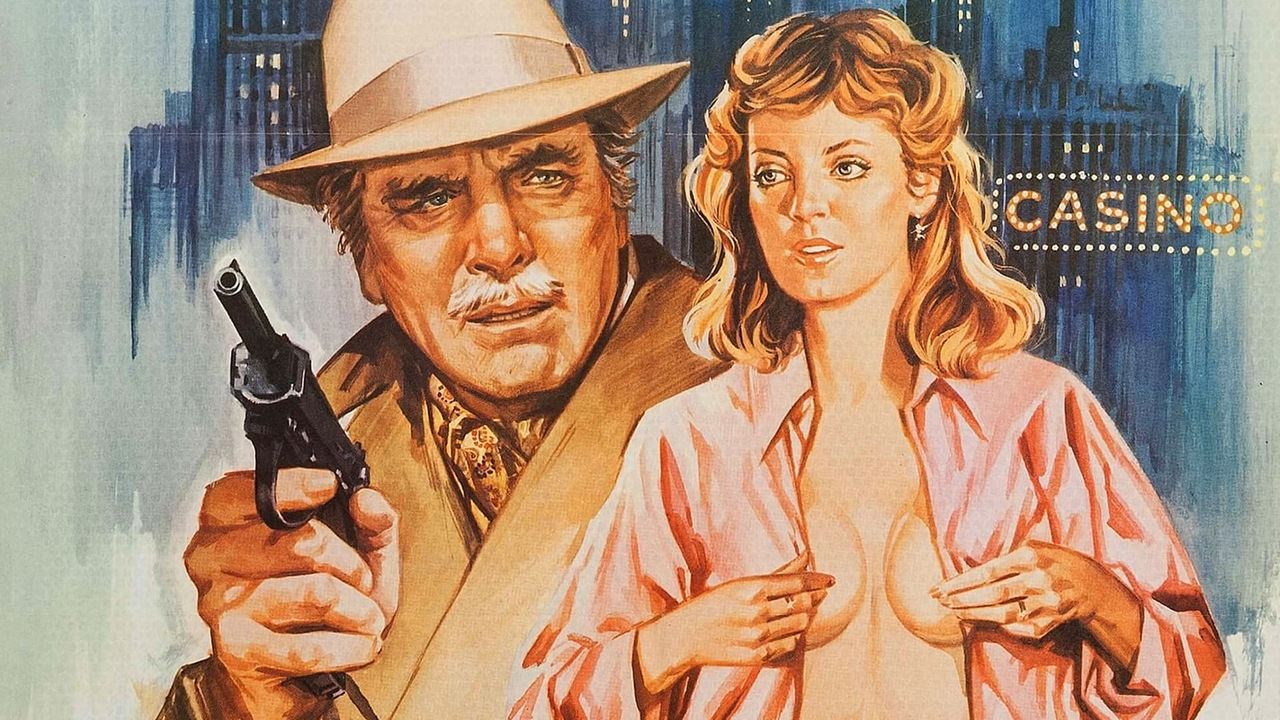
Rating: 9/10
This rating reflects the film's exceptional strengths: Burt Lancaster's career-defining late performance, Susan Sarandon's raw vulnerability, John Guare's masterful script, and Louis Malle's evocative direction that perfectly captures a specific time and place. The atmosphere is thick, the characters are unforgettable, and the blend of crime plot with deep character study is near-perfect. It might be too melancholic or deliberately paced for some, but its artistry and emotional depth are undeniable.
It leaves you with the haunting image of Lou Pascal, finally feeling like the big shot, standing not quite tall, but present, against the backdrop of a city perpetually erasing and rewriting itself. A true gem from the dawn of the 80s.