There's a certain quiet hum to Paris in Aki Kaurismäki's La Vie de Bohème (1992), but it’s not the vibrant buzz of tourist postcards. Instead, it’s the low thrum of survival, captured in stark, beautiful black and white. Watching it again, perhaps decades after first finding that intriguing VHS box tucked away in the 'Foreign Films' section of the rental store, feels less like revisiting a movie and more like stepping into a carefully preserved monochrome photograph, one where the subjects might offer you a shared cigarette or a glass of cheap wine if you linger too long.
A Different Kind of Bohemia
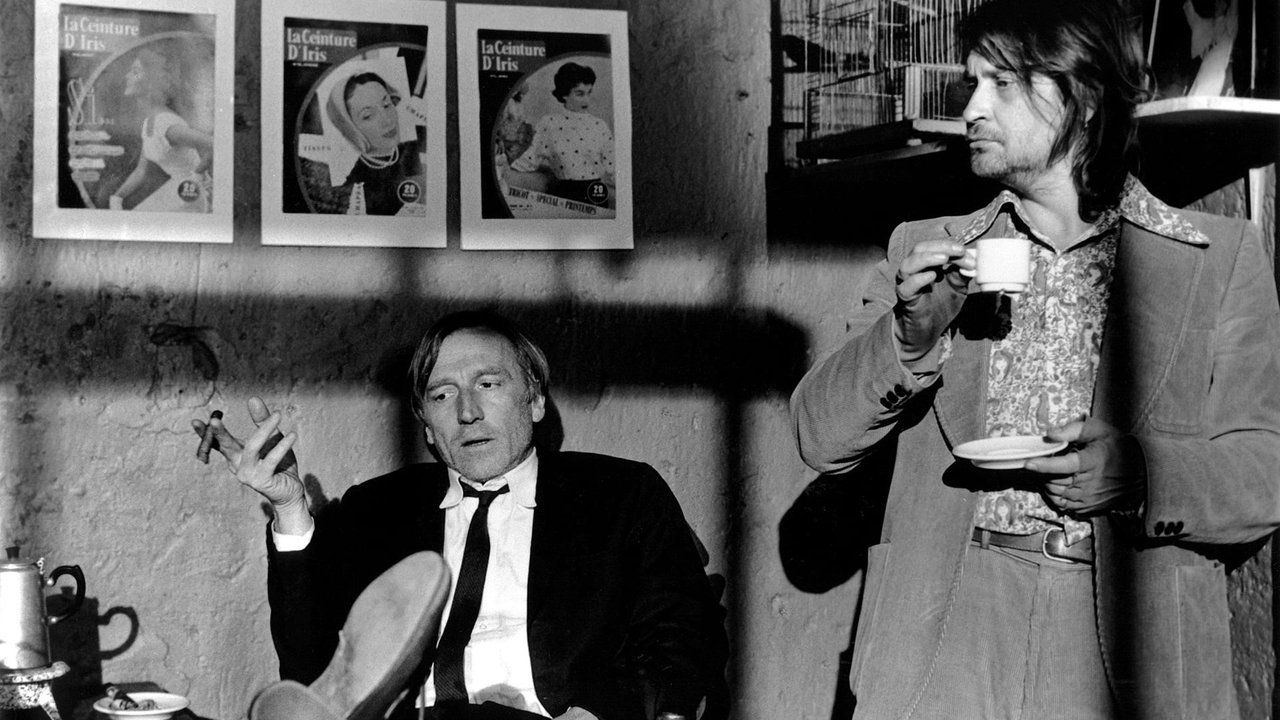
Forget the swelling orchestrations of Puccini; Kaurismäki, the Finnish master of deadpan melancholy who gave us the wonderfully quirky Leningrad Cowboys Go America (1989), strips Henri Murger's tales of Parisian artists down to their bare, shivering bones. Here, Bohemia isn't a romantic ideal; it’s a drafty apartment, an empty wallet, and the constant, gnawing uncertainty of where the next meal (or bottle) might come from. We follow three struggling artists: Rodolfo (Matti Pellonpää), an Albanian painter facing deportation; Schaunard (Kari Väänänen), a composer with few prospects; and Marcel (André Wilms), a playwright whose verbose genius finds little purchase. Their camaraderie feels authentic, born not of grand artistic pronouncements but of shared poverty and quiet understanding.
Kaurismäki’s style is instantly recognizable. The dialogue is sparse, delivered with an almost stoic flatness that somehow magnifies the underlying emotion. Characters stare, smoke, and drink, often in silence, yet volumes are communicated in their weary gazes and hesitant gestures. The humor, when it arrives, is bone-dry, often stemming from the absurdity of their situations or the bureaucratic indifference they face. It’s a world away from the slick pacing of 90s Hollywood, demanding patience but rewarding it with moments of profound, unvarnished humanity.
Faces in the Frame
The performances are key to making this minimalist world resonate. Matti Pellonpää, a frequent Kaurismäki collaborator whose tragically early death in 1995 robbed cinema of a unique presence, is heartbreaking as Rodolfo. His face, often impassive, carries the weight of exile and artistic yearning. He finds love with Mimi (Evelyne Didi), and their relationship unfolds with a touching, fragile honesty. There are no grand declarations, just small moments of connection that feel intensely real. Didi brings a quiet strength and vulnerability to Mimi, making her more than just a tragic archetype. And André Wilms embodies Marcel's intellectual pride and quiet desperation perfectly.
One of the unexpected joys, especially for film buffs rummaging through the VHS crates back in the day, was spotting the cameos. Seeing French New Wave legend Jean-Pierre Léaud (of The 400 Blows fame) turn up adds a layer of cinematic history, while the appearance of gruff American director Samuel Fuller (known for gritty films like The Big Red One) feels like a delightful, almost surreal collision of worlds. It’s a subtle nod, perhaps, to the artistic lineage these struggling characters aspire to join, even as they remain firmly outside the gates of success. It's a classic Kaurismäki touch – finding these little connections and understated moments of grace amidst the gloom.
Paris Through a Different Lens
Shot entirely on location in Paris, the film captures a side of the city rarely seen – not the Eiffel Tower glittering at night, but anonymous backstreets, sparsely furnished rooms, and chilly bars. The black and white cinematography by Timo Salminen is exquisite, rendering the mundane with a stark, poetic beauty. It feels both contemporary (the early 90s setting is clear) and timeless, as if these struggles have always played out in the city's shadows. The production reportedly faced challenges filming on location, needing to capture the essence of Parisian life without resorting to clichés, a task Kaurismäki and Salminen navigate masterfully.
This isn't a film that shouts its themes; it whispers them. It touches on immigration, the indifference of the state, the fragility of love, and the stubborn persistence of art even when it doesn't pay the bills. What does it mean to create when survival itself is a struggle? Can friendship endure hardship? Kaurismäki doesn't offer easy answers, preferring to let the quiet moments and the expressive faces of his actors convey the emotional depth.
Rating: 8/10
La Vie de Bohème earns its 8/10 for its uncompromising artistic vision, its deeply felt (if understated) performances, and its unique atmosphere. Kaurismäki’s deadpan style and minimalist approach won't be for everyone – it requires viewers to meet it halfway, to find the emotion beneath the stoic surface. However, the film's stark beauty, dry wit, and profound sense of empathy for its struggling characters make it a standout piece of early 90s European cinema. It lacks the immediate hook of a blockbuster, but its quiet power resonates long after the screen fades to black.
It remains a poignant, beautifully crafted film – a melancholic love letter to the enduring human spirit found in the most precarious of circumstances, captured forever on that magnetic tape.