There's an inherent wrongness, isn't there? A primal discomfort that stirs when the familiar face of childhood innocence twists into something malevolent. Forget ghosts in the attic or monsters under the bed; 1988's Child's Play brought the terror right into the toy box, leaving a unique chill that lingered long after the VCR clicked off. It wasn't just a slasher; it was a violation of sanctuary, turning a brightly coloured piece of plastic into a vessel for pure, foul-mouthed evil.
He Wants You For a Best Friend
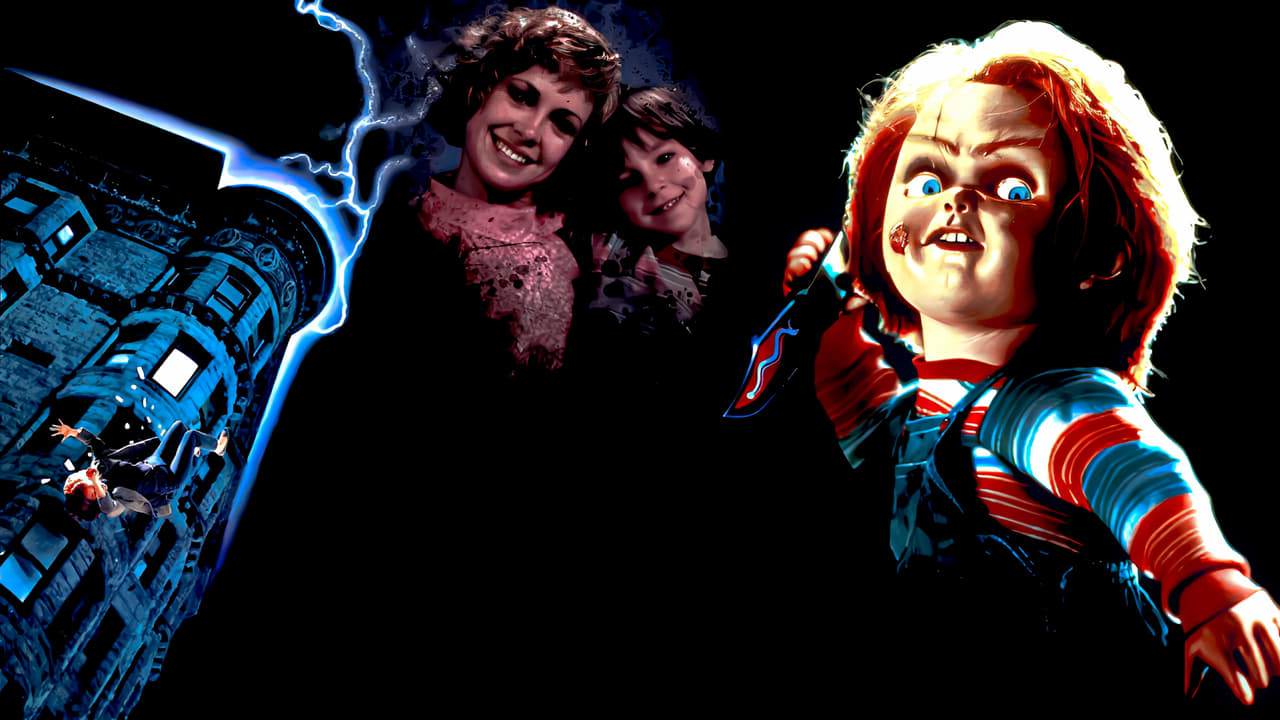
The premise, cooked up by Don Mancini (initially as a darker psychological script called Blood Buddy before being retooled by director Tom Holland of Fright Night fame and writer John Lafia), is deceptively simple yet chillingly effective. Single mother Karen Barclay (Catherine Hicks, who reportedly enjoyed the physical demands of the role) desperately wants to get her son Andy (Alex Vincent, in a remarkably convincing child performance) the hottest toy of the season: a "Good Guy" doll. Unbeknownst to her, the specific doll she acquires secondhand houses the transferred soul of notorious serial killer Charles Lee Ray (Brad Dourif, whose menacing voice work became instantly iconic), who used a voodoo ritual just before bleeding out in a toy store shoot-out. Andy gets his wish, but soon his new best friend, "Chucky," begins whispering dark suggestions and committing brutal acts, with the bewildered boy taking the blame. Chris Sarandon (also a Fright Night alum) plays Detective Mike Norris, the initially skeptical cop drawn into the increasingly bizarre and deadly mystery.
Making the Plastic Bleed
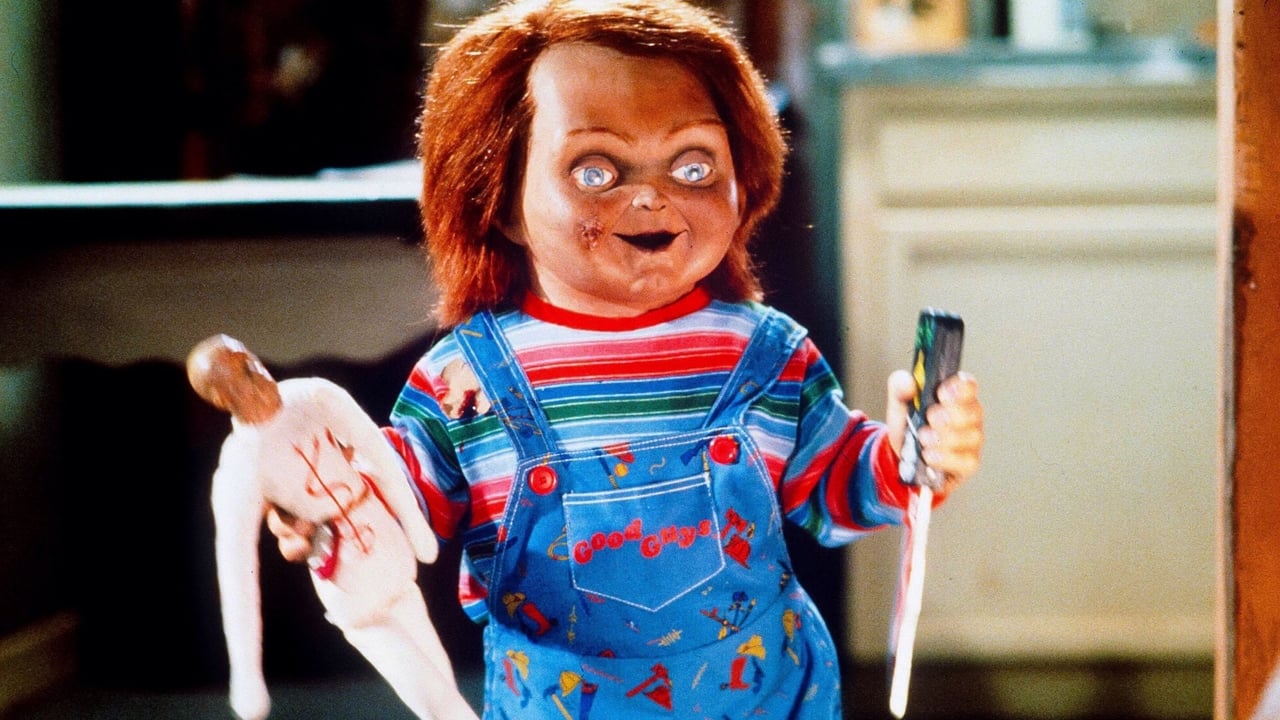
What truly elevates Child's Play beyond a mere gimmick is the masterful execution of its central threat. This wasn't just a static doll held menacingly off-camera. Thanks to the incredible animatronics and puppetry work spearheaded by Kevin Yagher, Chucky lived. The subtle eye movements, the curl of the lip into a sneer, the shocking fluidity when he finally reveals his true nature – it felt disturbingly real on those flickering CRT screens. Remember the palpable tension as Andy tried to convince the adults, only to be met with disbelief? The filmmakers cleverly played on perspective, often using lower angles to align us with Andy's terror. Yagher’s team employed a mix of radio-controlled animatronics for facial expressions and cable-controlled puppets for larger movements, sometimes even utilizing actor Brock Winkless (who sadly passed in 2015) in a Chucky suit for wider shots requiring more complex actions like walking or running. This blend of techniques gave Chucky a tangible, physical presence that digital effects often struggle to replicate. It's rumoured that Brad Dourif recorded his lines before the animatronics were finalized, allowing the effects team to sync the doll's movements precisely to his chilling vocal inflections, adding another layer of terrifying synchronicity.
Chicago Shadows and Neon Nightmares
Director Tom Holland expertly uses the urban landscape of Chicago, specifically the imposing Brewster Apartments building, to ground the fantastical horror. The film has a gritty, late-80s feel – the lived-in apartment, the bustling city streets, the flickering fluorescent lights of institutions. This contrasts sharply with the primary colours of the Good Guy brand, creating a visual dissonance that mirrors the corruption of innocence at the film's core. Joe Renzetti's score is equally effective, shifting seamlessly from deceptively cheerful toy jingles to unnerving synth pulses and dramatic stings that punctuate the scares. It’s a soundtrack that understands tension, building dread in the quiet moments before Chucky strikes. The film wasn't afraid to be brutal either, pushing boundaries that likely caused more than a few gasps during those late-night rental sessions and certainly contributed to some pearl-clutching controversy regarding its influence at the time. Remember those taglines? "You'll wish it was only make-believe." They weren't kidding.

More Than Just Child's Play
While some 80s logic might stretch thin under modern scrutiny, the core effectiveness of Child's Play remains potent. It tapped into the uncanny valley long before the term was commonplace, exploiting the inherent creepiness of dolls. It wasn't just about the jump scares; it was the psychological horror of being disbelieved, the vulnerability of childhood, and the sheer, unadulterated malice packed into that diminutive frame. The film was a surprise hit, conjured from a $9 million budget (around $23 million today) and slashing its way to over $44 million worldwide (roughly $113 million today), proving that a killer doll was exactly what horror audiences were craving. It launched a franchise that continues to this day, cementing Chucky as a true icon of the genre, right alongside Freddy and Jason. Though the sequels would lean increasingly into dark comedy, this original remains a tightly wound, genuinely unnerving horror thriller.
***

VHS Heaven Rating: 8/10
This score reflects the film's status as a highly effective and influential 80s horror classic. The groundbreaking practical effects for Chucky, Brad Dourif's unforgettable voice performance, the palpable atmosphere of dread, and the sheer audacity of the killer doll concept earn it high marks. It delivers genuine tension and iconic moments that hold up remarkably well. While perhaps not plumbing profound thematic depths, it excels as a masterclass in suspense and creature feature execution within its era, losing a couple of points only for some dated elements and plot conveniences typical of the time.
Child's Play didn't just give us a new horror villain; it gave us a nightmare that could sit right there on the bedroom shelf. Doesn't that thought still send a tiny shiver down your spine?