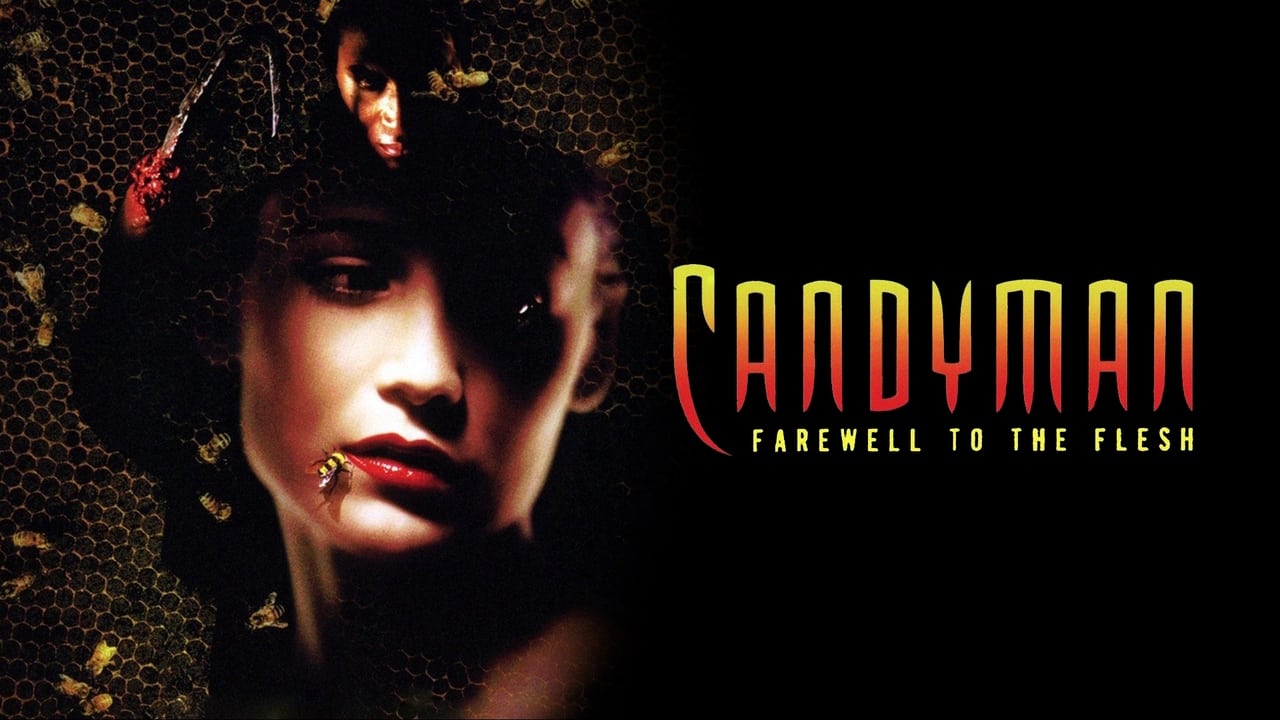
The air hangs thick and heavy, much like the humid New Orleans night that serves as the backdrop for this second deadly summoning. Forget the urban decay of Cabrini-Green; here, the dread mixes with the scent of magnolia and the lingering echoes of Mardi Gras revelry. Candyman: Farewell to the Flesh (1995) dared to take the legend south, trading concrete towers for antebellum ghosts, attempting to deepen the mythos of the hook-handed specter whispered into existence. Does it recapture the primal, intellectual terror of the original? Not quite. But for those of us who eagerly snatched this tape off the rental shelf, hoping for another dose of that specific, chilling dread, it offered a different, yet still unsettling, flavor of fear.
Whispers in the Bayou
The core concept remains potent: the power of belief, the horror born from history's darkest chapters. This time, the story centers on Annie Tarrant (Kelly Rowan, who many would later recognize from The O.C.), a New Orleans schoolteacher whose family history is inextricably, tragically linked to the Candyman legend. When her brother is accused of murders mirroring the Candyman's M.O., Annie delves into her family's blood-soaked past, uncovering the origins of Daniel Robitaille – the artist, the lover, the victim whose agony birthed the vengeful spirit. This shift towards a more defined backstory is perhaps the film's biggest gamble. Does knowing why the bees swarm and the hook gleams lessen the terror? For some, perhaps. The chilling ambiguity of the first film, where Candyman felt like an urban folktale made terrifyingly real, gives way to a more conventional Gothic tragedy.
The Return of the Icon
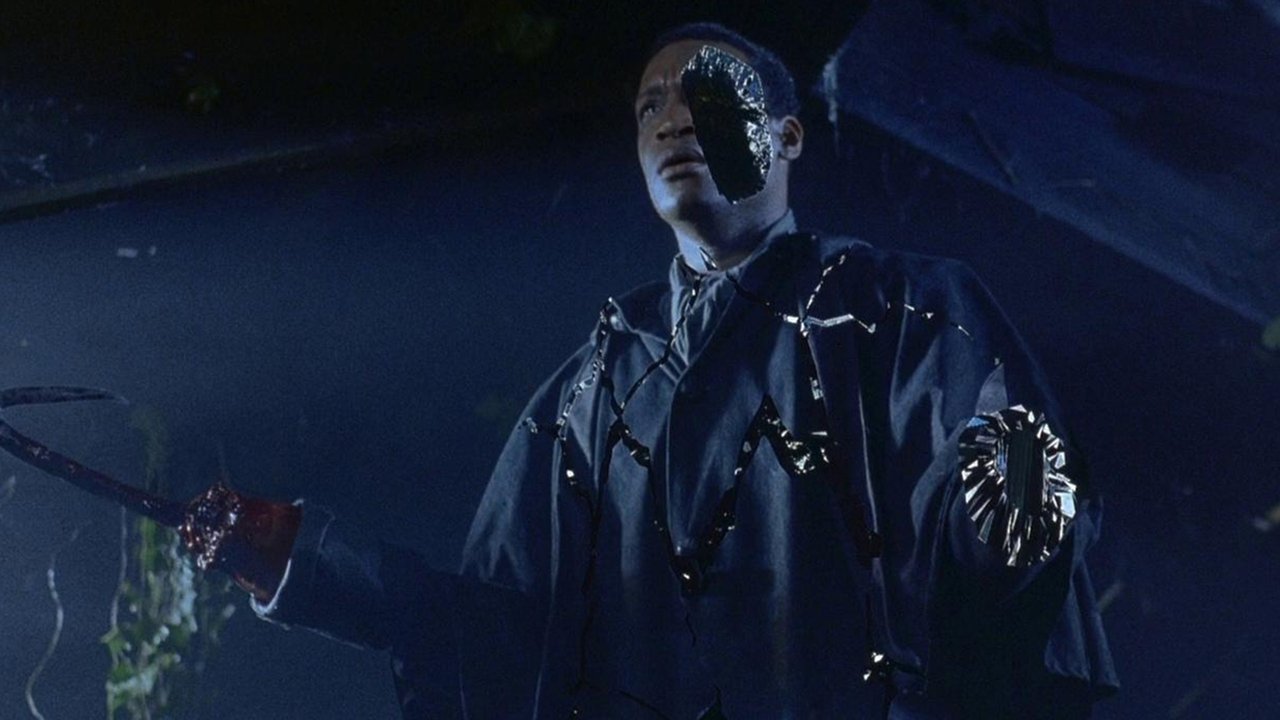
Let's be clear: Tony Todd is Candyman. His return is the film's undeniable anchor. That deep, hypnotic voice, the imposing physical presence, the chilling blend of sorrow and menace – it’s all there. Even when the script falters, Todd embodies the role with a magnetic intensity that commands the screen. He carries the weight of Robitaille's tragic history convincingly, adding layers of tormented pathos beneath the terrifying facade. Seeing him step out of the shadows, bees buzzing ominously, still delivers that jolt, that feeling that something truly unnatural and unstoppable has arrived. It was Todd himself who suggested exploring the love story aspect of Candyman's origin, wanting to add depth beyond just being a "boogeyman."
Southern Gothic Horror
Director Bill Condon, years before he'd tackle acclaimed dramas like Gods and Monsters (1998) or big-budget musicals, crafts a visually distinct sequel. He leans into the New Orleans setting, contrasting the vibrant chaos of Mardi Gras with the decaying elegance of old plantations and shadowy cemeteries. There’s a palpable sense of place, a different kind of haunting than the first film's stark urban landscape. The production reportedly embraced its New Orleans location, filming during the actual Mardi Gras season for some scenes, adding a layer of authentic atmosphere. While the film lacks the sustained, almost unbearable tension of its predecessor, Condon delivers some effectively staged sequences, often playing with reflections and the power of Candyman's mirror-bound origins. The score, wisely retaining and adapting Philip Glass's iconic, haunting themes from the original, remains a powerful asset, instantly evoking that sense of lyrical dread.

Explaining the Unspeakable
Where Farewell to the Flesh often stumbles is in its eagerness to explain. The first film thrived on suggestion and the blurring lines between reality, folklore, and madness. This sequel lays its cards on the table, explicitly detailing Candyman's transformation and motivations. While the origin story itself – an interracial romance leading to brutal murder – is suitably grim and rooted in historical horror, its direct presentation removes some of the unsettling mystery. The plot mechanics surrounding Annie's investigation and the generational curse feel somewhat more formulaic compared to Helen Lyle's psychological spiral in the original Candyman (1992). It feels less like a chilling academic thesis on urban legends and more like a straightforward supernatural slasher, albeit one with a compelling villain and a rich atmosphere.
The film also faced the inevitable sequel challenge at the box office, grossing around $13.9 million domestically against the original's $25.7 million – a sign, perhaps, that audiences found the initial shock harder to replicate. Interestingly, the script went through significant changes, with early drafts reportedly having different characters and focusing less directly on Candyman's specific origins. The final version, co-written by Rand Ravich and Mark Kruger (working from Clive Barker's original characters), aimed for a blend of backstory and contemporary horror.
Still Worth the Rental Fee?
Revisiting Candyman: Farewell to the Flesh on that well-worn VHS tape evokes a specific kind of 90s horror memory. It was the era of diminishing returns for many franchises, yet this sequel stands a cut above many of its contemporaries. It boasts a truly iconic performance from Tony Todd, a distinctive Southern Gothic atmosphere, and a willingness to engage with the dark historical roots of its monster, even if the execution feels less sophisticated than the original. It might demystify the legend somewhat, but it doesn't entirely dispel the chill. The core concept, fueled by Todd’s unforgettable presence, remains potent. Remember popping this in, maybe after re-watching the first one, bracing for the inevitable call-and-response in the mirror? That thrill, even if slightly muted, was still there.
---
VHS Heaven Rating: 6/10
Justification: While a noticeable step down from the masterful original, Farewell to the Flesh earns points for Tony Todd's commanding performance, its evocative New Orleans atmosphere, and its attempt to explore the tragic roots of the Candyman myth. However, it loses some of the first film's terrifying ambiguity and psychological depth by opting for a more explicit backstory and a somewhat conventional plot structure. The direction by Bill Condon is competent, and the Philip Glass themes remain effective, but it lacks the sustained dread and intellectual horror that made the 1992 film a classic. It's a solid, atmospheric 90s horror sequel, worthwhile for fans of the character, but ultimately lives in the shadow of its predecessor.
Final Thought: It may not have the raw power of the first whisper, but Farewell to the Flesh proved that even when you explain the monster, Tony Todd's Candyman could still make you afraid to look in the mirror.