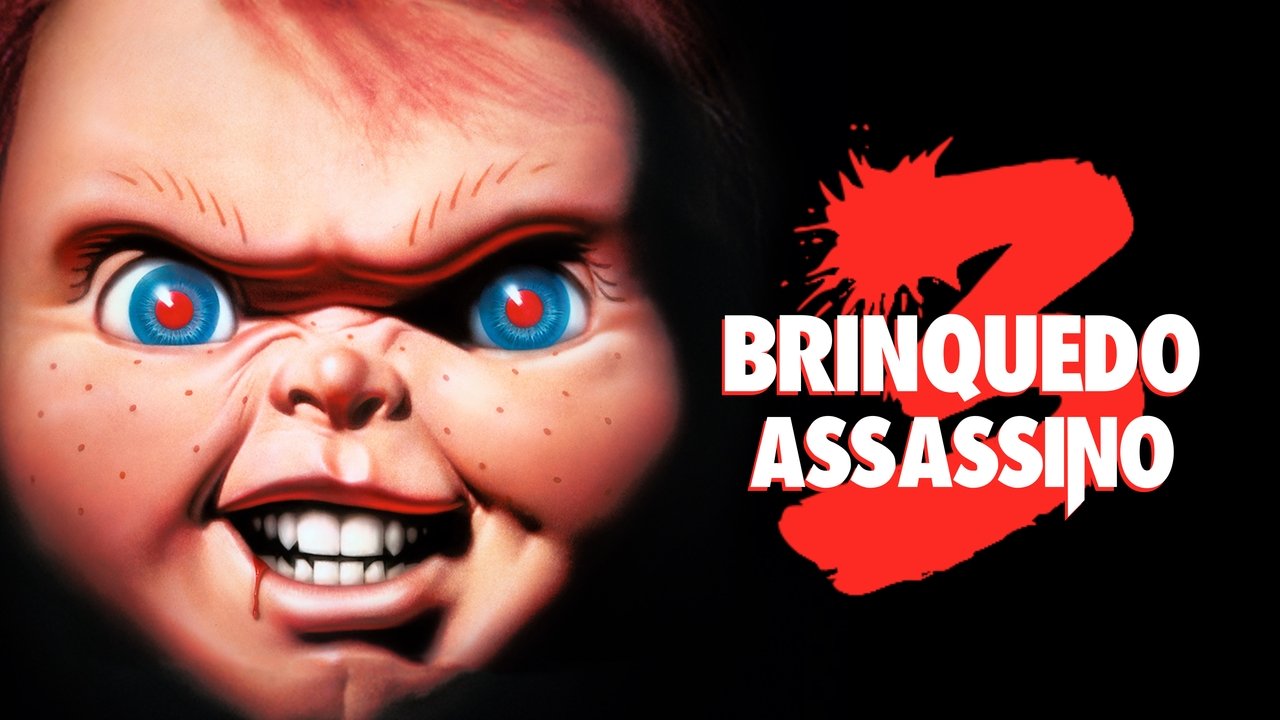
The molten plastic swirls, reforming into that familiar, hateful grin. There's something almost cosmically cruel about Chucky's persistence, isn't there? Just when you thought Andy Barclay might finally catch a break, the assembly line spits out another Good Guy doll, infused with the same malevolent soul. Released a mere nine months after its predecessor, Child's Play 3 (1991) hit video store shelves with startling speed, promising another round of pint-sized terror. But this time, the playground felt different, colder somehow.
New Barracks, Same Nightmare
Eight years have passed in Andy Barclay's world. Now a teenager, played with earnest angst by Justin Whalin (taking over from Alex Vincent), Andy is shipped off to Kent Military Academy. The hope is that structure and discipline might finally help him bury the trauma of his past. Of course, we know better. The Play Pals toy company, inexplicably deciding to relaunch the Good Guy line despite the... incidents... inadvertently resurrects Chucky (Brad Dourif, forever indispensable with that gleefully sadistic voice work). The reactivated doll mails himself, with hilarious ease, straight to Kent, seeking out his old "friend."
The shift to a military school setting, under the direction of Jack Bender (who would later become a prolific TV director on shows like Lost), is the film's most defining characteristic. Gone are the suburban homes and toy factories; replaced by drab, imposing institutional walls, marching drills, and the petty tyrannies of cadet officers. It lends the film a unique, if somewhat muted, atmosphere – one of oppressive routine rather than outright domestic dread. The idea of Chucky thriving in this rigid environment, a chaotic splash of colour against the khaki and grey, holds promise.

Familiar Games, Diminished Returns
Unfortunately, the change of scenery doesn't entirely mask a creeping sense of franchise fatigue. Don Mancini, the series' creator and sole writer for the original trilogy, was reportedly rushed by the studio demanding a quick sequel. This perhaps explains why the plot feels like a retread, albeit in different fatigues. Chucky arrives, finds Andy, then quickly pivots to targeting a younger, more vulnerable cadet, Tyler (Jeremy Sylvers), as his new potential vessel. Andy, now the older protector figure, must convince skeptical authority figures (and love interest Cadet De Silva, played by Perrey Reeves) that the doll is alive before it's too late.
It’s a formula we’ve seen before, and while Dourif remains a delight, delivering Chucky’s foul-mouthed threats with unparalleled menace, the scares themselves feel less inventive this time around. The kills are present, certainly – a garbage truck demise, a fatal heart attack induced by fright, and the messy consequences of swapping live ammo for paintballs during war games – but they lack the wicked creativity of the first two films. The military setting offers unique opportunities for mayhem that feel somewhat underutilized. Imagine Chucky sabotaging obstacle courses or turning drill commands into deadly instructions – potential sadly left largely untapped.
Behind the Plastic Curtain
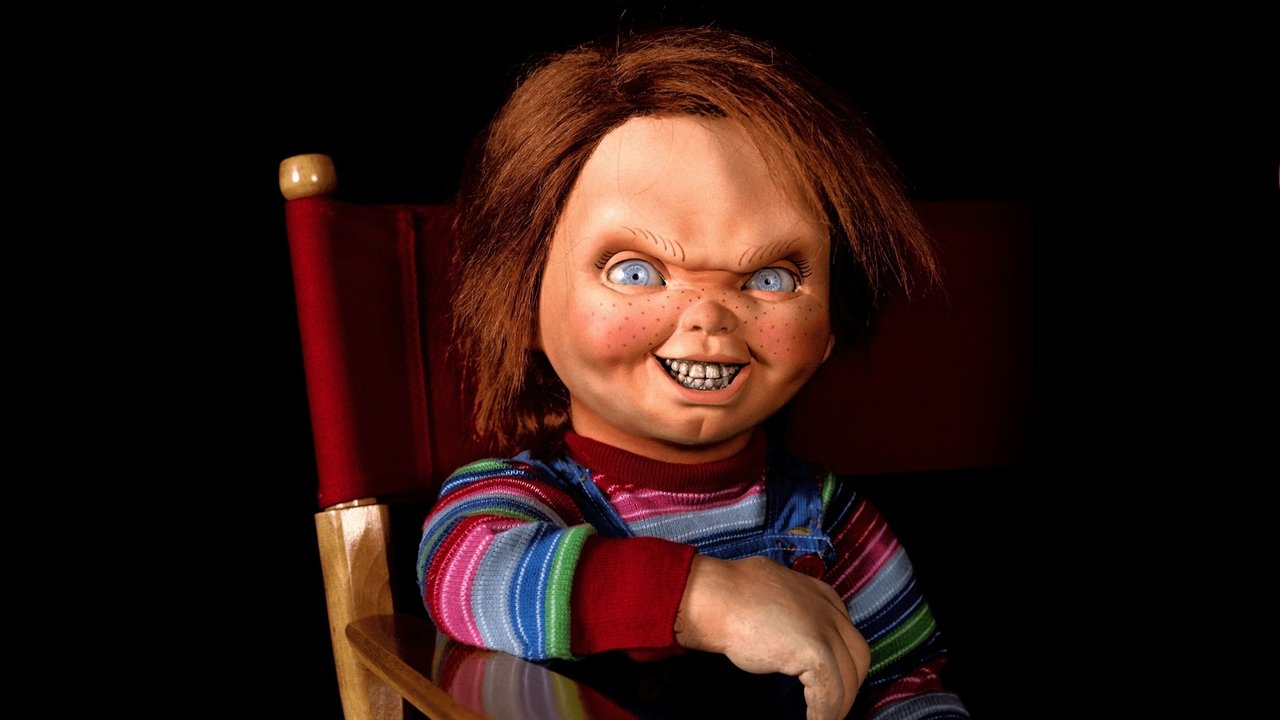
The incredibly tight production schedule is perhaps the most telling behind-the-scenes detail. Churning out a sequel less than a year after Child's Play 2 inevitably impacted the final product. While the practical Chucky effects, handled again by Kevin Yagher's team, are still impressive for the era – that sneering face remains remarkably expressive – there's a sense that the spark, the sheer novelty, was beginning to wear thin. The budget, estimated around $13 million, yielded a modest $20.5 million worldwide box office, significantly less than Part 2, suggesting audiences perhaps felt the same. Filming took place partly at Kemper Military School & College in Boonville, Missouri, adding a layer of authenticity to the institutional setting.
Tragically, Child's Play 3 became unfairly associated with the horrific murder of James Bulger in the UK in 1993, with some press outlets speculating (incorrectly) that the film might have influenced the killers. This dark cloud hung over the film's reputation for years, despite police investigations finding no link – a stark reminder of how media panics could latch onto horror films in that era.
The Carnival Climax
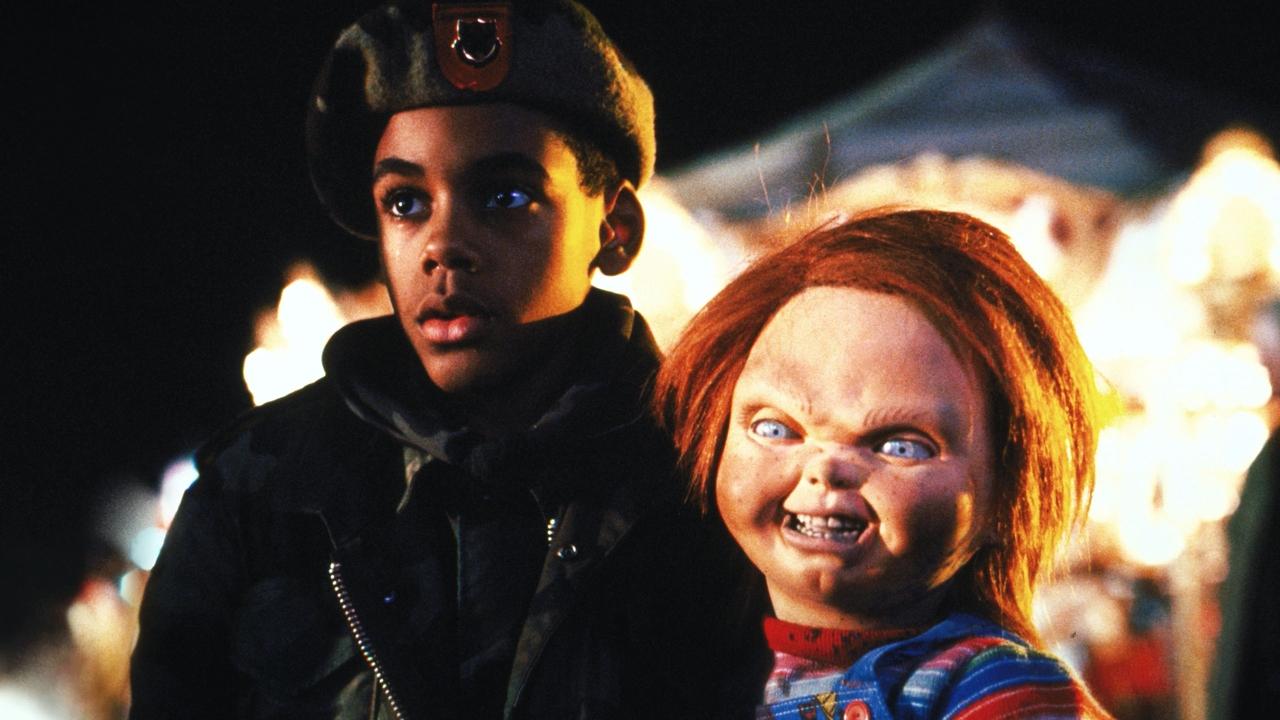
The film rallies somewhat for its finale, relocating the action to a nearby travelling carnival. This sequence, contrasting the forced fun of the fairground with Chucky's murderous rampage, provides some memorable imagery, particularly the showdown within the spooky "Devil's Lair" ride. It’s a frantic, effects-heavy conclusion that delivers the required spectacle, even if the journey getting there felt a bit like marching in formation. Did that final, gruesome dispatch of Chucky feel satisfying, or just another temporary stopgap until the next inevitable resurrection?
Final Score and Thoughts
Child's Play 3 isn't a disaster, but it represents a noticeable dip in quality for the franchise. The military school setting offers a novel backdrop, and Brad Dourif is never less than compelling as Chucky. However, the rushed production, repetitive plot structure, and less imaginative kills prevent it from reaching the heights of its predecessors. It felt less like a necessary chapter and more like an obligatory one, fulfilling a studio mandate rather than burning with creative fire. Watching it again on worn VHS, that feeling persists – a competent, occasionally entertaining slasher sequel, but one lacking the vital spark that made the first two so memorable. It’s a testament to Chucky’s enduring appeal that the series would find new, inventive ways to reinvent itself later (hello, Bride of Chucky!), but this entry feels like a necessary, if slightly unremarkable, stepping stone.
VHS Heaven Rating: 5/10
Final Thought: While it kept the franchise alive, Child's Play 3 mostly serves as a reminder that even the most terrifying toys can start to feel a bit predictable when they're rolled off the assembly line too quickly.