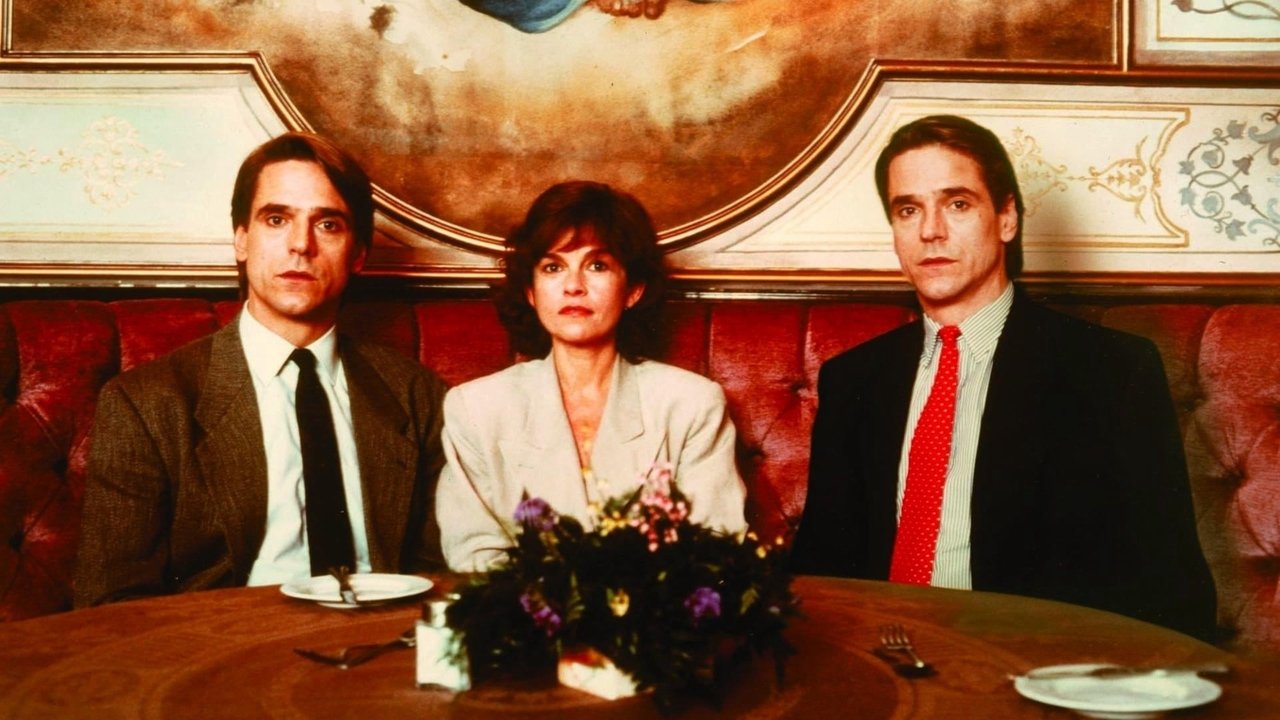
It's almost impossible to discuss David Cronenberg's Dead Ringers (1988) without first grappling with the staggering achievement at its core: Jeremy Irons. Not just an actor, but seemingly two distinct souls occupying the same frame, the same chilling narrative space. His portrayal of Elliot and Beverly Mantle isn't merely a technical trick; it's a profound, terrifying exploration of fractured identity that remains one of the most compelling dual roles ever committed to film. Seeing it back on VHS, often late at night after the video store run, felt less like watching a movie and more like witnessing a slow, elegant, and utterly devastating psychological implosion.
A World Apart, Yet Inseparable
The Mantle twins are brilliant, successful gynecologists operating a renowned fertility clinic. They share everything: their apartment, their accolades, their research, and, insidiously, women. Elliot, the confident, cynical, and dominant twin, often initiates relationships before passing the unsuspecting women onto the shy, sensitive, and deeply dependent Beverly. This disturbing symbiosis operates with cold precision until actress Claire Niveau (Geneviève Bujold) walks into their clinic. Claire, possessing a rare "trifurcated cervix," becomes an object of fascination, particularly for Beverly, who falls deeply, dangerously in love, upsetting the perilous equilibrium that defines the twins' existence.
Cronenberg's Clinical Gaze
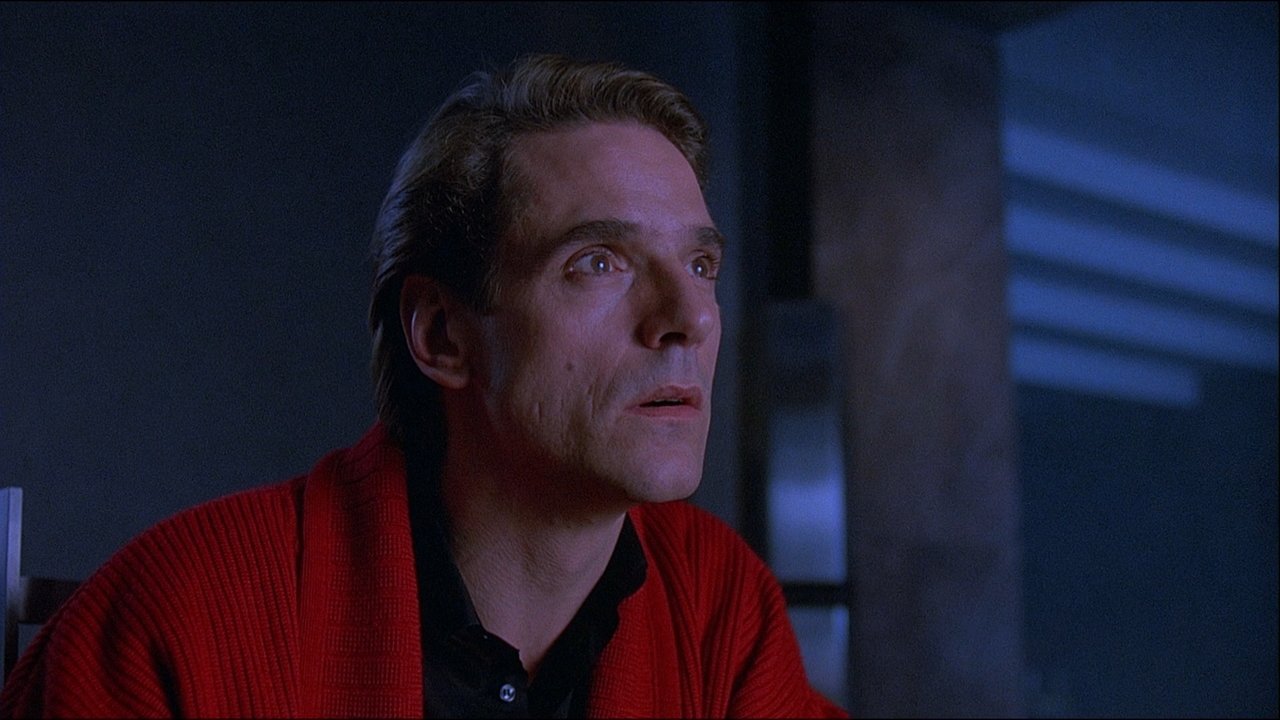
Coming off the more visceral, mainstream success of The Fly (1986), Cronenberg shifts gears dramatically here. Dead Ringers replaces overt mutations with a pervasive internal decay. The horror isn't primarily derived from gore – though the infamous "instruments for operating on mutant women" are undeniably unsettling – but from the suffocating atmosphere of sterile dread. Cronenberg, aided by Peter Suschitzky's cool, precise cinematography, presents the twins' world with an almost surgical detachment. The blues and greys of their clinic and apartment feel less like living spaces and more like elegantly appointed mausoleums for the soul.
It's fascinating to learn that Cronenberg had initially been offered the project years earlier but turned it down. He returned to it later, armed with the script he co-wrote with Norman Snider, based on the novel Twins by Bari Wood and Jack Geasland (which itself was inspired by the true, tragic story of physicians Stewart and Cyril Marcus). This gap allowed Cronenberg to approach the material with the thematic obsessions fully honed – the porous boundary between mind and body, the horrors lurking beneath sterile surfaces, the psychosexual anxieties of modern existence.
More Than Just a Performance

Jeremy Irons' work is the undeniable anchor. Differentiating the twins through posture, vocal intonation, and the subtle flicker of desperation or confidence in their eyes, he makes their distinct personalities utterly convincing. Yet, crucially, he also conveys their terrifying interconnectedness. You feel the shared psychic space, the inability of one to truly exist without the other. It’s a performance built on nuance, avoiding caricature even as the twins spiral into addiction and paranoia. The technical feat of putting two Irons on screen, interacting seamlessly, was groundbreaking for 1988. Forget static split-screens; the production utilized sophisticated computer-assisted motion-control camera rigs, allowing for fluid camera movements and interactions that still look remarkable today. It required meticulous planning and incredible discipline from Irons, acting opposite thin air or stand-ins, delivering lines for both characters often on the same day. The results earned him numerous accolades, including Best Actor from the New York Film Critics Circle – a rare honour for a film operating within the horror/thriller genre.
Geneviève Bujold provides the essential counterpoint as Claire. She’s not merely a victim or a plot device; she's complex, strong, yet vulnerable, her own dependencies mirroring the twins' in unsettling ways. Her discovery of the deception is played with a chilling mix of disbelief and violation, serving as the catalyst for the brothers' descent.
Instruments of Decay
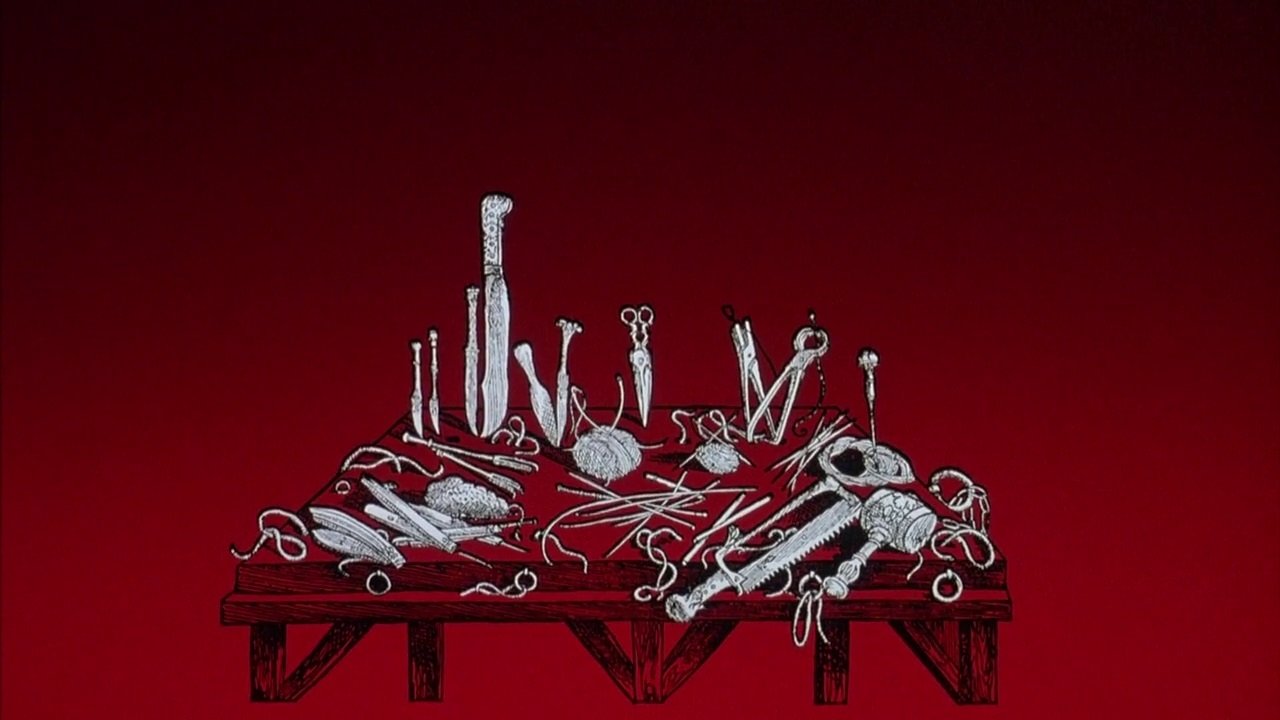
Let’s talk about those instruments. Designed by Cronenberg’s frequent collaborator, production designer Carol Spier, they are nightmarish works of art. Cold, gleaming, and vaguely menacing, they perfectly symbolise the twins’ warped perception of the female body and their own professional detachment curdling into pathology. They are perhaps the most overtly "Cronenbergian" element in a film that largely internalises its body horror. Equally striking are the blood-red surgical gowns, designed by Denise Cronenberg (David's sister), a bold visual choice that turns the operating theatre into a space of ritualistic, almost priestly significance, contrasting sharply with the film's otherwise muted palette.
The film wasn't a runaway success upon release. Made for roughly $13 million, its disturbing subject matter and deliberate pacing proved challenging for mainstream audiences expecting another creature feature after The Fly. Yet, its critical standing has only grown over time. It’s a film that burrows under your skin, less interested in jump scares than in a profound, existential unease. It poses uncomfortable questions about identity, love, dependency, and the dark places where science and the human psyche intersect. Remember that stark, almost clinical Thorn EMI VHS box art? It perfectly captured the film’s unsettling elegance.
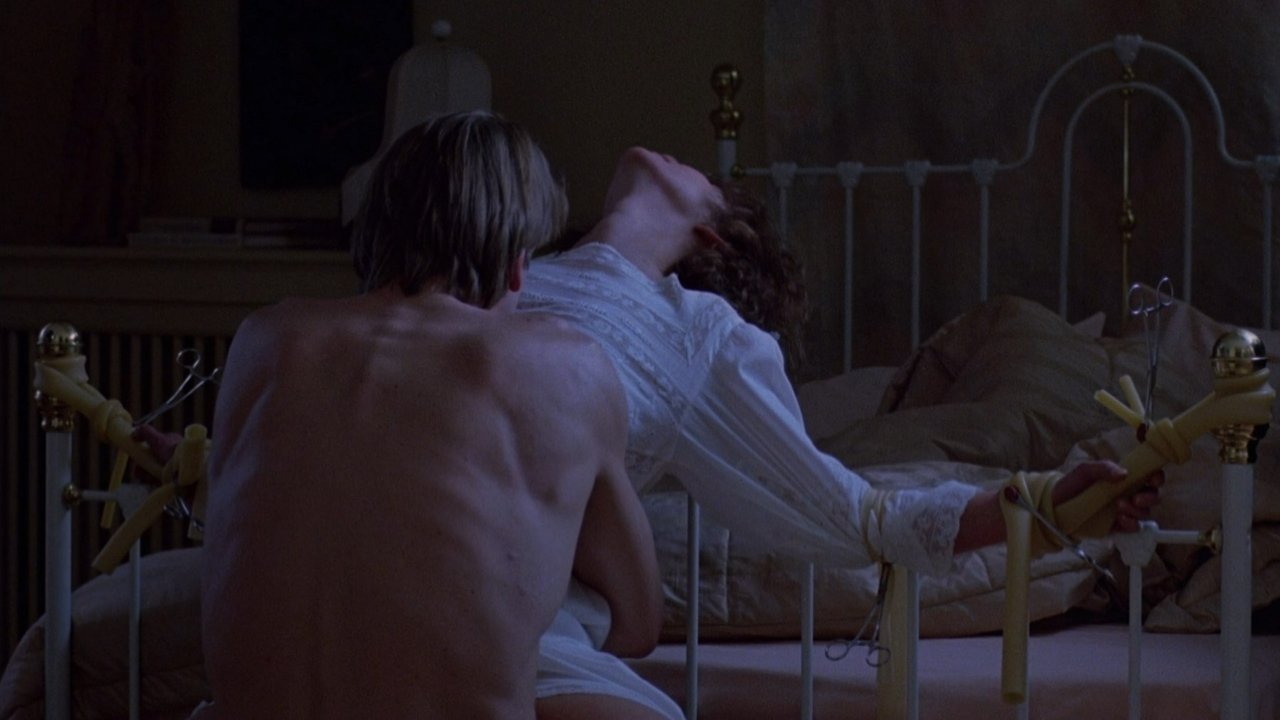
Rating: 9/10
This near-perfect score rests almost entirely on the flawless execution of its central concept. Jeremy Irons delivers not one, but two career-defining performances, seamlessly realised through then-innovative effects. Cronenberg directs with icy precision, crafting a psychological thriller steeped in dread rather than overt shocks. The thematic depth is immense, exploring identity and codependency with terrifying insight. While its deliberate pace and unsettling subject matter might not be for everyone, Dead Ringers is a masterclass in psychological horror, a chillingly beautiful film whose power hasn't diminished one bit since its days on the video store shelves.
It's a film that truly lingers, leaving you pondering the terrifying fragility of the self long after the tape hiss fades. What happens when the person who defines you is also the source of your destruction?