The London fog in Mary Reilly feels less like weather and more like a shroud, doesn't it? It hangs heavy not just over the cobbled streets, but within the very walls of Dr. Henry Jekyll's oppressive household. Released in 1996, this wasn't the lurid, monstrous transformation tale many expected from the Robert Louis Stevenson source material. Instead, director Stephen Frears, reteaming with writer Christopher Hampton and star John Malkovich after their critical triumph with Dangerous Liaisons (1988), offered something quieter, colder, and filtered through the watchful eyes of a servant. It’s a film that asks us to consider the horrors that unfold not in grand pronouncements, but in hushed corridors and behind tightly closed doors.
### Below Stairs, Above Horror
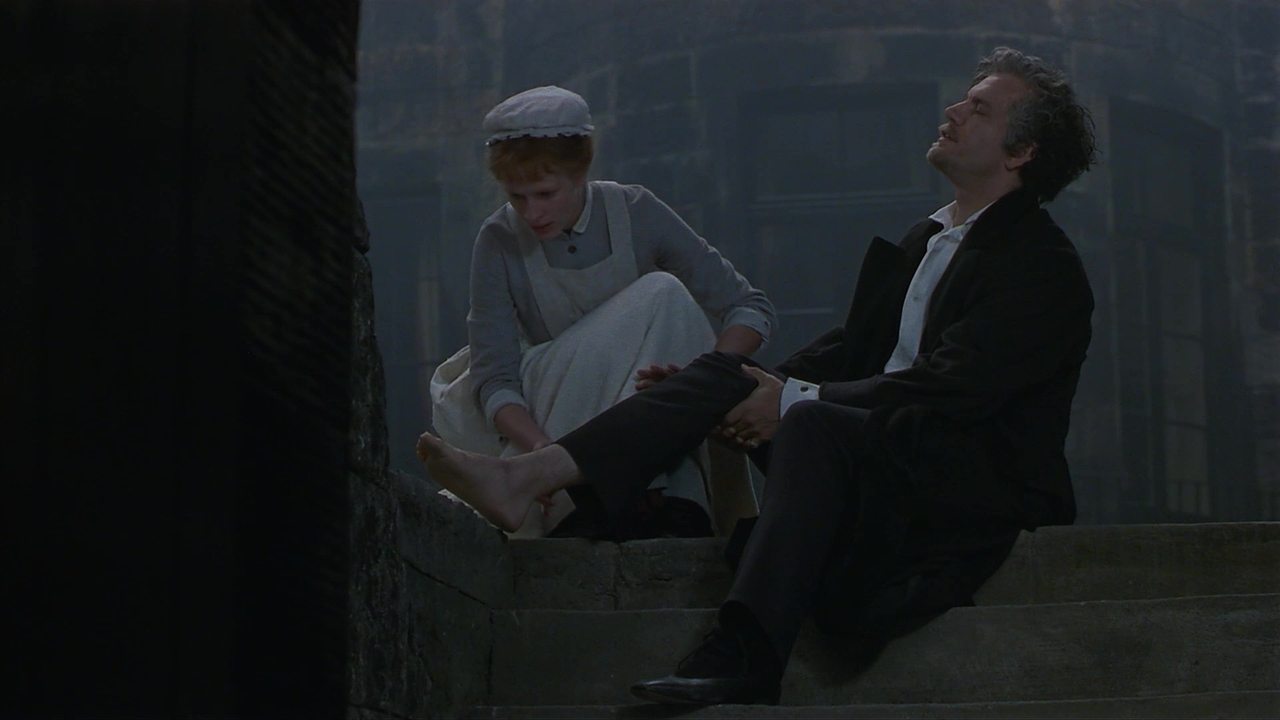
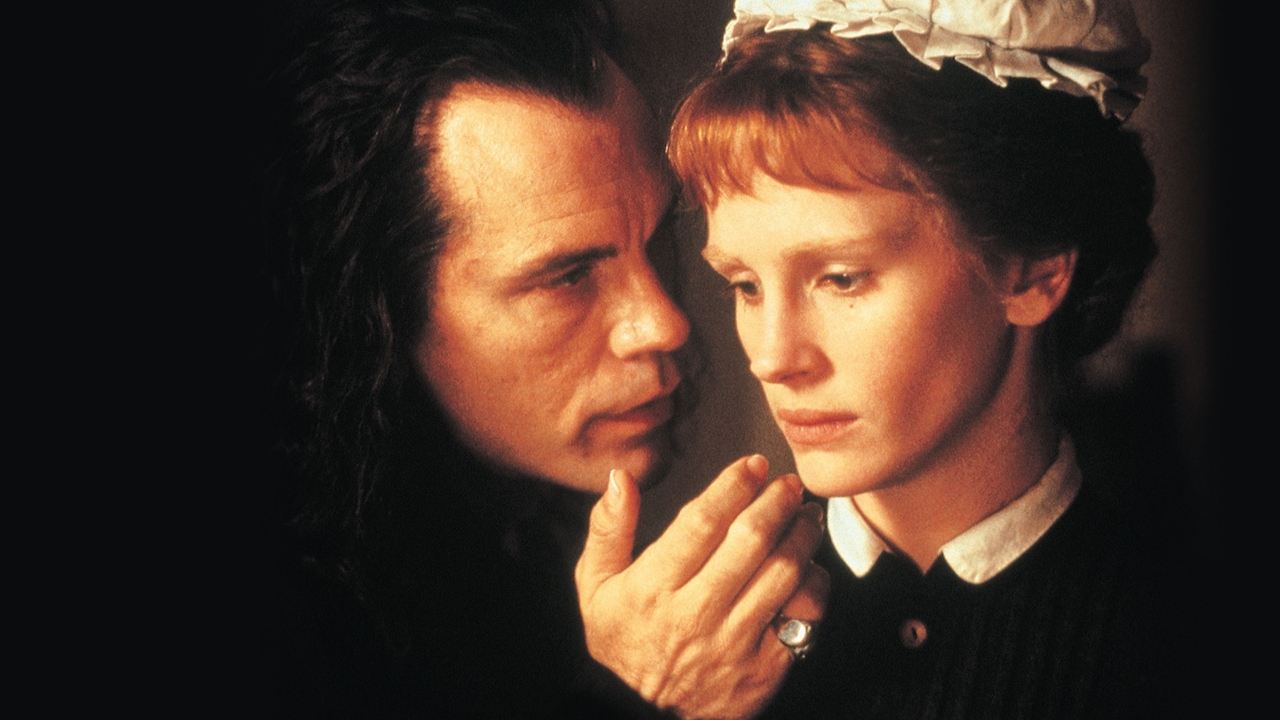
The genius of Valerie Martin's novel, faithfully adapted by Hampton, is shifting the perspective. We experience the unfolding tragedy of Jekyll and Hyde entirely through the eyes of Mary Reilly (Julia Roberts), the unassuming housemaid. This isn't about the spectacle of transformation, but the creeping dread of observation. Mary, scarred physically and emotionally by her past, finds a strange sort of sanctuary in the Doctor’s meticulous household. She sees things – odd hours, strange deliveries to the laboratory, the master's fluctuating moods, and eventually, the unnerving presence of his new 'assistant', the brutish Mr. Hyde (John Malkovich again, naturally). It’s a masterstroke of narrative framing, turning a familiar tale into a study of class dynamics, repressed desires, and the silent complicity of those who serve. Remember how many gothic tales focus solely on the tormented aristocrat? This felt like a breath of fresh, albeit damp and chilling, air.
### A Contentious Casting Choice
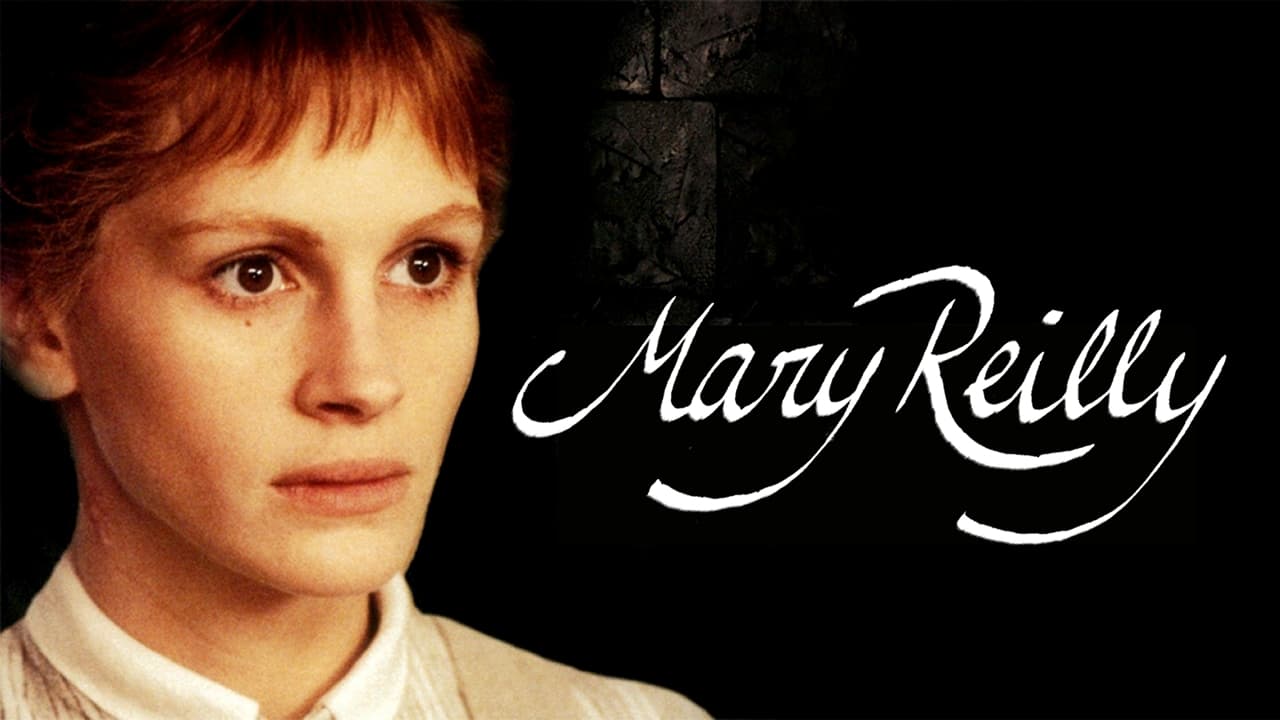
Let's be honest, casting Julia Roberts, arguably the biggest female star on the planet in the mid-90s and synonymous with radiant smiles, as a withdrawn, traumatized Irish housemaid in Victorian London raised more than a few eyebrows. It was a bold swing, an attempt by Roberts to stretch beyond her beloved romantic comedy persona. Does it entirely work? That’s been the debate ever since the VHS tape hit the rental shelves. Roberts throws herself into the role physically – the drab attire, the minimal makeup, the attempt at a subdued demeanor and accent are all evident. There's a sincerity in her portrayal of Mary's quiet watchfulness and her complex, almost paternal devotion to Dr. Jekyll. Yet, moments occur where the sheer wattage of that inherent Roberts charisma feels like it's peeking through the gloom, slightly at odds with the character's deeply ingrained repression. It wasn't quite the transformative performance perhaps hoped for, and it drew considerable flak at the time, culminating in a Razzie nomination for Worst Actress. It makes you wonder, doesn't it, how the film might have felt with a less globally famous face in the role? Reportedly, Uma Thurman and Nicole Kidman were among those considered.
### Malkovich in Familiar, Unsettling Territory
If Roberts' casting felt like a gamble, John Malkovich stepping into the dual role of Jekyll and Hyde felt almost preordained. Who better to portray the cold, intellectual precision of Jekyll and the sly, simmering menace of Hyde? Malkovich excels at conveying intelligence laced with profound otherness. His Jekyll is brittle, remote, yet capable of moments of unsettling intimacy with Mary. His Hyde is less a roaring monster and more a creature of pure, reptilian id – manipulative, cruel, and possessing a chilling magnetism. The transition isn't marked by dramatic makeup (at least initially), but by subtle shifts in posture, vocal patterns, and that unnerving glint in his eyes. He and Frears understand that Hyde's terror lies not just in violence, but in his utter lack of conscience, his gleeful trampling of social niceties. It’s a performance that burrows under your skin.
### Gaslight, Gloom, and Production Woes
Visually, Mary Reilly is a triumph of oppressive atmosphere. Cinematographer Philippe Rousselot (Interview with the Vampire) paints with shadow and muted light, turning the Jekyll house into a labyrinth of secrets. The production design by Stuart Craig (who would later define the look of the Harry Potter films) is impeccable, creating a world that feels both authentic and suffocatingly claustrophobic. Every flickering gaslight, every imposing piece of furniture contributes to the sense of dread.
However, behind the polished gloom, the production was reportedly fraught with difficulty. The film's release was delayed significantly, often a sign of tinkering and second-guessing in the editing room. Rumours of studio interference and reshoots circulated. This unease seems to have permeated its reception. Despite the pedigree of Frears, Hampton, Malkovich, and Roberts, the film was a critical and commercial disaster. Made for a hefty $47 million, it barely scraped together $12 million worldwide at the box office. It’s a stark reminder that sometimes, even with immense talent involved, the alchemy just doesn't quite spark. Perhaps the deliberate pacing and psychological focus, eschewing overt horror tropes, alienated audiences expecting a more conventional monster movie?
### What Lingers in the Mist?
What stays with you after Mary Reilly fades to black isn't jump scares, but a pervasive sense of unease. It's a film about looking – Mary looking at Jekyll, Jekyll/Hyde looking at Mary, and the audience looking at them both, piecing together the grim puzzle. It touches on themes of abuse, the power dynamics inherent in service, and the terrifying proximity of darkness beneath a veneer of respectability. Mary's scars mirror Jekyll's hidden ones, suggesting a strange kinship between the observer and the observed. Does her presence inadvertently enable his descent, or is she merely a helpless witness caught in his gravitational pull? The film leaves these questions hanging, much like the ever-present London fog.
### Final Verdict
Mary Reilly is a fascinating, flawed gothic drama. It's beautifully crafted, atmospheric, and anchored by Malkovich's chilling performance and a brave, if not entirely seamless, turn from Roberts. Its deliberate pace and internal focus might test the patience of some expecting traditional horror, and the behind-the-scenes struggles perhaps hint at a film that never quite reached its full potential. Yet, its unique perspective and unsettling mood make it a compelling watch, especially for those who appreciate a darker, more psychological take on a classic tale. It's the kind of film that might have bewildered audiences in '96 but finds a more appreciative niche among retro film fans today who can admire its ambition and artistry, even with its imperfections.
Rating: 6.5/10
It doesn't fully overcome the shadow of its troubled production and controversial casting, but Mary Reilly remains a hauntingly atmospheric piece of 90s gothic cinema, memorable for its unique perspective and the chilling quietness of its horror. It's a film that lingers, like the damp chill after a walk through a foggy night.