Okay, settle in. Dim the lights, maybe pour yourself something strong. We’re digging into a tape that caused quite a stir back in '93, one that took America’s favorite mischievous kid and twisted that cherubic face into something… unsettling. Remember the jolt? Seeing that familiar Home Alone visage associated with malice felt like a glitch in the pop culture matrix. Tonight, we’re revisiting Joseph Ruben’s chilling psychological thriller, The Good Son.
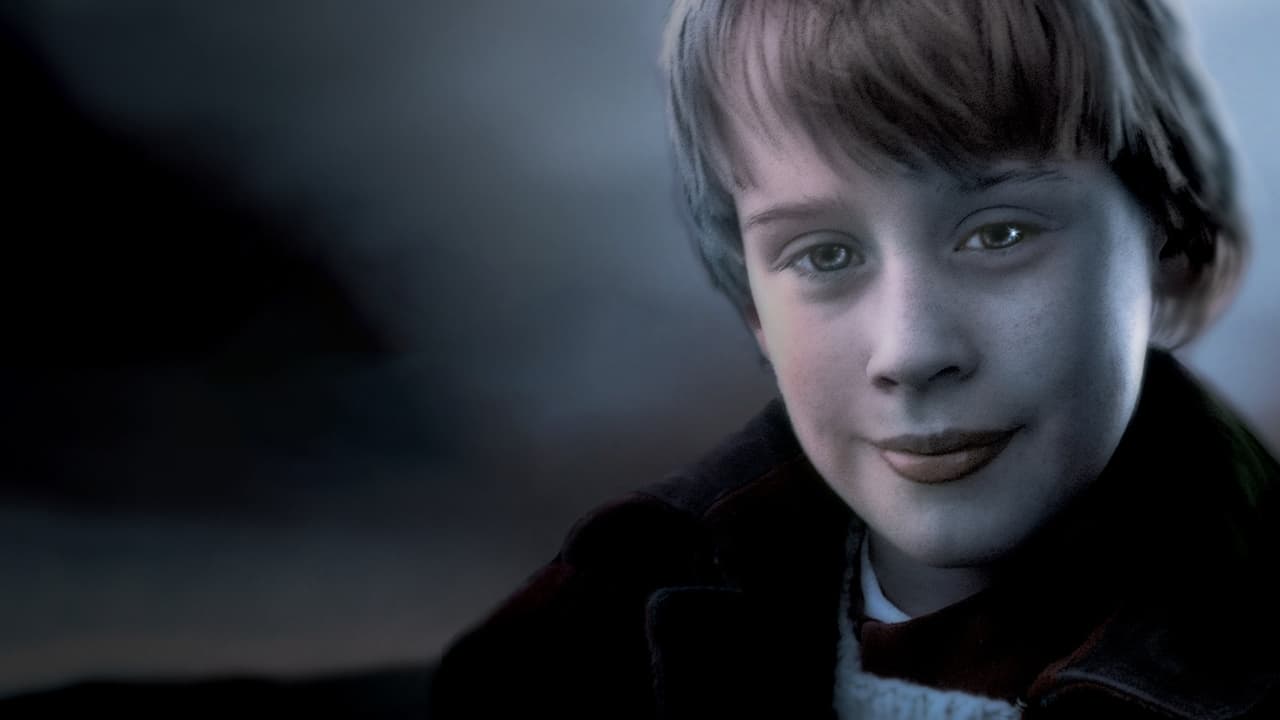
The static hiss of the VCR might have faded, but the core unease of this film lingers. It taps into that primal fear: what if the evil we fear isn’t lurking in the shadows, but smiling right at us, sharing our dinner table? The premise is deceptively simple, steeped in grief. Young Mark Evans (Elijah Wood, already showing the soulful depth that would later take him to Middle-earth) is sent to stay with his aunt (Wendy Crewson) and uncle's family in picturesque Maine after the death of his mother. There, he meets his cousin Henry (Macaulay Culkin), a boy his own age who seems, initially, like the perfect playmate. But under the surface of this coastal idyll, something is deeply wrong.
Beneath the Perfect Smile
The film wastes little time seeding dread. Ruben, who had already proven his knack for domestic thrillers with Sleeping with the Enemy (1991), builds tension not through jump scares, but through Henry’s increasingly sociopathic behaviour, witnessed only by the traumatized, grieving Mark. The contrast between the sun-dappled Maine scenery and the darkness brewing within Henry is the film’s central, chilling conceit. Elijah Wood is heartbreakingly effective as Mark, his wide eyes registering a terror that the adults around him refuse to see. His isolation fuels the suspense – who do you turn to when the monster is the golden child everyone adores?
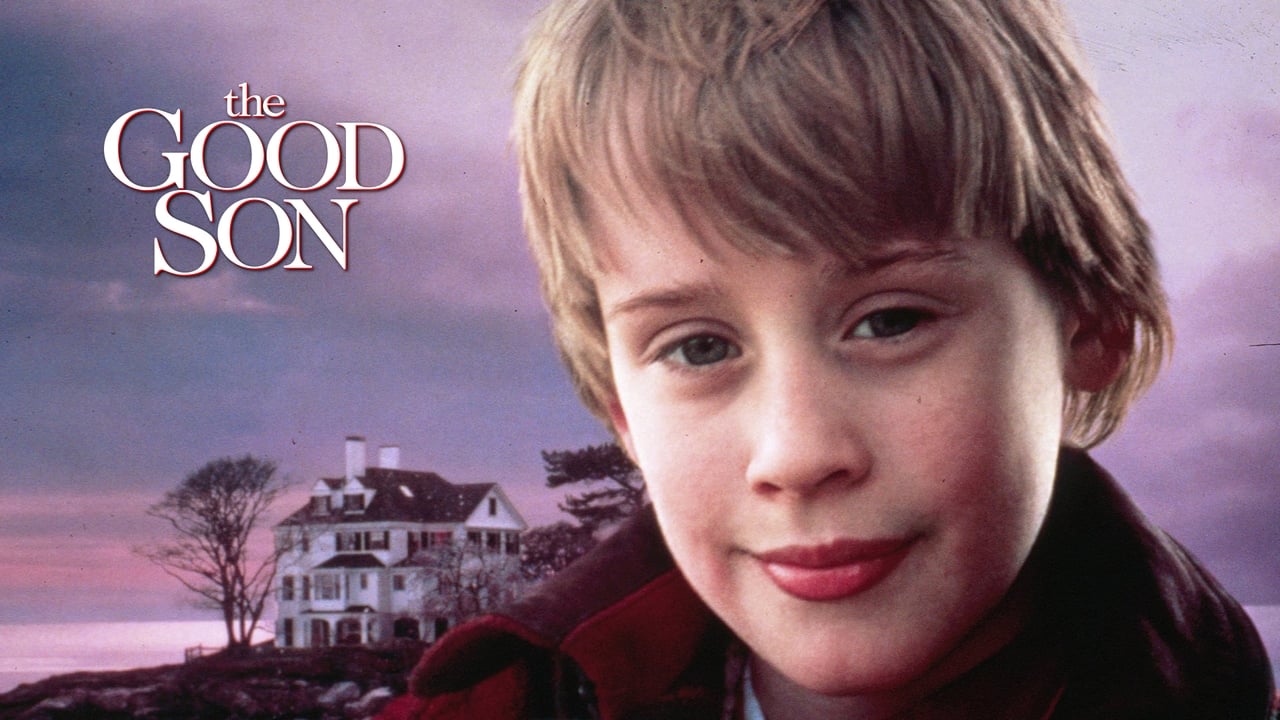
And then there’s Macaulay Culkin. Fresh off becoming arguably the biggest child star on the planet, his casting as the calculating, remorseless Henry was a calculated gamble, and boy, did it generate buzz. It’s impossible to discuss The Good Son without acknowledging the meta-textual jolt of seeing Kevin McCallister wield a crossbow with sinister intent or casually discuss death. While his performance might lack nuanced menace in hindsight, relying more on a cold blankness, the idea of Culkin in this role was potent marketing dynamite. The tagline "Evil has many faces" played directly into this subversion. Remember seeing that trailer or the poster in the video store? Didn't it feel deliberately provocative?
Troubled Waters Behind the Scenes
The journey of The Good Son to the screen was almost as fraught as Mark’s stay with the Evans family. Penned by acclaimed novelist Ian McEwan years earlier (reportedly in the mid-80s), his original script was apparently even darker and more ambiguous. Studio shifts and development hell ensued before it landed at 20th Century Fox. Then came the casting coup/controversy. Rumors swirled, persistent to this day, that Macaulay Culkin’s powerful father and manager, Kit Culkin, leveraged Macaulay's participation in Home Alone 2: Lost in New York (1992) to secure him the role of Henry, bumping another child actor initially considered. Fox even delayed the film's release for nearly a year, reportedly nervous about unleashing this dark side of their golden goose too soon after his family-friendly blockbuster. It’s one of those "dark legends" of 90s Hollywood deal-making that adds a layer of intrigue to the final product. Despite the controversy and mixed critical reviews upon release (many found it exploitative), the film was a solid box office success, pulling in over $60 million worldwide against its $17 million budget – proving audiences were morbidly curious.
That Lingering Chill
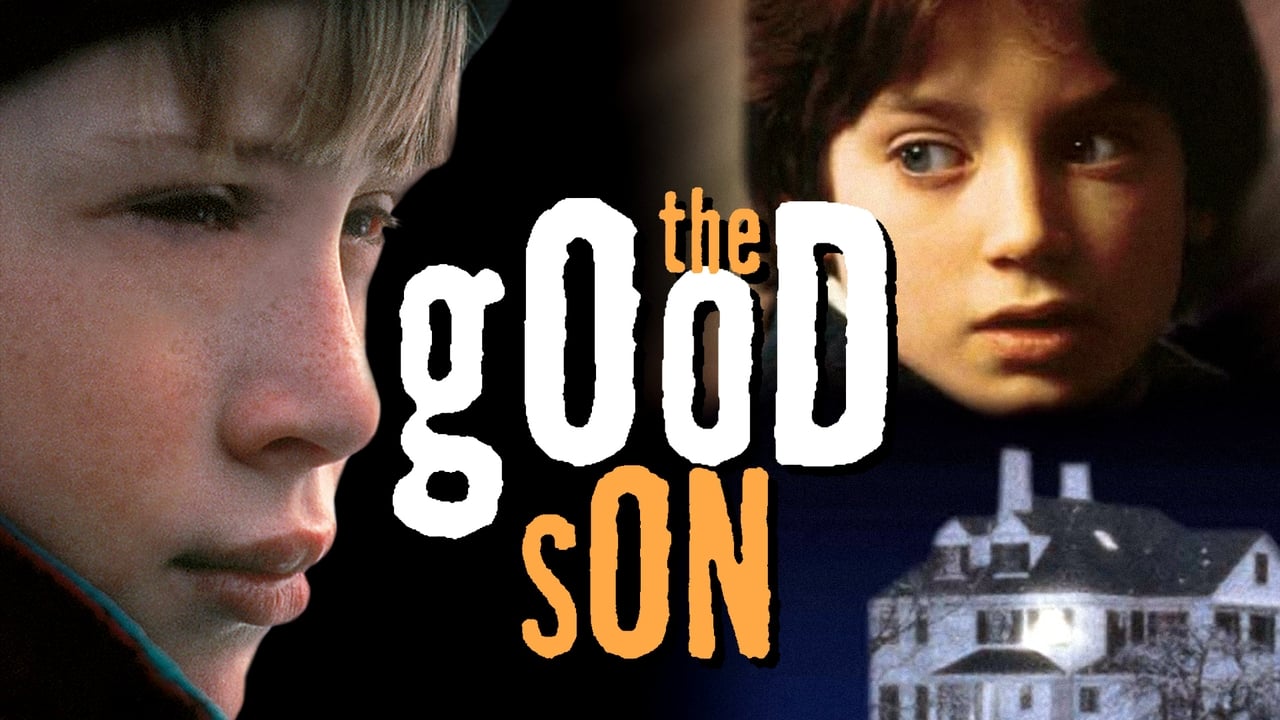
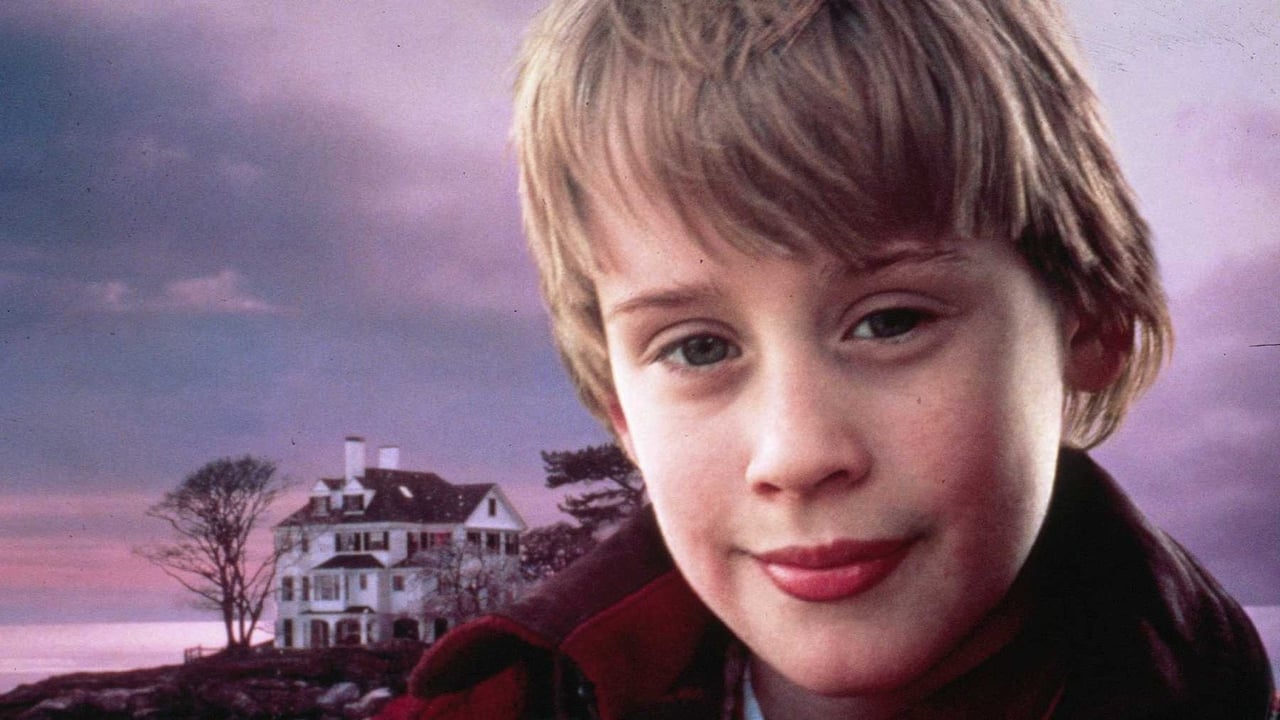
Certain sequences still possess a raw, unsettling power. The highway overpass scene, with its horrifyingly casual cruelty, remains genuinely disturbing. The confrontation on the frozen pond, the growing desperation in Mark’s pleas, the terrifying climax on the cliffside – Ruben orchestrates these moments with effective, straightforward tension. The score by the legendary Elmer Bernstein (Ghostbusters, The Magnificent Seven) effectively underscores the creeping dread, avoiding melodrama for a more insidious mood. The practical nature of the filmmaking, especially the stunt work in the finale, gives it a grounded, visceral feel that often gets lost in today’s CGI-heavy landscape. It feels perilous because, on some level, it was.
The Good Son isn't a perfect film. The adult characters can feel frustratingly blind, serving primarily as obstacles to Mark’s credibility. Some dialogue lands with a thud, and the psychological exploration, compared to McEwan’s more complex literary work, feels somewhat simplified for mainstream consumption. Yet, it achieves a specific kind of chilly effectiveness. It’s a stark reminder that horror doesn’t always need supernatural monsters; sometimes, the most frightening thing is the potential for darkness within the seemingly innocent. It preys on parental fears and the terrifying vulnerability of childhood. Did that final, agonizing choice genuinely shock you back then? It certainly left audiences debating.
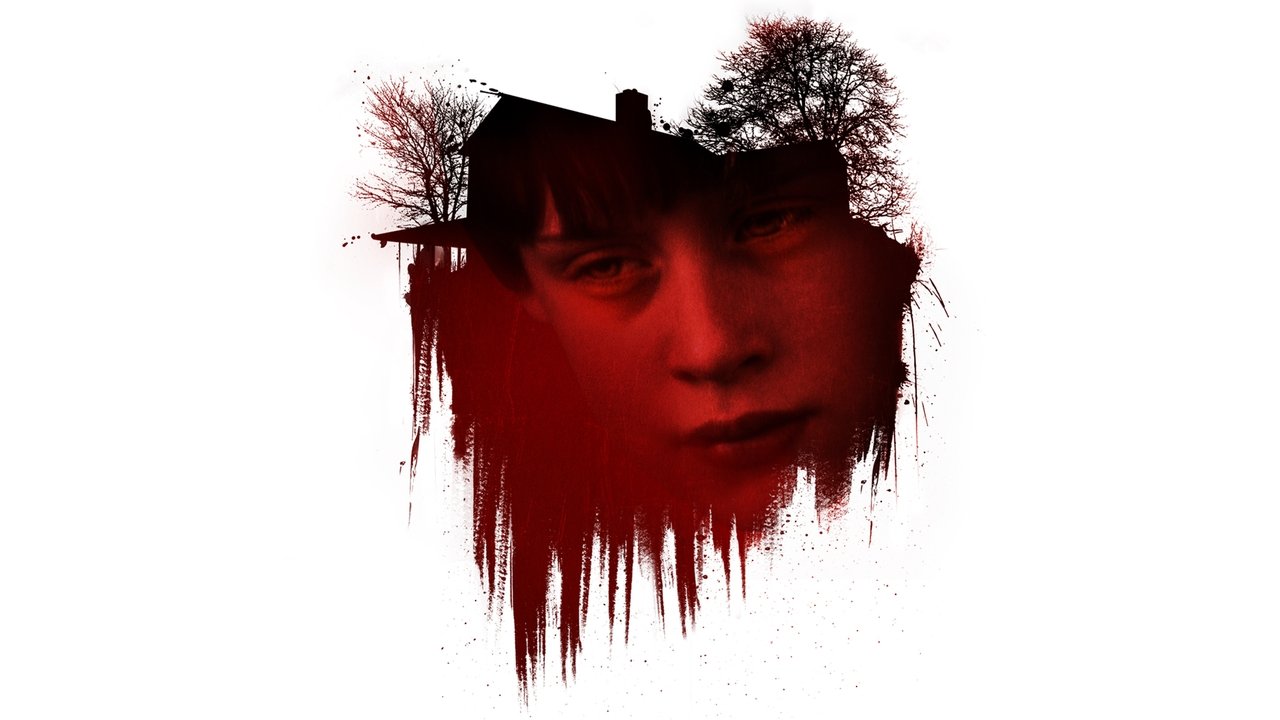
VHS Heaven Rating: 7/10
Why a 7? The Good Son earns its points for sheer audacity in casting, its effective build-up of psychological dread, and a handful of genuinely chilling sequences that stick with you. Wood’s performance is a standout, conveying palpable fear. It overcomes some script weaknesses and the sometimes-flat portrayal of Henry through its unsettling premise and Ruben’s competent direction. It loses points for the underdeveloped adult characters and a sense that it pulled back from the truly bleak potential of McEwan's original concept. Still, it delivered exactly what the controversial marketing promised: a disturbing glimpse of childhood innocence curdled into something monstrous.
It remains a fascinating, uncomfortable artifact of 90s cinema – a studio thriller that dared, however imperfectly, to exploit the sunny image of its superstar child actor for darker purposes. Popping this tape in again isn’t just about nostalgia; it’s about revisiting that specific, unsettling feeling it provoked, a chill that reminds us evil doesn't always announce itself with thunder and lightning. Sometimes, it just smiles.